- Category
- Latest news
Russia’s Shadow Fleet Now Moves 1 in 6 Oil Shipments Worldwide, NYT Reports
 Prefer U24 Media on Google
- Authors


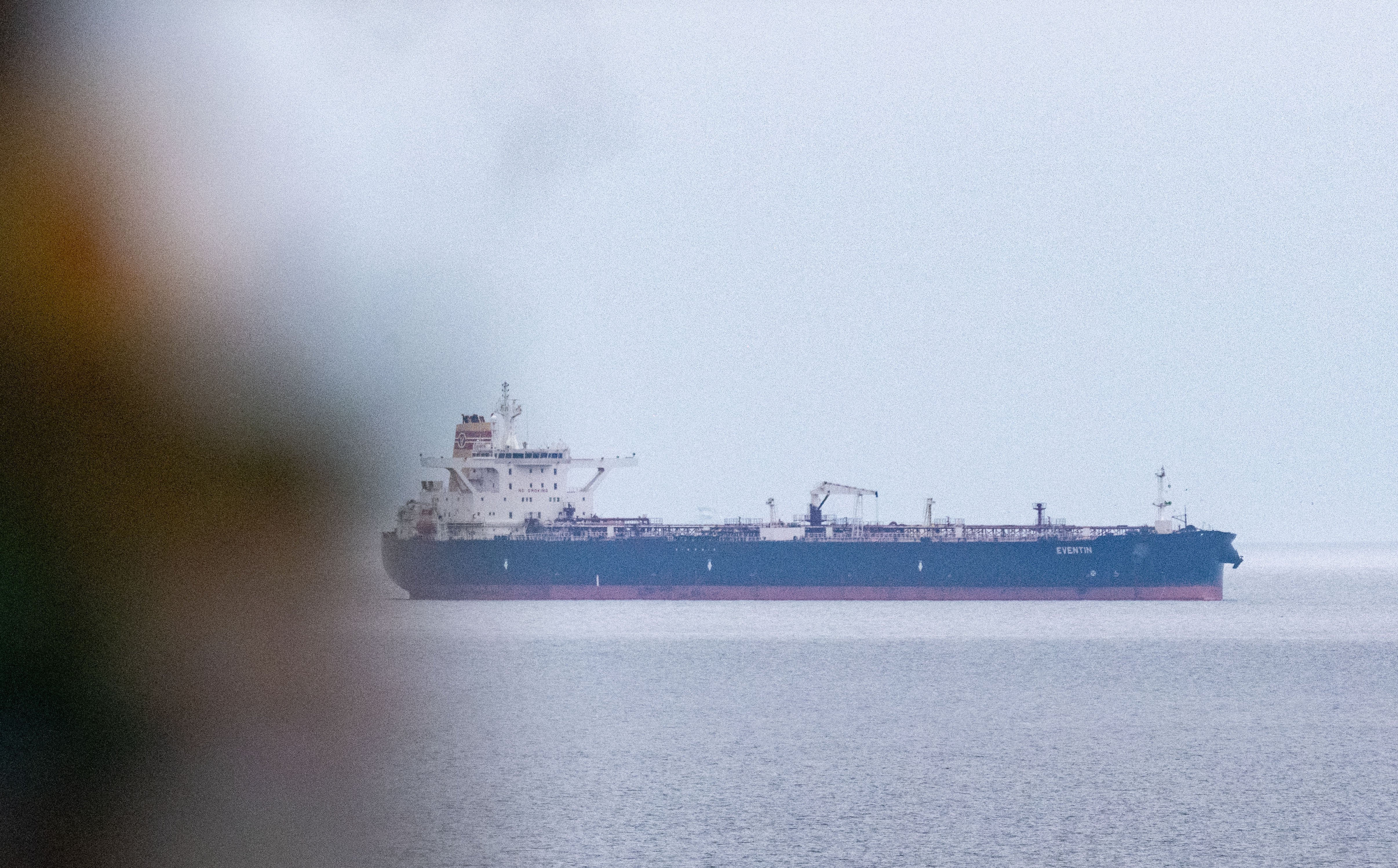
Approximately 17% of all active oil tankers in the world are part of Russia’s so-called “shadow fleet,” which allows Moscow to bypass Western sanctions on its energy exports.
The findings were reported by The New York Times on September 22, citing research from S&P Global Market Intelligence.
According to S&P, Russia’s shadow fleet included around 940 vessels at the beginning of 2025—an increase of 45% compared to the previous year.
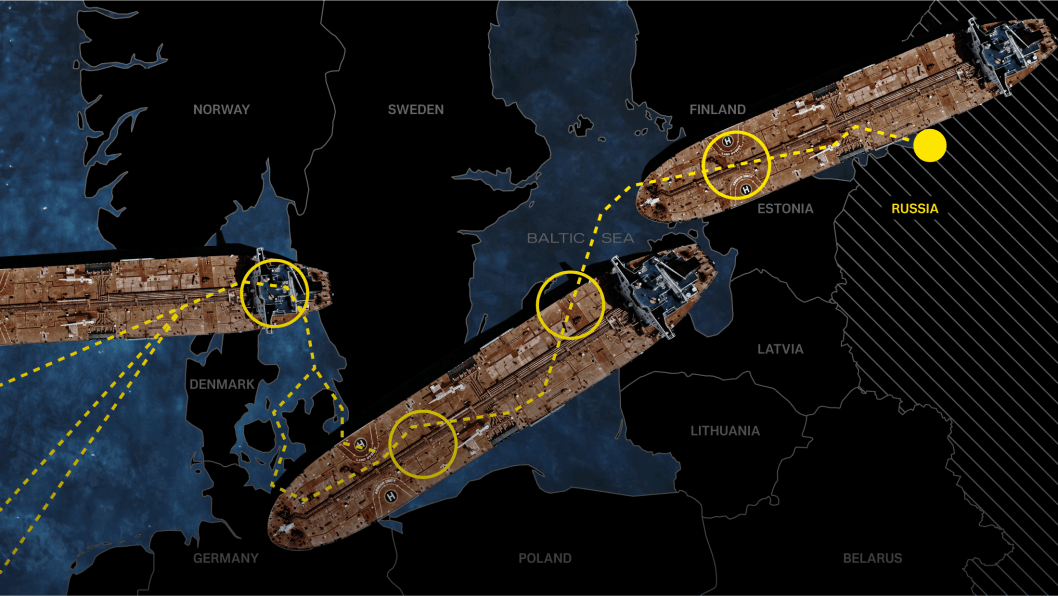
Many of these ships are operating under flags of convenience, with opaque ownership structures, and frequently provide false location data to conceal the origin of their cargo.
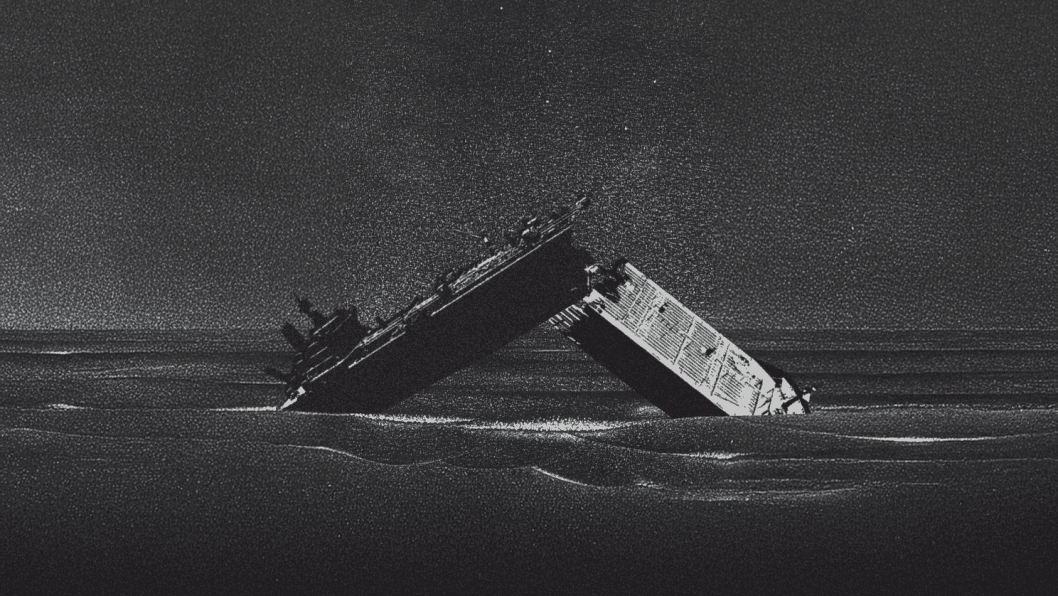
The New York Times noted that the average age of vessels in this fleet is about 20 years, compared with 13 years for the global tanker fleet overall. Environmental experts warn that operating such old ships without proper insurance creates a risk of major ecological disasters.
Some of these tankers are also suspected of involvement in undersea sabotage against pipelines and communications cables.
“The absence of insurance combined with very old vessels increases the risk of environmental catastrophe,” said Natalia Gozak, director of Greenpeace Ukraine, quoted by The New York Times.
The outlet further reported that Western governments have attempted to respond through sanctions targeting ships linked to Russia.
The European Union has repeatedly expanded its sanctions lists to include vessels involved in transporting Russian oil outside official trade channels. Australia imposed restrictions on 60 ships of the shadow fleet, while Canada announced sanctions against more than 200 vessels.
According to The New York Times, Russia assembled this fleet in the aftermath of sanctions imposed after its full-scale invasion of Ukraine in 2022. Despite efforts to limit the Kremlin’s revenues, the shadow fleet has enabled continued deliveries to buyers such as China and India.
Ian Ralby, a maritime security expert and founder of I.R. Consilium, told The New York Times: “Sanctions don’t take them out of business. They take them out of the legitimate business.”
Earlier, Reuters reported that a second Russian LNG tanker from the sanctioned Arctic LNG 2 project had arrived in China, with the vessel anchoring near the Tieshan terminal in Guangxi. The shipment, part of Russia’s shadow fleet, follows a previous delivery to the Beihai terminal in August.
Discuss this article:



-c439b7bd9030ecf9d5a4287dc361ba31.jpg "Photo of Katherina Popilnichenko")