- Category
- Latest news
UK Leads European Push To Physically Seize Russia’s Shadow Oil Fleet
 Prefer U24 Media on Google
- Authors


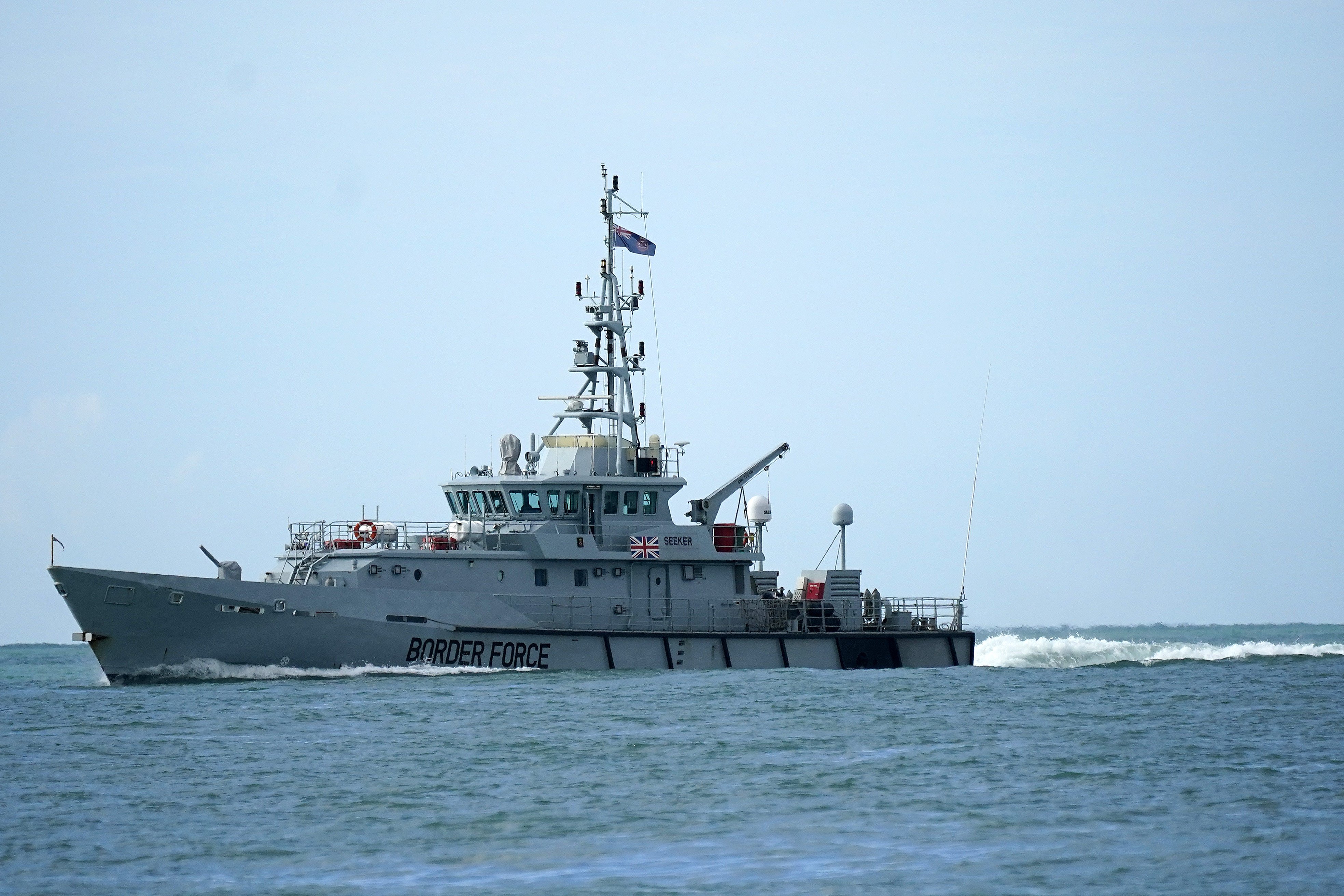
The United Kingdom has initiated discussions with European allies on the possible seizure of oil tankers linked to Russia’s so-called “shadow fleet,” as part of broader efforts to tighten pressure on Moscow’s war economy.
According to Bloomberg on February 14, UK Defense Secretary John Healey met with counterparts from Baltic and Nordic countries to explore legal and operational options for detaining vessels suspected of circumventing sanctions.
We bring you stories from the ground. Your support keeps our team in the field.
The talks took place on the sidelines of the Munich Security Conference, within the framework of the UK-led Joint Expeditionary Force, a 10-nation security grouping focused on the North Atlantic and Baltic Sea regions.
According to Bloomberg, the discussions centered on whether participating states could detain or seize oil tankers operating under flags of convenience but allegedly linked to Russian energy exports. The initiative reflects what one participant described to the outlet as growing readiness among allies to more actively restrict revenues funding Russia’s war against Ukraine.
UK Chief of the Defense Staff Richard Knighton also joined the meeting and presented potential courses of action, including coordinated joint operations to intercept vessels, Bloomberg reported.
-1d2bdffcadb40b9cfe33e2aa30cece08.jpg)
Estonian Defense Minister Hanno Pevkur, speaking to Bloomberg after the meeting, said: “Atmosphere and general understanding was that we need to be more proactive.” He added: “The message is that countries that are providing flags to shadow fleet vessels need to know that other countries may take measures.”
Pevkur noted that further discussions would be required before any decision is taken. In a separate interview cited by Bloomberg, Estonian Foreign Minister Margus Tsahkna said that some participants remain cautious due to “fear of escalation.”
According to Bloomberg, the proposed measures could follow the model of previous US operations targeting oil tankers transporting cargoes to and from Venezuela. Some of those vessels had reported links to Russia.
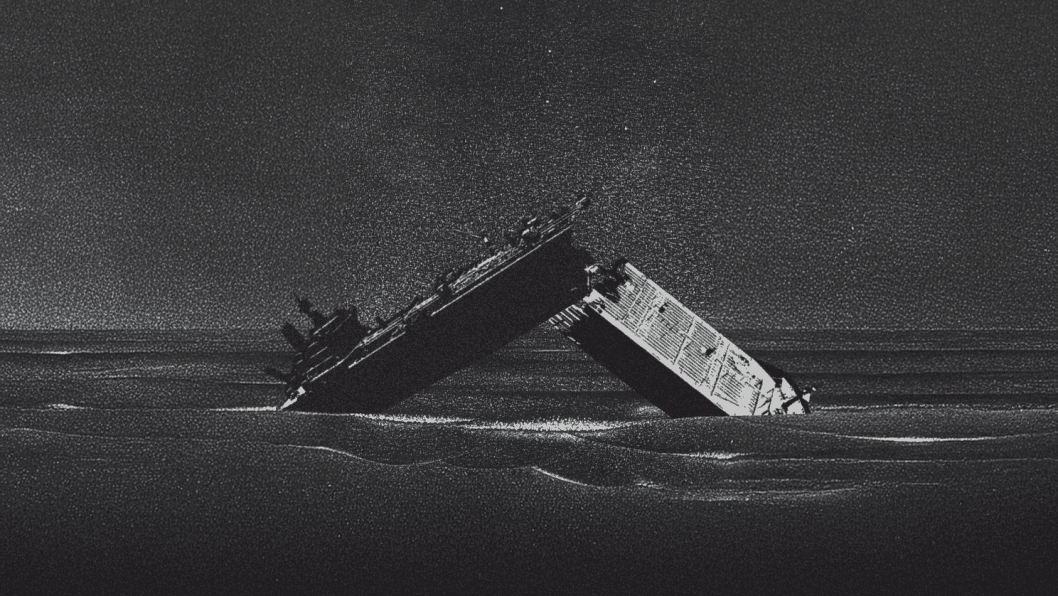
It remains unclear to what extent the United States would formally participate in the UK-led initiative. However, one source told Bloomberg that some level of coordination is likely. The outlet also reported that previous interceptions of vessels connected to Russia have caused concern in Moscow, with Russian officials privately urging Washington to halt such actions.
The so-called shadow fleet is estimated at approximately 1,500 tankers that often operate under changing or convenience flags and have been accused of evading regulatory oversight. More than 600 vessels have already been sanctioned by the European Union, the United Kingdom, and the United States due to links with Russian oil exports.
Earlier, The Sunday Times reported that the UK’s Royal Navy is preparing a new command hub on the east coast—at the HMS Calliope training centre in Gateshead—to track and potentially intercept Russian shadow fleet tankers that evade Western sanctions. From this base, remotely operated patrol boats would monitor the North Sea and English Channel up to 800 km offshore, helping identify vessels with false flags and gather intelligence ahead of possible seizures at sea.
Discuss this article:
-4a56a6b482ec132402c16ef6fcabf9a2.png)


-72b63a4e0c8c475ad81fe3eed3f63729.jpeg "Photo of Cyril Barabaltchouk")

-111f0e5095e02c02446ffed57bfb0ab1.jpeg "Photo of Roman Kohanets")