- Category
- World
Exclusive: Russia Is Upgrading Nicaragua’s Military Bases, Paying the Full Bill
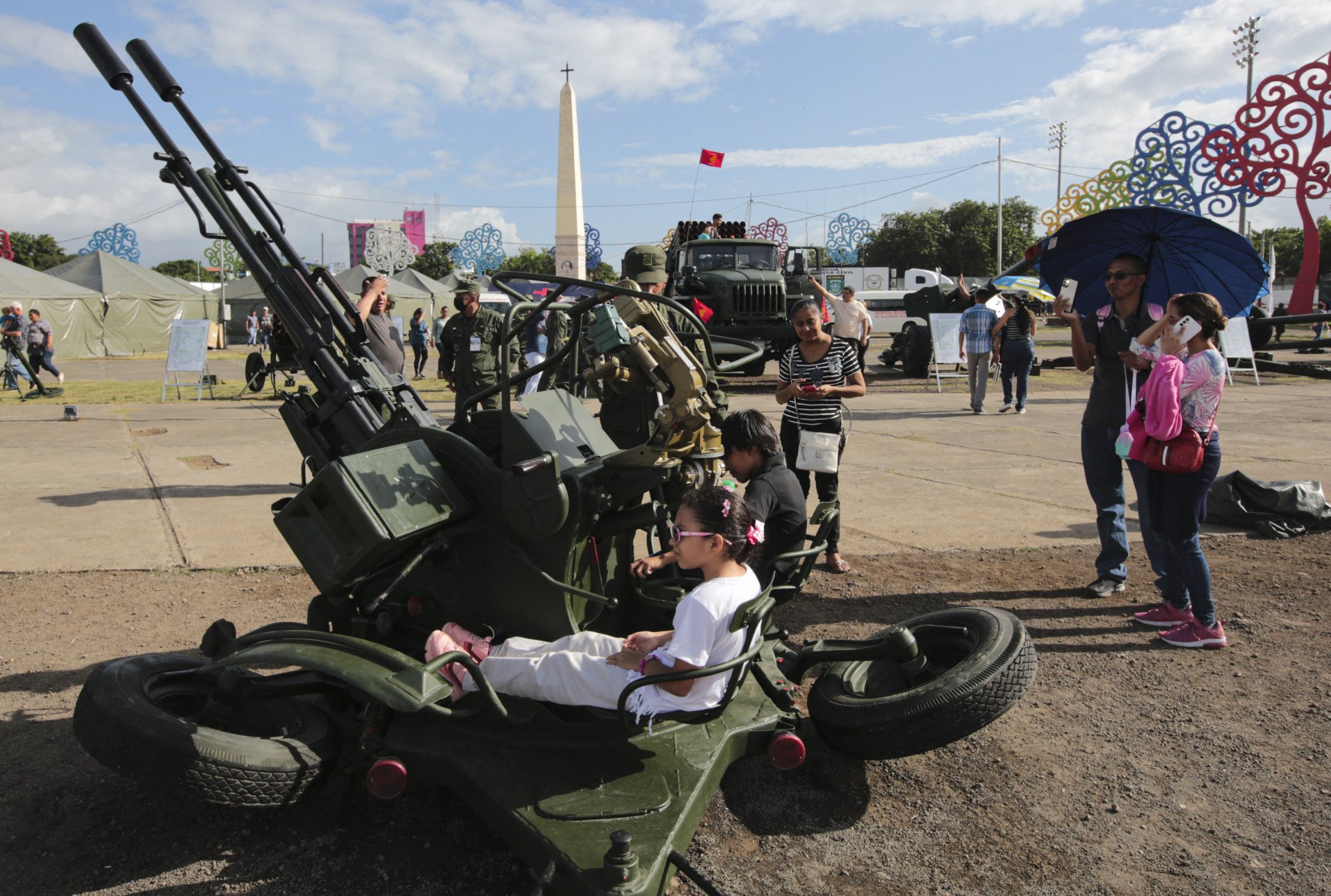
Sanctioned by the United States and increasingly isolated internationally, Nicaragua still has an ally—Russia. Moscow isn’t merely cooperating with Managua through defense contracts or transfers of leftover Soviet hardware; it is building the military infrastructure of Daniel Ortega’s regime, paid for entirely with Russian taxpayers’ money.
 Prefer U24 Media on Google
- Authors

-206008aed5f329e86c52788e3e423f23.jpg "Photo of Oleksandr Moiseienko")
In October, Nicaragua became the fifth country with which Ukraine severed diplomatic ties since the start of Russia’s full-scale invasion. The decision followed Managua’s systemic support of Russian policies and standards—support for which Moscow allocates considerable resources.
Growing military ties between Russia and Nicaragua
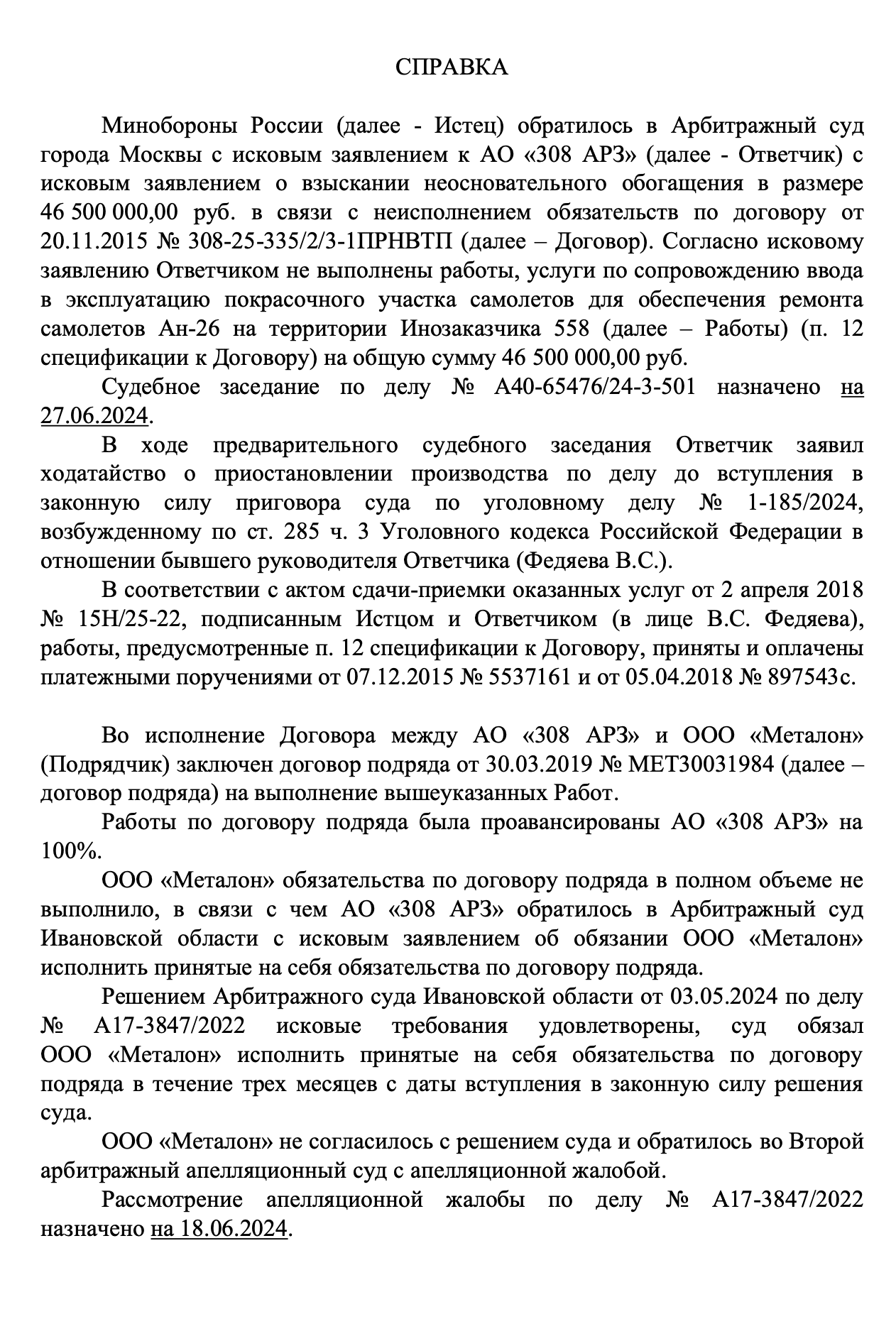
One example is a contract signed on November 20, 2015, between Russia’s Defense Ministry and its subordinate enterprise, JSC 308 Aviation Repair Plant.
This was not an export deal or a commercial partnership, but a state order from the Russian Defense Ministry to carry out work “on the territory of the Republic of Nicaragua.”
Formally, it appeared as an internal contract between the Russian ministry and its contractor. In reality, however, the agreement became the starting point for the expansion of Russia’s military infrastructure in Central America.
Its key feature: all work was “prepaid 100% from the funds of the Russian Defense Ministry”—that is, financed entirely from Russia’s state budget without any participation from the Nicaraguan side.
Russian military support: Cargo planes and aircraft facilities
The existence of this agreement between Russia’s Defense Ministry and the state enterprise JSC 308 Aviation Repair Plant (Ivanovo) became known through official Russian court and accounting records obtained by UNITED24 Media.
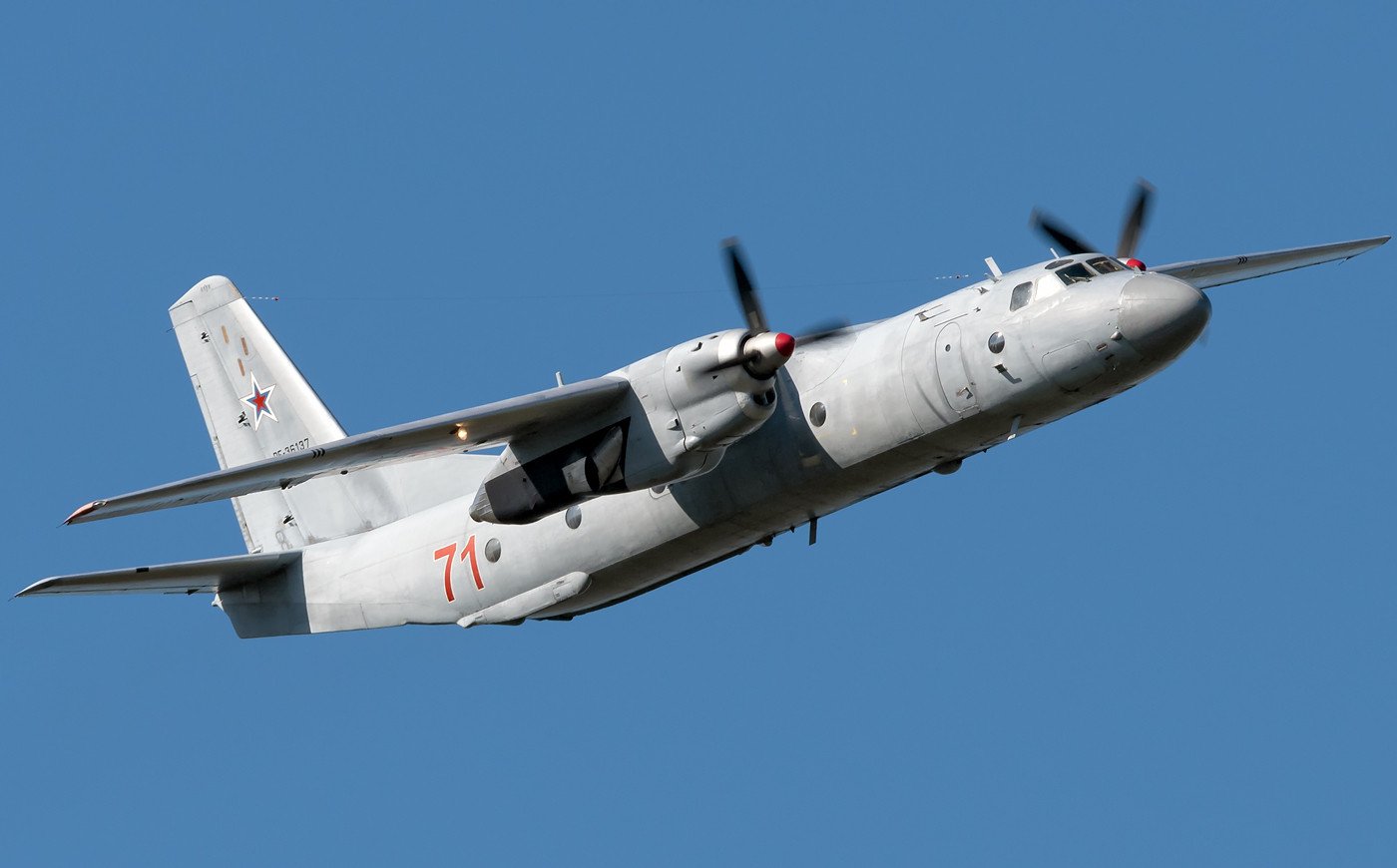
Just a few years after the work began, Russia started transferring AN-26 military aircraft to Nicaragua free of charge. The AN-26 is a Soviet twin-engine transport plane used for cargo and personnel transport. In military use, it commonly serves as troop and cargo transport (including ammunition), paratrooper drops, medical evacuation, and as a platform for specialized modifications (such as reconnaissance, communications, etc.).
A series of other documents indicates that construction of this infrastructure continued throughout the following decade. In 2019–2020, the 308 ARZ from Ivanovo (northeast of Moscow) signed several additional agreements with its subcontractor, the Russian company Metalon LLC, responsible for construction and installation work in Managua.
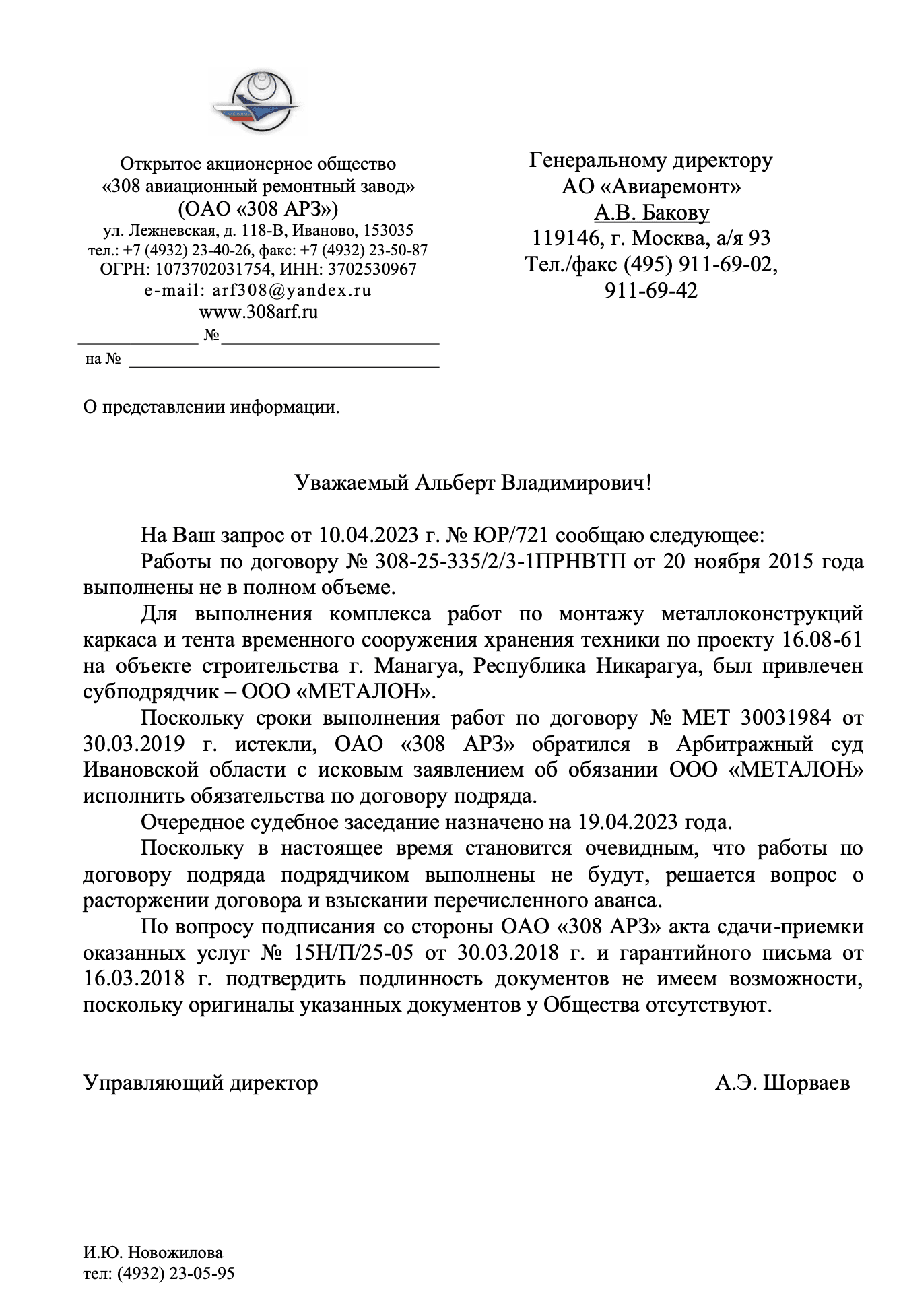
According to payment orders we analyzed, Russia’s Defense Ministry transferred at least 23 million rubles (now $284,000) to finance the construction of a paint facility for AN-26 aircraft—officially designated as a “repair” workshop.
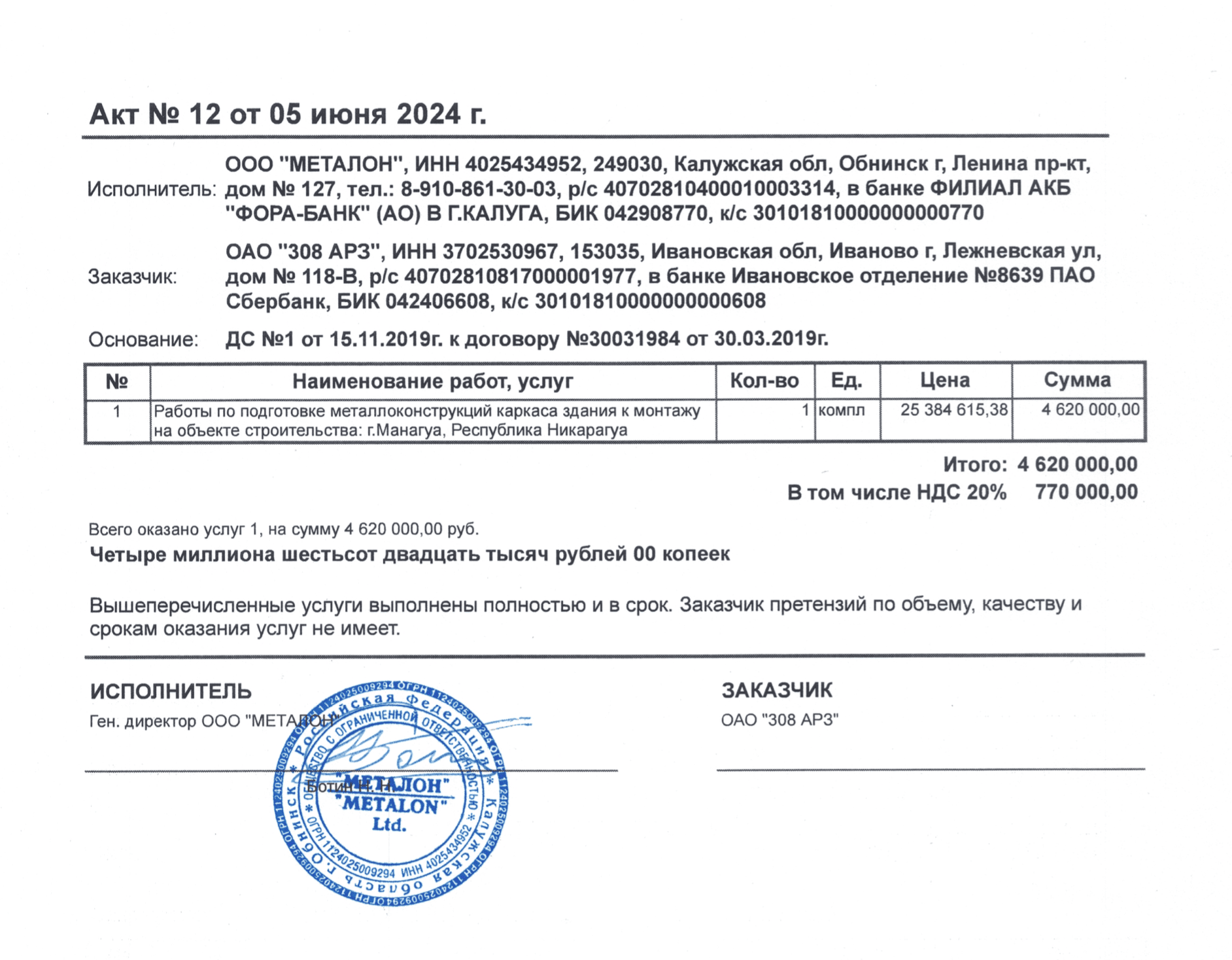
Between 2019 and 2023, Russian officials repeatedly confirmed on-site activity and the installation of equipment at a Nicaraguan military base.
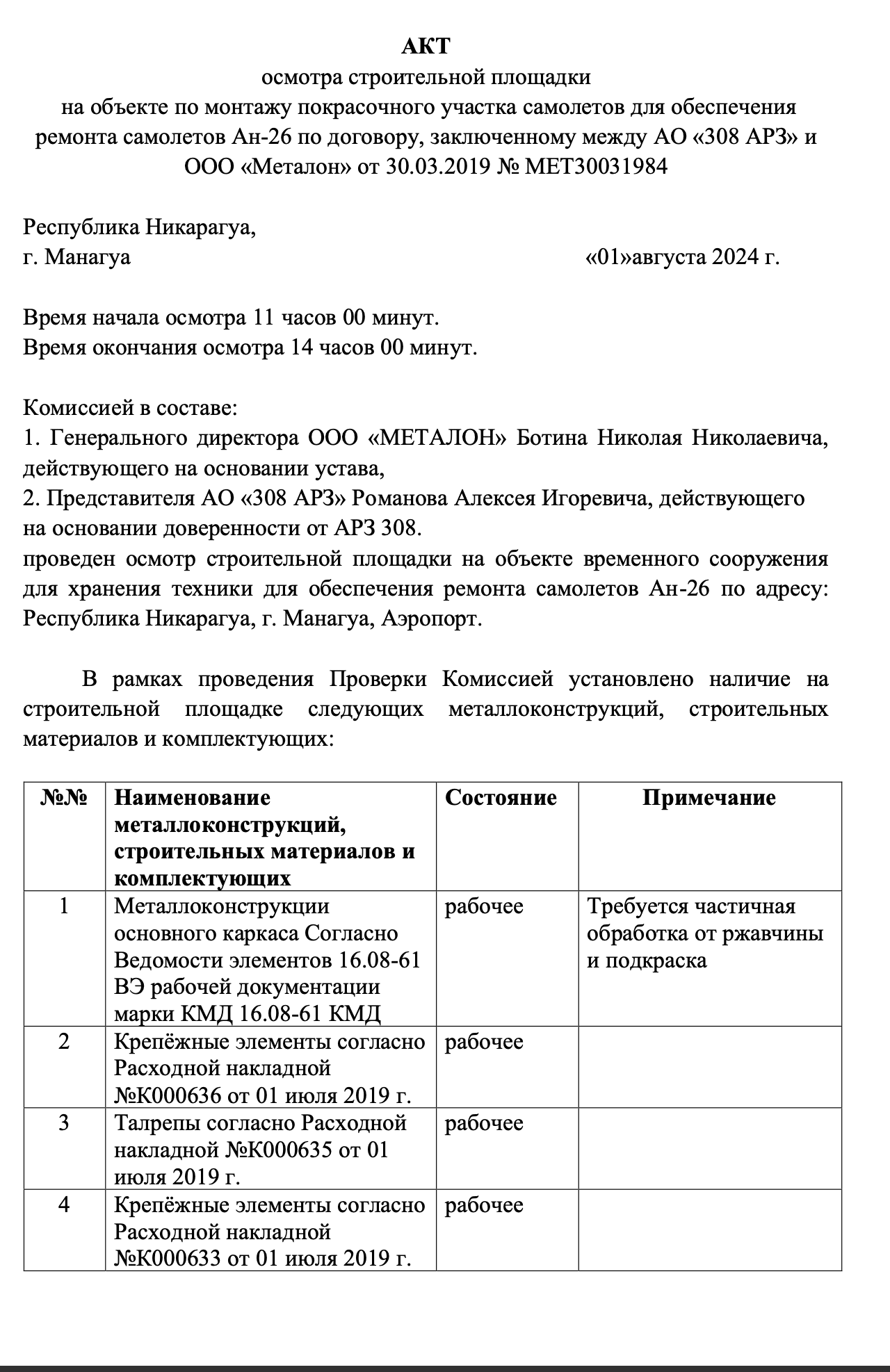
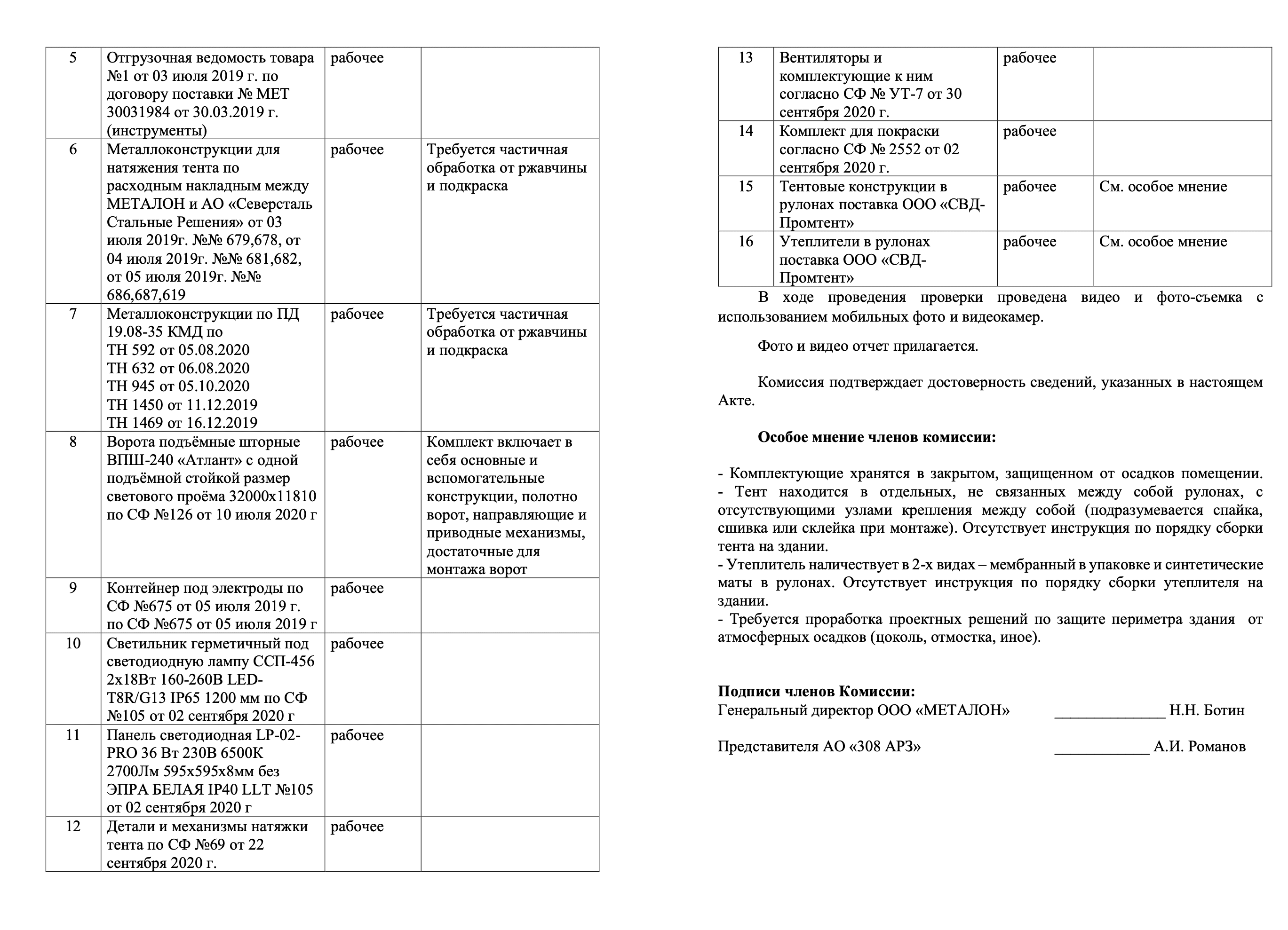
These documents demonstrate that Moscow deliberately financed the construction of military infrastructure in Nicaragua at the state level and entirely with Russian public funds.
Nicaragua’s political situation
The Nicaraguan regime today not only represses its own population but also contributes to regional instability by fueling migration flows to the United States—reasons for which the country has repeatedly come under US sanctions. Sanctions have targeted not only local structures and regime representatives but also Russian entities.
In 2024, the United States imposed sanctions on the Russian Interior Ministry’s training center in Managua, as well as on the companies COMINTSA and Capital Mining. “The Office of Foreign Assets Control (OFAC) continues to restrict the Daniel Ortega regime in Nicaragua and its ability to manipulate the gold industry and profit from corrupt operations,” the statement read.
The US Treasury clarified that the Russian Interior Ministry’s training center is based in Nicaragua’s capital, where local security forces are trained in repressive tactics already used by Russia’s own authoritarian regime. US officials described this structure as a key instrument of repression against Nicaraguan civil society.
Nicaragua is one of the few countries on the South American continent with distinct geographic advantages, including gold, tourism, fishing, and access to both the Atlantic and Pacific Oceans. Yet Ortega’s regime has for decades traded these opportunities for political stability and the consolidation of its own power.
Despite its development potential, 40% of Nicaragua’s population lives below the poverty line, and young people continue to flee to the United States en masse. Whether Ortega’s regime and its allies are genuinely interested in the country’s economic development is a rhetorical question.
Moscow, meanwhile, continues to cooperate with regimes like Ortega’s much as it did during the Cold War—bolstering them with financial and military resources in exchange for political loyalty and the recognition of its destabilizing global agenda.
Discuss this article:


-c439b7bd9030ecf9d5a4287dc361ba31.jpg "Photo of Katherina Popilnichenko")