- Category
- Latest news
Russia Deploys Ultra-Light Shahed-107 Drones Built for Deep Logistics Strikes
 Prefer U24 Media on Google
- Authors


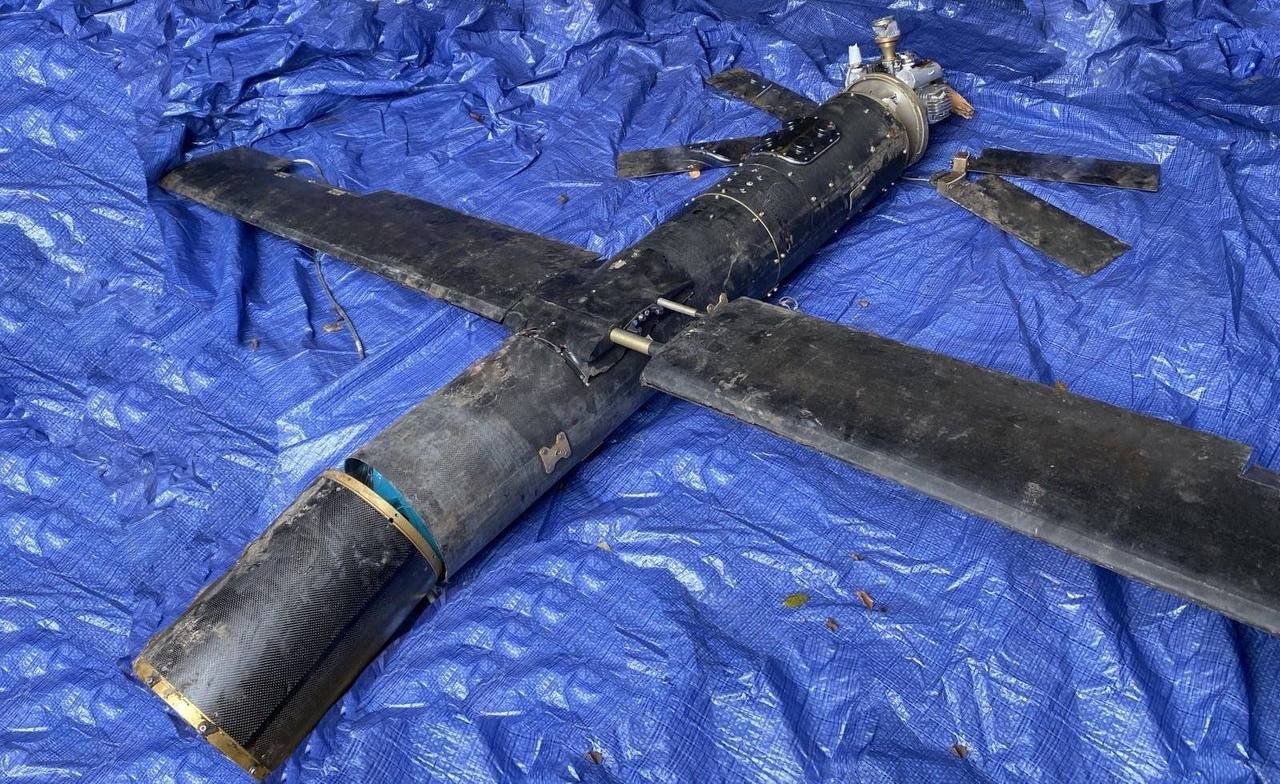
Russia has intensified its use of Iranian-made Shahed‑107 drones in front-line areas of Ukraine, with the new loitering munitions increasingly deployed to strike logistics routes and rear-area infrastructure.
According to Ukrainian radio electronics expert Serhii Flash, several Shahed‑107 drones used in recent strikes were manufactured in Iran in 2024 and later transferred to Russian forces.
Flash, who published images of drone wreckage found in Ukraine, warned that Moscow may attempt to launch domestic production of the model.
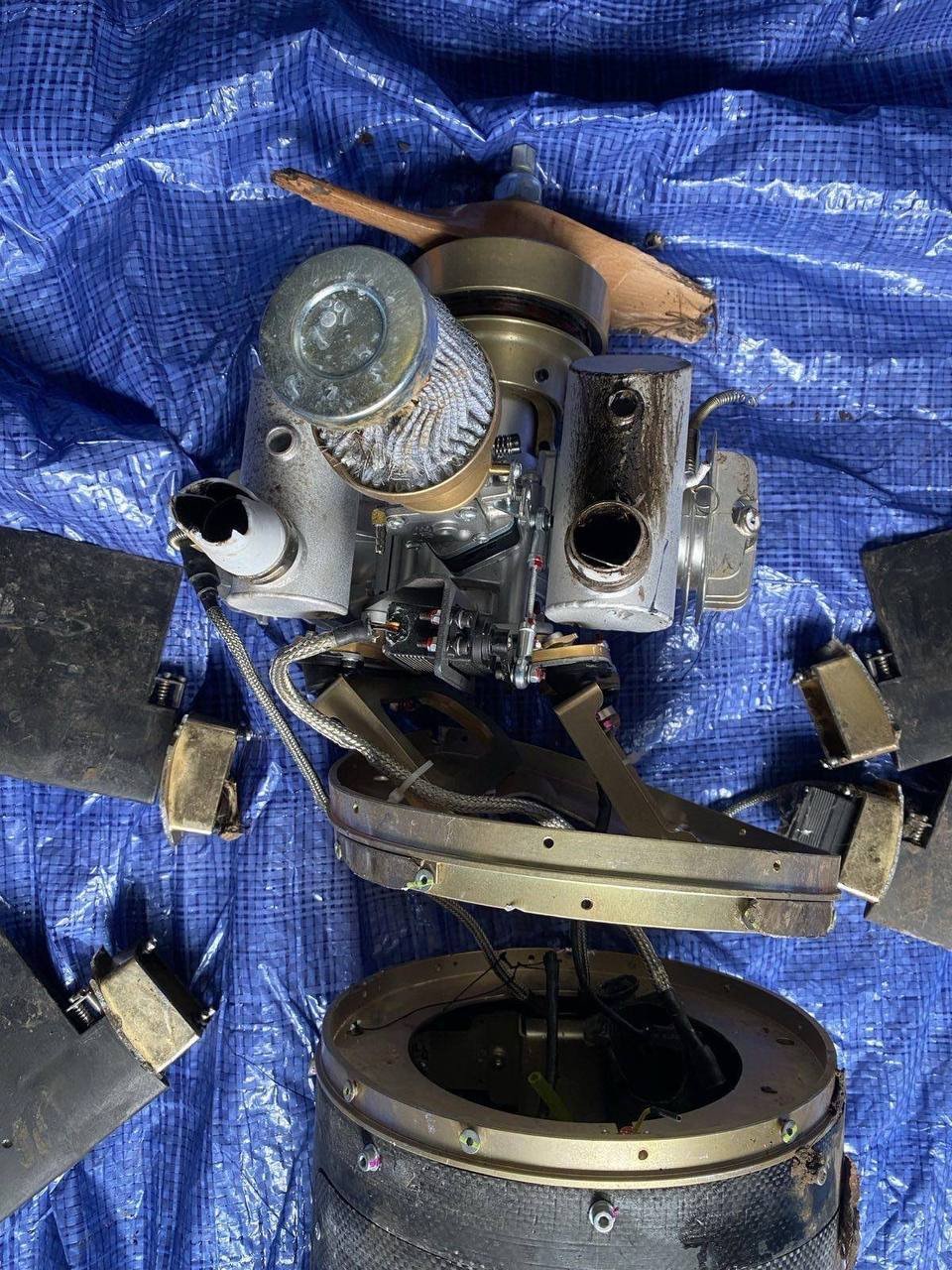
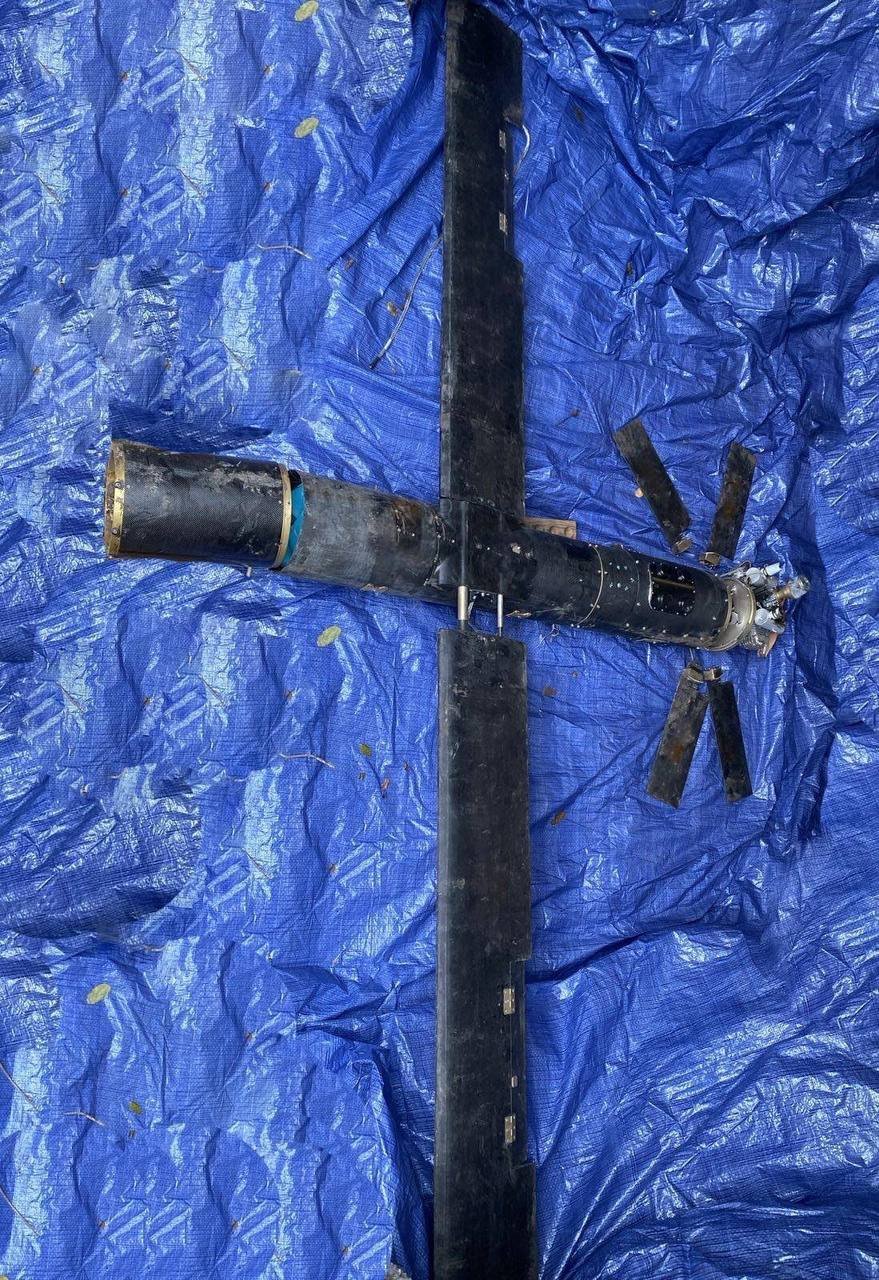
Independent researchers, including the “Mines and Sandwiches” analysis group, have released technical assessments of the Shahed‑107, while open-source defense observers have documented its similarities to other Iranian drone designs.
The Shahed‑107—also known under the alias “Murad‑5” in Iraq—is a small, fixed-wing suicide drone equipped with an 8 to 9 kg high-explosive fragmentation warhead. It has a cylindrical fuselage, mid-rear mounted wings, and four cruciform tail fins.
Typically launched by a catapult system, the UAV has an estimated range of 600 to 800 kilometers and cruises at around 120 km/h. It can reach altitudes up to 3,000 meters.
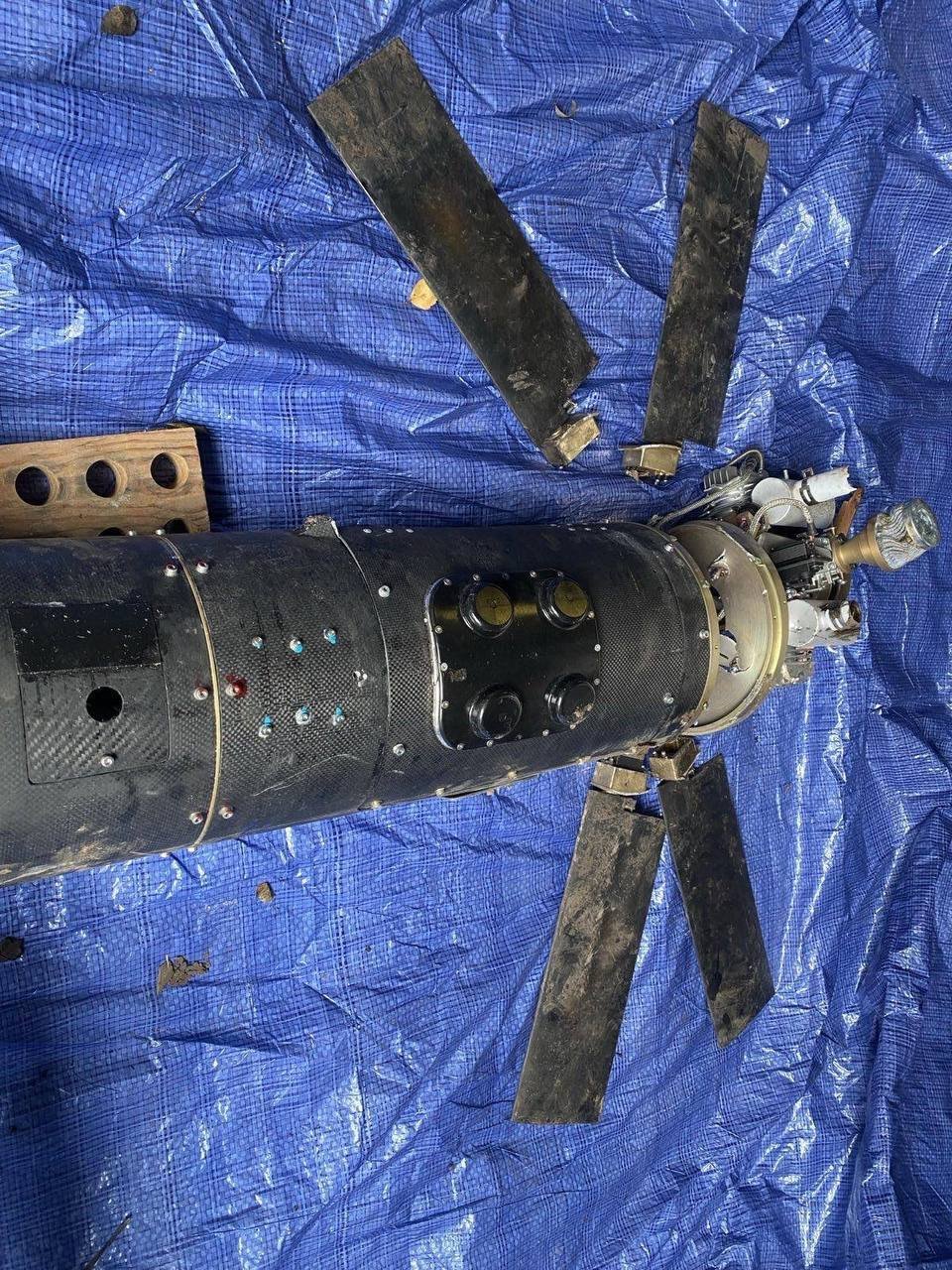
Defense analysts believe the drone uses a combination of inertial navigation and GPS, possibly enhanced by a four-element CRPA (Controlled Reception Pattern Antenna) system to resist jamming, according to Flash.
Physically, the Shahed‑107 measures 1.6 meters in length with a wingspan of 2.5 meters and a total launch weight of around 26 kg.
While the system’s full guidance and targeting capabilities remain under study, Ukrainian military experts say its role appears focused on “middle strike” operations—attacks against targets located 100 to 300 kilometers behind the front line, particularly supply depots, transit hubs, and fuel or ammunition stockpiles.
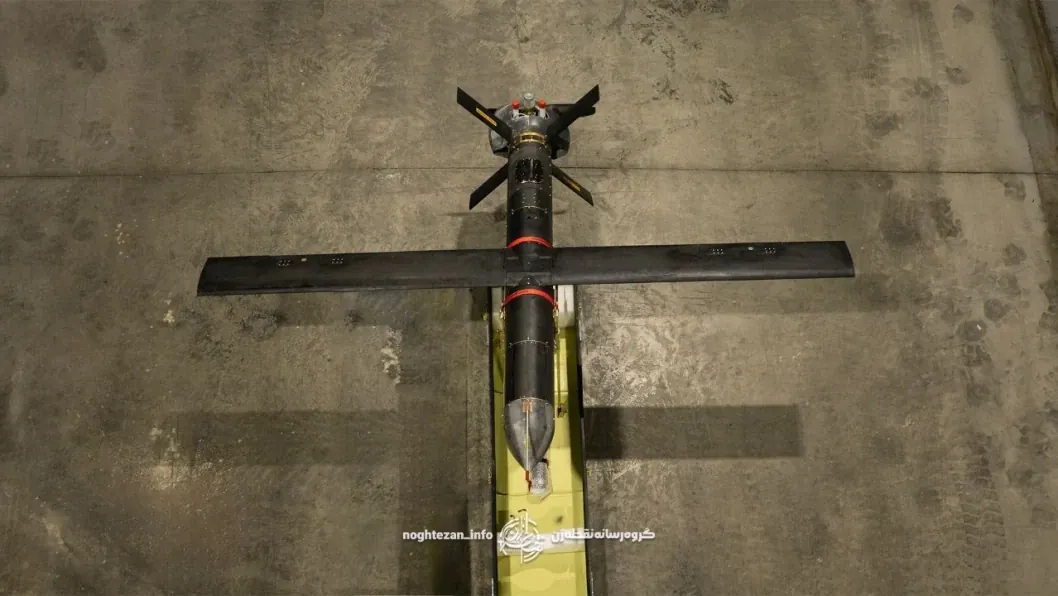
The Shahed‑107 is part of a broader family of Iranian-origin drones used in asymmetric warfare by Tehran and its allies. Observers note its visual and technical similarities to the smaller Houthi Khatif‑2 drone and the larger Meraj‑532 loitering munition, which Iran has showcased in past exhibitions.
Earlier, Russia began deploying jet-powered variants with onboard cameras, remote-control antennas, and significantly higher speeds—up to 500 km/h—enabling them to track and strike moving targets in real time.
Discuss this article:


-6b3c58bbcf8c8f2f38775f349181b1ab.jpg "Recruits, supervised by instructors, cover a distance on Day Zero of Basic Military Training at the 118th Separate Mechanised Brigade of the Ukrainian Armed Forces on April 5, 2026. (Source: Getty Images)")