- Category
- War in Ukraine
Russia’s New Jet-Powered Shahed Drones Can Now Hunt Moving Targets
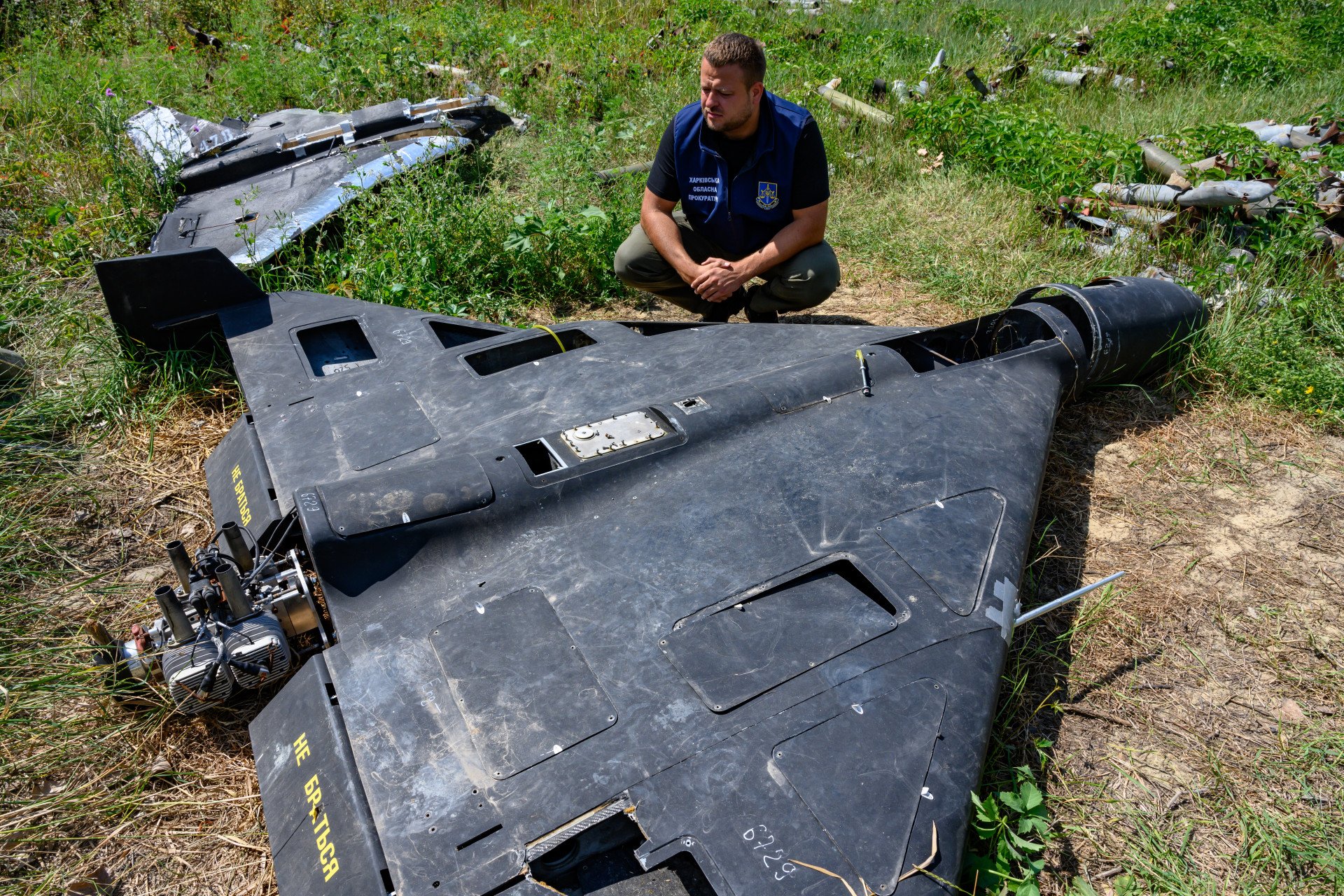
Russia is racing to turn its Shahed drones into jet-powered, remotely controlled weapons designed to devastate cities, shatter energy networks, and terrorize civilians.
 Prefer U24 Media on Google
- Authors

-29a1a43aba23f9bb779a1ac8b98d2121.jpeg "Photo of Illia Kabachynskyi")
The Shahed drone was originally developed in Iran and sold to Russia in 2022. For Tehran, it became a way to secure financial inflows and gain access to sensitive information (with suspicions that the Kremlin is assisting with nuclear weapons expertise). For Moscow, it provided ready-made drones without the delays of domestic development.
From slow to swarm
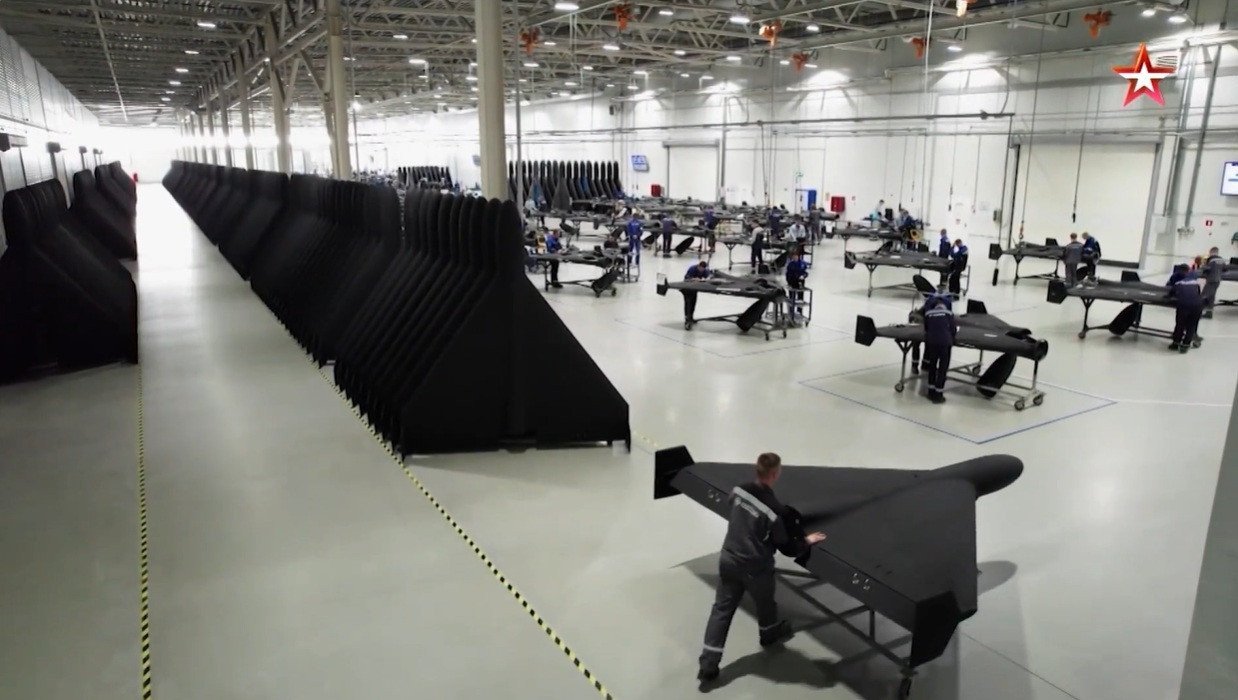
The drones that began striking Ukrainian cities in the fall of 2022 have little in common with the versions Russia is deploying today. Over three years of use, they have undergone radical upgrades. Most importantly, Russia has shifted to mass production—capable of turning out more than 200 units per day.
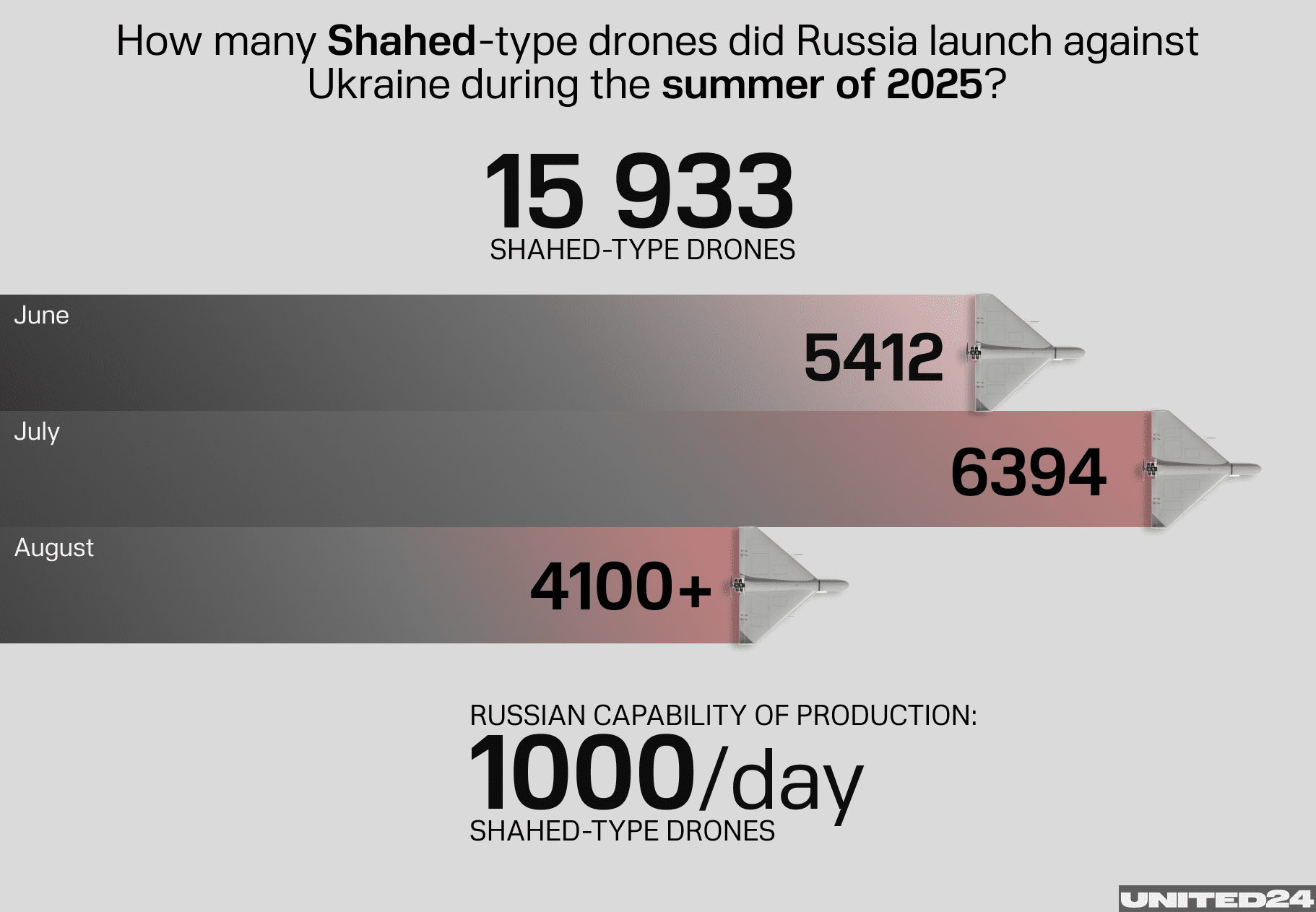
The statistics are stark: 15,933 Shahed launches against Ukraine in just three summer months. In July alone, 6,394 attacks were recorded; in June, 5,412; and in August, just over 4,100—likely due to ongoing negotiations. The most massive strikes involve 500–700 drones, often used in combination with cruise and ballistic missiles. Russian production is expected to reach as many as 1,000 drones per day in the near future.
It’s not only production scale that has evolved—the drones themselves have changed. Last year, reports confirmed that the warhead size had nearly doubled.
Later, it emerged that Russia was testing jet-powered Shaheds. The new engines boost speeds more than twofold—from 170–200 km/h to nearly 500 km/h. This upgrade directly counters one of Ukraine’s defenses: interceptor drones. These were developed in response to mass attacks and shifting tactics, since mobile fire teams with heavy machine guns couldn’t reach high-flying drones, and supplies of cheap anti-air missiles were insufficient.
Innovation theft
Russia seems to have borrowed this idea from Ukraine. In 2024, Ukrainian engineers unveiled the “Palianytsia” rocket drone, equipped with a jet engine and significantly faster than conventional drones. Moscow adapted this technology to its existing design.
But the modernization didn’t stop there. Photos taken during a recent attack revealed two more upgrades: onboard cameras and modem antennas.
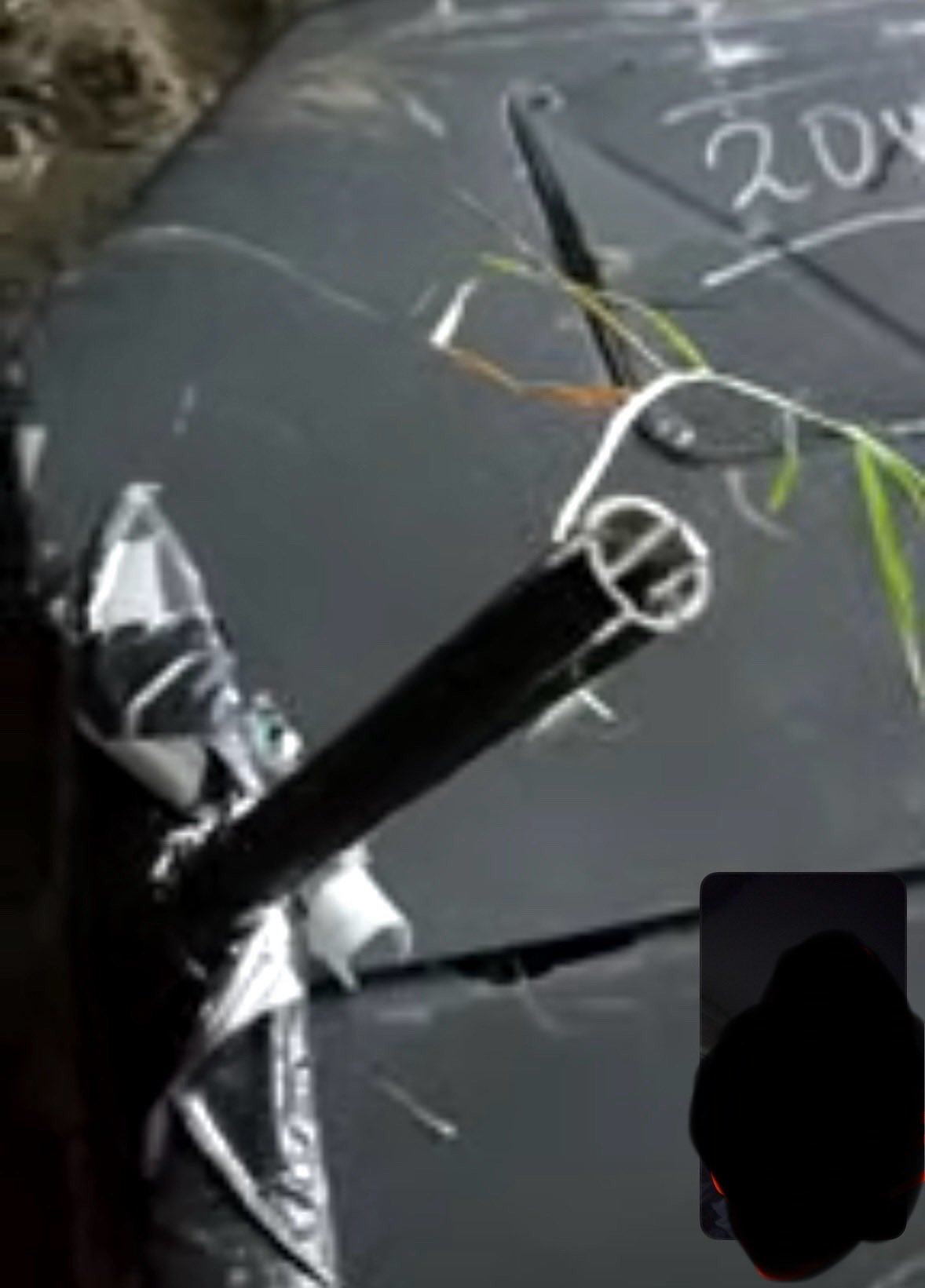
This indicates that Shaheds are now capable of remote control. Previously, they followed preprogrammed routes. The new capability is highly dangerous, allowing operators at a safe distance to monitor conditions in real time, alter attack strategies, or even redirect drones to new targets.
Moreover, with cameras, remote piloting, and higher speeds, Shaheds can now strike moving targets—vehicles, equipment, even helicopters. Practically anything short of airplanes, which typically fly faster, is now vulnerable. This significantly increases the drone’s lethality.
Can Ukraine hit back?
For Ukraine, securing additional air defense systems is critical—particularly those capable of countering simultaneous, large-scale Shahed swarms targeting cities and critical infrastructure. Despite negotiations, Russia keeps striking power plants, energy facilities, and even residential areas, universities, and medical facilities while Ukraine’s defenses remain thin. Meanwhile, Moscow is scaling production further, with factories working around the clock.
The only other viable option is destroying the production sites themselves—but that would require large stockpiles of long-range weapons, as well as approval for their use.
Discuss this article: