- Category
- Latest news
How Ukraine Uses One Patriot Missile Per Target to Stop Russian Ballistics
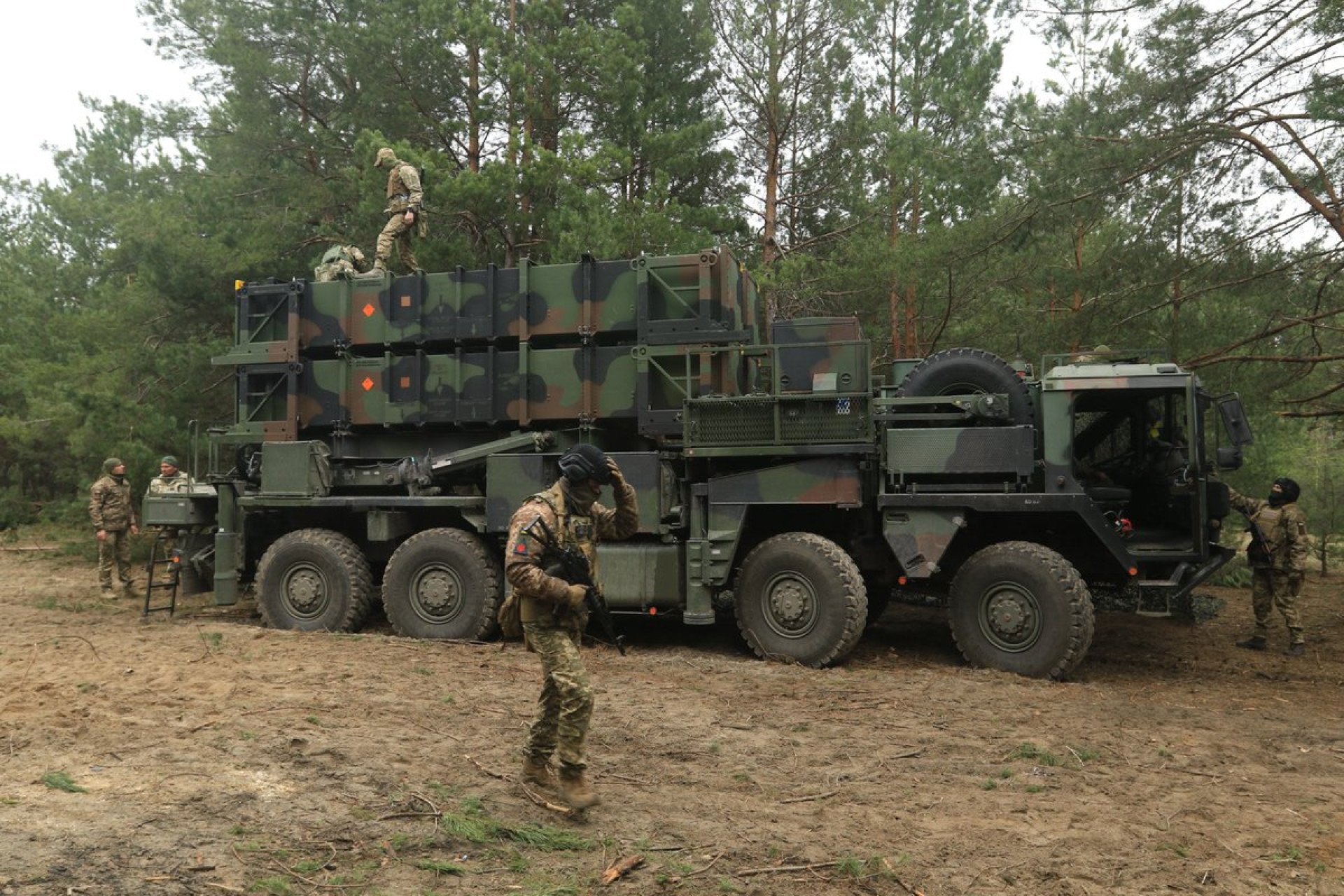
Ukraine is intercepting Russian ballistic missiles using just one Patriot interceptor per target—a high-risk tactic driven not by doctrine, but by a critical shortage of air-defense missiles as large-scale strikes continue.
 Prefer U24 Media on Google
- Authors




Ukrainian air defense crews have demonstrated how they are intercepting ballistic threats even under severe shortages of interceptor missiles for the Patriot system, according to newly released combat footage from the 96th Kyiv Anti-Aircraft Missile Brigade showing nighttime operations on February 12.
During that attack, Russian forces launched a large-scale strike focused on Kyiv, Kharkiv, Dnipro, and Odesa, firing 24 ballistic missiles, one guided Kh-59 missile, and 219 long-range drones.
We bring you stories from the ground. Your support keeps our team in the field.
Ukrainian defenders succeeded in intercepting 15 ballistic missiles, the Kh-59 missile, and 197 drones, highlighting the continued effectiveness of layered air defense despite limited resources, Defense Express noted.
Patriot hit-to-kill intercepts caught on video
The released footage shows Patriot interceptors engaging ballistic targets likely launched from Iskander-M systems and possibly S-300 or S-400 platforms.
The intercepts appear to use MSE missiles, which rely on hit-to-kill kinetic interception—destroying incoming warheads through direct impact rather than fragmentation.
This capability sharply distinguishes the MSE from the GEM-T interceptor, which is primarily designed to defeat aerodynamic threats and can only damage ballistic missiles through fragmentation. Even when deflected, a ballistic missile struck by GEM-T may still fall and detonate on the ground.
Although the MSE destroys targets through collision, it still carries a Lethality Enhancer warhead to increase the probability of complete destruction.
We salute the warriors of the Anti-Aircraft Missile Forces — the reliable shield of Ukraine’s skies! pic.twitter.com/ZUsotugCo5
— Ukrainian Air Force (@KpsZSU) July 3, 2025
One interceptor per target under wartime pressure
Perhaps the most striking detail is Ukraine’s interceptor usage.
The footage indicates a single Patriot missile is being fired at each ballistic target.
Under standard doctrine, intercepting a ballistic missile typically requires two MSE interceptors, and in especially complex scenarios up to four, ensuring a second launch if the first misses.
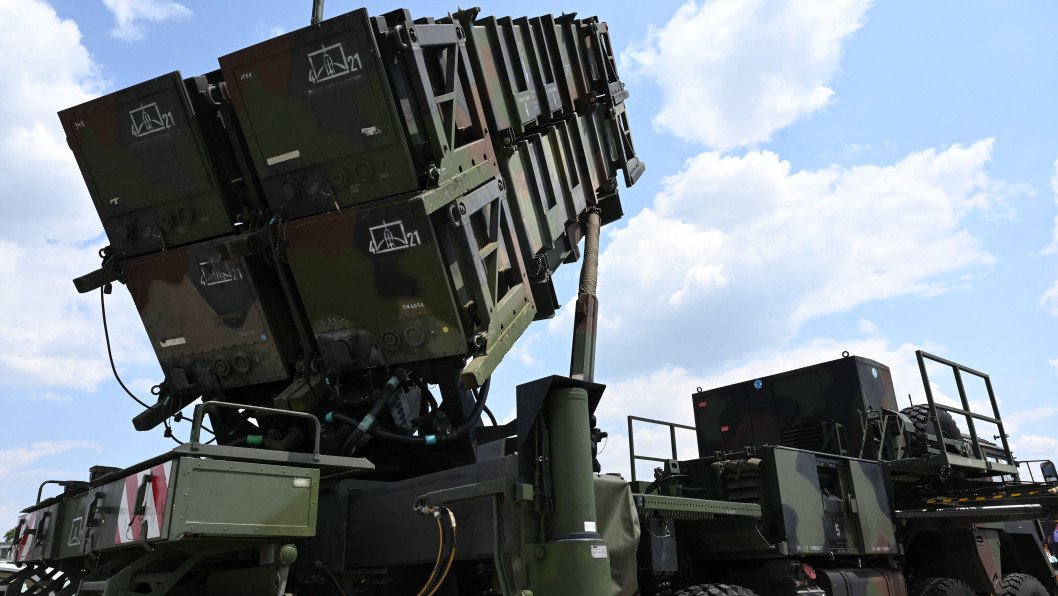
Ukraine, however, does not have that luxury. Because of the acute shortage of Patriot interceptors, air defenders are forced to rely on one-to-one engagements to conserve missiles while still protecting cities.
The shortage is so severe that even small resupply discussions carry weight.
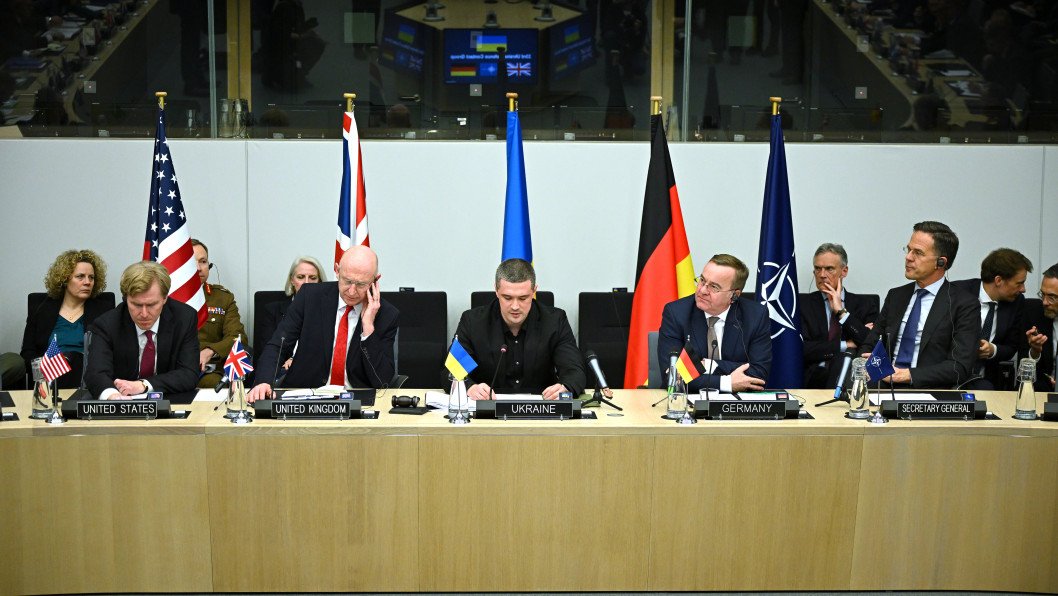
Germany has signaled it could transfer five Patriot missiles—but only if other partners collectively provide around 30 additional interceptors.
Adapting tactics in a missile-scarce war
The footage underscores a broader reality of the war: Ukraine is being pushed to rewrite air-defense tactics in real time, balancing limited interceptor stockpiles against continued large-scale ballistic attacks.
Despite those constraints, Ukrainian crews continue to achieve successful intercepts—demonstrating both technical effectiveness and operational adaptation under pressure.
Earlier, Ukraine’s Air Force confirmed that one of its Patriot missile defense units intercepted more than 140 Russian ballistic missiles.
Discuss this article:



-c439b7bd9030ecf9d5a4287dc361ba31.jpg "Photo of Katherina Popilnichenko")