- Category
- War in Ukraine
What Russia-Belarus Zapad 2025 Is and How It Echoes Pre-War Drills
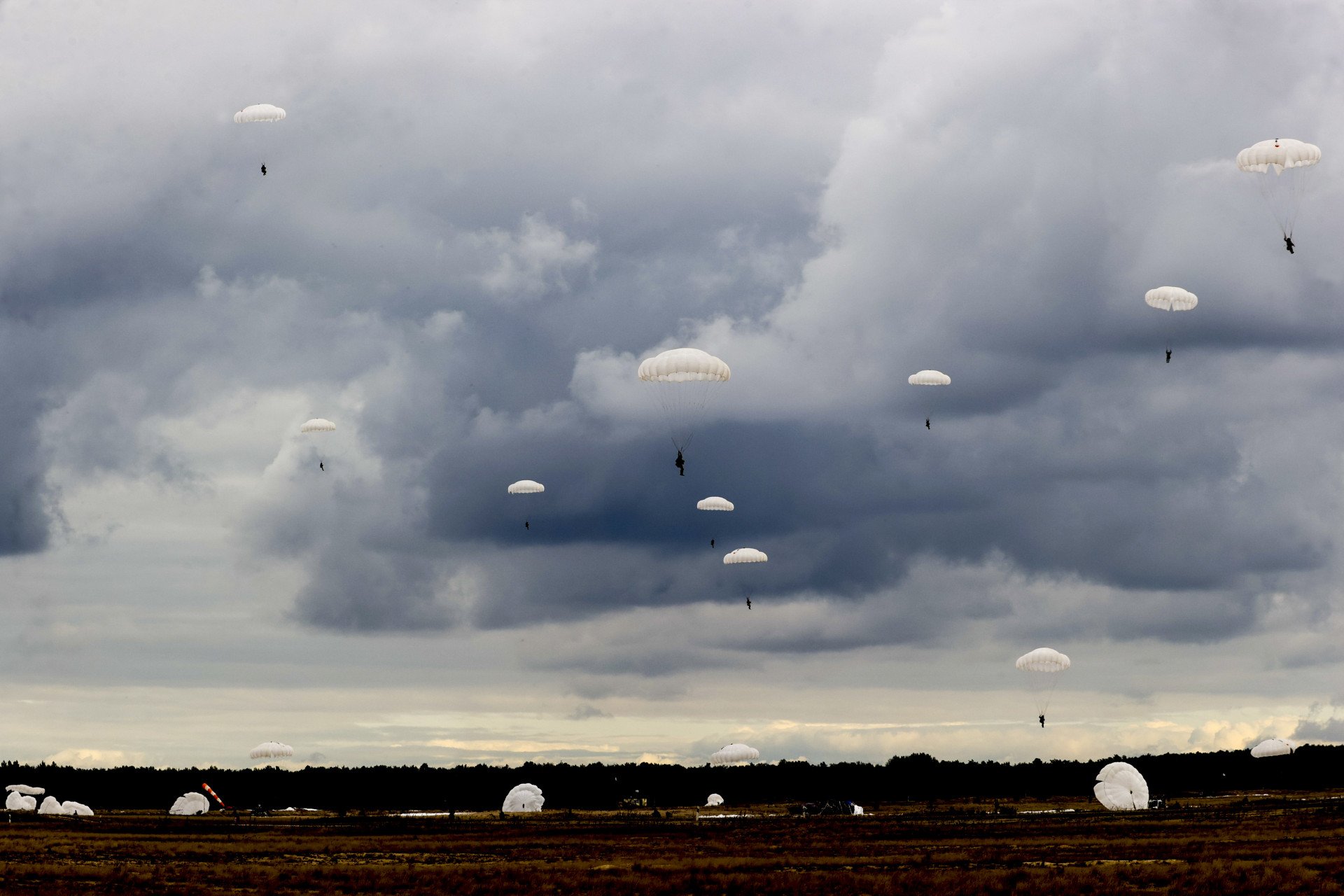
Zapad 2021 ended with Russia’s full-scale invasion of Ukraine. Zapad 2017 rehearsed the capture of the Baltics. Zapad 2013 foreshadowed Russia’s aggression in Crimea. Zapad 2009 simulated a nuclear strike on Poland. What will Zapad 2025 bring?
 Prefer U24 Media on Google
- Authors

-29a1a43aba23f9bb779a1ac8b98d2121.jpeg "Photo of Illia Kabachynskyi")
Russia and Belarus will hold joint exercises, Zapad 2025, between September 12 and 16.
The stated purpose of these drills is to practice defensive actions in the event of an escalation and an attack on Russia’s ally, Belarus. The country’s long-standing leader, Alexander Lukashenko, insisted that the exercises pose no threat to neighbors—Poland and the Baltic states—and even promised to conduct them far from the borders. His calming rhetoric is nothing but a façade: four years ago, he assured neighbors they had nothing to fear. Soon after, Russia’s army attacked Ukraine from Belarusian territory.
Based on the history of such drills and the details of this year’s plan, every one of Lukashenko's claims collapses under scrutiny.
For instance, Russia may reportedly once again test its “Oreshnik” intermediate-range hypersonic missile during the drills. No details were provided, but the weapon can travel over 5,000 kilometers and carry a nuclear warhead.
Around 13,000 troops are expected to participate, but experts note that the real number is usually much higher—Russia deliberately conceals the true size of its deployments. Some of the Russian forces assigned to these drills previously took part in the invasion of northern Ukraine in 2022.
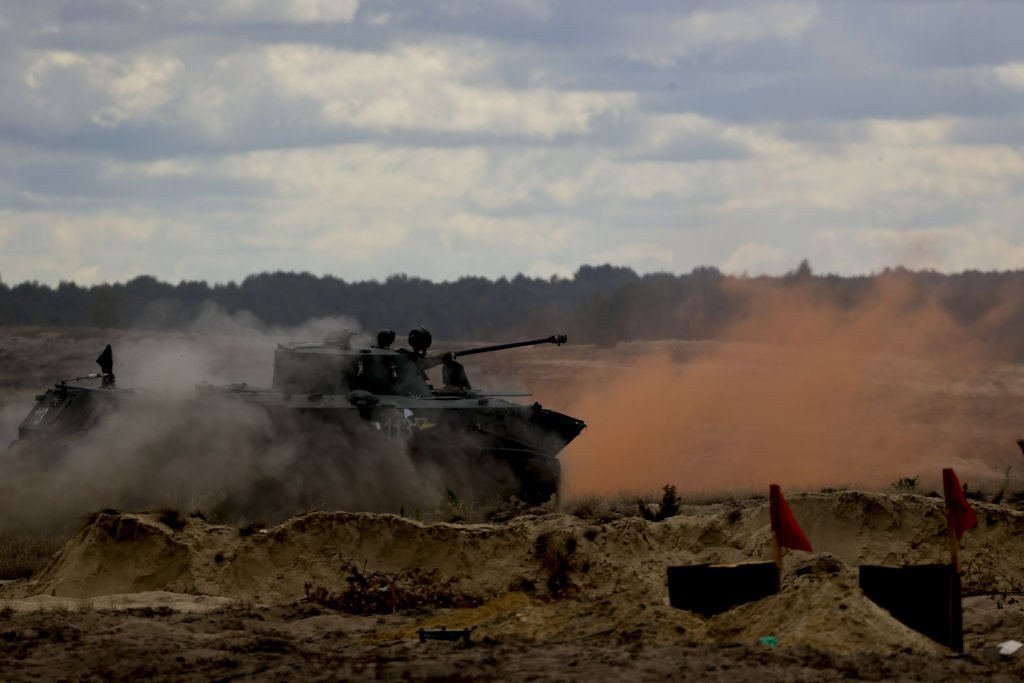
Belarus plays a dual role in these exercises: as a staging ground and as a key element of propaganda. In a recent interview with Time magazine’s Simon Shuster, Lukashenko tried to cast himself as a peacemaker, claiming to seek stability. Yet history shows that his words are meaningless compared to his actions.
A case in point: in 2021, during Zapad 2021, Lukashenko publicly promised that Russian troops would withdraw after the drills. They didn’t. Just months later, tens of thousands of Russian soldiers and thousands of units of military equipment advanced into Ukraine’s Kyiv and Chernihiv regions from Belarusian soil. Lukashenko became an accomplice to the war and to the killing of thousands of Ukrainians in the north.
The Zapad 2021 drills also practiced airborne landings and rapid seizures of infrastructure—precisely the tactics Russia attempted in Hostomel during the first days of the war.
Drills as preparation for war
The 2022 invasion was not the first case of Russian “exercises” turning into actual combat operations. Georgians recall July–August 2008, when Russia staged Kavkaz-2008 drills under the pretext of counterterrorism. But just a week after they ended, Moscow launched its war against Georgia.
In 2013, during Zapad 2013, the official narrative was again about fighting “terrorists.” The scenario described extremists and bandits infiltrating Belarus. Within months, Russia applied a similar script in Crimea and eastern Ukraine, deploying troops, mercenaries, and equipment under the guise of “local fighters.”
In February 2022, Russia abruptly announced another joint drill with Belarus, Union Resolve 2022. This time, Moscow dispensed with elaborate cover stories, instead adding a large naval component in the Black Sea. Just four days after the exercise concluded, Russia launched its full-scale invasion of Ukraine, firing missiles, sending troops south, east, and north—including from Belarusian territory.
A threat to NATO
Zapad drills also raised alarm in 2017, when Russia practiced a full-scale war scenario. Moscow and Minsk claimed to be defending against fictional states—Veyshnoria, Vesbaria, and Lubenia—thinly veiled stand-ins for Lithuania, Latvia, Estonia, and parts of Poland. Subsequent analysis revealed that Russia had been rehearsing plans to capture the Baltic states and cut off the Suwałki Gap, NATO’s most vulnerable corridor. The exercises even included simulated strikes on military infrastructure in Germany and the Netherlands with cruise missiles.
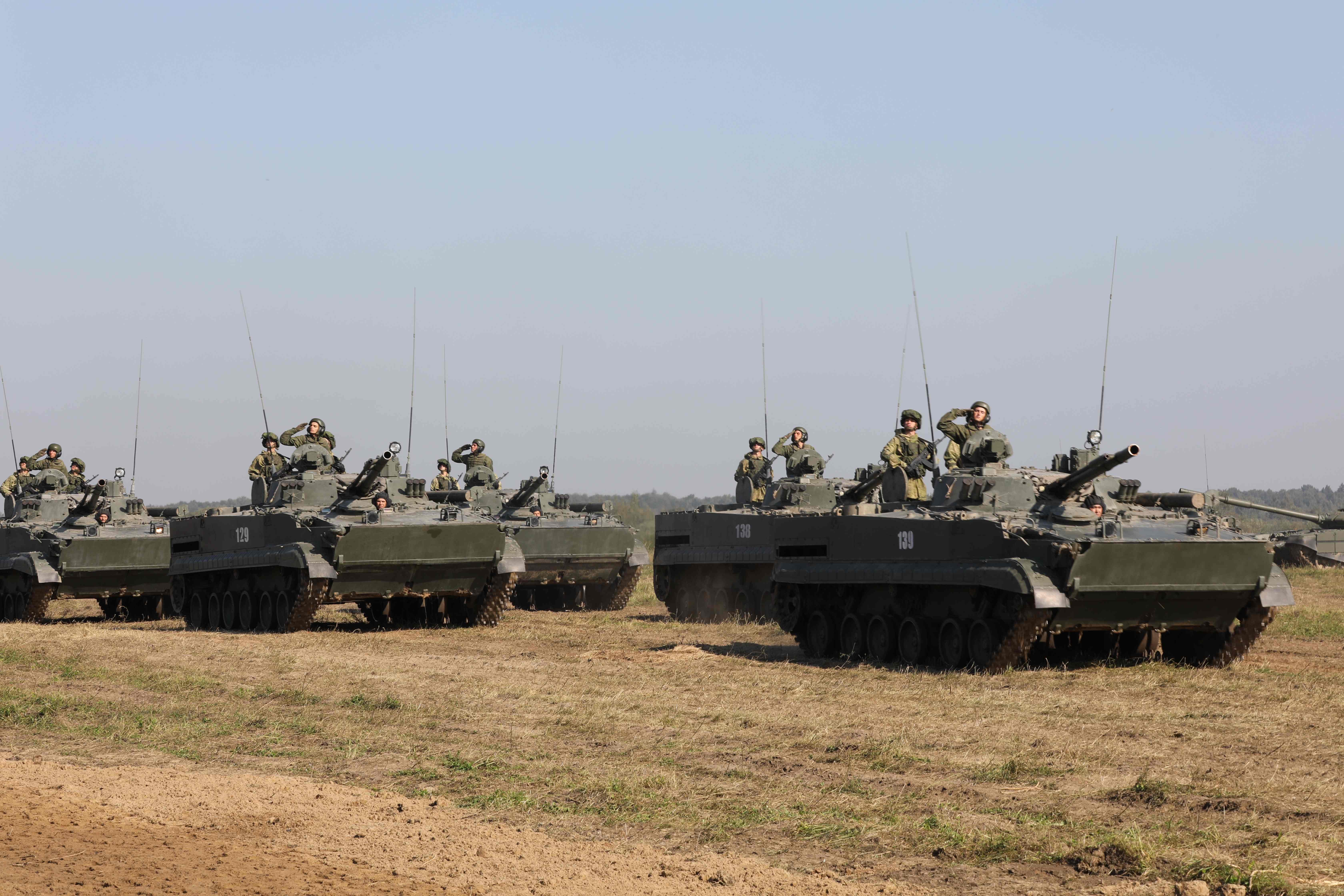
While Moscow officially claimed only 13,000 participants, in reality, up to 48,000 troops were reportedly mobilized and likely over 20,000 involved, including units tasked with launching nuclear-capable ballistic missiles. The drills aimed at rehearsing the rapid seizure of the Baltics and crippling Europe’s military infrastructure—leaving NATO unable to act on Article 5 because there would be no means to provide assistance.
The precise scenario of Zapad 2025 remains unknown. But, as always, Russia will present it as “defensive,” and Lukashenko will reassure neighbors that there is no danger. A more realistic view, however, is that the exercises could serve as a platform for hybrid warfare.
That could include spoofing and cyberattacks, provocations at borders, drills conducted dangerously close to NATO frontiers, violations of airspace with drones and fighter jets, or demonstrative use of ballistic and cruise missiles.
Russia’s underlying goal is to test NATO unity and its reaction to acts that could be interpreted as military aggression. After more than three years of full-scale war, Vladimir Putin has repeatedly seen how weak that reaction is. Russian missiles and drones have already landed in Poland and Romania, and recently, a drone with explosives fell in Lithuania. NATO’s response has been limited to condemnation.
For the first time since 2022, Russia’s major military drills will take place in immediate proximity to Europe. That doesn’t mean war will start instantly. But it does signal that it could begin in the near future.
Discuss this article:
-c439b7bd9030ecf9d5a4287dc361ba31.jpg "Photo of Katherina Popilnichenko")