- Category
- Latest news
Germany Drafts Secret 1,200-Page War Plan to Rush 800,000 NATO Troops East
 Prefer U24 Media on Google
- Authors


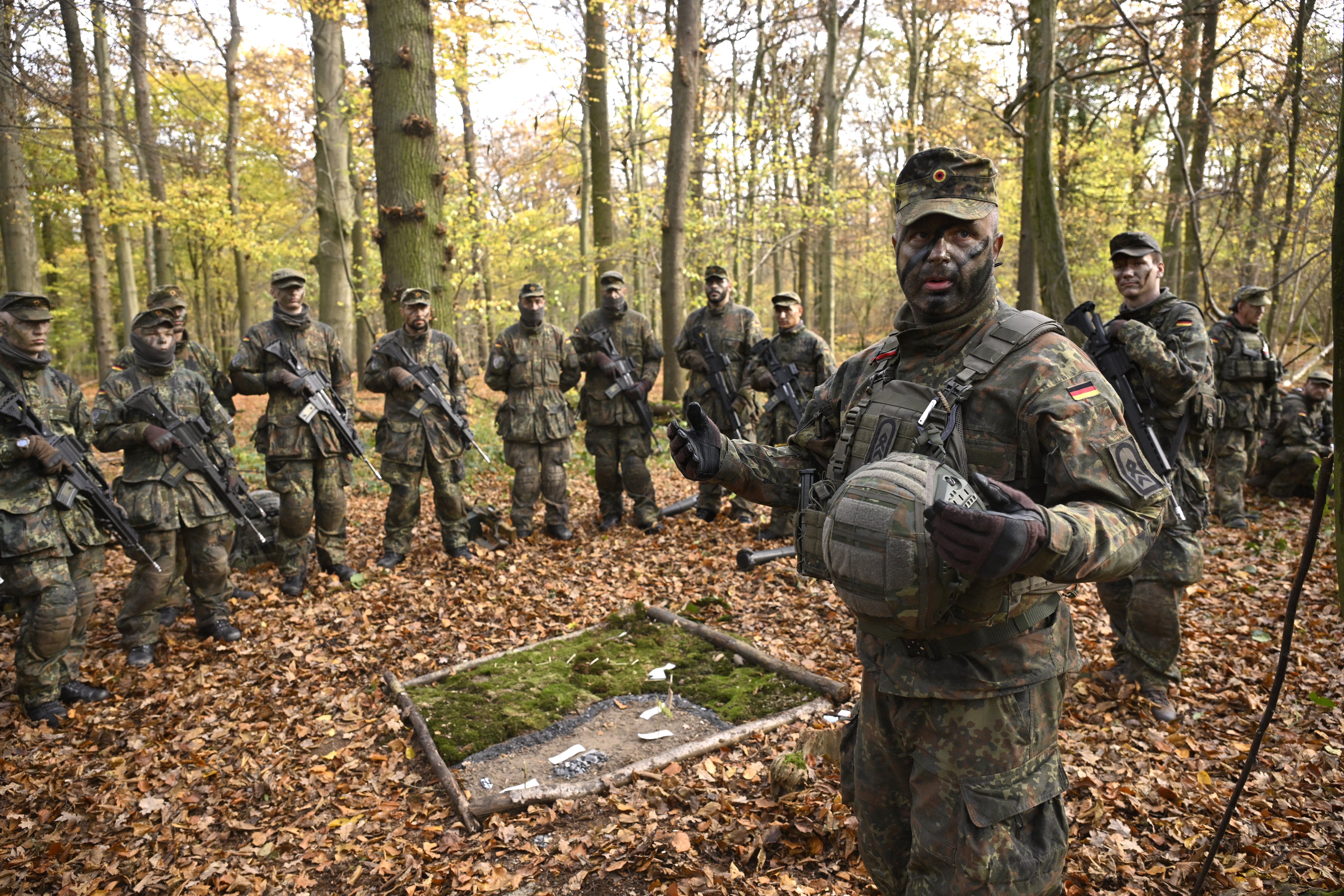
Germany has drawn up a sweeping, classified 1,200-page wartime logistics plan detailing how NATO would surge up to 800,000 troops across German territory if Russia launched an attack on the alliance, The Wall Street Journal reported on November 27.
The internal blueprint—known as “Operation Plan Germany” or OPLAN DEU—outlines the ports, rail networks, river routes, and highways that would serve as NATO’s main artery to the eastern front.
We bring you stories from the ground. Your support keeps our team in the field.
The plan marks Europe’s clearest shift back to a Cold War–style posture, in which civilian infrastructure is expected to function as part of a continent-wide military machine.
It also reflects a rapidly changing threat environment. German officials and NATO commanders now warn that Russia may be able—and willing—to strike within two to five years. Some fear that if Russia pauses its offensive in Ukraine, it could rebuild and pivot toward a confrontation with NATO sooner.
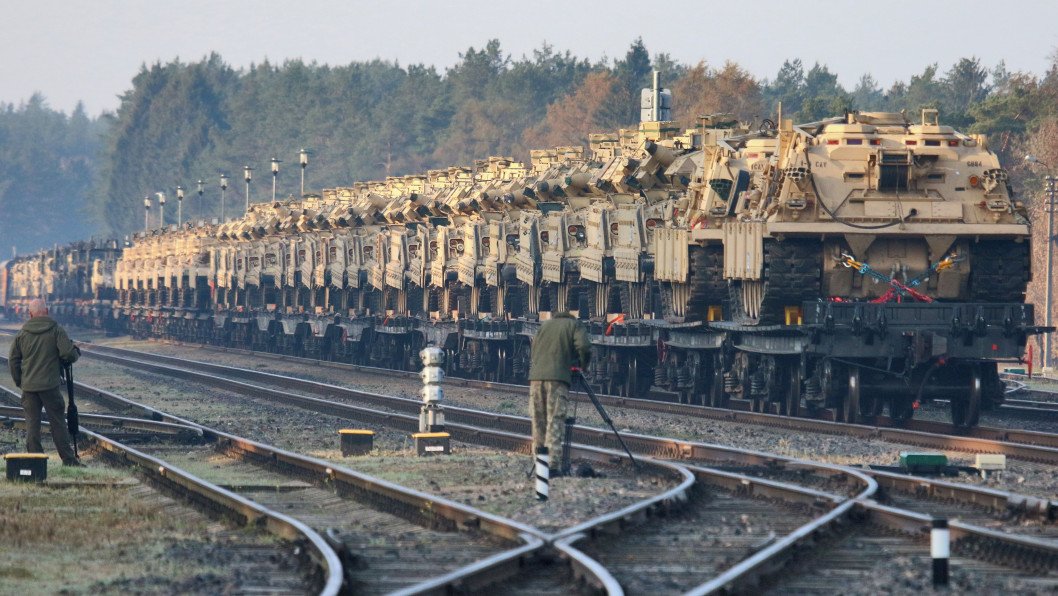
“Look at the map,” said Tim Stuchtey, head of the Brandenburg Institute for Society and Security. With the Alps blocking the south, NATO forces “would have to cross Germany … regardless of where [a conflict] might start.”
The plan’s authors stress that Germany will be the alliance’s central transit hub. But decades of underinvestment have left bridges, railways, ports and autobahns in poor shape—a major vulnerability that Russia already appears willing to exploit through sabotage, cyberattacks and GPS interference across Europe.
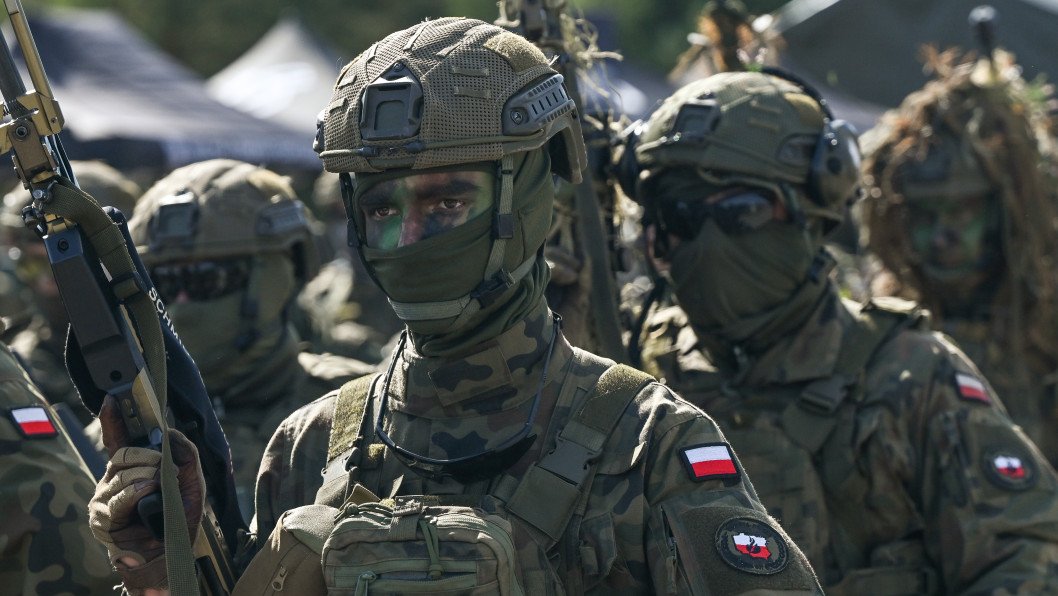
Lt. Gen. Alexander Sollfrank, responsible for preparing the Bundeswehr for large-scale operations, warned earlier this month that Russia “could begin an attack on NATO territory of limited scale as early as tomorrow.”
One senior Bundeswehr officer involved in writing OPLAN DEU summed up the strategy: “The goal is to prevent war by making it clear to our enemies that if they attack us, they won’t be successful.”
Earlier, Belgium, Germany, and the Netherlands agreed to reopen the historic Iron Rhine railway to enhance military mobility in Europe amid growing security concerns over Russia.
Discuss this article: