- Category
- Latest news
Western Allies Draft Three-Tier Security Plan for Post-War Ukraine
 Prefer U24 Media on Google
- Authors


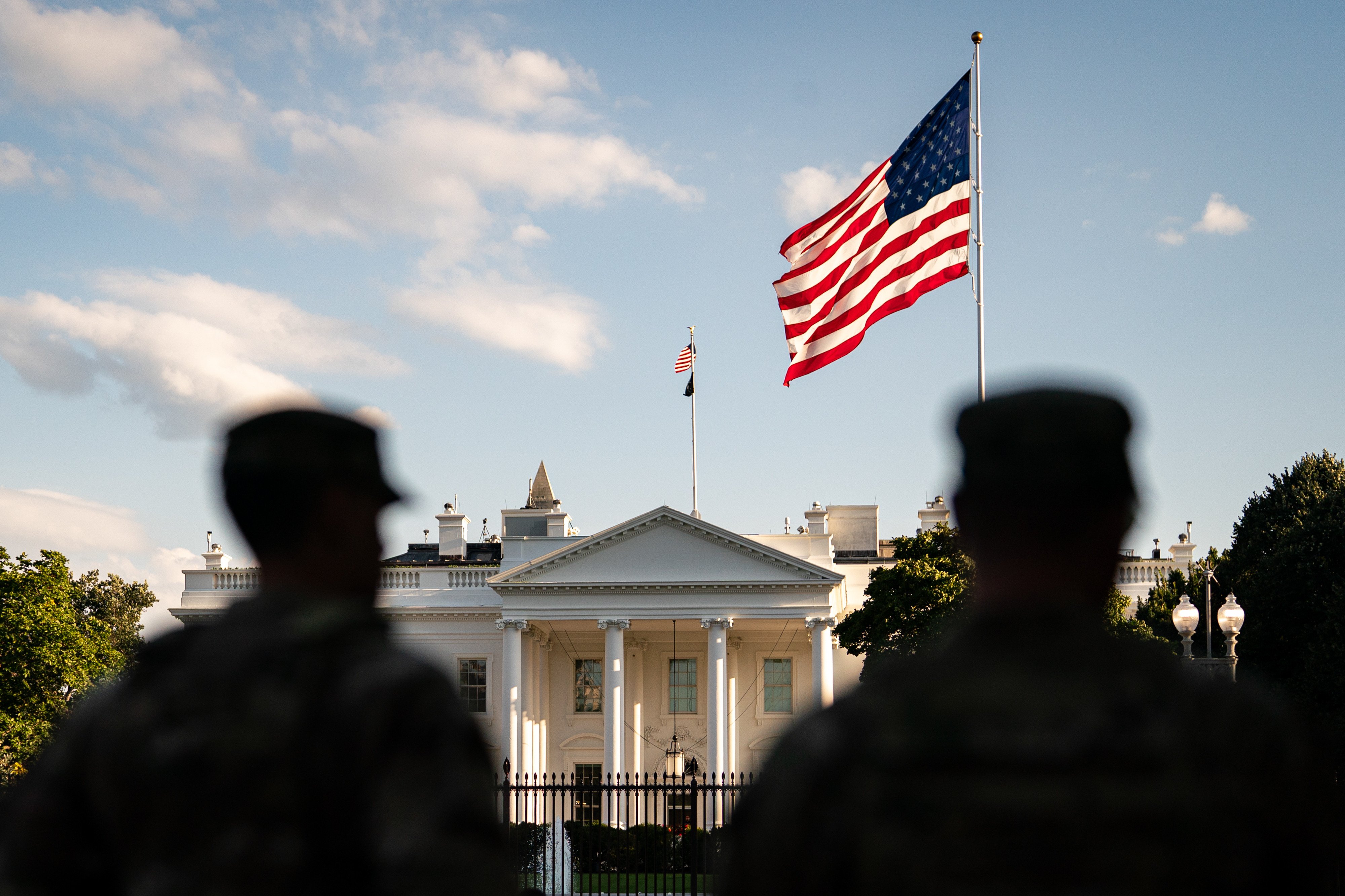
Western partners have drafted a preliminary three-tier plan to secure Ukraine after the war, the Financial Times reported on August 26, citing sources.
According to the outline, the plan would include a demilitarized zone, potentially patrolled by neutral peacekeeping forces from a third country approved by both Ukraine and Russia.
Behind this zone, a stronger defensive line would be held by Ukrainian troops trained and equipped by NATO militaries.
A third layer of deterrence forces, led by Europe, would be positioned deeper inside Ukraine, supported in the rear by US strategic resources.
Despite potential US backing, concerns remain among European politicians and the public about the deployment of foreign troops in Ukraine.
Andriy Yermak, chief of staff to the Ukrainian president, later confirmed the Financial Times’ reporting. He emphasized that every country in the coalition would contribute in its own way, “and in the end the picture will be a mix of military, political and economic support.”
He noted that discussions have focused on four to five European brigades deployed on the ground by the Coalition of the Willing, reinforced by US strategic assets.
Yermak stressed that this marks “a major shift since the spring.” He pointed to the most recent White House meeting as a breakthrough, which brought clarity on security guarantees and the supply of US weapons through European financial mechanisms.
-47847f6fece9bc736ad556f69e2a1d65.jpg)
The United States, he added, “can provide the backbone that makes the whole security and deterrence architecture work.”
Earlier, Russia put forward a peace proposal concerning the Donetsk region during ongoing negotiations, US Special Presidential Envoy Steve Witkoff confirmed.
When asked which side was more responsible for prolonging the war, Witkoff said the situation was “more complicated,” describing both Russia and Ukraine as “two strong sides.”
Discuss this article:

-c439b7bd9030ecf9d5a4287dc361ba31.jpg "Photo of Katherina Popilnichenko")