- Category
- Latest news
15,000–30,000 Troops, US Backing, Binding Guarantees: Allies Redraw Ukraine’s Security Future
 Prefer U24 Media on Google
- Authors




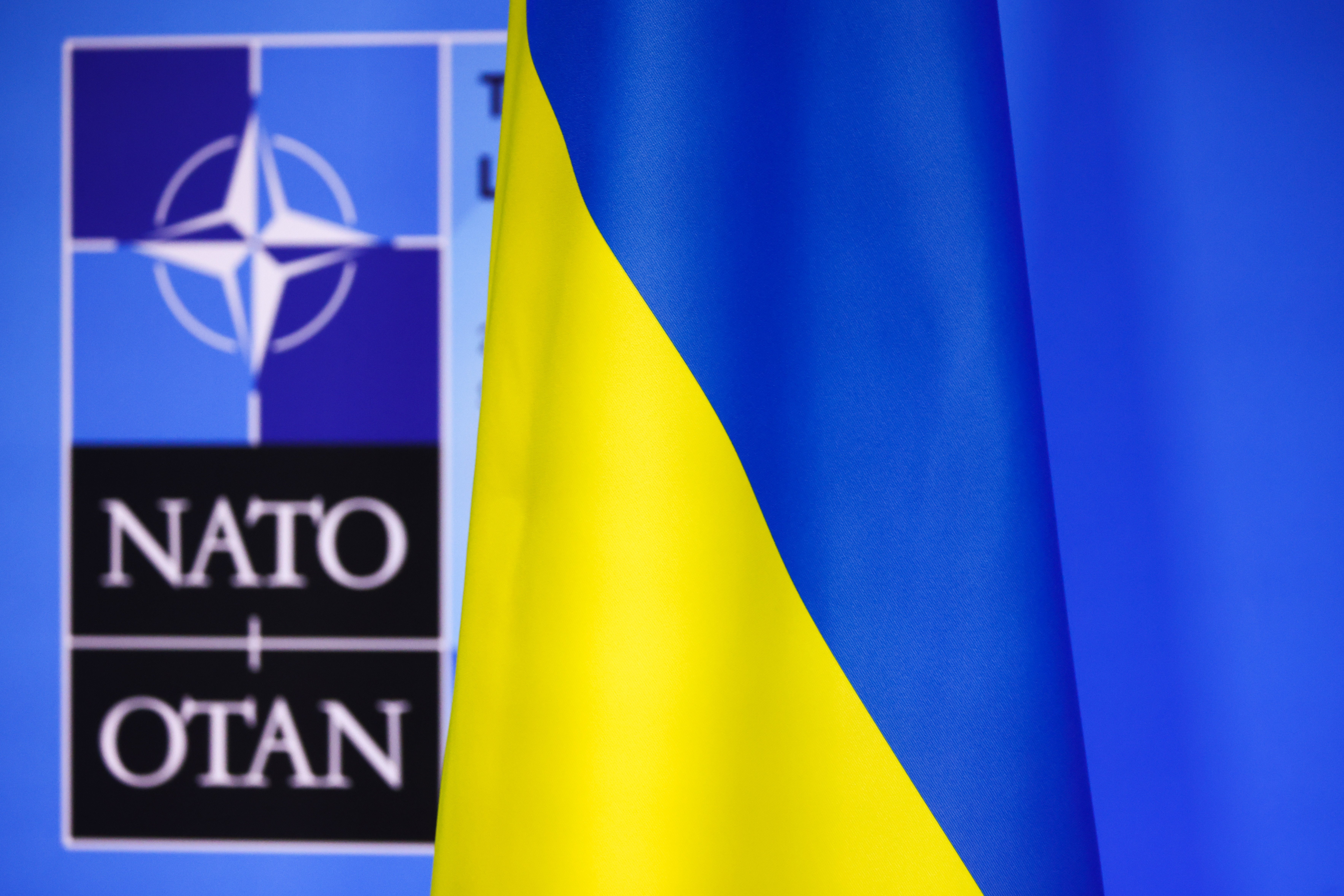
Western allies are preparing to move beyond political assurances and toward binding security guarantees for Ukraine, including the possible deployment of foreign troops and explicit US support if Russia attacks again, according to draft agreements set to be discussed at a high-level summit in Paris.
Western allies are preparing to adopt politically and legally binding security guarantees for Ukraine, including the possible deployment of a multinational force and explicit US support in the event of renewed Russian aggression, according to multiple draft documents reviewed by Sky News on January 6.
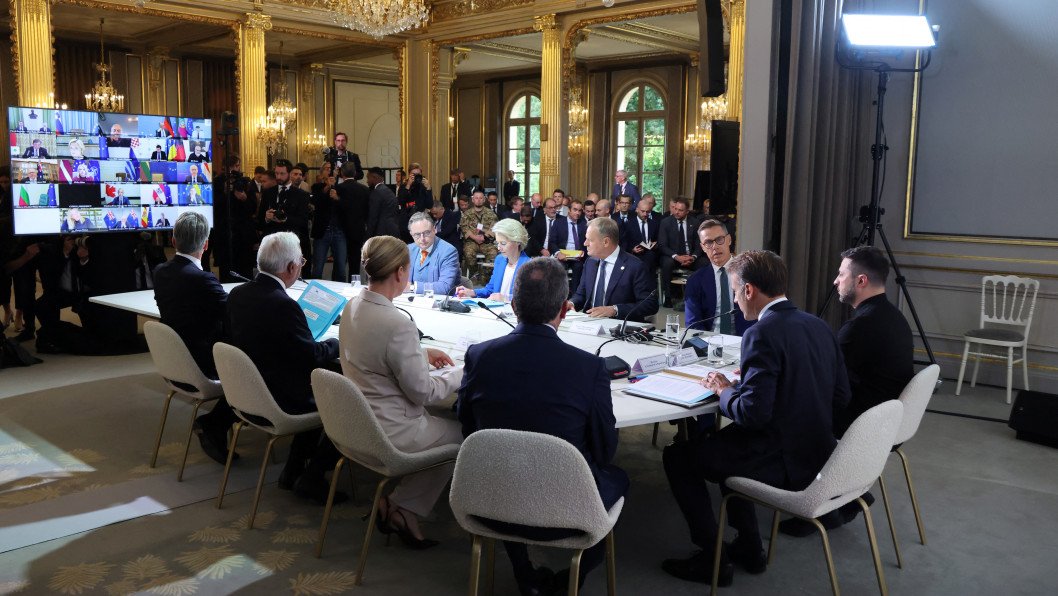
The proposals are set to be discussed at a high-level summit in Paris, where leaders of the so-called “coalition of the willing” are expected to outline concrete measures aimed at deterring any future Russian attack on Ukraine after a potential ceasefire.
We bring you stories from the ground. Your support keeps our team in the field.
Binding guarantees and military support
According to a draft declaration seen by Reuters, the allies are ready to adopt “politically and legally binding guarantees” that would be activated if Russia launches another armed attack on Ukraine.
“These commitments could include the use of military capabilities, intelligence and logistical support, the adoption of additional sanctions,” the draft states.
The document does not explicitly state whether allied forces would directly engage Russian troops, but it signals a clear shift away from non-binding assurances toward enforceable commitments.
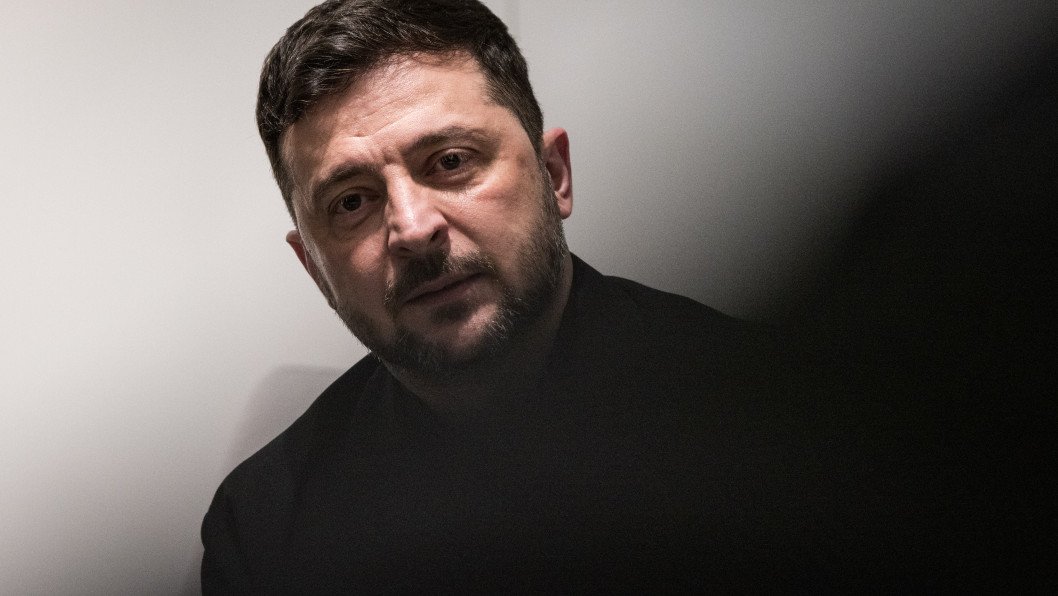
Multinational force under discussion
Reporting by Le Monde indicates that France, the United Kingdom, and Türkiye will argue in Paris for the deployment of a peacekeeping or stabilization force in Ukraine.
According to officials familiar with the proposal:
The force could number 15,000 to 20,000 troops, with some estimates reaching up to 30,000;
France and the UK would provide the bulk of ground forces;
Türkiye would be responsible for maritime security in the Black Sea;
most troops would be deployed in western Ukraine, rather than near active front lines.
The force would focus on deterrence, rebuilding Ukraine’s armed forces, and stabilizing the post-ceasefire environment.
US role: support without ground troops
A separate draft states that the future “multinational force for Ukraine” would benefit from “a commitment by the United States to support the force in the event of a Russian attack.”
While Washington is not expected to deploy troops on the ground, the text emphasizes that the United States would play a vital role alongside coalition partners.
“The partners of the Coalition and the United States will play a vital role, in close coordination, in delivering these security guarantees,” the draft says.
Diplomacy and real assistance must go hand in hand. Russia does not stop its strikes against our country, and right now we need to bolster air defense to protect our people, our communities, and critical infrastructure. Every delivery of air defense missiles saves lives and… pic.twitter.com/r88yCU6TUF
— Volodymyr Zelenskyy / Володимир Зеленський (@ZelenskyyUa) January 6, 2026
Under the proposal, any ceasefire would be “supervised” by the United States, with coalition members participating in monitoring and enforcement mechanisms.
Around 30 leaders are expected to attend the Paris meeting at the Élysée Palace. Diplomats caution that the draft language may still evolve, but the overall direction is clear: allies are moving toward a more enforceable, structured security framework for Ukraine than at any previous stage of the war.
Thank you to President @EmmanuelMacron for bringing together the Coalition of the Willing in Paris today. Canada and France are strong Allies and partners — and we’re working relentlessly to secure a just and lasting peace for Ukraine. pic.twitter.com/5nDEeH7Sm6
— Mark Carney (@MarkJCarney) January 6, 2026
If adopted, the measures would mark one of the most significant shifts in Western policy since Russia’s full-scale invasion—transforming long-term support for Ukraine from political promises into binding commitments backed by force, coordination, and US involvement.
Earlier, the United States and European countries finalized a comprehensive post-war security framework aimed at ensuring Ukraine’s long-term defense and regional stability.
Central to the plan is the establishment of an 800,000-strong Ukrainian army, envisioned as the primary force for deterring future aggression. In addition to bolstering Ukraine’s military capacity, the United States will play a key role by providing real-time intelligence and surveillance to monitor any breaches of a future peace agreement along the line of contact.
Discuss this article:
-4a56a6b482ec132402c16ef6fcabf9a2.png)

-c439b7bd9030ecf9d5a4287dc361ba31.jpg "Photo of Katherina Popilnichenko")