- Category
- World
Germany Bolsters Strategic Food Reserves for Emergency Preparedness
 Prefer U24 Media on Google
- Authors

-c439b7bd9030ecf9d5a4287dc361ba31.jpg "Photo of Katherina Popilnichenko")
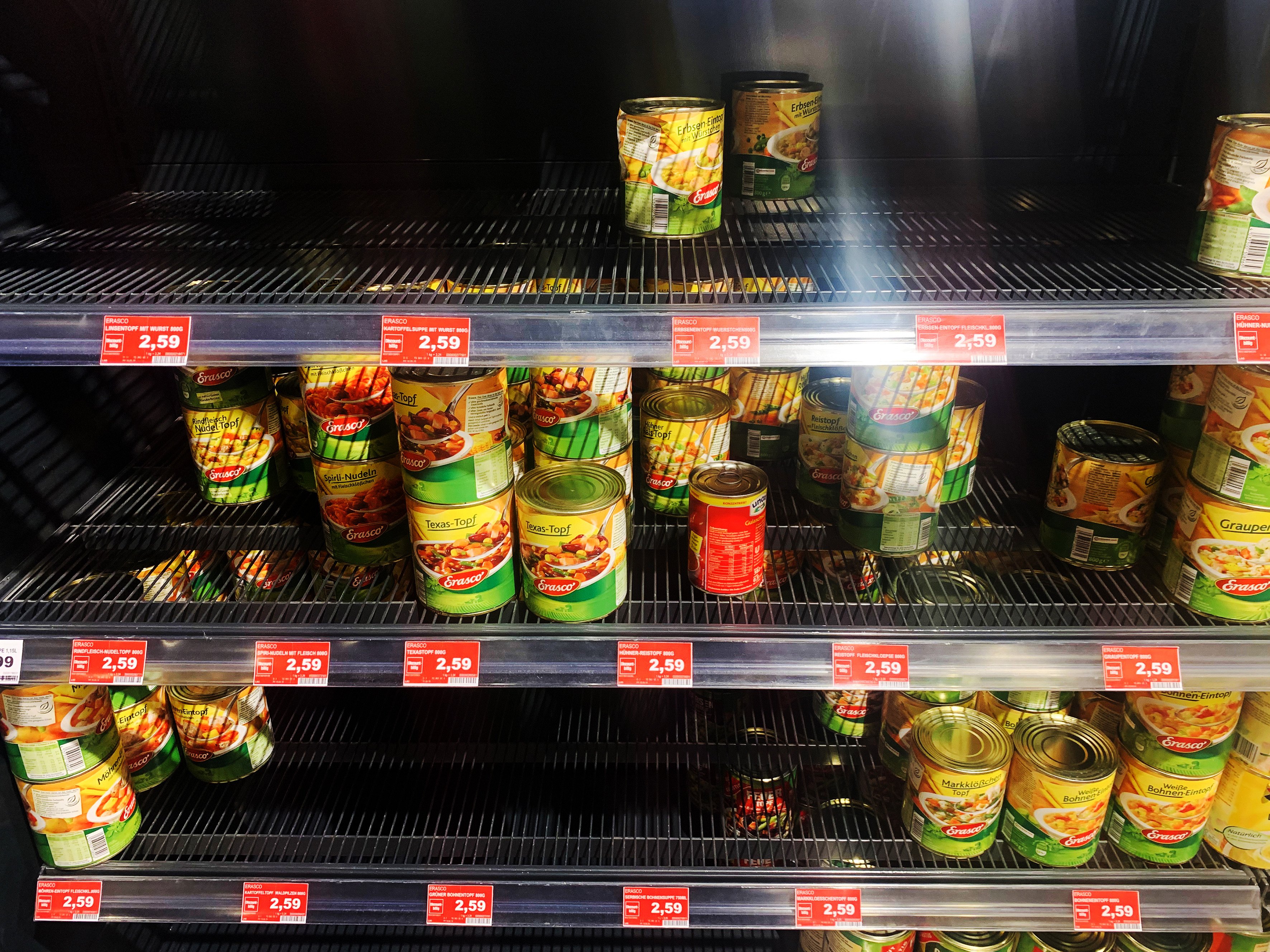
Germany is moving to expand its national food stockpiles to ensure the country is ready for potential large-scale crises.
Federal Agriculture Minister Alois Rainer announced the initiative to increase existing emergency reserves to better protect the population during unforeseen events, according to Tagesschau on May 1.
We bring you stories from the ground. Your support keeps our team in the field.
Currently, Germany maintains strategic supplies of wheat, rice, oats, and powdered milk across more than 150 secure locations. Rainer explained that the government now intends to include more ready-to-eat items with long shelf lives, such as canned goods, to enhance immediate food security.
The strategy involves a shift in how these goods are stored. Instead of relying solely on dedicated government facilities, the state will partner with food producers and retail chains.
These partners will be required to maintain a specific "untouchable reserve" on their own premises. To prevent waste, products nearing their expiration dates will be cycled into the market and replaced with fresh stock.
Addressing concerns regarding the private sector’s involvement, the Minister dismissed suggestions that market operators would profit unfairly from the arrangement.

He emphasized that the state would maintain strict oversight to ensure the reserves remain at the required levels. This decentralized approach is also intended to avoid the high costs of building new government warehouses.
The UN’s recent warnings about global food insecurity highlighted the urgent need for national stability, prompting countries like Germany to prioritize their own strategic preparedness. The United Nations warned that the escalating crisis in Iran threatened to push up to 45 million more people into acute hunger by mid-2026.
According to the World Food Programme , the disruption of critical maritime routes in the Strait of Hormuz and the Red Sea inflated the costs of energy, fuel, and fertilizer. WFP Deputy Executive Director Carl Skau stated that the situation sent shockwaves across the globe, hitting vulnerable families the hardest.
Discuss this article: