- Category
- Latest news
UN Warns War in Iran Could Push 45 Million More People Into Acute Hunger
 Prefer U24 Media on Google
- Authors

-72b63a4e0c8c475ad81fe3eed3f63729.jpeg "Photo of Cyril Barabaltchouk")
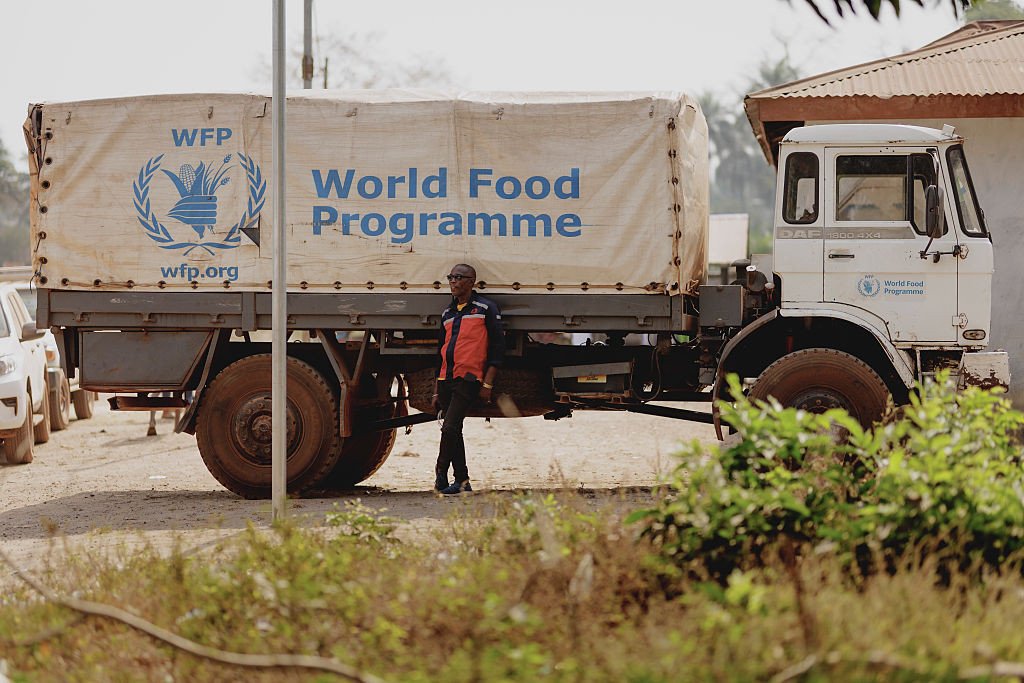
The United Nations warned that the escalating conflict in Iran could push up to 45 million more people into acute hunger by mid-year, driving global food insecurity to a record high, Bloomberg reported on March 17.
According to the UN’s World Food Programme (WFP), the near shutdown of the critical Strait of Hormuz and mounting risks to Red Sea traffic are already severely inflating energy, fuel, and fertilizer costs.
We bring you stories from the ground. Your support keeps our team in the field.
If the crisis does not ease, the total number of people facing acute food insecurity could reach 363 million, eclipsing the catastrophic hunger levels that followed Russia’s 2022 full-scale invasion of Ukraine, according to Bloomberg.
“If this conflict continues, it will send shockwaves across the globe, and families who already cannot afford their next meal will be hit the hardest,” stated WFP Deputy Executive Director Carl Skau. The WFP stressed that energy and food markets are tightly correlated, meaning Gulf maritime disruptions are directly impacting vulnerable, import-reliant nations like Sudan and Somalia, where prices for essential commodities have already soared.
Projections indicate food insecurity in sub-Saharan Africa and Asia will jump by about 20%.

Compounding the crisis, the UN’s Food and Agriculture Organization (FAO) issued a separate report estimating that global fertilizer prices could jump 15% to 20% in the first half of 2026. Tighter grain supplies and fertilizer shortages are directly threatening crop yields, Bloomberg wrote.
Furthermore, the FAO warned that soaring oil prices might spur a sudden shift toward biofuel production, which would severely amplify food price volatility in low-income, import-dependent countries.
Ukraine fought aggressively to restore its critical role in global food security over the past few years despite relentless Russian bombardment of its agricultural infrastructure. Following the collapse of the UN-backed Black Sea Grain Initiative , Kyiv successfully established its own maritime corridor, defying Moscow’s naval blockade to export tens of millions of tons of cargo.
Through the “Grain from Ukraine” initiative, the country directly delivered essential wheat shipments to highly vulnerable African and Asian nations, protecting millions from starvation. Currently, as the spiraling conflict in the Middle East chokes off the Red Sea and drives up global fertilizer prices, international organizations warn of unprecedented hunger levels.
Discuss this article:
-9a7b3a98ed5c506e0b77a6663f5727c5.png)


-e88c01988249cd60b6f04f79d29156b7.jpeg "Damage to “Cosmogony,” the largest painting in Ukraine, following a Russian drone attack on Lutsk on October 13, 2026. (Source: @sashyyna/Instagram)")


-dd35be762f08867915b1187d08f5b7cb.jpg "Aftermath of a Ukrainian Neptune missile strike on a Russian Borisoglebsk airfield, October 15, 2026.")