- Category
- World
Russia Opens First Dedicated Barracks for Political Prisoners in Kolyma
 Prefer U24 Media on Google
- Authors

-c439b7bd9030ecf9d5a4287dc361ba31.jpg "Photo of Katherina Popilnichenko")
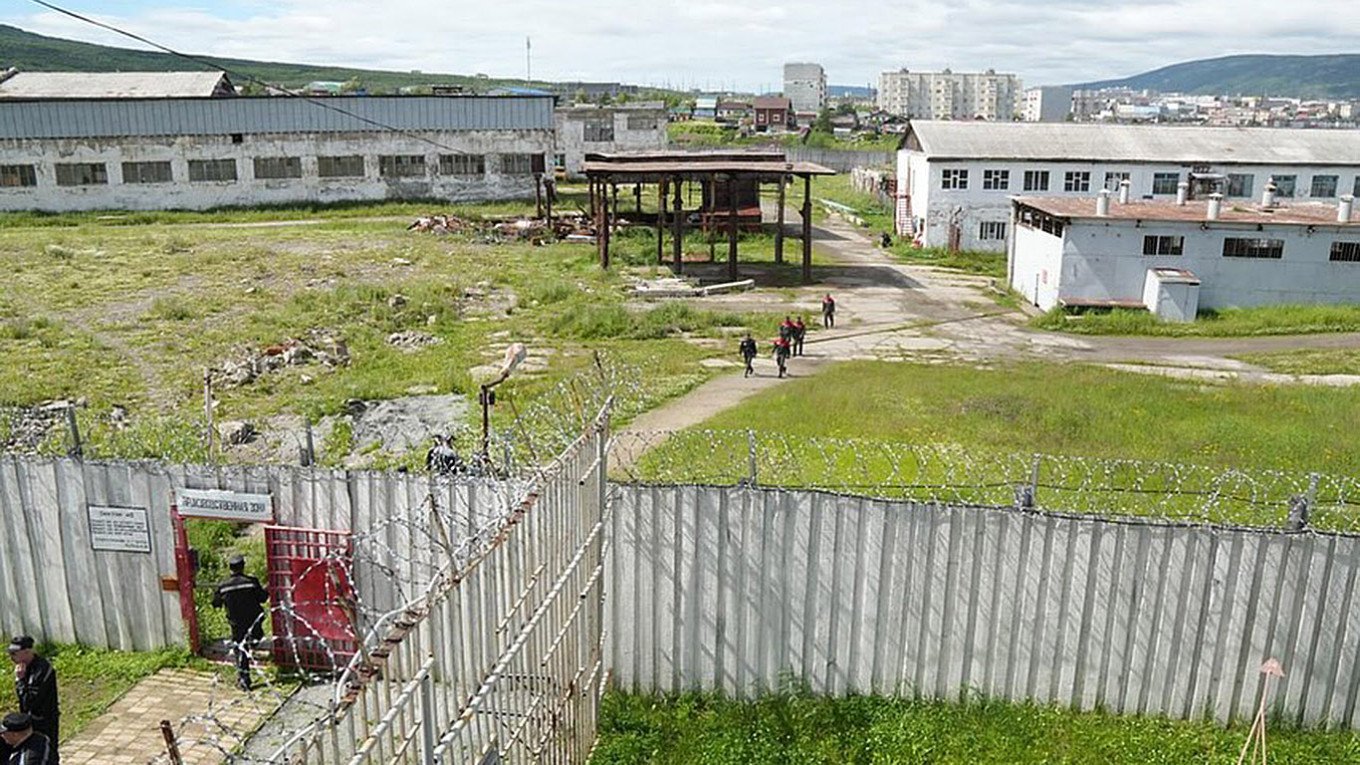
A dedicated barracks for individuals convicted on politically motivated charges has been established at Correctional Colony No. 3, a penal facility located in Magadan, Kolyma.
This specialized unit isolates 120 prisoners sentenced for distributing anti-war information, allegedly discrediting the military, or justifying “terrorism ”, according to The Moscow Times on May 18.
We bring you stories from the ground. Your support keeps our team in the field.
A dedicated barracks for 120 political prisoners has been established at Correctional Colony No. 3 in Magadan, isolating individuals convicted of anti-war statements from the general population. Detainees face sub-zero temperatures, minimal medical care, and strict disciplinary measures, including 7-year sentences for online comments.
The facility separates these individuals entirely from the general prison population, establishing a distinct category of detainees who are subjected to heightened security measures.
The majority of those held in the 120-person capacity barracks are first-time offenders rather than seasoned opposition figures or political activists. The inmates include public sector employees, retirees, doctors, business owners, advertisers, and media workers convicted for social media activity, private conversations, or emotional public statements.
Many of these individuals previously supported the political administration and lacked grievances against state policies prior to their prosecution. Facility staff categorize the residents of this unit as internal security threats, and guard teams maintain instructions to enforce strict control over them.
Living conditions inside the specialized barracks are characterized by cold temperatures, constant humidity, and limited access to basic amenities, with a bath permitted only once a week. Inmates sleep on two-tiered bunks and follow a schedule that begins with a 5:45 wakeup call and ends with a 22:00 lights-out order.
Daily meals conclude with dinner served at 17:00, leaving detainees without food until the following morning. Prison policies prohibit individuals from sitting on beds during the daytime, including on weekends, with violations resulting in immediate placement in disciplinary isolation.

The administration subjects political detainees to frequent searches and assigns them repetitive maintenance tasks, such as clearing puddles with shovels. Medical and dental assistance remains largely inaccessible, and requests for essential medication are frequently ignored.
Inmates receive old, thin clothing items, and heavy winter coats are withheld until November, despite sub-zero temperatures beginning much earlier in the autumn season. Additionally, families are restricted to sending care packages only once every two months.
The barracks houses numerous citizens convicted solely for verbal or written expressions. One individual received a 7-year prison sentence following an online post directed at the head of state. Another inmate faced conviction due to social media comments written under the influence of alcohol. A third citizen was sentenced to 5 years in prison after a private conversation regarding Russia’s full-scale invasion of Ukraine was reported to authorities by an acquaintance.

During the Soviet era under Joseph Stalin, the Kolyma region in the Russian Far East became the most notorious sector of the Gulag forced labor camp system. Magadan was founded in 1929 specifically as a transit hub and administrative center for Sevvostlag (the Northeast Corrective Labor Camps).
Between the 1930s and 1950s, hundreds of thousands of political prisoners—including Ukrainian dissidents, intellectuals, scientists, and ordinary citizens falsely accused of "anti-Soviet agitation"—were shipped through Magadan to the Kolyma gold mines.
The region became globally recognized as a symbol of totalitarian repression, characterized by extreme sub-zero temperatures, starvation, exhaustion, and an exceptionally high mortality rate, often referred to by historians as the land of "white crematoria."
The number of inmates held in Russian prisons and pre-trial detention centers dropped to 282,000, down from 465,000 at the end of 2021, marking the lowest prison population since the early 2000s.
Federal Penitentiary Service (FSIN) Director Arkady Gostev stated that this sharp decrease of approximately 183,000 people during the course of the war was partly driven by the recruitment of prisoners for military service in Ukraine, alongside a broader implementation of non-custodial sentencing measures.
Discuss this article:
-9bd5e1532102621f8fb1c4ba871a3171.png)



-72b63a4e0c8c475ad81fe3eed3f63729.jpeg "Photo of Cyril Barabaltchouk")