- Category
- War in Ukraine
Ukraine Unveils First Indigenous Guided Aerial Bomb Ready for Battlefield Use
 Prefer U24 Media on Google
- Authors


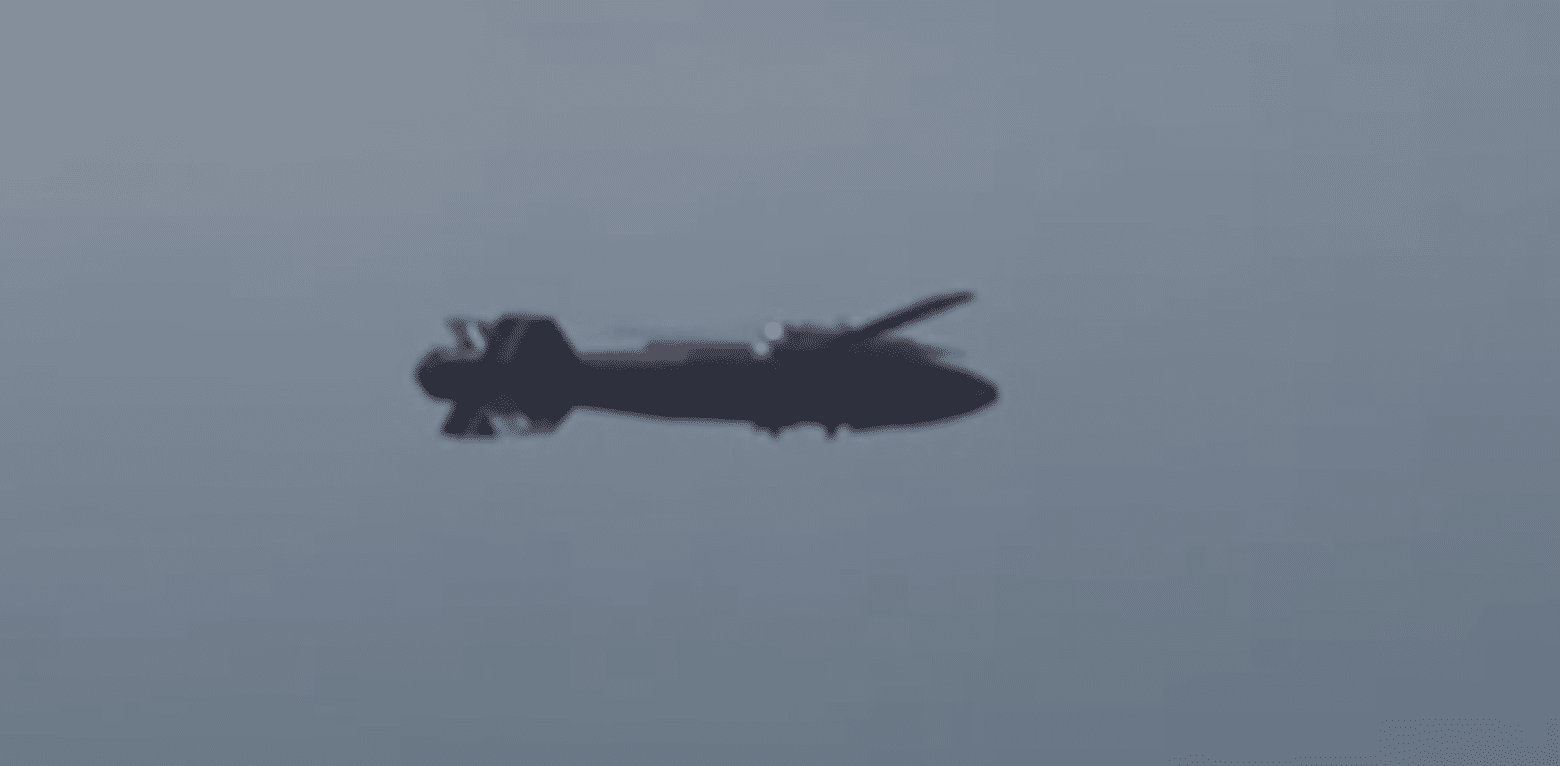
Ukraine has developed and tested its first domestically produced guided aerial bomb, marking a significant step in the country’s growing defense technology sector, according to Ukraine’s Minsiter of Defense Mykhailo Fedorov on May 18.
We bring you stories from the ground. Your support keeps our team in the field.
In a statement on Telegram, he noted that the new weapon, developed by a participant of the Brave1 defense tech cluster, has completed all necessary trials and is now ready for combat use.
“The development took 17 months. The Ukrainian guided aerial bomb has a unique design and was created with the realities of modern warfare in mind. It is not a copy of Western or Soviet solutions, but an original development by Ukrainian engineers intended for effectively striking fortified positions, command posts, and other enemy targets tens of kilometers deep after launch,” Fedorov stated.
The bomb carries a 250-kilogram warhead, and the Ministry of Defense has already procured an initial experimental batch. Ukrainian pilots are currently conducting operational training and adapting its use to battlefield conditions.
⚡️ BREAKING: Ukraine ready to deploy first domestic guided aerial bomb.
— UNITED24 Media (@United24media) May 18, 2026
Engineers developed the unique 250-kilogram munition over 17 months to strike enemy fortifications dozens of kilometers deep, with pilots currently practicing combat scenarios.
📹: @BRAVE1ua pic.twitter.com/UGyDvGZrlg
Fedorov emphasized that Ukraine is moving beyond importing individual defense solutions toward building its own high-tech weapons systems that strengthen the country’s armed forces and provide a technological edge on the battlefield.
“Soon, Ukrainian guided aerial bombs will be used against enemy targets. We are scaling up solutions that increase strike range and accuracy and are reshaping the rules of modern warfare,” the minister concluded.
In parallel, Ukraine is also advancing efforts to strengthen its broader precision-strike and air defense capabilities through new indigenous projects.
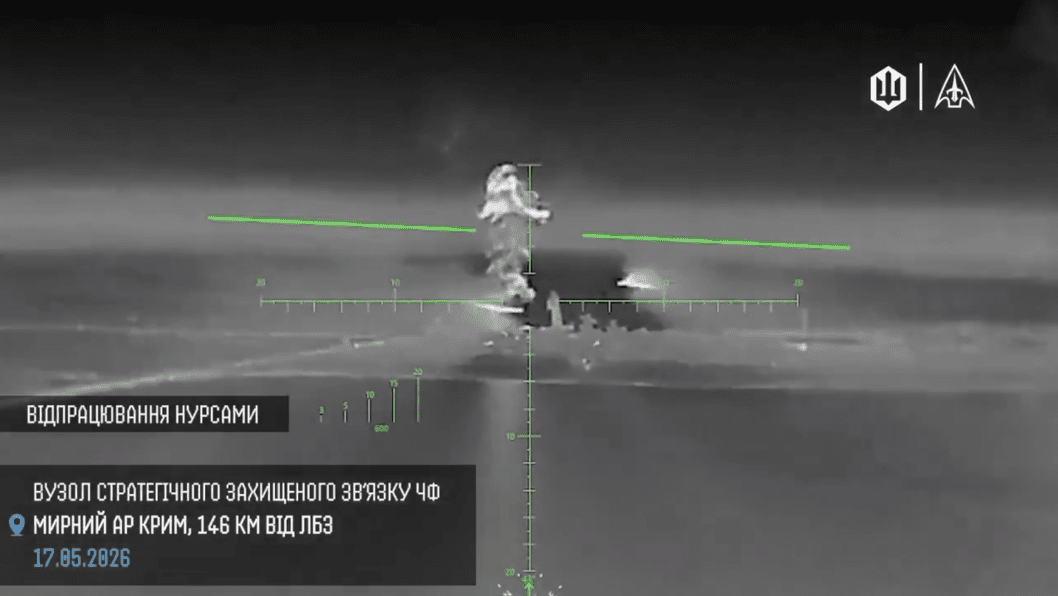
One of these initiatives is the Freya anti-ballistic missile program developed by Ukrainian defense tech company Fire Point. According to Defense Express, the project aims to create a domestic interceptor system using readily available European components, at a time when supplies of Patriot PAC-3 MSE missiles remain limited and in extremely high demand.
The program focuses on the FP-7.x “Freya” missile, which is being designed as a rapid-response solution to counter ballistic threats, including systems such as Russia’s Iskander-M.

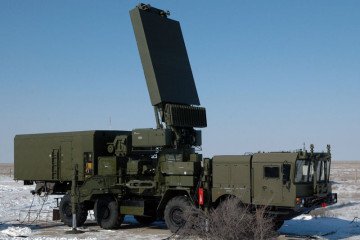
Rather than building an entirely new system from scratch, the concept behind Freya is to integrate existing radar technologies, command-and-control systems, guidance modules, and missile engineering expertise into a unified Ukrainian solution capable of addressing urgent battlefield needs.
The benchmark for such systems remains the American PAC-3 MSE interceptor used in the Patriot air defense system. It has proven highly effective in Ukraine, where Patriot batteries have repeatedly intercepted some of Russia’s most advanced ballistic and aerodynamic missiles.
-aabe3326635733b3017a2b65d332b5ca.jpeg)
However, PAC-3 MSE missiles are costly, produced in limited quantities, and subject to global demand from multiple partner countries, creating persistent supply constraints.
At the same time, Ukraine is working on an air-launched ballistic missile based on its FP-9 system, a move aimed at significantly expanding its long-range strike capabilities, according to Fire Point chief designer Denis Shtilerman.
Shtilerman said the development is built upon the existing FP-9 ballistic missile platform, which, in its ground-launched version, is reported to have a range of up to 800 kilometers.
Discuss this article: