- Category
- War in Ukraine
Russia Preparing to Deploy 115,000 Troops Near NATO Borders After Ukraine War
 Prefer U24 Media on Google
- Authors


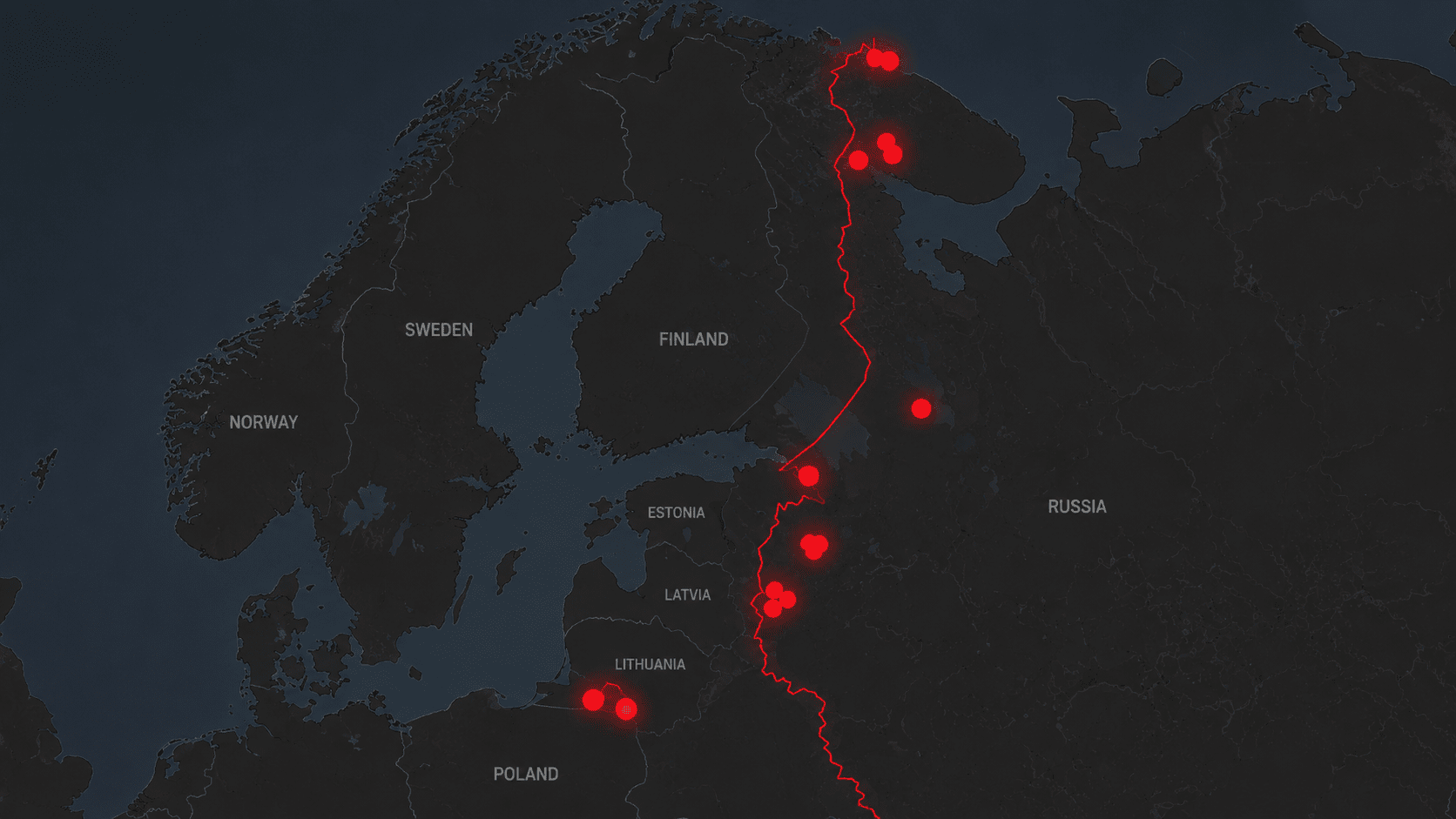
Russia is expanding military infrastructure along its northwestern frontier and could deploy up to 115,000 troops near NATO’s northern and Baltic borders after the war in Ukraine, according to an investigation published by Danish public broadcaster DR on June 10.
We bring you stories from the ground. Your support keeps our team in the field.
According to DR, intelligence officials and senior military officers from several Nordic countries assess that Russia is rebuilding bases, expanding force structures, and preparing military formations that could be used in a future confrontation with NATO around the Baltic Sea region.
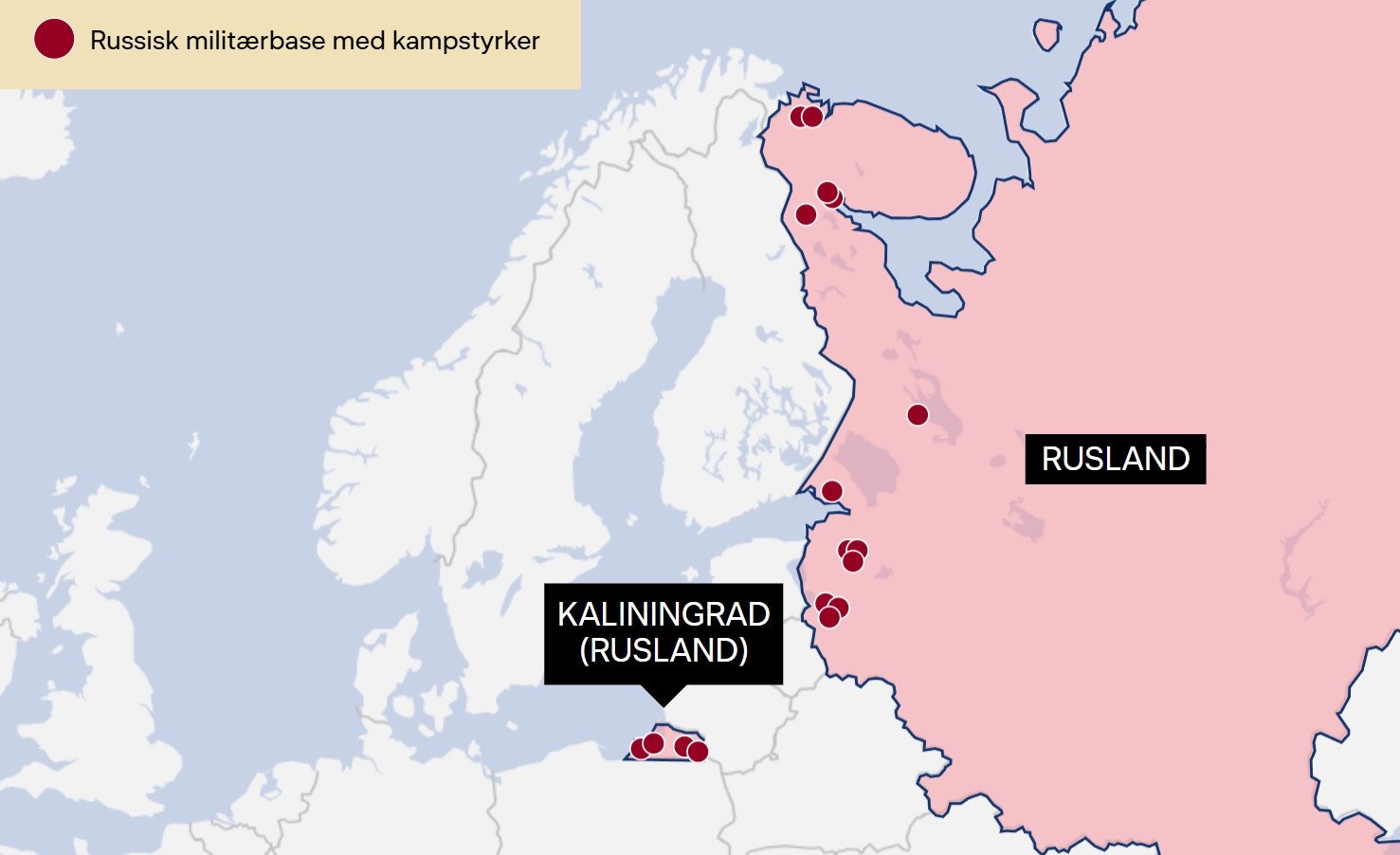
The investigation, based on interviews with intelligence and military officials from Denmark, Sweden, Norway, and Finland, as well as analysis of recent satellite imagery, found that Russia is expanding existing military facilities and constructing new infrastructure near its borders with NATO member states.
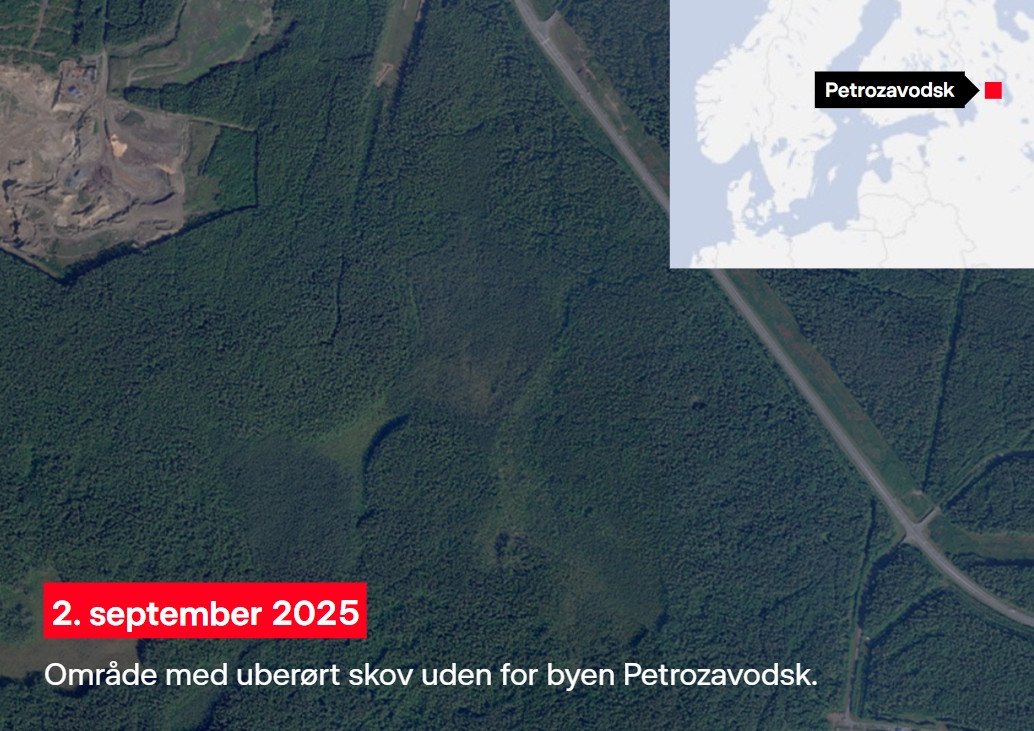
According to DR, one of the key projects is the restoration and expansion of military facilities in Petrozavodsk, near the Finnish border. Satellite imagery reviewed by former Finnish military intelligence officer Marko Eklund indicates that the new infrastructure could support a significant increase in troop numbers in the region.
Eklund told DR that Russia could eventually station approximately 115,000 personnel along its northern and Baltic frontiers once fighting in Ukraine ends. He also assessed that Moscow would be capable of transferring hundreds of thousands of additional troops with combat experience from other parts of Russia within weeks if necessary.
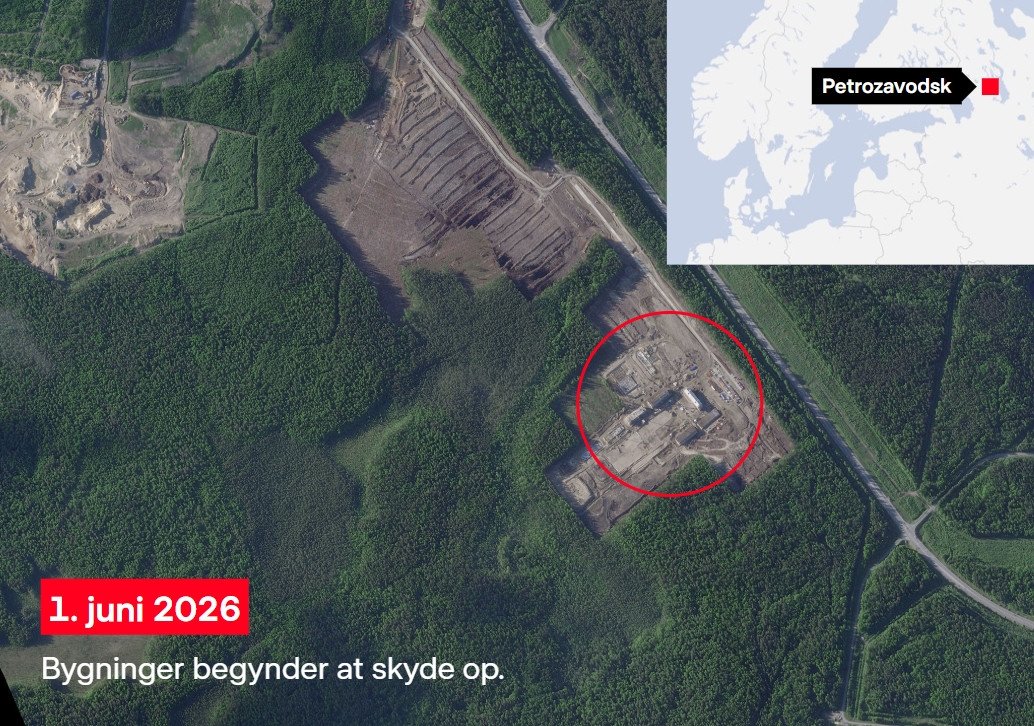
According to DR, military planners in Nordic countries are paying particular attention to Russia’s ongoing restructuring of its armed forces. The report notes that Moscow is increasingly replacing smaller brigade formations with larger divisions, a transition that several military officials interviewed by the broadcaster view as preparation for large-scale conventional warfare.
Norwegian Chief of Defense Gen. Eirik Kristoffersen told DR’s Norwegian partner broadcaster NRK that Russia is rebuilding its military while adapting lessons learned from the war in Ukraine, including the large-scale use of drones.
“We expect that after the war in Ukraine, there will be a different Russia on our border,” Kristoffersen said.
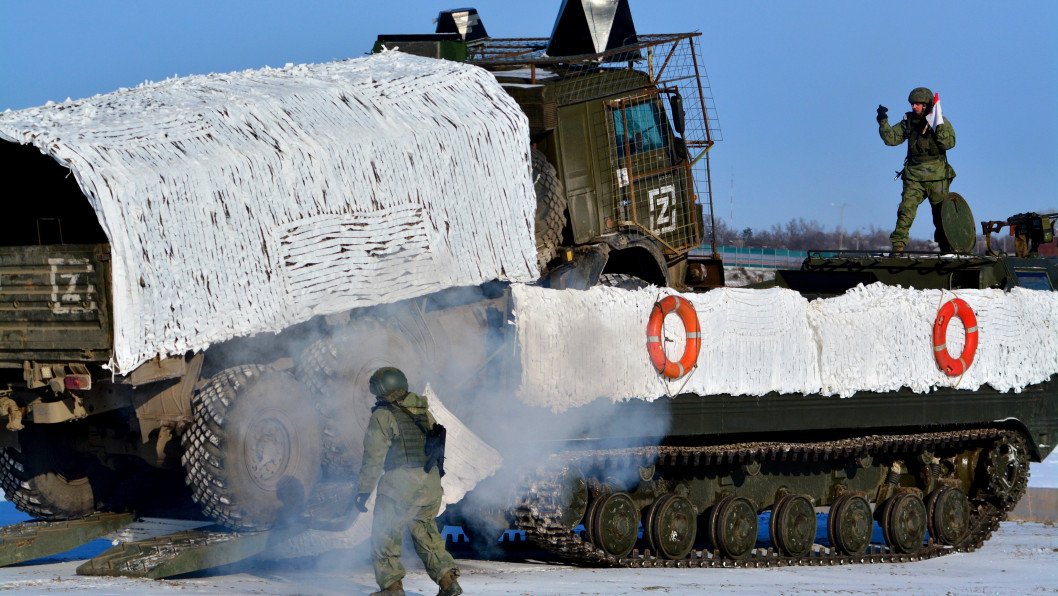
The investigation also cites assessments from Swedish military intelligence. Thomas Nilsson, head of Sweden’s Military Intelligence and Security Service, told Swedish broadcaster SVT that Russia’s military buildup appears intended to provide capabilities for a broader confrontation with NATO.
“We believe that they are not simply demonstrating force. This is about having the ability to confront NATO in a larger conflict in the future,” Nilsson said.
According to DR, several intelligence and military officials interviewed for the documentary assessed that the next one to three years could represent a period of elevated security risks in Europe. Their concern is based on the pace of Russian military production and force generation compared with ongoing efforts by European NATO members to expand defense capabilities.
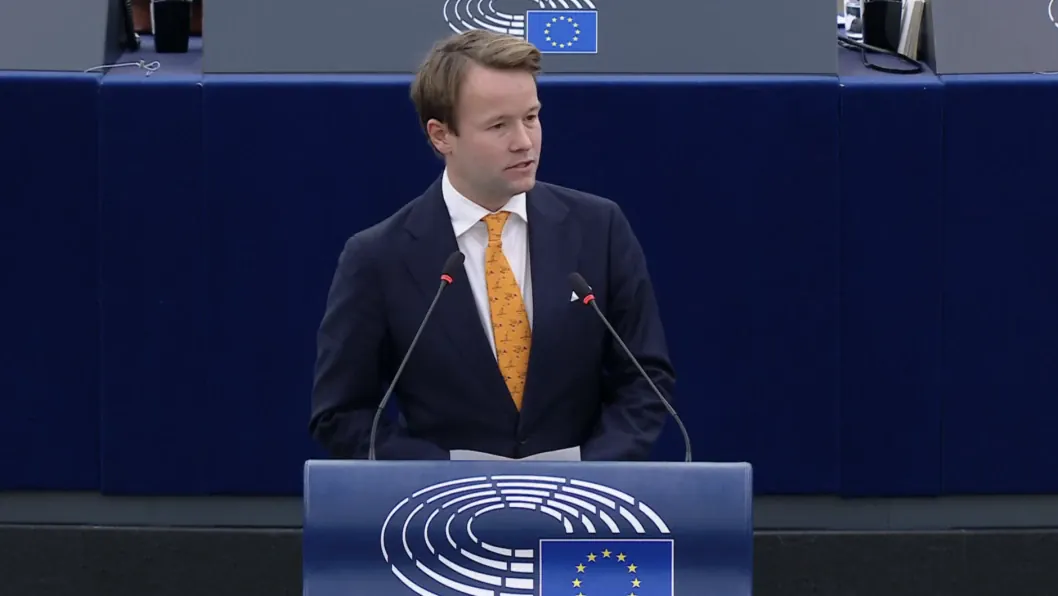
A senior NATO officer cited by DR said Europe continues to face shortages in several areas, including conventional forces, air defense capacity, military infrastructure, space-based capabilities, and unmanned systems.
Earlier, a joint investigation by German broadcasters WDR and NDR, citing NATO intelligence assessments, reported that Russia may be developing a classified program known as Skif to deploy nuclear-capable missile systems on the Arctic Ocean seabed.
The systems could be concealed in underwater launch containers and activated remotely, potentially circumventing the intent of the 1971 Seabed Arms Control Treaty, which prohibits the placement of nuclear weapons on the ocean floor outside territorial waters.
Discuss this article:
-9a7b3a98ed5c506e0b77a6663f5727c5.png)