- Category
- Latest news
A “Russian” Console With No Domestic Parts? Inside Moscow’s Dubious Gaming Plan
 Prefer U24 Media on Google
- Authors


Russia’s planned “sovereign” gaming console may launch without any domestically produced components, raising questions about the country’s ability to build a fully independent gaming platform, according to CNews on March 27.
Russian company Fplus has revealed early specifications for what it describes as the country’s first homegrown gaming console, expected to be released within the next four years.
We bring you stories from the ground. Your support keeps our team in the field.
However, none of the disclosed components appear to be manufactured in Russia, and key details—including the operating system and supported game titles—remain undisclosed.
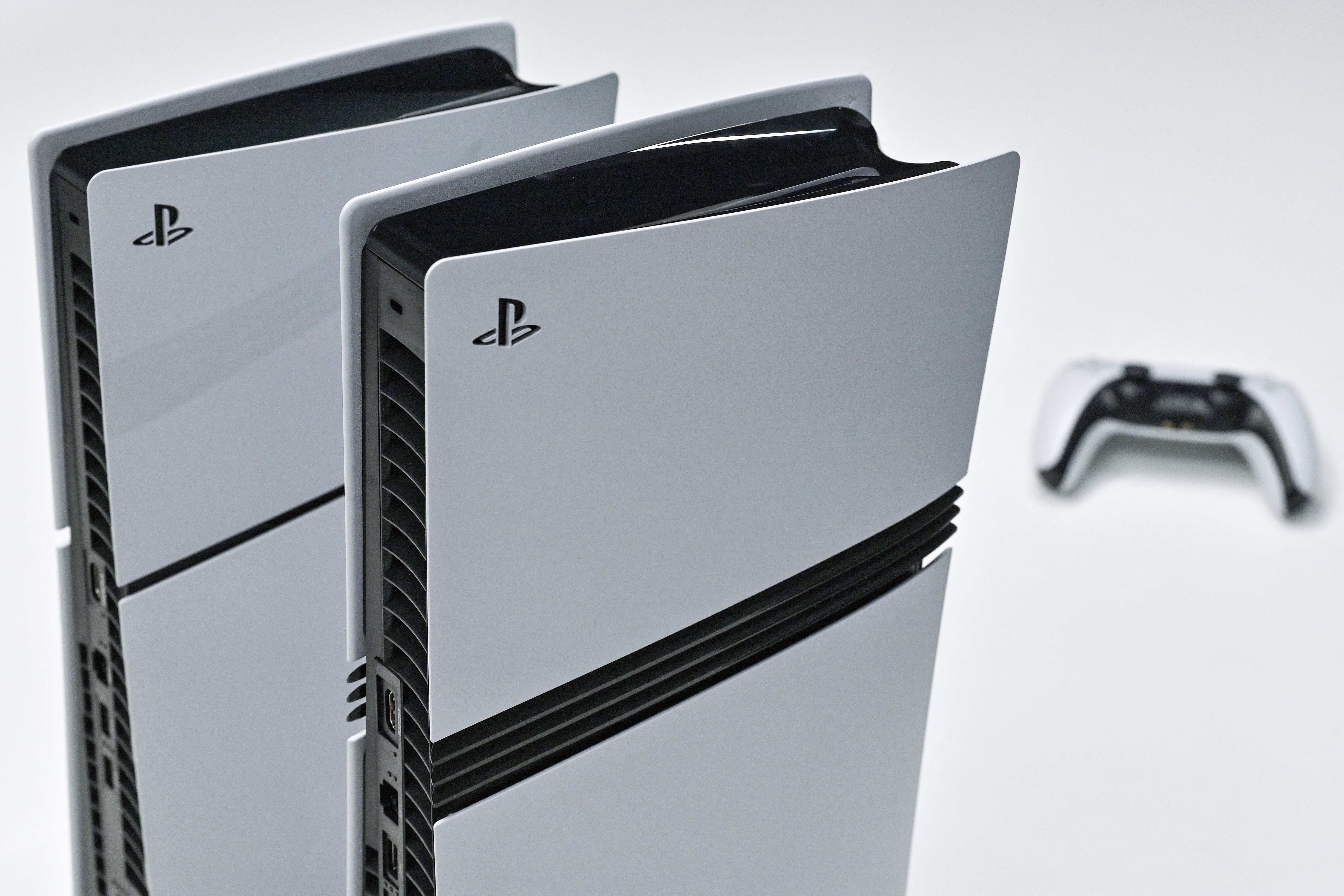
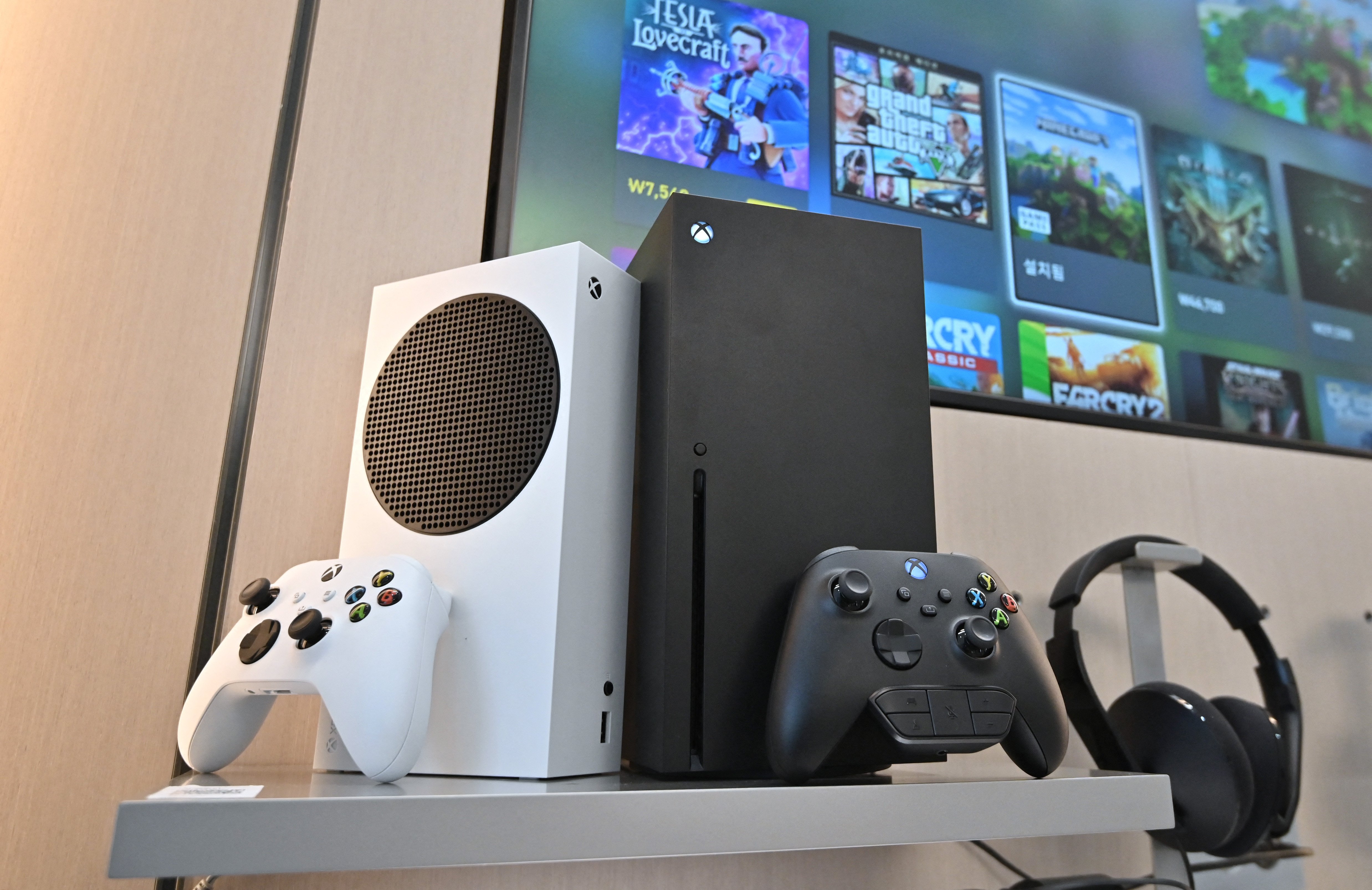
If the device is released as a stationary console, it would likely compete with Sony’s PlayStation and Microsoft’s Xbox.
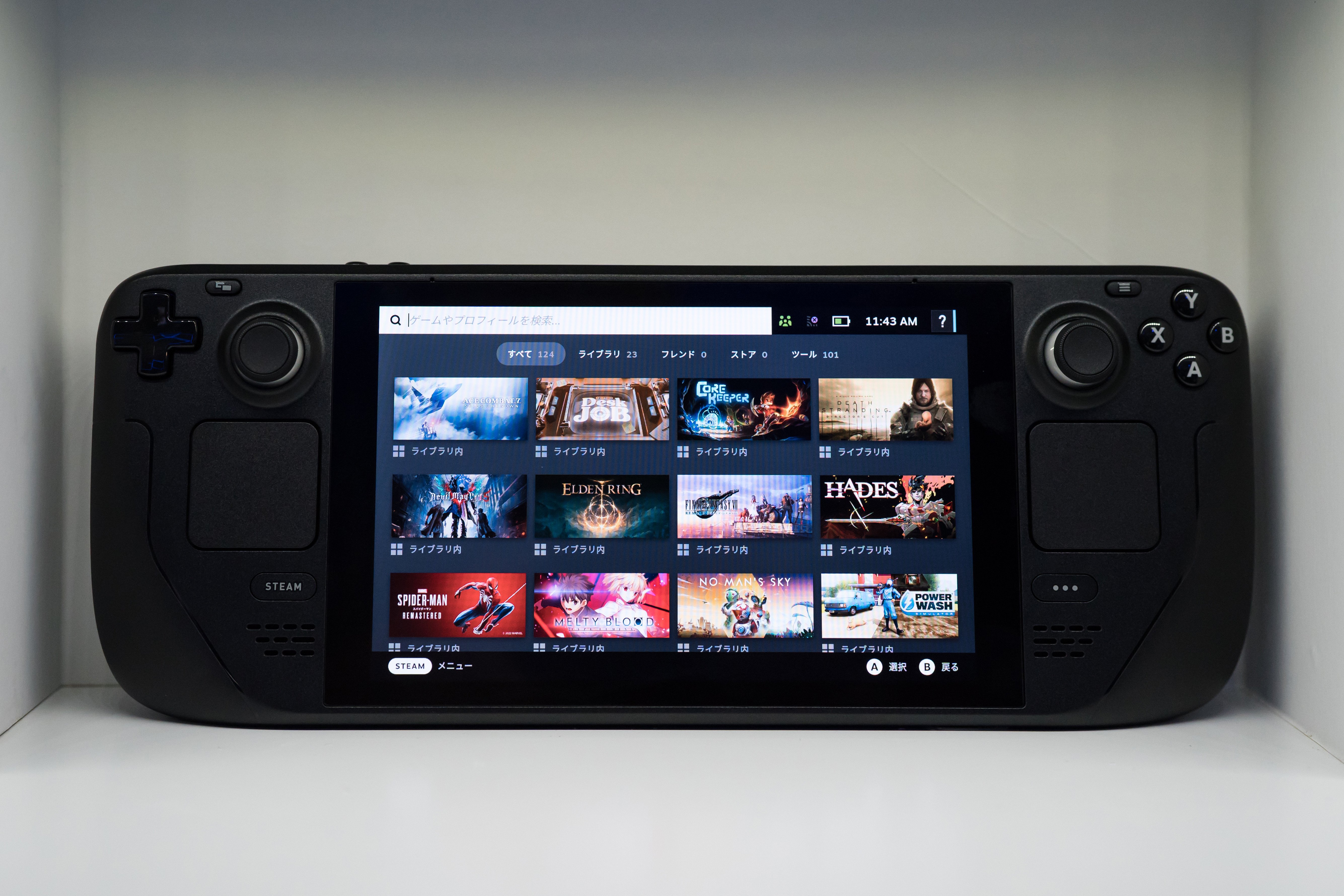
A portable version would face even broader competition, including Nintendo Switch, Steam Deck, and Windows-based handheld systems from companies such as Asus and Lenovo.
Fplus said the prototype is equipped with a processor comparable to AMD-level performance, up to 64 GB of LPDDR5 RAM, and solid-state storage of up to 4 TB.
However, analysts cited by CNews note that by the projected 2030 release window, such specifications could already be outdated.
The lack of domestic chip production remains a key limitation. Russia does not currently have the industrial capacity to manufacture advanced semiconductors, meaning the console’s core components would likely need to be sourced from abroad.

Company representatives clarified that the published specifications refer to a prototype rather than a final production model.
As of late March 2026, the project is still in early development, focused on defining system architecture and building the software ecosystem.
Fplus says it is working exclusively with Russian developers. One studio, WATT, is already testing games on the prototype.

The company plans to release two titles in 2026: a ballet-themed simulator titled Tsarevna and a shooter game called GRIMPS.
Still, the platform faces a major challenge. Established ecosystems from Sony, Microsoft, and Nintendo offer vast libraries of thousands of games built over decades.
There are also indications that the console could be based on existing foreign hardware.
In June 2025, Fplus presented a prototype that closely resembled the Terrans Force Handheld 5, a device developed by the Chinese company MinixPC.
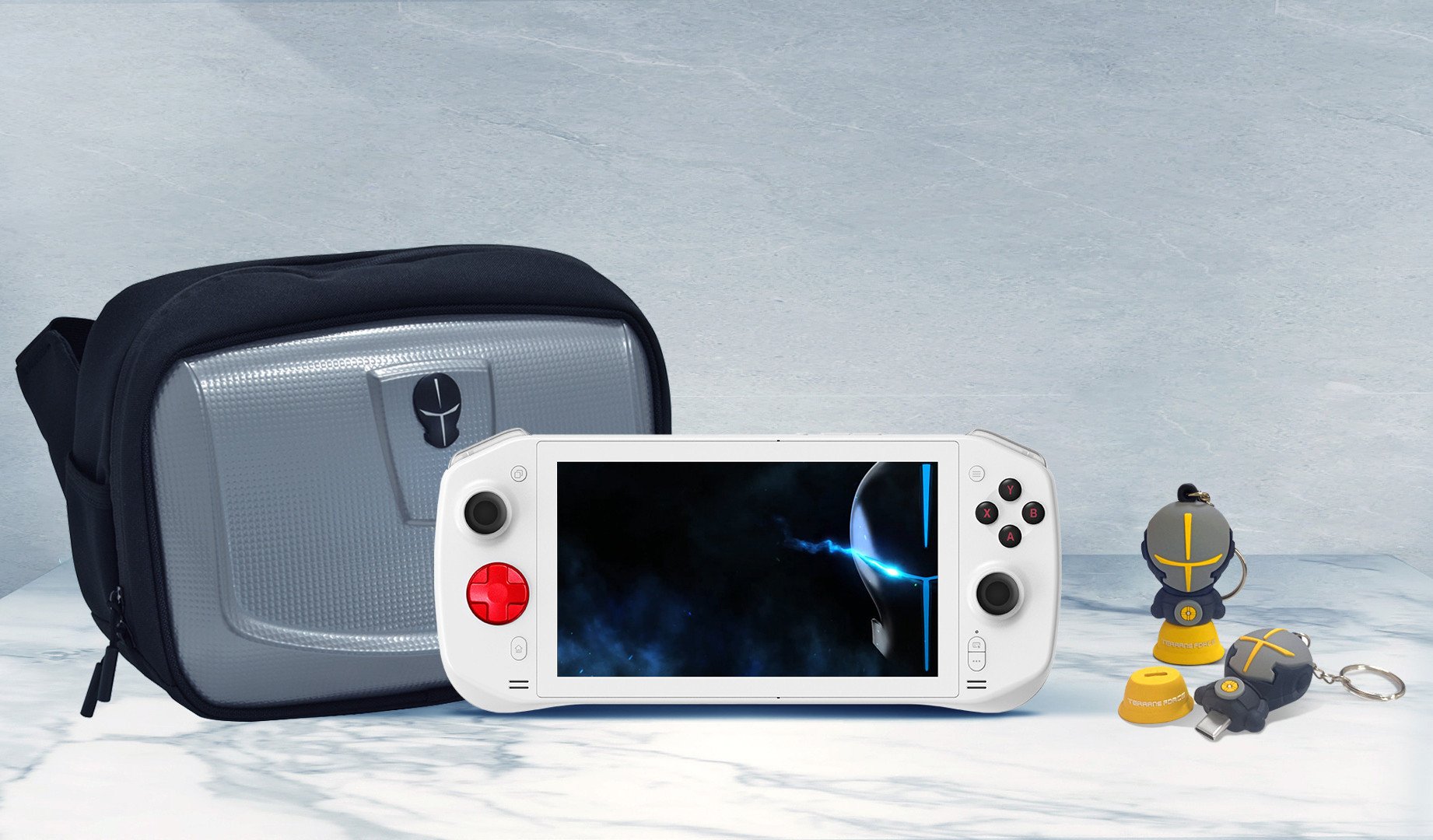
When asked about the similarity, company representatives said: “We are not trying to reinvent the wheel. We study and rely on the best user devices.”
The project highlights both Russia’s ambition to develop domestic technology products—and the ongoing constraints posed by limited access to advanced hardware manufacturing.
Earlier, Sony formally ended its presence in Russia, dissolving its local subsidiary, Sony Mobile Communications Rus, on August 11.
The Japanese technology company had operated in Russia since 2006, marking an 18-year presence. Liquidation documents were submitted to the Federal Tax Service in October 2024, following an earlier unsuccessful attempt to close the business in 2023. In its final years, the subsidiary primarily sold remaining stock and provided device servicing.
Discuss this article: