- Category
- Latest news
Exclusive: First Images of Ukraine’s “Flamingo” Missile With Claimed 3,000 km Range Surface Online
 Prefer U24 Media on Google
- Authors


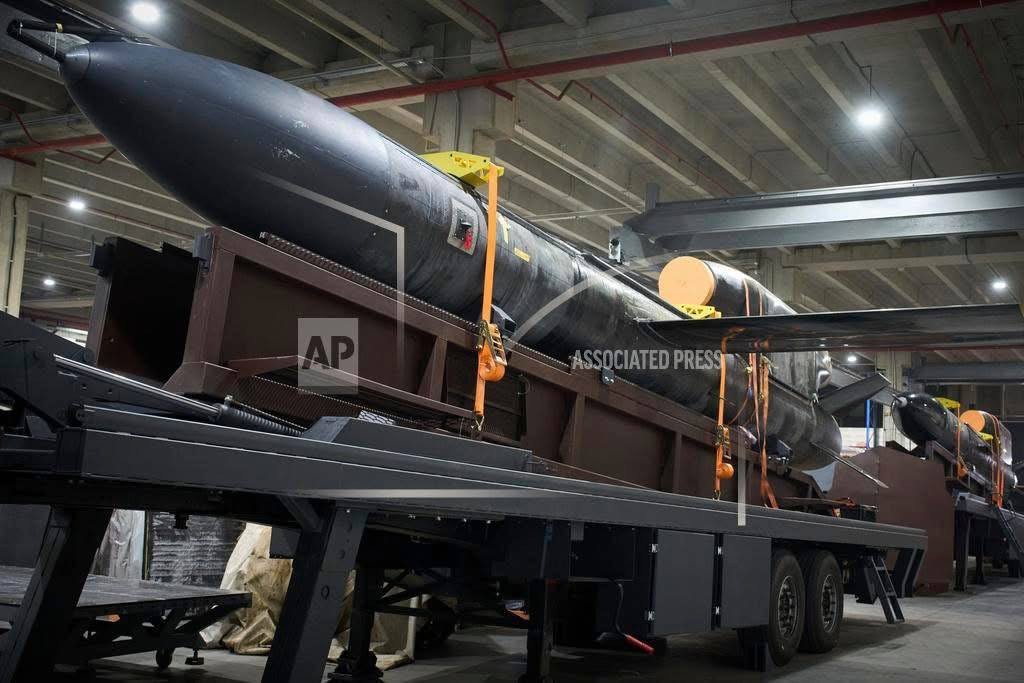
Ukrainian photographer Efrem Lukatsky published the first images of the new long-range cruise missile “Flamingo,” which has reportedly entered serial production.
The photographs, taken on August 14 at a facility of the Ukrainian defense company Fire Point, show the missile in assembly. According to Lukatsky, the system is designed to strike targets at distances of more than 3,000 kilometers.
While official technical specifications have not yet been disclosed, the missile’s design appears similar to the FP-5 system presented earlier this year by the UK-based Milanion Group at the IDEX-2025 defense exhibition in Abu Dhabi.
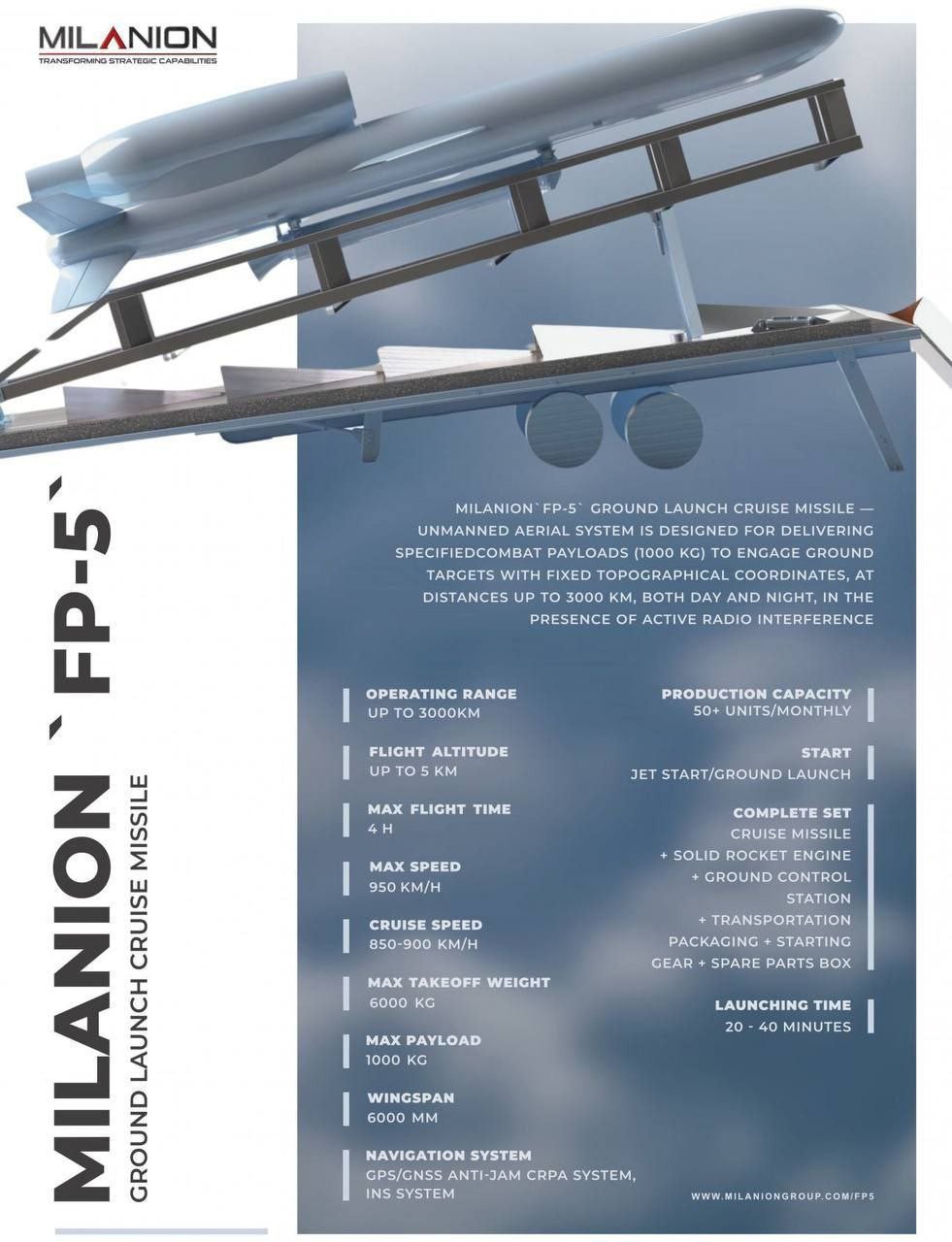
That system features a 1,000 kg warhead, a maximum range of 3,000 kilometers, and a launch weight of around six tons. It has a six-meter fixed wingspan, reaches speeds of up to 900 km/h, and uses a combined guidance system, including satellite navigation resistant to electronic warfare.
Observers note that Ukraine’s “Flamingo” may share comparable parameters, though confirmation from official sources is still pending.
Ukraine has steadily developed its missile program over the past years. The “Neptune” anti-ship missile, first introduced in 2020, gained international recognition in April 2022 when it was used to strike and sink the Russian cruiser Moskva. Since then, upgraded variants of the Neptune have been adapted for land-attack roles with extended ranges.
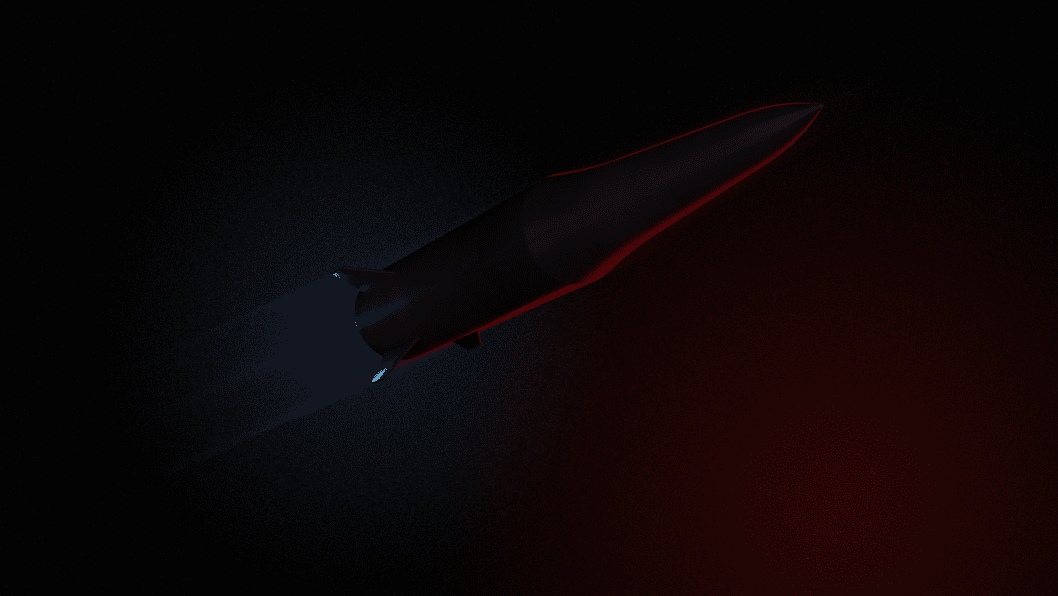
Other projects include the “Grim-2” (also known as “Hrim-2”) tactical ballistic missile, designed for ranges of up to 500 km, and various experimental systems developed to counter both aerial and naval threats.
Earlier this year, Ukraine also tested a new domestically developed ballistic missile described by analysts as “bigger than ATACMS.” According to defense experts, the missile has a range of around 300 kilometers, carries a warhead exceeding 400 kilograms, and has already struck Russian command targets in combat use.
Analysts noted that it demonstrates improved precision compared to Soviet-era systems and could be extended to ranges of up to 500 kilometers for domestic deployment.
Discuss this article:


-111f0e5095e02c02446ffed57bfb0ab1.jpeg "Photo of Roman Kohanets")


-72b63a4e0c8c475ad81fe3eed3f63729.jpeg "Photo of Cyril Barabaltchouk")