- Category
- Latest news
Germany Launches $2.4B Privatization of Seized Gazprom Asset to Boost Energy Independence
 Prefer U24 Media on Google
- Authors


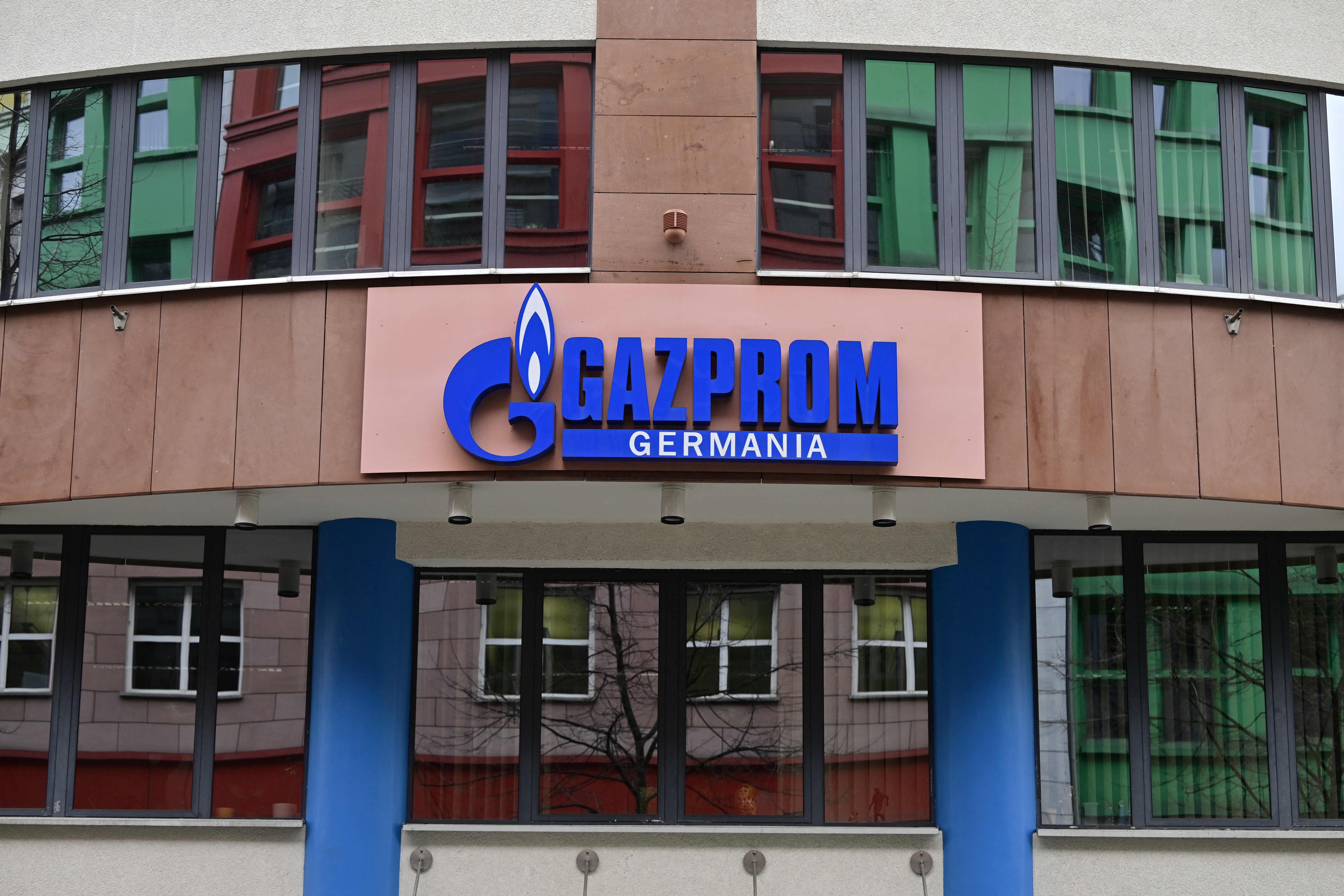
Germany is preparing the first step toward privatizing Sefe, the former Gazprom Germania subsidiary seized by Berlin following Russia’s full-scale invasion of Ukraine in 2022, the company’s chief executive has said, according to Financial Times on April 20.
Sefe, short for Securing Energy for Europe, plans to raise between €1.5 billion (around $1.8 billion) and €2 billion (about $2.4 billion) through a capital increase, according to CEO Egbert Laege.
We bring you stories from the ground. Your support keeps our team in the field.
The company manages key energy assets, including gas storage facilities, pipelines, and a UK-based trading arm previously known as Gazprom Marketing & Trading. The planned capital raise would mark the first dilution of the German government’s full ownership stake.
Under European Commission rules, Berlin is required to reduce its holding in Sefe by at least 75% by the end of 2028.
Laege said recent geopolitical tensions, including disruptions linked to the Iran war, have added urgency to the privatization process by underscoring the importance of stable energy supply chains. Rising gas prices have further reinforced the need to attract investment.
“We are discussing with the government on whether it has preferences or restrictions, given that we are at a very crucial point for the security of supply for Europe and Germany,” Laege said.
After the initial capital increase, the government is expected to further reduce its stake through additional measures, which could include a sale of shares or a public offering.
“Given the short time in which we’re operating, maybe the IPO is a bit difficult for us but in the end this is up to the markets and it’s a decision for the government,” he said.
Despite speculation that Sefe’s assets could be split and sold separately, the company intends to keep its core operations intact. According to Laege, its regulated infrastructure assets and trading business are complementary and should remain under one structure.
There has also been discussion about a potential merger between Sefe and Uniper, another German gas importer nationalized in 2022 after facing collapse due to reduced Russian gas supplies.
“The government has been looking at this,” Laege said. “It owns both companies so it should of course look at whether a combination would create more value, but currently I’m working under the assumption that the process for Sefe will be standalone.”
As Germany moves toward partial privatization of its energy sector, Moldova is considering the opposite approach, exploring the nationalization of its gas utility.

Moldovan Prime Minister Dorin Recean has instructed his government to begin preparations for the potential nationalization of Moldovagaz, the country’s main gas supplier, amid an ongoing dispute with Russia’s Gazprom.
Gazprom, which holds a 50% stake in the company, has warned it may halt gas supplies to Moldova starting January 1, citing alleged unpaid debts. Moldovan authorities reject these claims and accuse Russia of using energy pressure to destabilize the country.
In addition to Gazprom’s stake, approximately 13% of Moldovagaz is held by the pro-Russian breakaway region of Transnistria, while the Moldovan government owns 35.6%. Analysts note that any move toward nationalization would require approval from parliament.
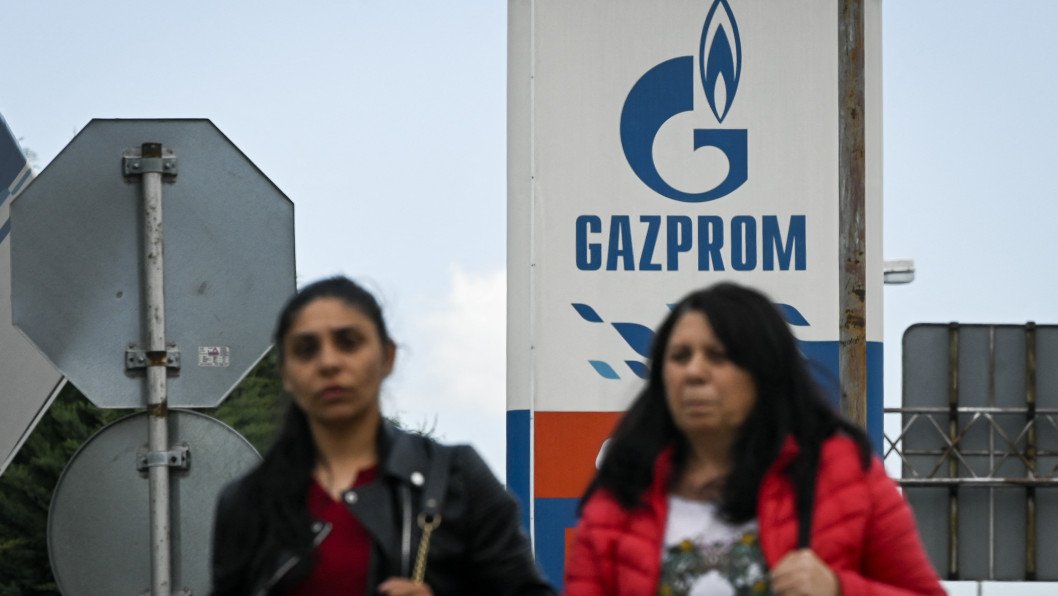
Shifts in Europe’s energy strategies are unfolding alongside continued sanctions pressure on companies linked to Russia in neighboring states.
The United States has granted a final one-month sanctions waiver for Naftna Industrija Srbije (NIS), a Serbian oil company majority-owned by Russian entities, according to Serbian Energy Minister Dubravka Djedović Handanović.
The exemption allows NIS to continue operating despite US sanctions targeting Russia’s oil sector.
Additionally, it was reported that the US Treasury’s Office of Foreign Assets Control had originally given Gazprom Neft a 45-day deadline to divest its stake in NIS.
Discuss this article: