- Category
- Latest news
Inspired by Ukraine’s Operation Spiderweb? Turkey Unveils Hidden Drone Launcher for Deep Strikes
 Prefer U24 Media on Google
- Authors


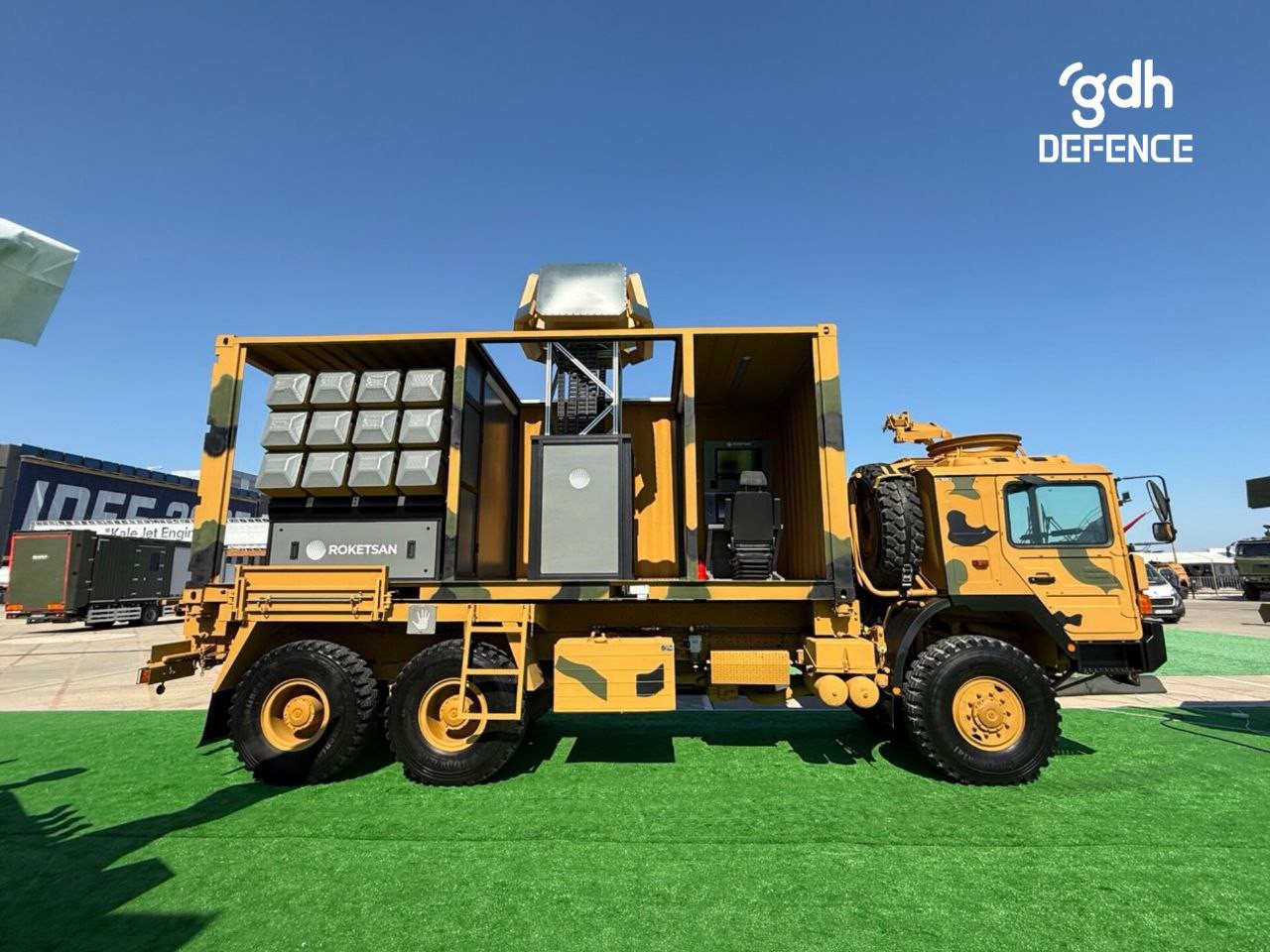
At the IDEF 2025 defense exhibition in Istanbul, Turkish defense giant Roketsan showcased a truck-mounted, container-based launcher for its new EREN loitering munition, a drone-missile hybrid designed for fast, covert strikes, defense media outlet Army Recognition reported on July 31.
The launcher, disguised as a civilian freight container, allows the system to be deployed inconspicuously, much like the Ukrainian Spiderweb operation that used concealed systems to conduct deep-strike missions in Russian territory.
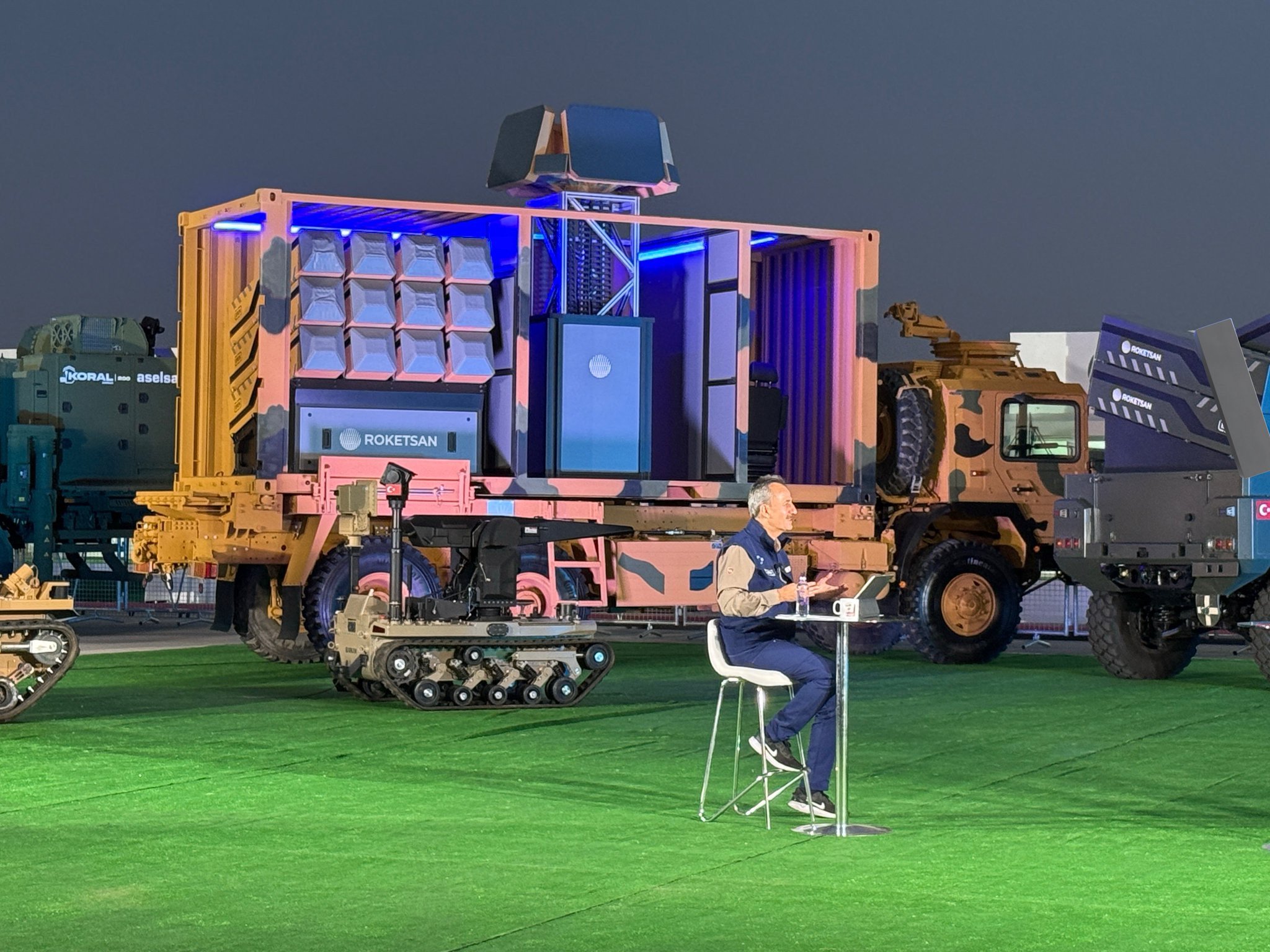
According to Army Recognition, a single vehicle can carry up to 12 launchers, enabling operators to deliver a heavy barrage in a short timeframe.
Ukrainian defense media, Defense Express, adds that while the system offers clear advantages in stealth and mobility, analysts warn that the launcher is only partially concealed, meaning it could be discovered during routine inspections unless basic enemy security protocols are disregarded.
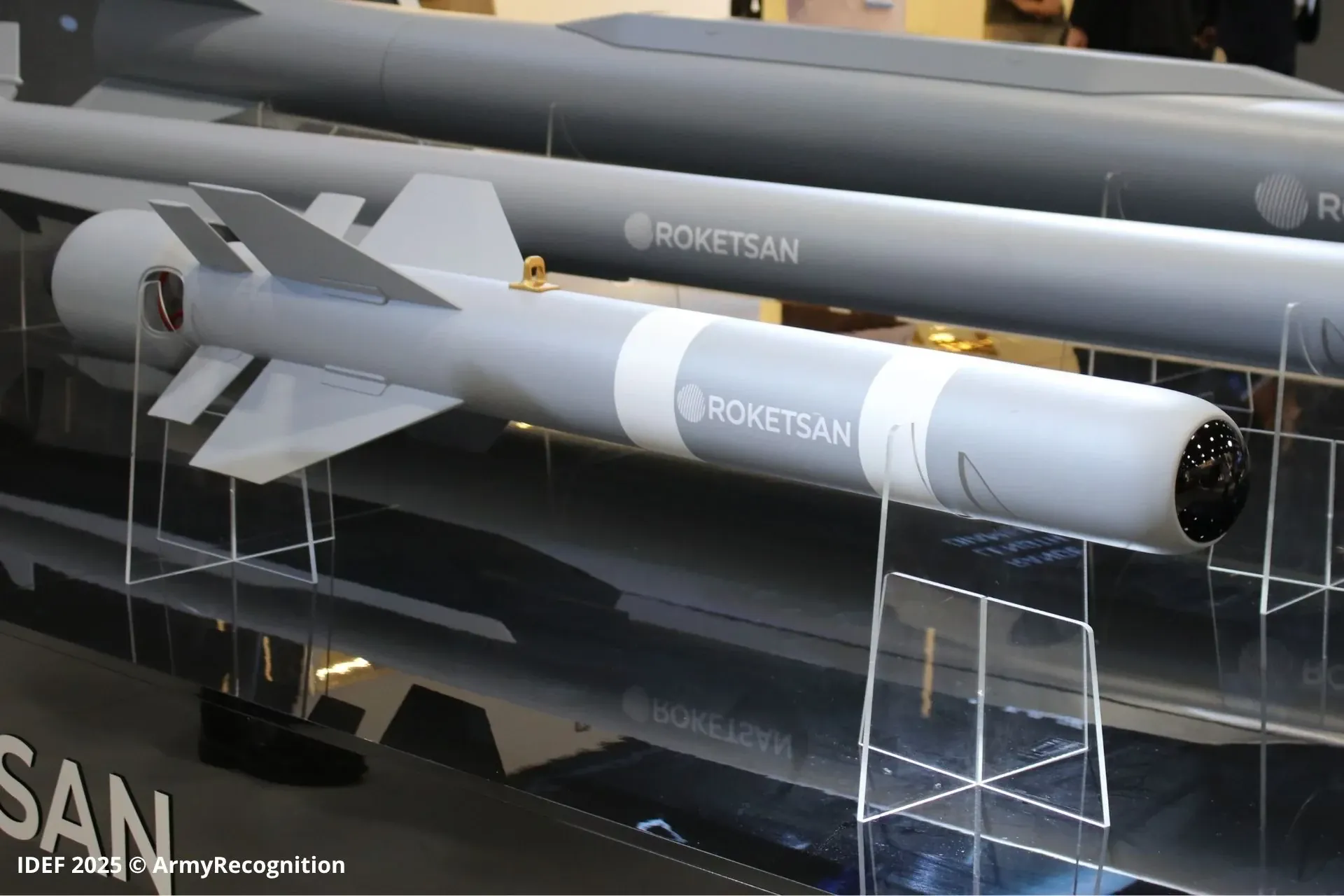
The heart of the system is EREN, a 35-kilogram jet-powered loitering munition that functions more like a missile than a conventional drone.
It boasts a range of over 100 kilometers and a flight time of up to 15 minutes. During the final approach, it switches to optical guidance for precision targeting, enabling it to strike both ground and aerial targets.
Roketsan says the short flight time reflects an emphasis on speed over endurance, making EREN highly suitable for rapid deployment from various platforms—including helicopters, UAVs, ground vehicles, and now truck-based launchers.
-04df4aadbcb4826e9e7fd30da33613f4.jpg)
The system can be used in both conventional warfare and special operations, with the container format especially well-suited for the latter.
From a strategic standpoint, the containerized launcher enhances survivability on the battlefield. By blending in with civilian logistics, it can evade preemptive targeting, at least temporarily.
However, Army Recognition notes, as frontline experience in Ukraine shows, once adversaries suspect disguised military assets near the combat zone, they often begin targeting everything indiscriminately.
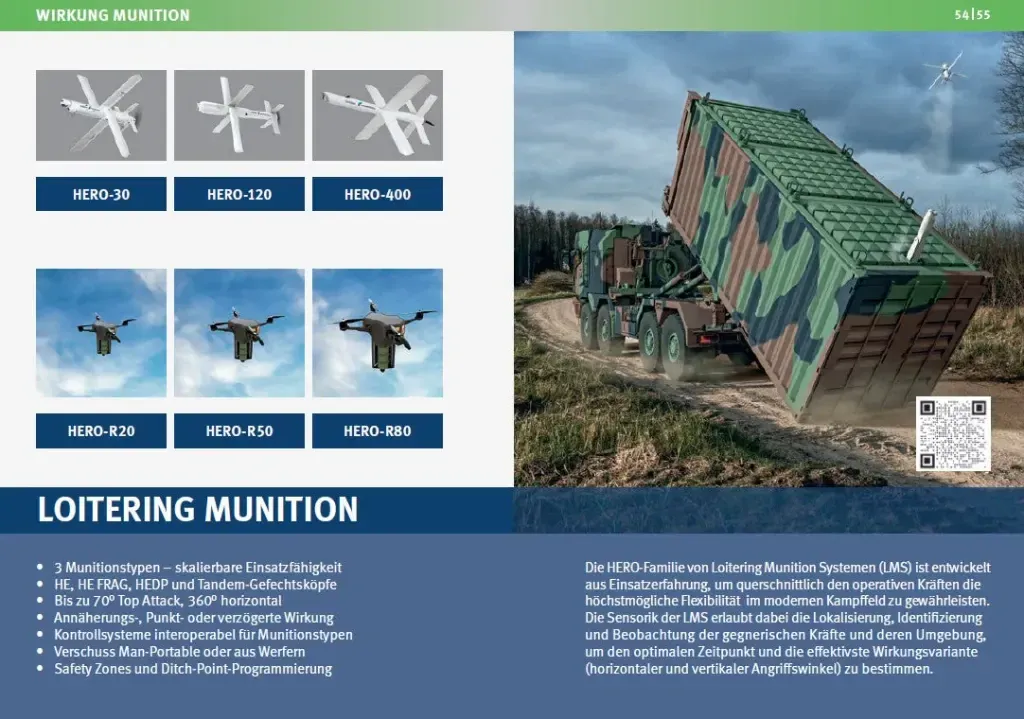
While this is not the first attempt to deploy drones from containerized platforms—Iran, Taiwan, and even Rheinmetall with its HERO drones have pursued similar concepts—Roketsan’s offering is the first Turkish system of its kind ready for potential mass deployment.
The Turkish military’s focus on container-based strike capabilities builds on prior systems like the Kara Atmaca cruise missile launcher.
By fusing speed, modularity, and concealment, the EREN system reinforces Ankara’s ambition to become a top exporter of low-cost, high-impact drone weaponry, tailored for both peer-to-peer warfare and asymmetric conflicts.
Earlier, Russia began relocating its fleet of strategic bombers—including the Tu-160, Tu-95MS, and Tu-22M3—to air bases in the Far East following a major Ukrainian drone strike that severely damaged multiple long-range aircraft.
Discuss this article:



-c439b7bd9030ecf9d5a4287dc361ba31.jpg "Photo of Katherina Popilnichenko")