- Category
- Latest news
Italian F-35s Scramble for First-Ever Baltic Intercept, Confront Russian Jets Near NATO Airspace
 Prefer U24 Media on Google
- Authors


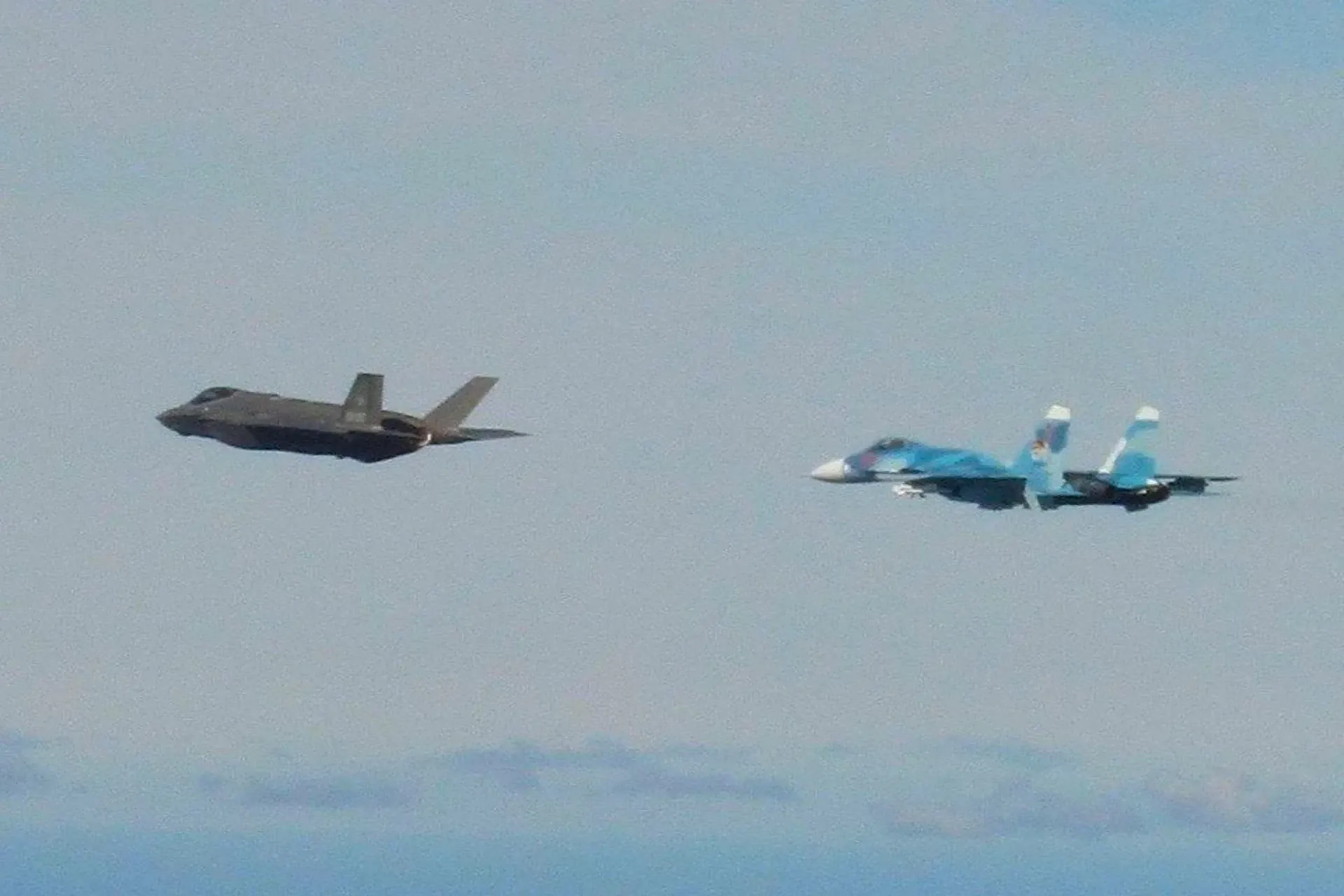
On August 13, two Italian Air Force F-35 Lightning II fighter jets scrambled from Ämari Air Base in Estonia under NATO’s Air Policing mission to intercept Russian aircraft operating near Alliance airspace.
According to Army Recognition, citing NATO Air Command, this marks the first deployment of Italian fifth-generation fighters in such a role over the Baltic.
The consecutive incidents reflect an increase in Russian military flights in the region, underscoring the Baltic’s significance in NATO-Russia aerial encounters.
The August 13 mission involved the interception of a Sukhoi Su-24 and a Sukhoi Su-27, both flying without flight plans or active transponders—a pattern NATO has linked to reconnaissance and probing activities.
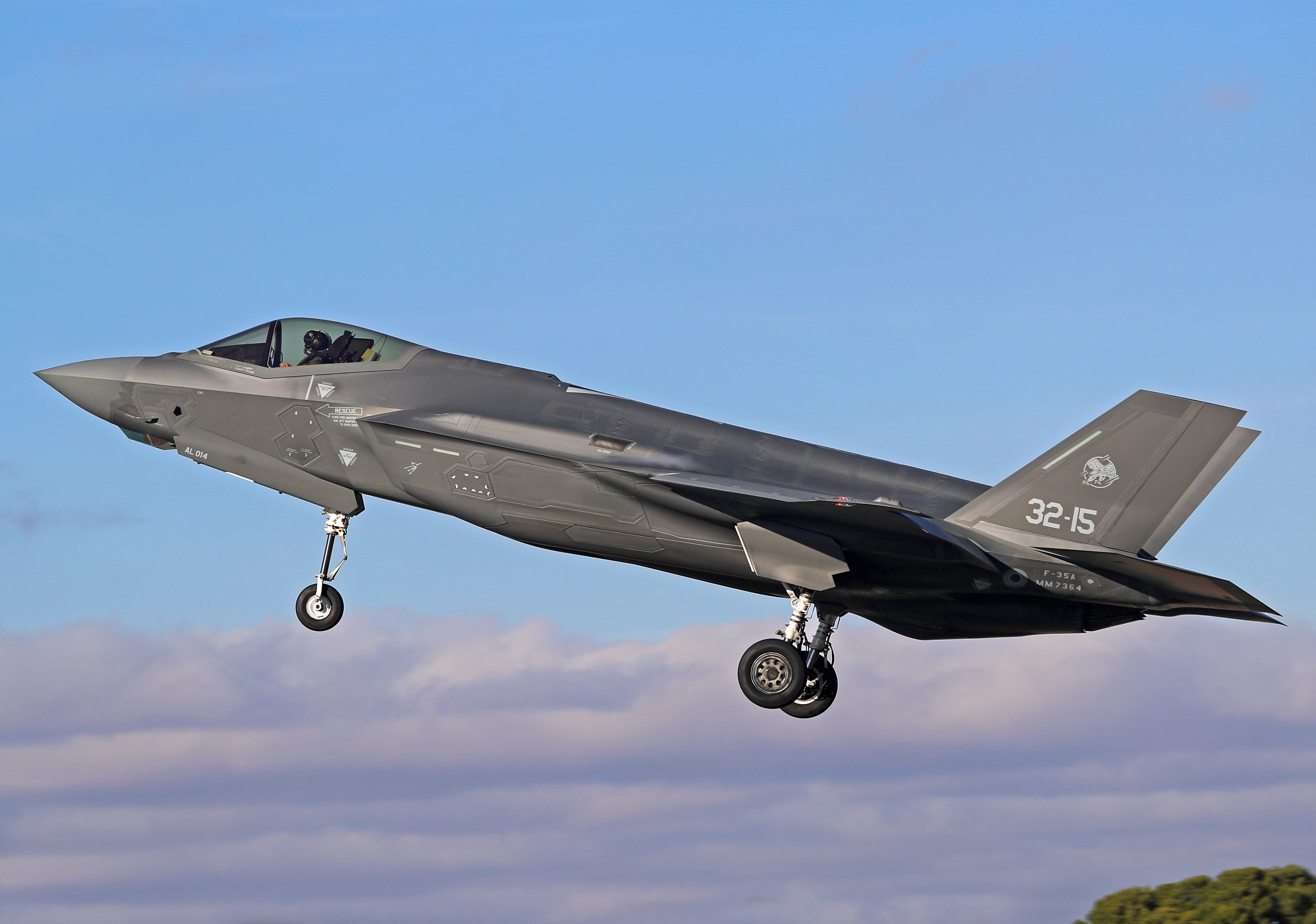
The Su-24 is a low-level penetration and precision strike aircraft, while the Su-27, bearing Kaliningrad-based unit markings, is a long-range air superiority fighter typically used to escort and protect strike aircraft. NATO assessments indicate these sorties originate from forward-based assets in the Kaliningrad exclave, enabling rapid deployment to test Alliance reaction times.
The Italian F-35s, operated by the 32nd Wing detachment at Ämari, bring advanced stealth, radar, and sensor capabilities to NATO’s Quick Reaction Alert network, allowing early detection and tracking of multiple threats.
Their deployment in this interception provides NATO with both tactical advantage and intelligence-gathering opportunities on Russian aerial behavior. While NATO F-35s have participated in air policing before, this is the first known case involving Italian-operated aircraft in a Baltic interception.
Earlier, on July 22, 2025, NORAD intercepted Russian Tu-95MS strategic bombers escorted by Su-35S and Su-30SM fighters in the Alaskan Air Defense Identification Zone. US F-35 and F-16 jets were scrambled to identify and monitor the formation, which remained in international airspace. The 15-hour Russian mission over the Bering Sea included aerial refueling and was seen as part of ongoing efforts to assess NORAD’s response capabilities.
Discuss this article:

-f8b795e6bf1d73fc2fdbfd74f5e7ea96.jpeg "Massive flames and thick black smoke rise from the Omsky Kauchuk chemical plant in Russia following a Ukrainian drone strike on October 24, 2026. (Source: Exilenova+)")