- Category
- Latest news
Russia Plans Mass Jellyfish Harvest in Sea of Azov, Sparking Ecological Disaster Fears
 Prefer U24 Media on Google
- Authors

-c439b7bd9030ecf9d5a4287dc361ba31.jpg "Photo of Katherina Popilnichenko")
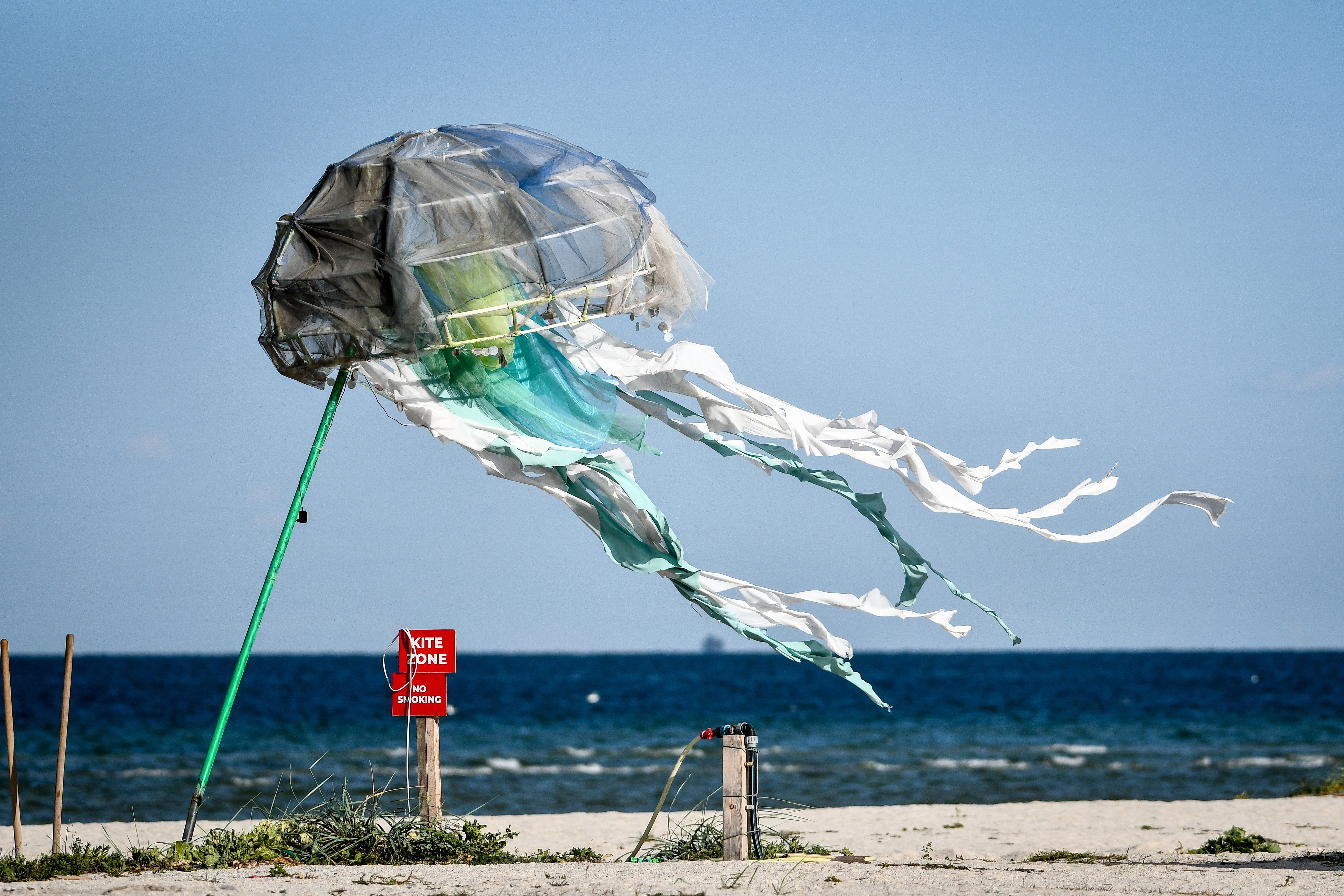
The Sea of Azov is facing a potential ecological disaster as plans emerge for a large-scale jellyfish harvest.
The occupation administration and the Russian Federal Agency for Fisheries are preparing to remove a significant number of jellyfish from the water, according to the National Resistance Center on April 16.
We bring you stories from the ground. Your support keeps our team in the field.
While official reports suggest the move is intended to clean beaches and support the local tourism season, the National Resistance Center claims the action is a harmful intervention in the ecosystem for financial gain.
The center stated that “The occupiers are preparing an ecological catastrophe. The occupation administration, together with ‘Rosrybolovstvo,’ is preparing a large-scale catch of jellyfish in the Sea of Azov. Officially, they cover themselves with concern for the beaches and the ‘resort season,’ but in reality, it is about another barbaric intervention in the ecosystem for the sake of quick profit.”
Jellyfish play a vital role in maintaining the biological balance of the sea. They help control the plankton population and support the overall marine environment. Removing them in large quantities could lead to uncontrolled water blooming, a drop in oxygen levels, and the loss of fish stocks.
The National Resistance Center described the situation as “a typical example of a ‘scorched earth’ strategy, where the future of the region is sacrificed for instant enrichment.”
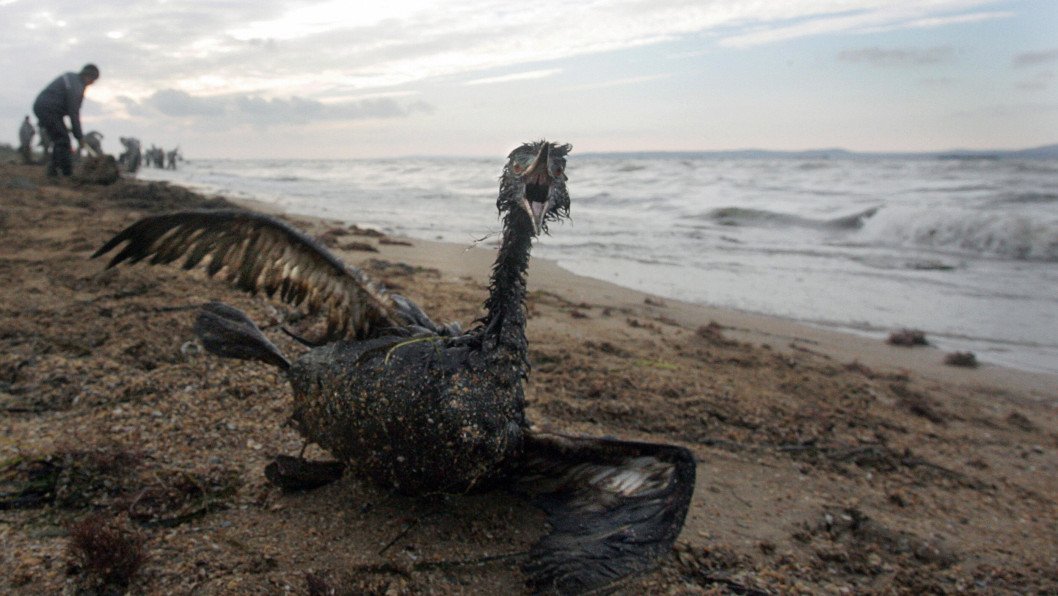
Reports from Ukrinform also indicate that the general environmental situation in the Sea of Azov has become increasingly critical due to activities following Russia’s full-scale invasion of Ukraine.
Experts warn that the removal of these organisms could have long-lasting negative effects on the region’s biodiversity.
Previously, Ukrainian officials reported that Russian forces had amassed around 300 boats in the Kherson region in preparation for a possible airborne assault across the Dnipro River.
According to Yurii Tkachuk of the National Guard’s Omega unit, Russia was moving equipment along the Kinburn Spit and attempting to seize islands to expand its drone and mortar strike range.
Discuss this article: