- Category
- Latest news
Russia Accused of 10,000 Chemical Attacks in Ukraine, Evidence Sent to The Hague
 Prefer U24 Media on Google
- Authors


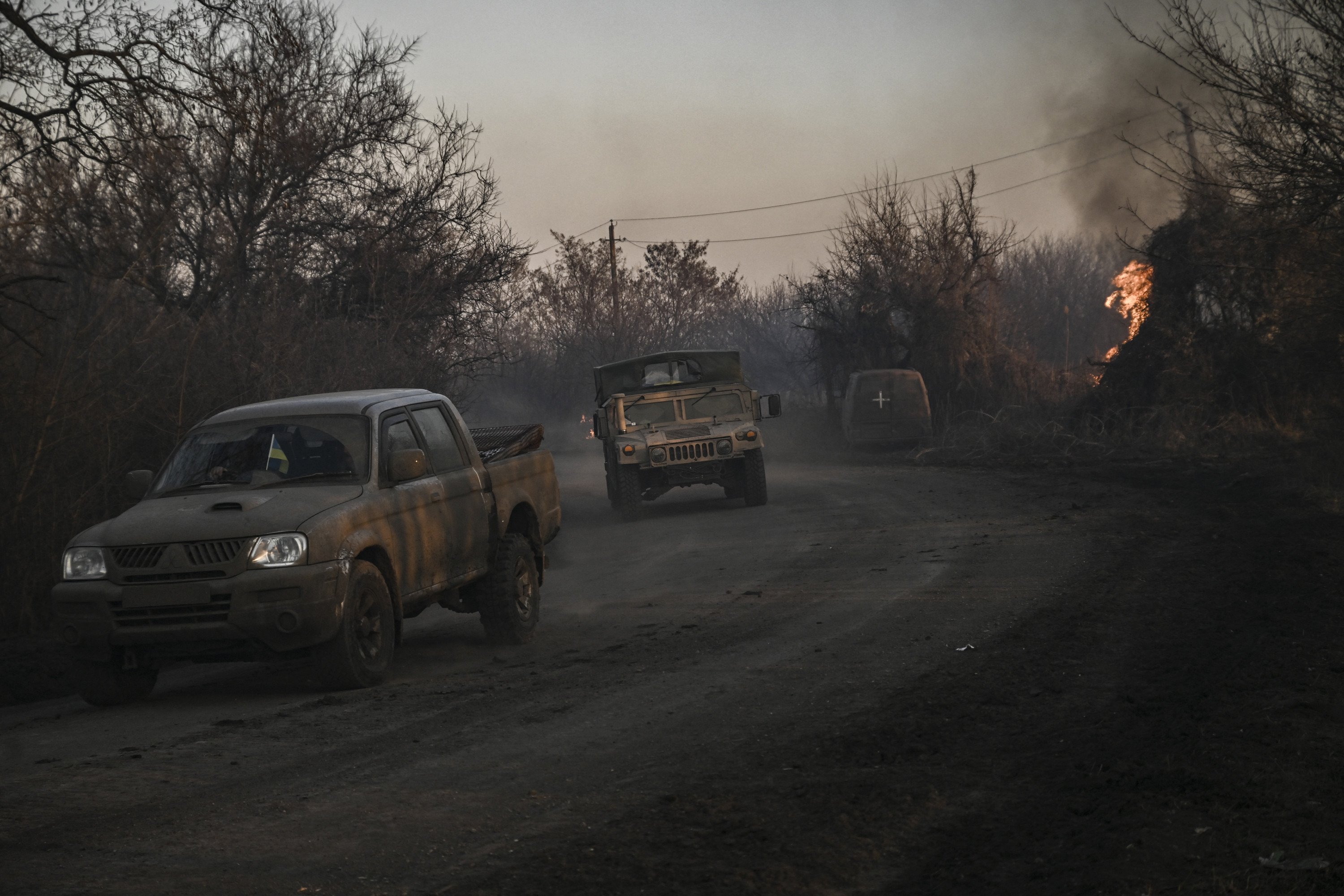
The Security Service of Ukraine (SBU) has documented more than 10,000 cases of chemical weapons use by Russian forces against Ukrainian Defense Forces since the beginning of the full-scale invasion.
The evidence has been submitted to the Organisation for the Prohibition of Chemical Weapons (OPCW) in The Hague.
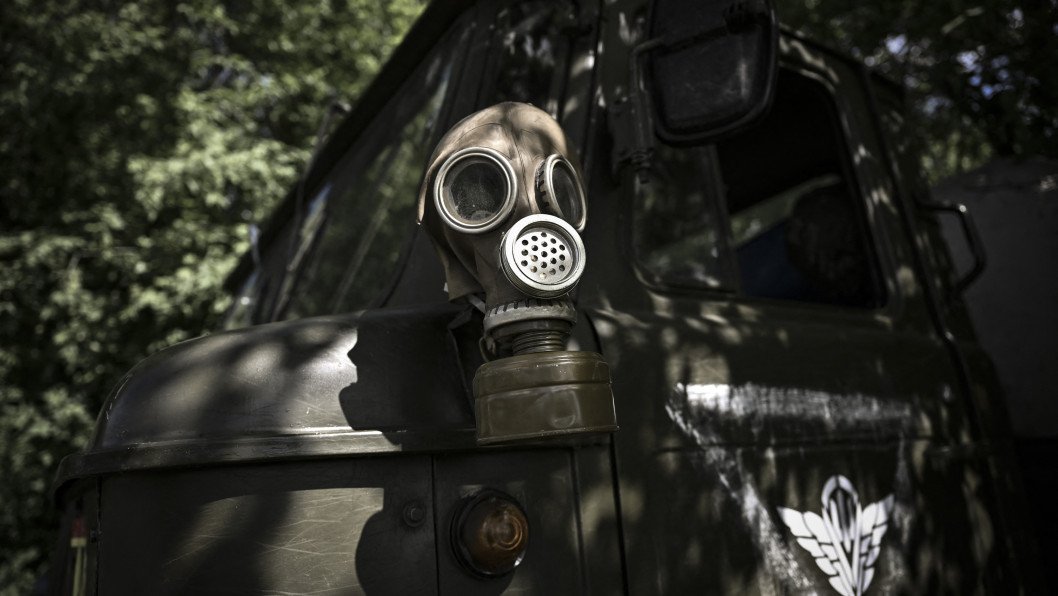
According to the SBU, Russian troops have systematically employed aerosol grenades containing irritant agents CS (chlorobenzylidene malononitrile) and CN (chloroacetophenone), as well as ampoules filled with chloropicrin.
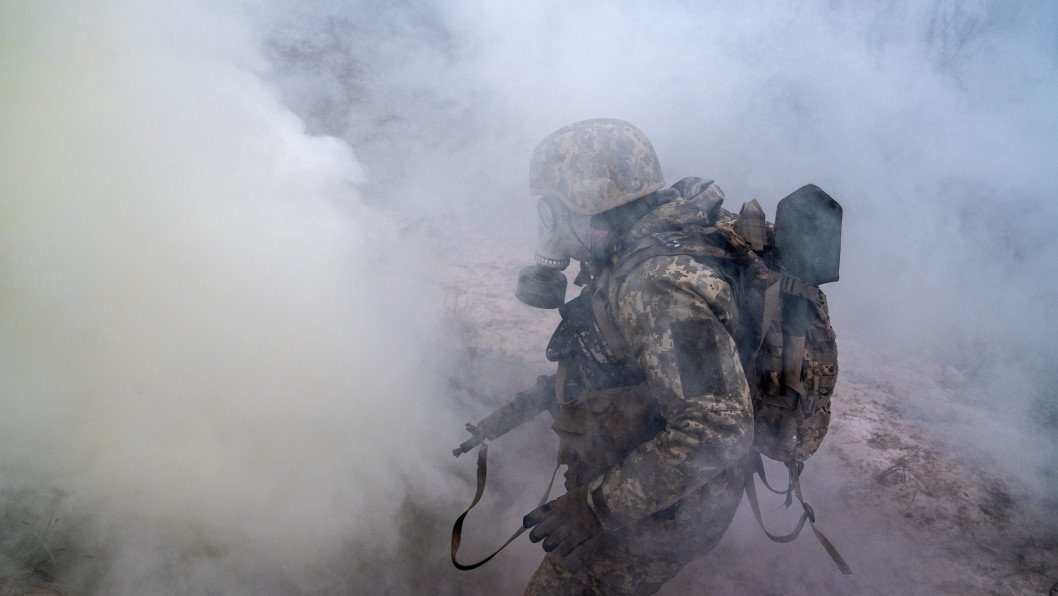
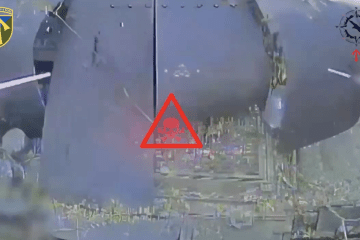
These chemical munitions are frequently deployed via FPV drones, targeting frontline positions to force Ukrainian personnel out of defensive structures and into exposed areas under direct fire.
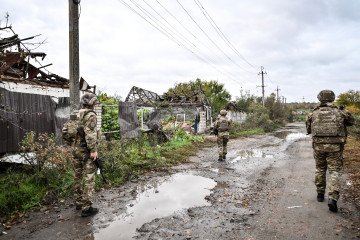
The SBU noted that the highest concentration of these attacks has been recorded along the eastern front and during Russian strikes on the Nikopol district in the Dnipropetrovsk region.
The use of such weapons violates the 1993 Chemical Weapons Convention, which prohibits the development, production, stockpiling, and use of chemical weapons. Russia is a signatory to the convention.
To support international accountability mechanisms, the SBU has transferred material evidence to the OPCW for independent laboratory analysis. The OPCW has since published three reports confirming the use of toxic chemical agents by Russian forces in the context of the ongoing war.
In response, the European Council has imposed sanctions on specific Russian military units and institutions involved in the development and deployment of chemical weapons.
Sanctioned entities include Russia’s Radiological, Chemical, and Biological Defense Troops, as well as the 27th Scientific Center and the 33rd Central Research and Testing Institute of the Russian Ministry of Defense.
Ukraine’s domestic investigation is being conducted under Article 438 of the Criminal Code, which pertains to war crimes. As part of this effort, the SBU previously issued a notice of suspicion in absentia to Lieutenant General Igor Kirillov, commander of Russia’s chemical defense forces, for his alleged role in overseeing and coordinating the use of chemical agents on the battlefield.
Ukrainian authorities continue to work in cooperation with international organizations to ensure that all individuals involved in the planning, authorizing, or executing chemical attacks are held accountable.
Earlier in July, Dutch intelligence confirmed Russia’s large-scale and systematic use of banned chemical weapons in Ukraine, including chloropicrin and improvised gas munitions. Dutch officials warned the tactic is becoming normalized and called for Russia’s removal from the OPCW Executive Council.
Discuss this article:

-111f0e5095e02c02446ffed57bfb0ab1.jpeg "Photo of Roman Kohanets")

-7647a088f8ed2b81f52ab779f3a93cd0.png "Equipment and personal gear belonging to Ukrainian troops from the 425th Separate Assault Regiment “Skelya” are transported on a small wagon through an underground gas pipeline near Kupiansk. (Source: 425th Separate Assault Regiment “Skelya”)")
-72b63a4e0c8c475ad81fe3eed3f63729.jpeg "Photo of Cyril Barabaltchouk")