- Category
- Latest news
Russia Designates Stanford University as Undesirable Organization
 Prefer U24 Media on Google
- Authors

-c439b7bd9030ecf9d5a4287dc361ba31.jpg "Photo of Katherina Popilnichenko")

The Russian Ministry of Justice has added Stanford University to its registry of "undesirable organizations."
The decision to blacklist one of the world’s largest and most prestigious American universities, which is associated with 85 Nobel laureates, was made by the Prosecutor General's Office of the Russian Federation, according to Interfax on April 10.
We bring you stories from the ground. Your support keeps our team in the field.
The list was also expanded to include the US-based Center for Russian, East European and Eurasian Studies and the German non-governmental organization Crisis Simulation for Peace.
Founded in the late 19th century, Stanford is consistently ranked among the top three universities globally in major academic standings such as the QS World University Rankings.
Notably, the institution's alumni include Kirill Dmitriev, the head of the Russian Direct Investment Fund and the Russian president's special envoy for negotiations with Ukraine, who earned an economics degree there in 1996.
Organizations designated as undesirable by the Kremlin are prohibited from operating within Russia. Individuals who continue to cooperate with these entities face the risk of prosecution. Under Article 284.1 of the Russian Criminal Code, participation in the work of such an organization can lead to fines of up to $6 487 or imprisonment for up to four years.
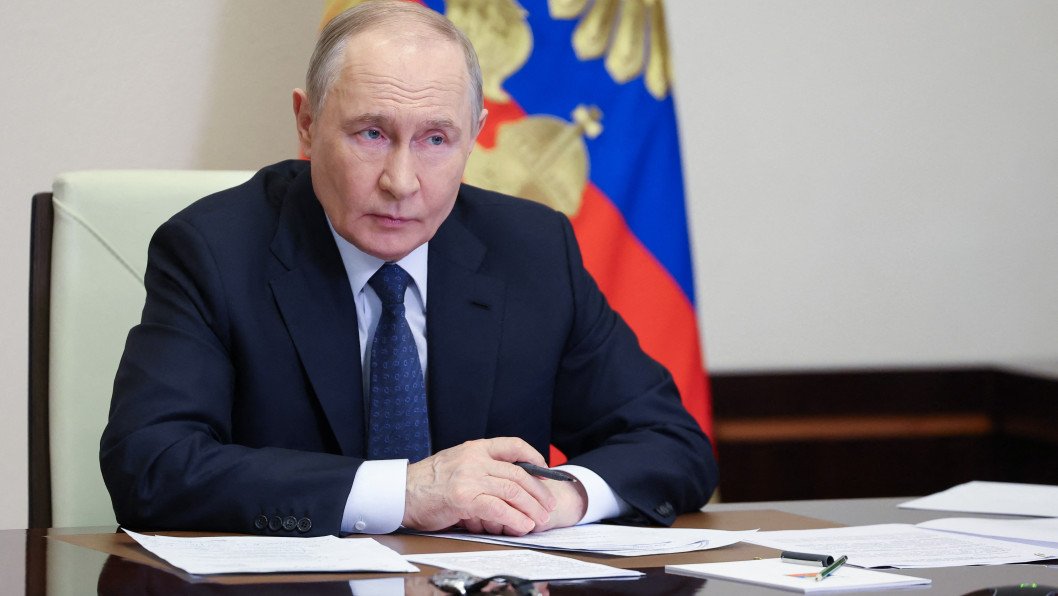
Stanford joins several other international educational institutions previously targeted by Russian authorities. This group includes George Washington University, Yale University, the University of California, Berkeley, and Tufts University.
In the case of Tufts and its Fletcher School of International Affairs, the Prosecutor General's Office cited their support for Ukraine and the alleged distribution of "unreliable information about Russia" as reasons for the designation.
Data indicates that Russian authorities have labeled at least 19 Western universities, educational alliances, and programs as undesirable over the last five years.
Previously, the Russian Prosecutor General designated Yale University as an "undesirable organization," alleging that the institution had engaged in activities aimed at undermining the country’s national security and economic stability.
Authorities claimed that Yale had supported initiatives to destabilize the socio-economic and political situation within Russia. The Prosecutor General’s Office further accused the university of promoting efforts to isolate Russia internationally and contributing to the erosion of its territorial integrity.
Additionally, officials asserted that Yale had played a role in developing legal frameworks for the confiscation of frozen Russian assets to support Ukraine.
Discuss this article:
-9a7b3a98ed5c506e0b77a6663f5727c5.png)





-72b63a4e0c8c475ad81fe3eed3f63729.jpeg "Photo of Cyril Barabaltchouk")