- Category
- Latest news
Russia Expands Precision Strikes With New Krasnopol-M2 Shells That Bypass GPS Jamming
 Prefer U24 Media on Google
- Authors


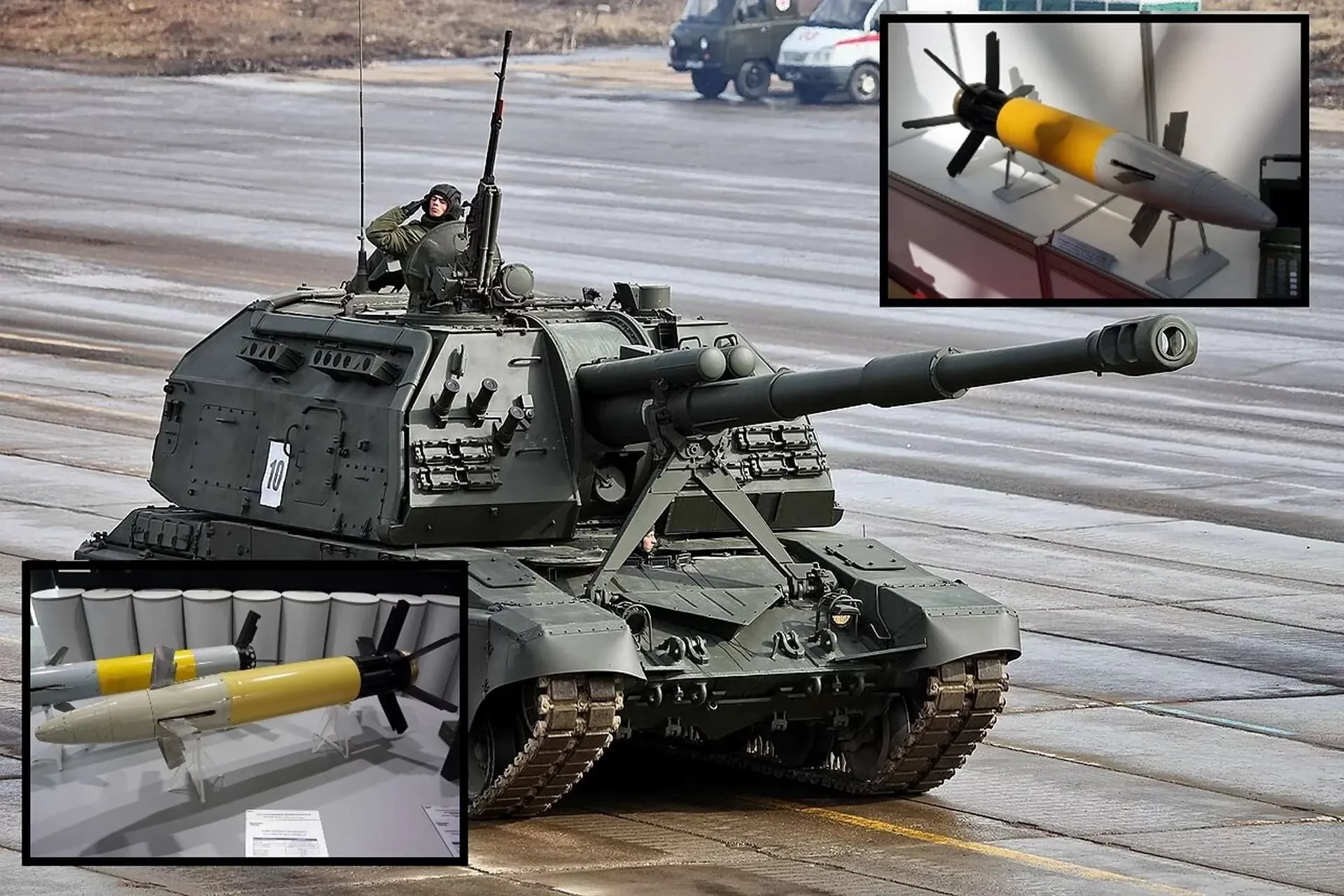
Russia has confirmed new frontline deliveries of Krasnopol-M2 laser-guided artillery shells, signaling a broader effort to strengthen precision fire capabilities amid Ukraine’s counter-battery and electronic warfare operations, Army Recognition reported on November 9.
According to Army Recognition, the shells were supplied by Rostec’s High Precision Systems, part of the state defense conglomerate responsible for Russia’s guided munitions portfolio.
Rostec official Bekhan Ozdoyev said such precision systems are “highly needed,” underscoring Moscow’s aim to conserve ammunition stocks while improving strike accuracy and reaction speed.
-0fb2ae4b19378976e0bf42d513494bf7.jpg)
The Krasnopol-M2 is a 152 mm semi-active laser-guided projectile designed to engage point targets at ranges of roughly 20–25 km.
According to Army Recognition, when fired from newer long-barrel systems such as the 2S35 Koalitsiya-SV, the Krasnopol-M2 can reportedly reach ranges of 30 to 40 kilometers, though actual performance depends on factors like gun type, propellant, and laser designation quality.
Unlike satellite-guided rounds, the M2 relies on laser illumination during its terminal phase, making it less vulnerable to GPS jamming—a key factor in Ukraine’s electronic warfare environment. However, the system requires line-of-sight to the target and depends on drones or forward observers to provide continuous laser designation.
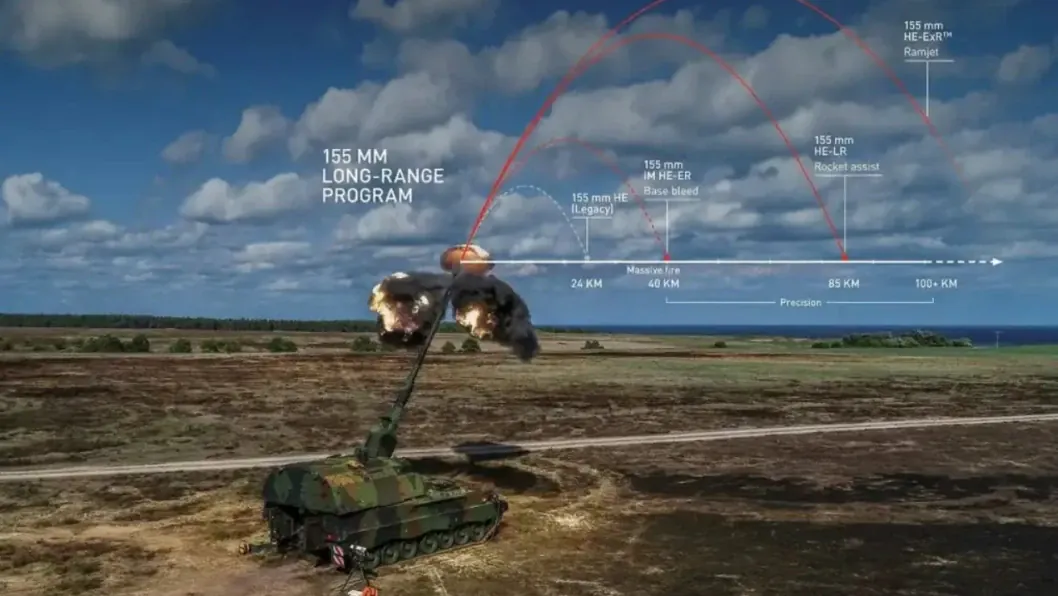
Russian forces have increasingly used Krasnopol rounds in coordination with reconnaissance drones and forward observers to deliver precision strikes against Ukrainian artillery positions, armored vehicles, and command posts. This approach supports short “shoot-and-scoot” missions, reducing exposure to Ukrainian counter-battery fire.
By combining guided artillery with small UAVs, Russia seeks to increase efficiency—requiring fewer rounds per target—and to minimize the time between detection and engagement, according to Army Recognition.
Earlier in April 2025, Russia’s Kalashnikov Concern announced a ramp-up in production of its Kitolov-2M laser-guided shells for 122 mm howitzers, aiming to boost output of precision munitions by 60% compared to 2024. Despite limited evidence of battlefield use, the system—seen as a smaller counterpart to the Krasnopol—continues to be produced under state defense contracts.
Discuss this article: