- Category
- War in Ukraine
Russia Targets Pensioners’ Bank Deposits as Subsidy Rules Tighten in Temporarily Occupied Ukraine
 Prefer U24 Media on Google
- Authors

-111f0e5095e02c02446ffed57bfb0ab1.jpeg "Photo of Roman Kohanets")
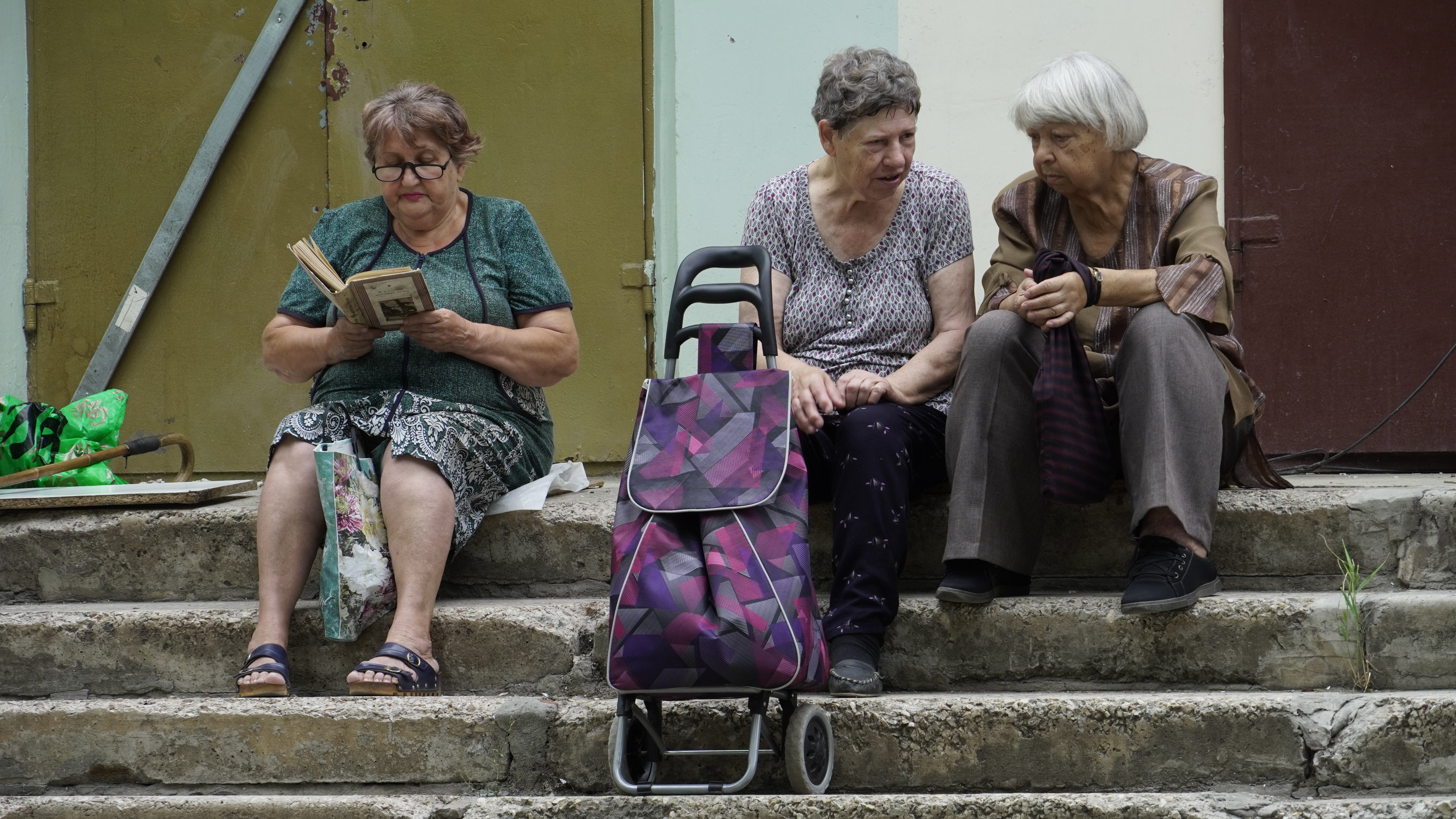
Russian occupation authorities will begin counting pensioners’ bank deposit interest when assessing eligibility for social benefits in occupied Ukrainian territories starting in June 2026, Ukrinform reported on May 18.
The measure will factor in deposit interest when assessing pensioners’ “financial need,” affecting access to regional supplements, utility subsidies, and other social support.
We bring you stories from the ground. Your support keeps our team in the field.
Interest income above the threshold of about $1,800 will be subject to a 13% personal income tax. Pensioners with modest base payments could lose subsidies if deposit interest is counted as additional income.
The outlet described the measure as part of a wider pattern of administrative and financial pressure in Russian-occupied parts of Ukraine.
Elderly residents are first pushed into Russian banking, pension, and registration systems, then those same systems are used to monitor income, restrict benefits, and impose new financial obligations.
The policy could leave pensioners more dependent on occupation authorities for basic payments while giving those authorities greater control over access to social support.
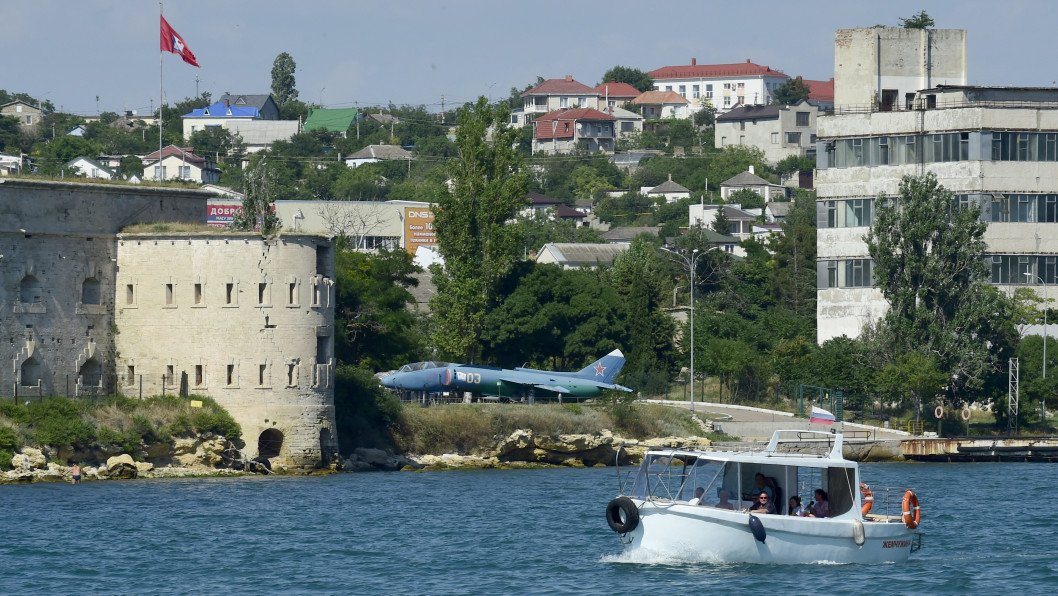
The Mariupol move reflects a broader expropriation mechanism now codified in Russian law. Authorities approved legislation on December 10 that allows occupation administrations to classify homes in occupied Ukrainian territories as "unclaimed" and transfer them to new users.
The measure applies across Russian-occupied parts of Ukraine and places property owners at risk if they cannot confirm ownership under occupation rules.
The Center for Countering Disinformation reported that the expropriation process is set to continue until 2030, extending the threat to displaced residents and those who remain under occupation.
Discuss this article:
-9a7b3a98ed5c506e0b77a6663f5727c5.png)


-c439b7bd9030ecf9d5a4287dc361ba31.jpg "Photo of Katherina Popilnichenko")