- Category
- Latest news
Russia’s Automakers Kamaz and AvtoVAZ Struggling With Financial Losses and Market Decline
 Prefer U24 Media on Google
- Authors


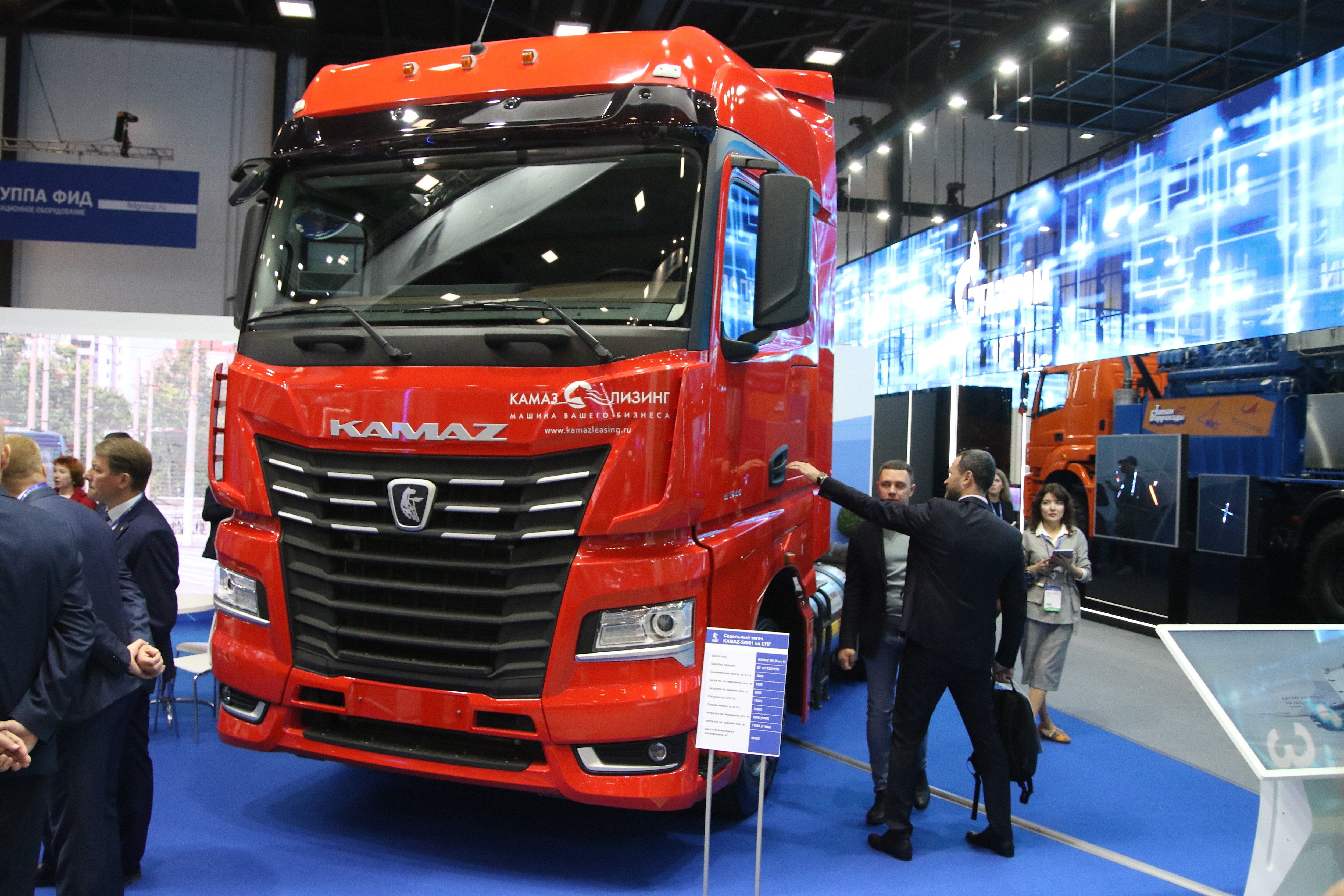
Russia's two largest automakers, Kamaz and AvtoVAZ, are experiencing a systemic crisis that official rhetoric about the “resilience” of the industry can no longer conceal, according to Ukraine’s Foreign Intelligence Service on April 9.
Starting from June 1, 2026, Kamaz, Russia’s leading manufacturer of heavy trucks, will operate on a four-day workweek, a measure that had been previously implemented in the summer of 2025.
We bring you stories from the ground. Your support keeps our team in the field.
In 2025, Kamaz reported a loss of $284 million from sales, a stark contrast to the previous year’s profit of $11.3 million. Furthermore, in March 2026, the Russian rating agency ACRA downgraded Kamaz's credit rating from AA(RU) to A(RU), citing a sharp decline in profitability and worsening debt servicing capacity.
Sales of heavy trucks in Russia plummeted by approximately 40% in January and February 2026 compared to the same period the previous year. The primary reason for this decline is the Central Bank’s stringent monetary policies, which have made loans and leasing virtually inaccessible.
Despite holding 37% of the heavy-duty truck market, Kamaz faces stiff competition from Chinese manufacturers FAW and Sitrak, which together control 21% of the market. In the medium-duty truck segment, brands like JAC, Dongfeng, and Foton hold around 20% of the market, offering better specifications at lower prices. Kamaz’s management does not anticipate profits in 2026, with expectations focused solely on breaking even.

“AvtoVAZ is sending employees on corporate leave in May, citing ‘extensive production line modernization.’ The real reason is more prosaic: the warehouses are overcrowded due to weak demand,” the service noted.
According to the statement, in March 2026, while the overall market for new cars in Russia grew by 31%, Lada’s sales dropped by 17.4%. AvtoVAZ became the only major player to miss out on the general market recovery. The company faces increasing competition from localized Chinese models such as Haval, Tenet, and Belgee, as well as global brands entering the Russian market through parallel imports. Lada is struggling to compete both in terms of price and consumer features.
Meanwhile, Chinese companies have started supplying large quantities of counterfeit car parts to Russian online marketplaces, affecting both foreign and domestic vehicle brands.

This trend has intensified sharply in 2025, with Ilarion Demchikov, marketing director at the auto parts marketplace Emex, stating that the number of counterfeit parts in the Russian market surged by more than 20% during the first quarter alone.
According to Emex, commonly counterfeited items include wiper blades, brake discs and pads, filters, and automotive fluids. These counterfeit parts also include products for foreign car brands that have pulled out of the Russian market, such as batteries for German vehicles, LED lights, filters for Korean cars, and other consumables.
Additionally, Porsche owners across Russia are facing issues with their vehicles becoming inoperable due to a malfunction of the factory-installed satellite alarm system, according to the Rolf dealership network, as reported by RBC on December 1.
The problem was initially brought to attention by the Telegram channel Shot, which reported that hundreds of Porsche cars in cities like Moscow and Krasnodar had become “bricks,” unable to start or unlock. Drivers explained that the alarm system suddenly went offline, rendering the cars immobile.
Discuss this article:


-c439b7bd9030ecf9d5a4287dc361ba31.jpg "Photo of Katherina Popilnichenko")