- Category
- Latest news
Strela-10 and Nona-S Fall as Ukrainian Drones Strip Russia’s Defenses
 Prefer U24 Media on Google
- Authors


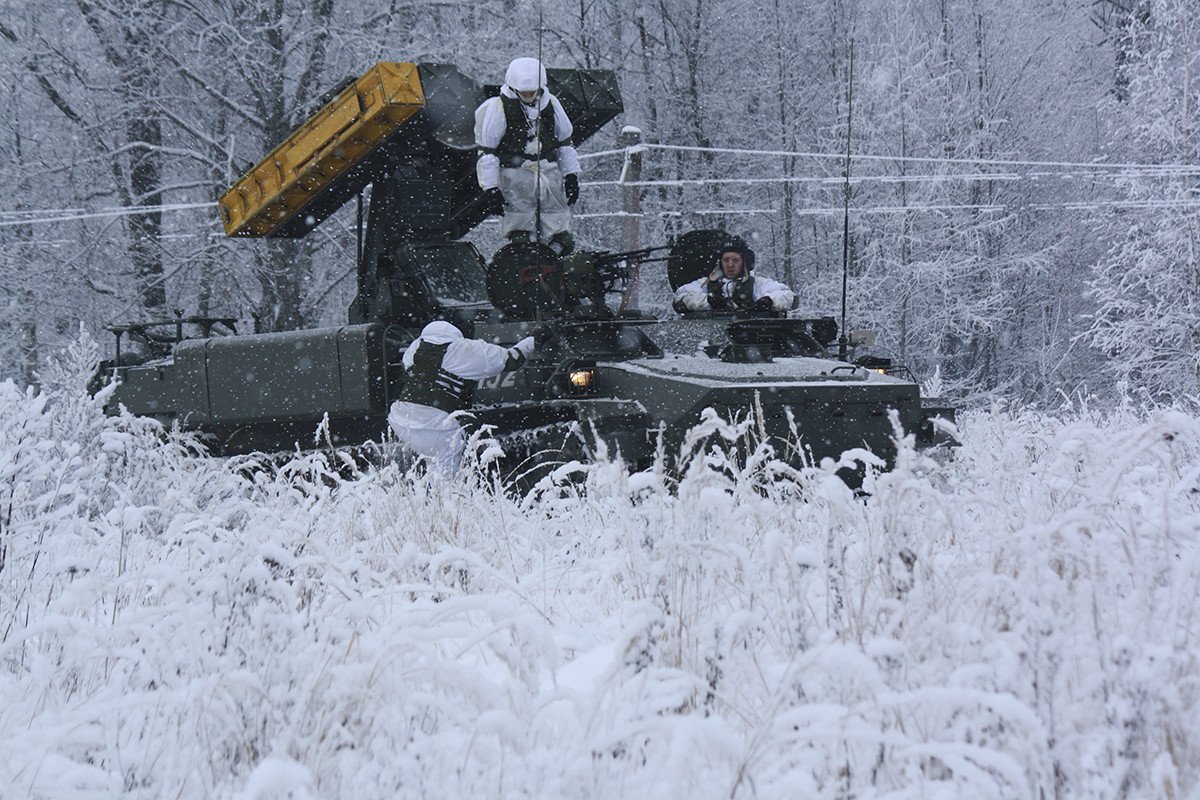
Over the course of three days, units of Ukraine’s 39th Separate Coastal Defense Brigade, working in coordination with FPV and Vampire strike-drone crews, destroyed two key Russian combat systems: a Strela-10 surface-to-air missile system and a 2S9 Nona-S self-propelled artillery installation, the brigade confirmed on December 22.
We bring you stories from the ground. Your support keeps our team in the field.
According to the unit, the attacks were carried out by FPV and Vampire drone teams from the 34th Venom Unmanned Systems Center. The strikes were conducted methodically, with operators first locating the targets and then delivering follow-up attacks to ensure their destruction.
Eliminating the Strela-10 significantly reduced Russia’s ability to shield its forces from aerial reconnaissance and drone strikes in the area. The destruction of the Nona-S, meanwhile, weakened Russian artillery firepower along that sector of the front.
Brigade representatives said this approach—systematically targeting and removing critical enemy assets—limits Russia’s ability to maneuver and apply sustained fire pressure against Ukrainian defensive positions.
The Strela-10, known to NATO as the SA-13 Gopher, is a Soviet-era short-range air defense system mounted on an MT-LB tracked chassis. It is designed to protect ground forces and military infrastructure from low-flying aircraft, helicopters, cruise missiles, and unmanned aerial vehicles operating within visual range. The system can engage targets at distances of up to five kilometers and at altitudes of up to 3.5 kilometers, using infrared and photocontrast guidance.
Ukrainian forces attacked and at least damaged a russian Strela-10 air defense system south of Nova Kakhovka using FPV and Vampire bomber drones.
— Road to Mars (@RoadtoMars9) December 22, 2025
📌: 46.700910, 33.375662@UAControlMap @GeoConfirmed pic.twitter.com/Dav4myVkYj
Ukrainian forces have previously reported multiple successful strikes against Strela-10 systems, often using FPV drones and loitering munitions, as part of a broader effort to erode Russian short-range air defense coverage.
The 2S9 Nona-S is a distinctive 120-mm self-propelled mortar-artillery system developed in the Soviet Union and introduced into service in the early 1980s.
Designed for both direct and indirect fire, it can engage infantry, artillery positions, armored vehicles, rocket launchers, and command posts using a range of mortar bombs and artillery rounds.
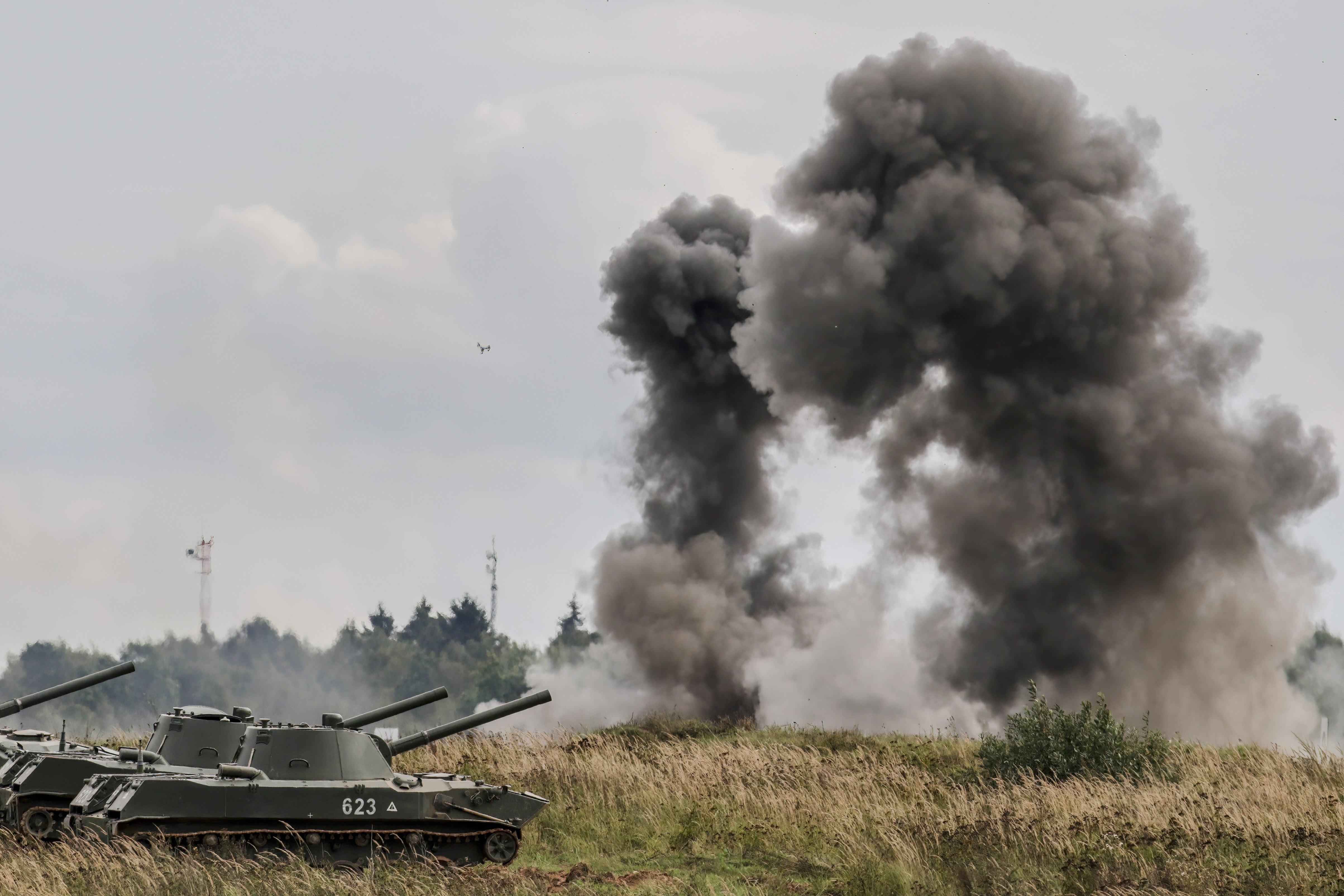
Mounted on an air-deployable tracked chassis derived from the BTR-D platform, the Nona-S has long been valued for its versatility, with estimates suggesting more than 1,000 units were produced.
Earlier, footage shared by the OSINT community showed Russian forces attempting to storm a Ukrainian position using a horse for transport, an assault that was ultimately halted by a Ukrainian drone strike.
Discuss this article: