- Category
- Latest news
UNESCO Grants Highest Protection to 19 More Ukrainian Heritage Sites Amid Relentless Russian Strikes
 Prefer U24 Media on Google
- Authors



UNESCO has approved Ukraine’s proposal to grant enhanced protection status to 19 additional cultural heritage sites, expanding the number of Ukrainian landmarks under the highest level of international legal protection to 46, according to Ukraine’s Ministry of Culture on December 4.
The decision was adopted during the 20th session of the UNESCO Committee for the Protection of Cultural Property in the Event of Armed Conflict.
We bring you stories from the ground. Your support keeps our team in the field.
“This makes Ukraine one of the countries with the largest number of cultural heritage sites covered by the highest level of humanitarian law protection,” said Tetyana Berezhna, Ukraine’s Vice Prime Minister for Humanitarian Policy and Minister of Culture. “We will continue expanding the list and strengthening legal mechanisms for cultural heritage protection.”
Deputy Minister for Digital Development Anastasia Bondar, who participated in the session, said Ukraine is implementing the Hague Convention and its two protocols by introducing criminal responsibility for violations of cultural property immunity, improving coordination between cultural authorities, the Defense Ministry, law enforcement and local administrations, and developing systems for risk management, heritage protection, and documenting war damage. She noted that Ukraine became the first country to successfully employ the ad hoc monitoring mechanism while under active attack from another state.
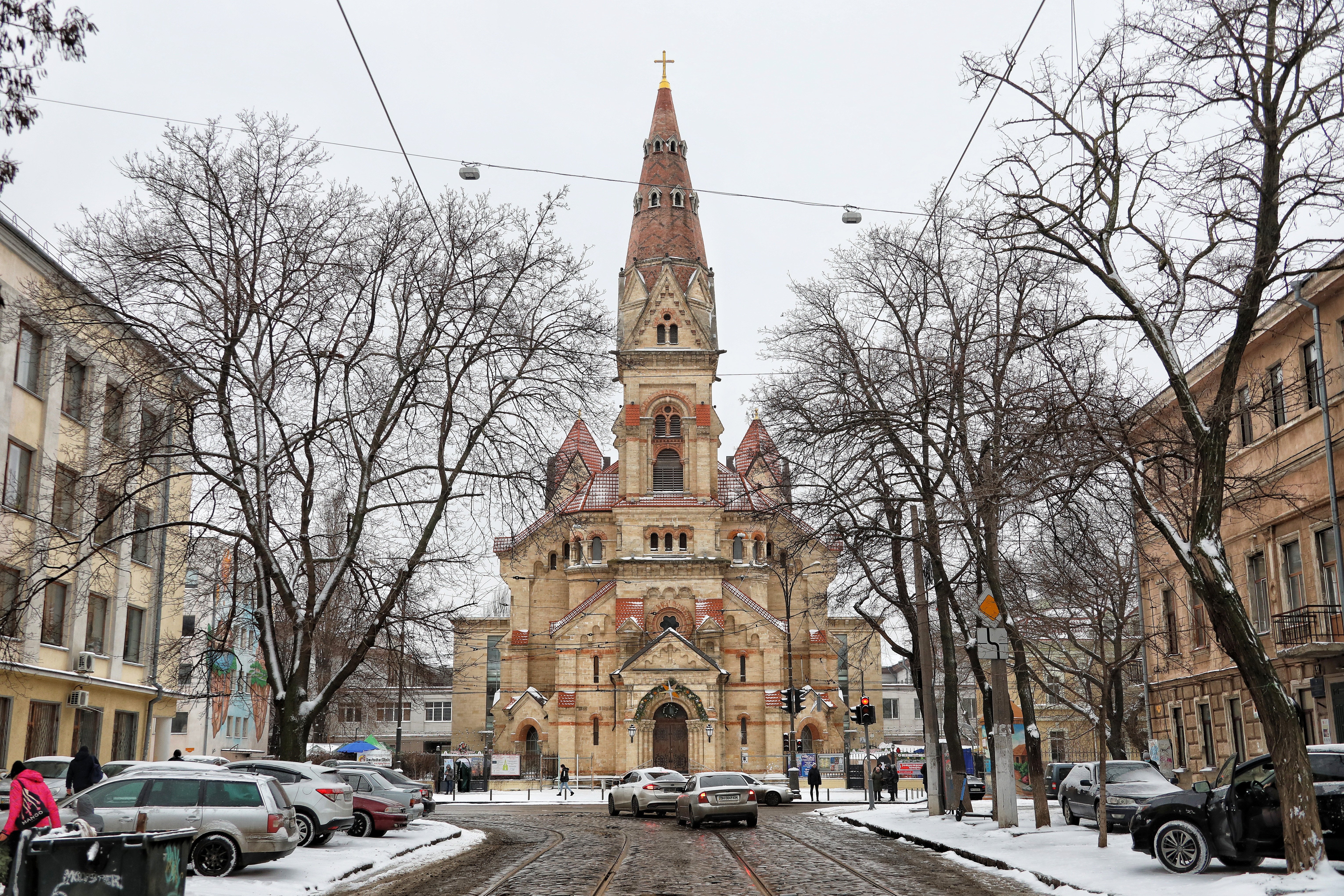
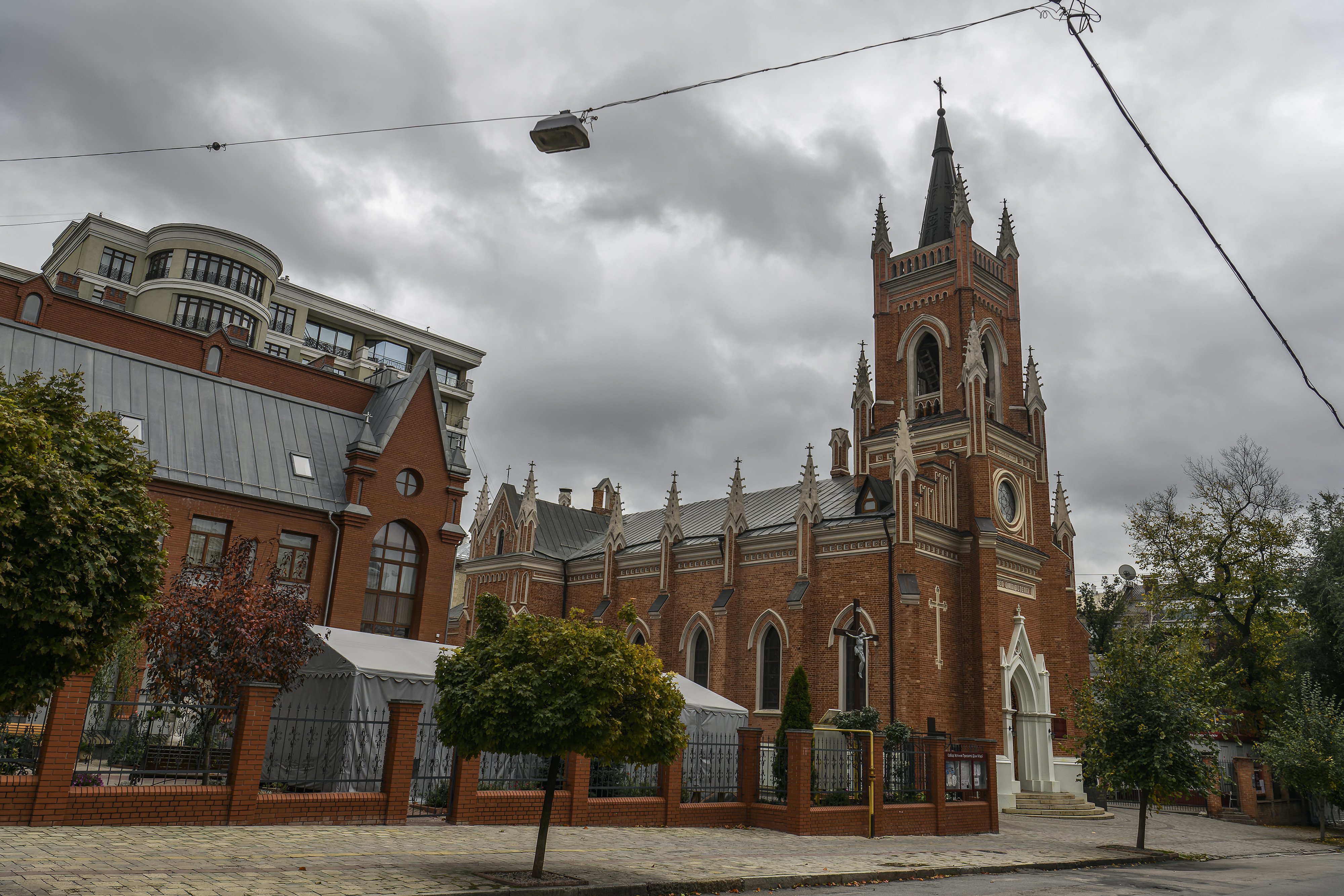
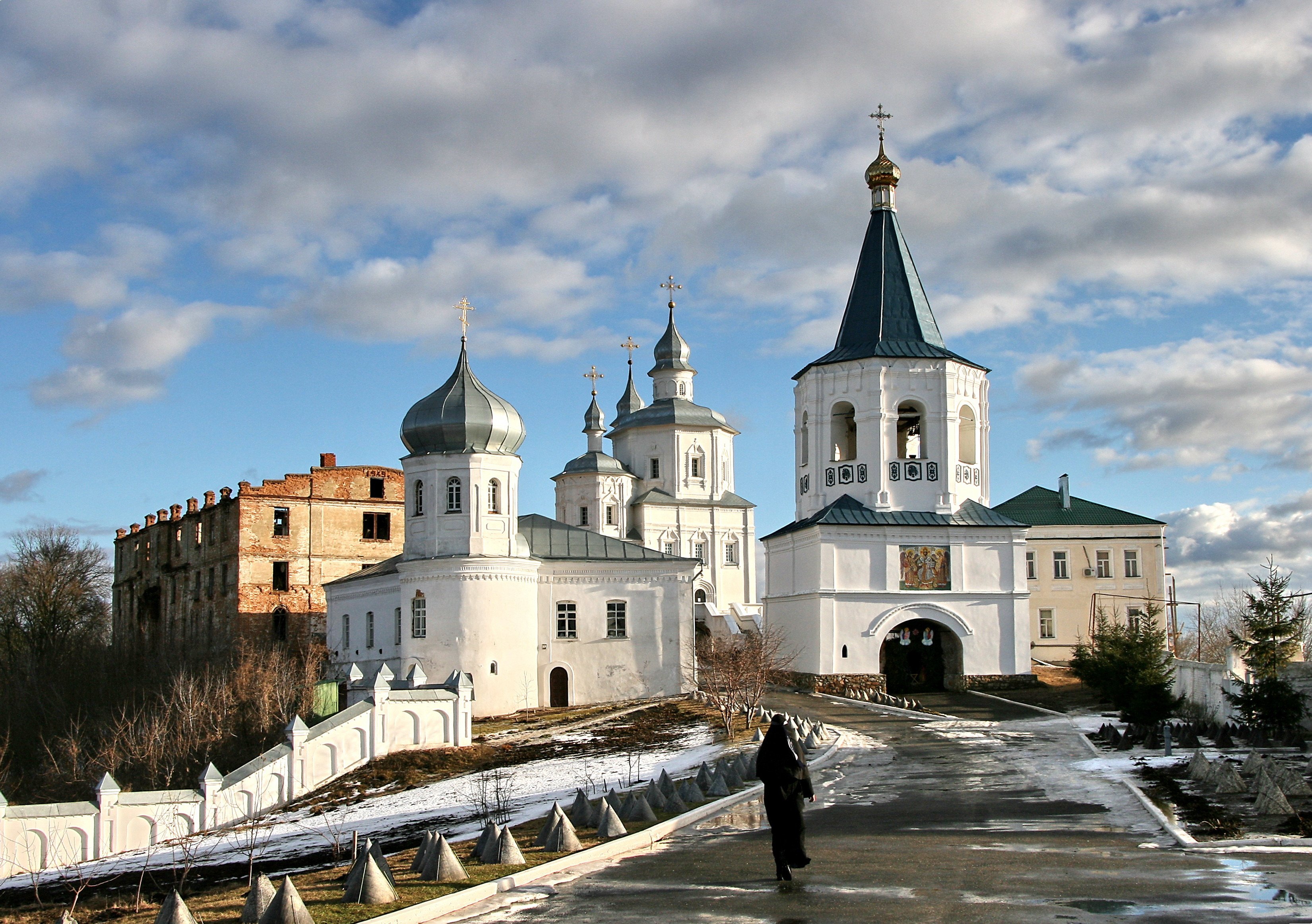
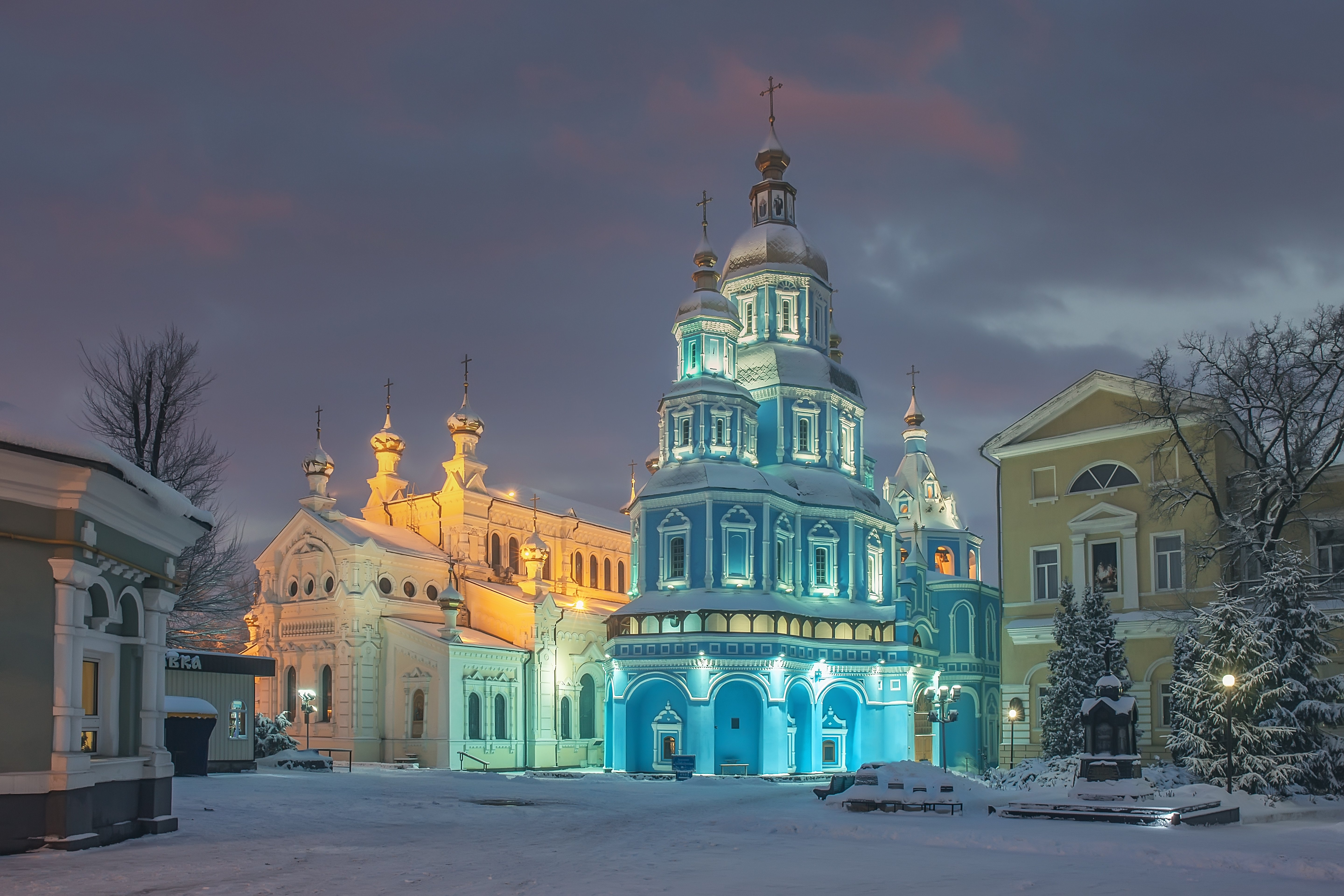
The newly protected list—expanded in 2025 with support from Ukrainian legal and heritage institutions and cooperation with the Ministry of Defense—includes major architectural, archaeological and museum sites such as:
Akkerman Fortress, located in Bilhorod-Dnistrovskyi, Odesa region;
Assumption Cathedral, located in Kharkiv;
Borysohlibskyi (Boris and Gleb) Cathedral, located in Chernihiv;
Taras Shevchenko Academic Drama Theatre, located in Kharkiv;
St. Paul’s Lutheran Church (Kirche building) located in Odesa;
L. Ye. Koenig Estate Palace (Main House), located in Trostianets, Sumy region;
Movchansky Monastery, located in Putyvl, Sumy region;
Pokrovska (Intercession) Church, located in Kharkiv;
Potemkin Stairs, located in Odesa;
Voskresenska (Resurrection) Church, located in Sumy;
Kyrylivska Church, located in Kyiv;
Spaso-Preobrazhensky Cathedral, located in Sumy;
Trinity Cathedral, located in Sumy;
Archaeological site of ancient Iskorosten located in Korosten, Zhytomyr region;
Archaeological complex “Baida Island” located in Zaporizhzhia;
Odesa Museum of Western and Eastern Art, located in Odesa;
Odesa National Art Museum, located in Odesa;
Odesa National Scientific Library, located in Odesa;
Museum of Arts of Prykarpattya a located in Ivano-Frankivsk.
Enhanced protection, defined in the Second Protocol to the 1954 Hague Convention, applies only to sites of great importance to humanity that are legally protected at the national level and not used for military purposes. Any violation of their immunity is considered a serious international crime with responsibility carried by both states and individuals.
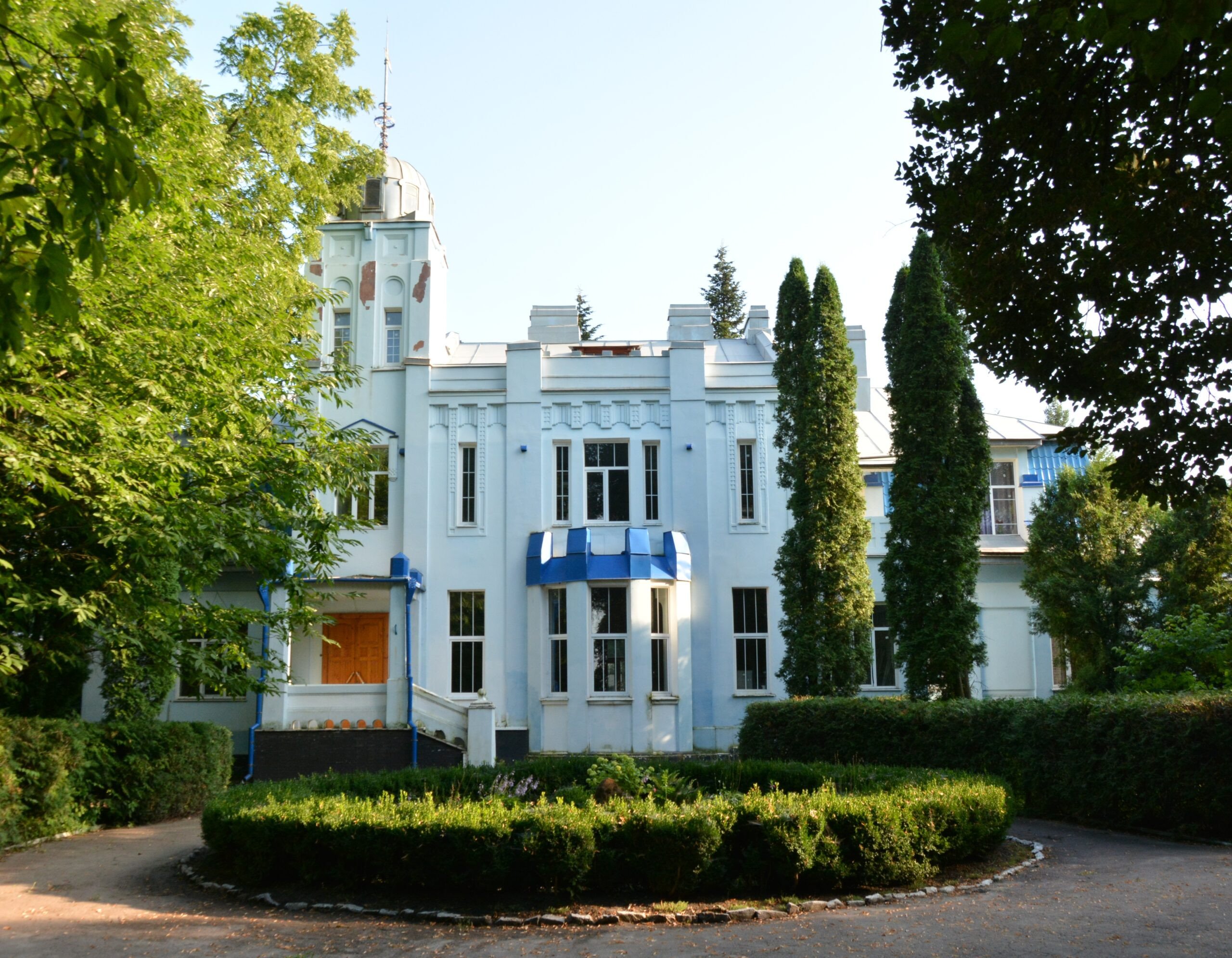
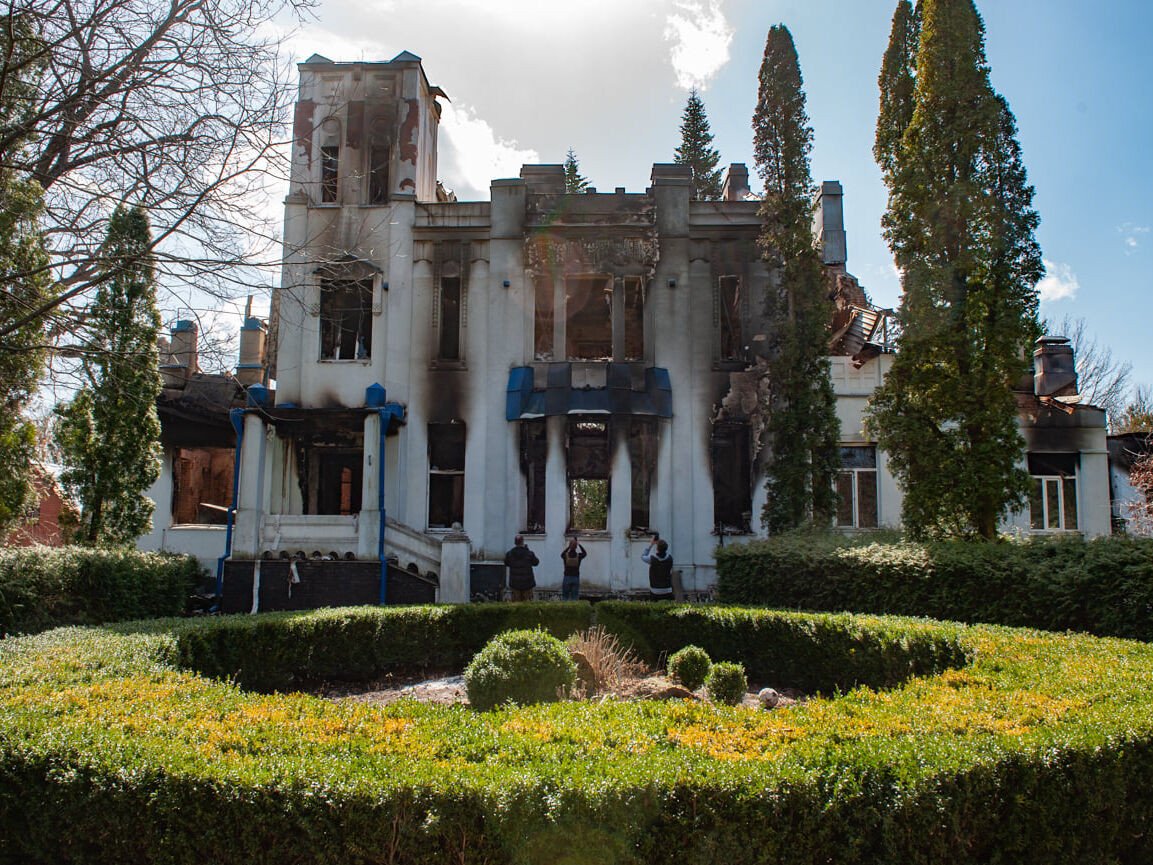
As the Ministry emphasized, the wartime expansion of the protected list represents a new global precedent.
“Granting this status during active hostilities demonstrates that Ukraine can safeguard cultural heritage even under the highest levels of threat,” said Lina Doroshenko, national coordinator for the implementation of the Hague Convention. “Our experience will shape future global standards for protecting cultural property in the 21st century.”
Prior to this decision, 27 Ukrainian sites were already included, predominantly those listed in UNESCO World Heritage registers—excluding territories currently under Russian occupation.
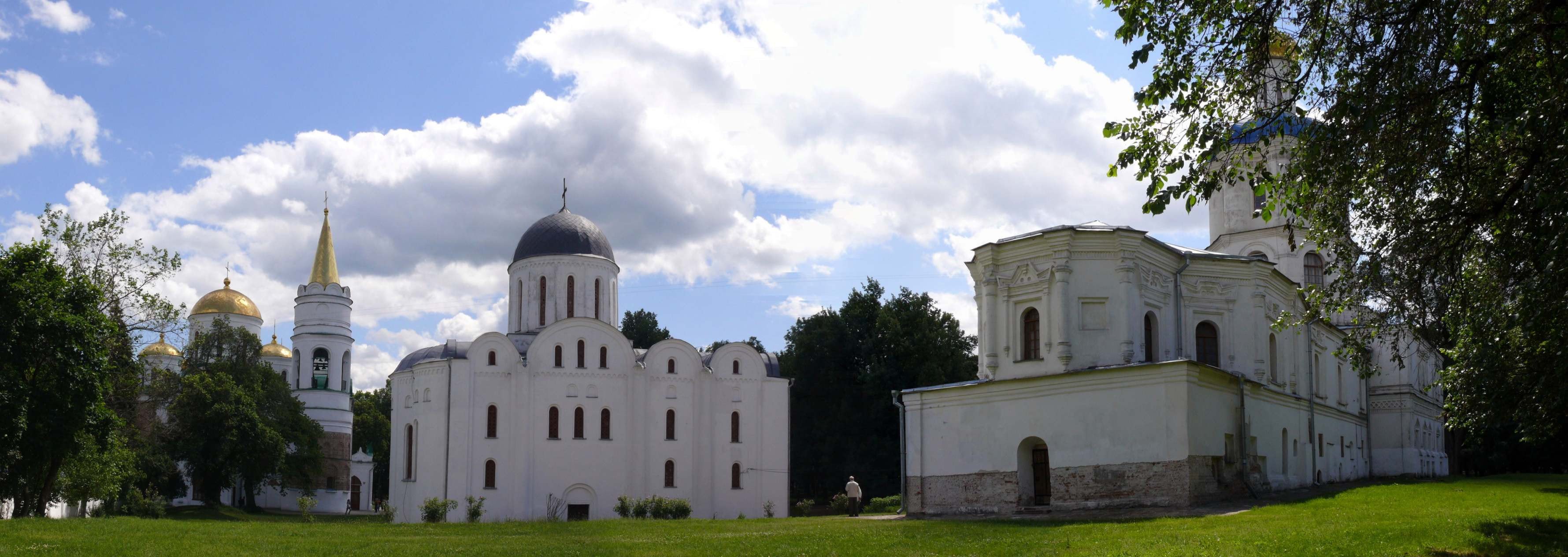
Earlier, Russian forces launched a massive overnight attack on several Ukrainian cities, targeting civilian infrastructure in Odesa, Cherkasy, and Mykolaiv with missiles and Iranian-made Shahed drones.
Among the targets, there was even a UNESCO-protected architectural monument in central Odesa.
Discuss this article:
-4a56a6b482ec132402c16ef6fcabf9a2.png)

-111f0e5095e02c02446ffed57bfb0ab1.jpeg "Photo of Roman Kohanets")


-72b63a4e0c8c475ad81fe3eed3f63729.jpeg "Photo of Cyril Barabaltchouk")