- Category
- Latest news
What Weapons Ukraine Could Receive if Azerbaijan Lifts Its Arms Export Ban
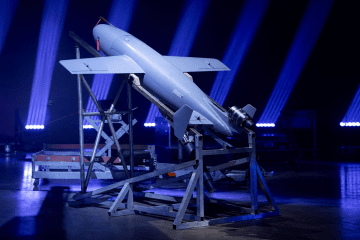
Baku may soon decide the fate of a vast arsenal—from howitzers to rocket systems—as it weighs whether some of its stockpiled weapons could find their way to Ukraine.
 Prefer U24 Media on Google
- Authors


Azerbaijan holds substantial stocks of Soviet- and Russian-made weapons that could potentially be transferred to Ukraine if Baku decides to lift its current arms export ban.
The discussion gained momentum after recent reports indicated that Azerbaijan is considering such a move in response to Russia’s actions.
According to Defense Express on August 11, Azerbaijani officials are reportedly assessing the possibility of supplying Ukraine from the country’s existing military inventory, rather than from domestic defense industry production.
This arsenal includes artillery systems, multiple launch rocket systems (MLRS), armored vehicles, and tanks, much of it acquired from Russia, Belarus, and Ukraine over the years.
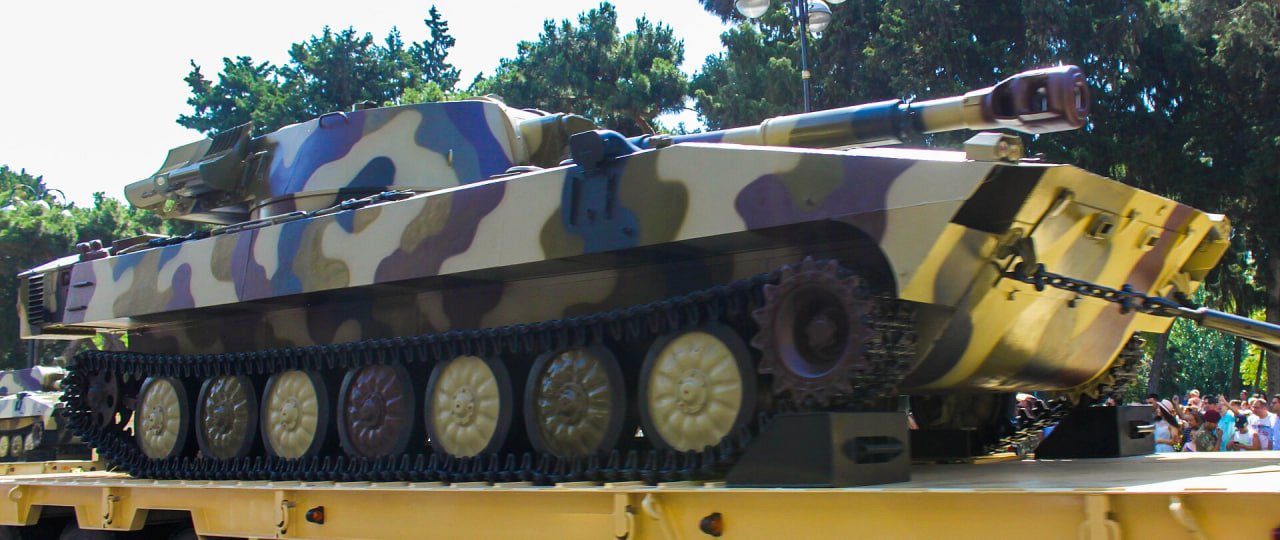
Self-propelled artillery currently in Azerbaijani service includes 2S1 Gvozdika and 2S3 Akatsiya systems, which could be transferred with relative ease. The country also operates more advanced 2S19 Msta-S and 2S7 Pion systems, though their transfer appears less likely.
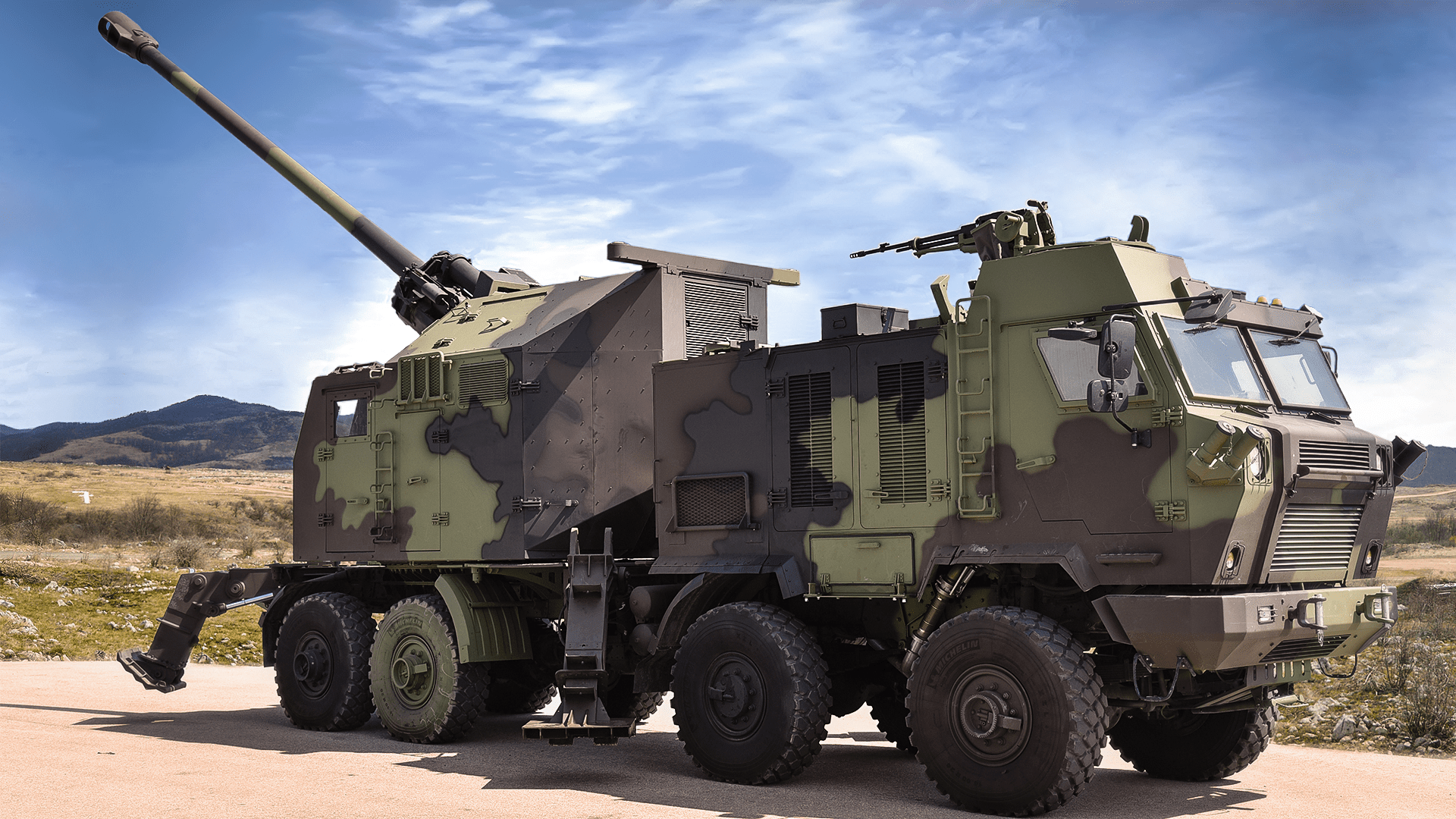
In towed artillery, Azerbaijan fields approximately 49 D-20 152 mm howitzers, 42 Giatsint-B guns, and over 200 D-30 122 mm howitzers—all still widely used by Ukraine’s defense forces. Recent acquisitions of 155 mm Serbian Nora B-52 and Czech Dita self-propelled systems could make older artillery assets available for transfer.
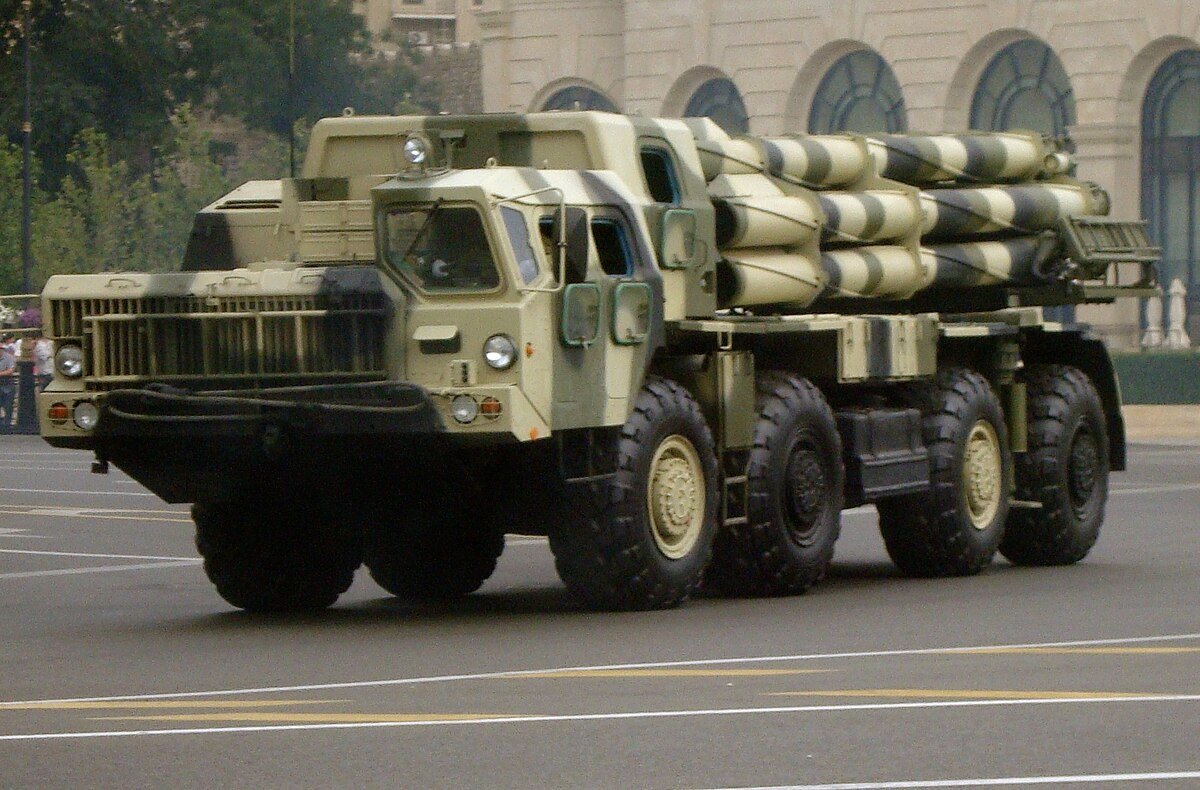
In the MLRS category, Azerbaijan has 72 BM-21 Grad systems, 18 Czech RM-70 variants, and 30 BM-30 Smerch systems. While Grads and RM-70s are more likely candidates for transfer, Smerch systems — though valuable — may remain in service unless replaced by newer Turkish equivalents already in Azerbaijani procurement plans.
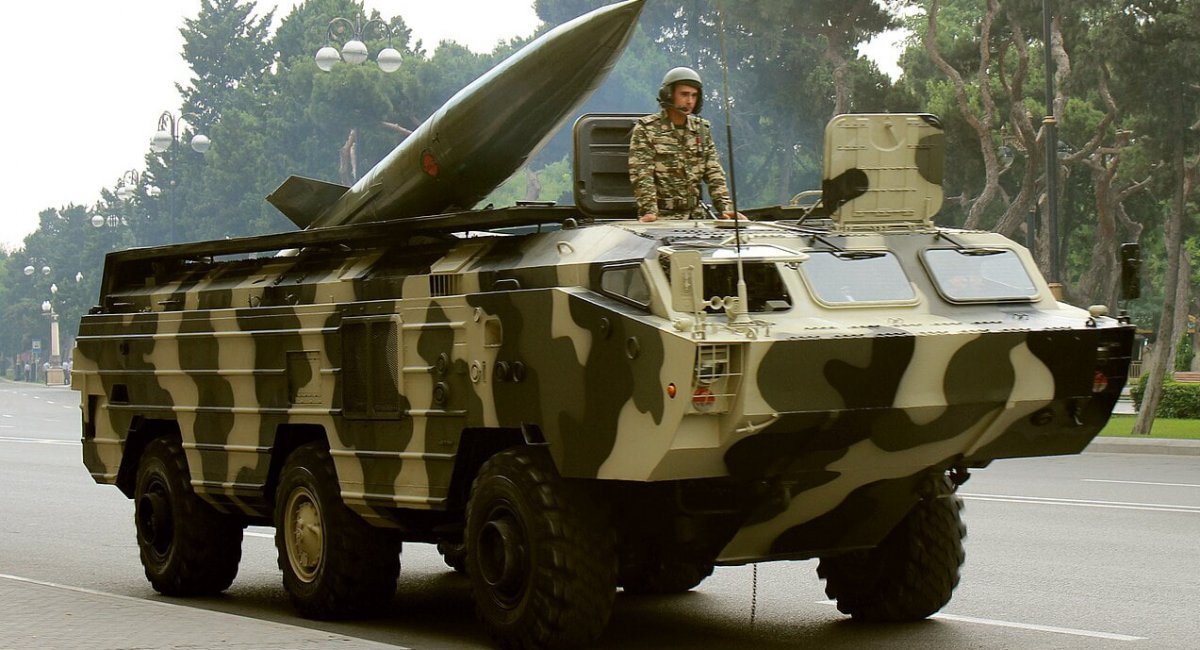
Azerbaijan also maintains several Tochka-U short-range ballistic missile systems, now supplemented by more advanced Israeli platforms. While politically sensitive, these could theoretically be supplied. Older artillery such as M-46 and D-44 guns, though less capable, could also be provided.
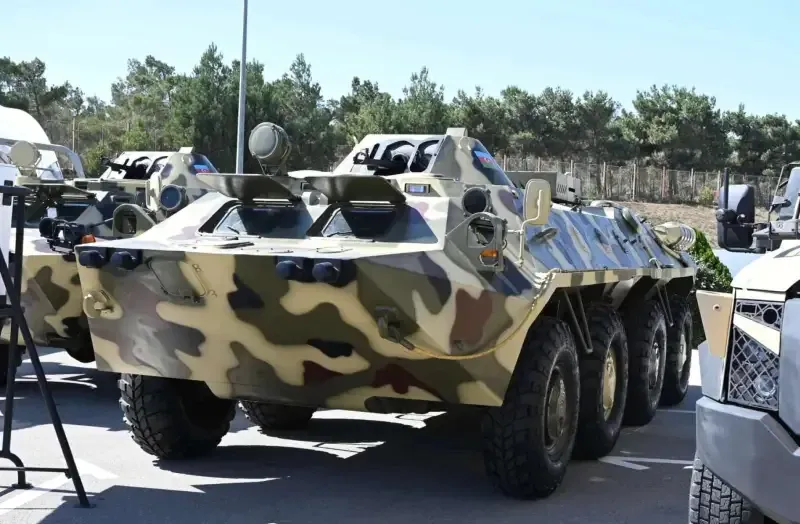
The country’s armored fleet includes hundreds of Soviet-designed BTR-60, BTR-70, BTR-80, BTR-80A, and BTR-82A armored personnel carriers, along with BMP-1, BMP-2, BMP-3, and BMD-1 infantry fighting vehicles.
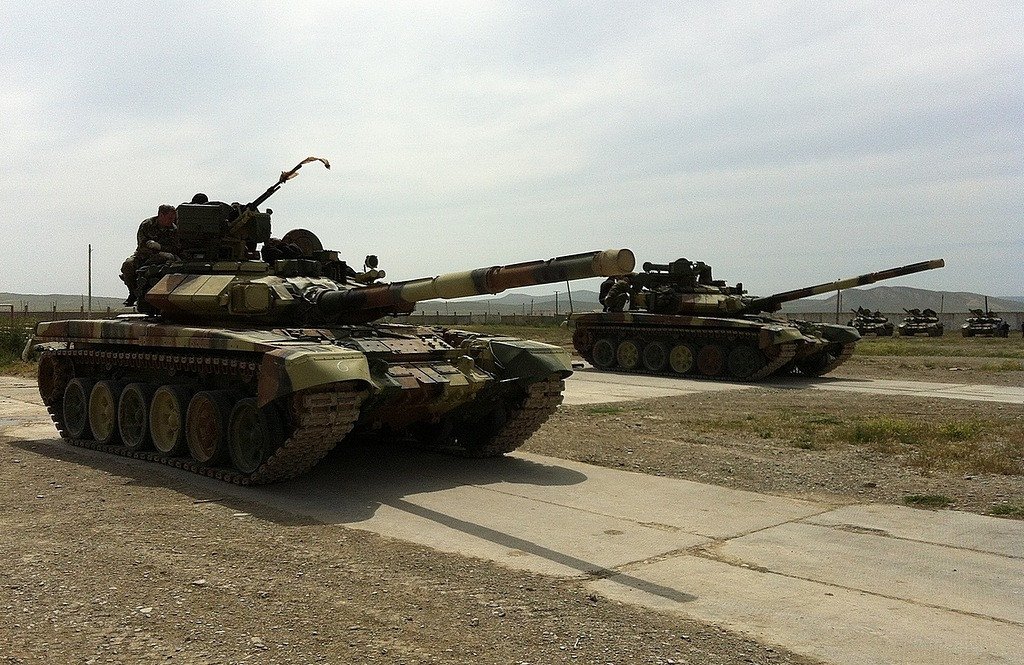
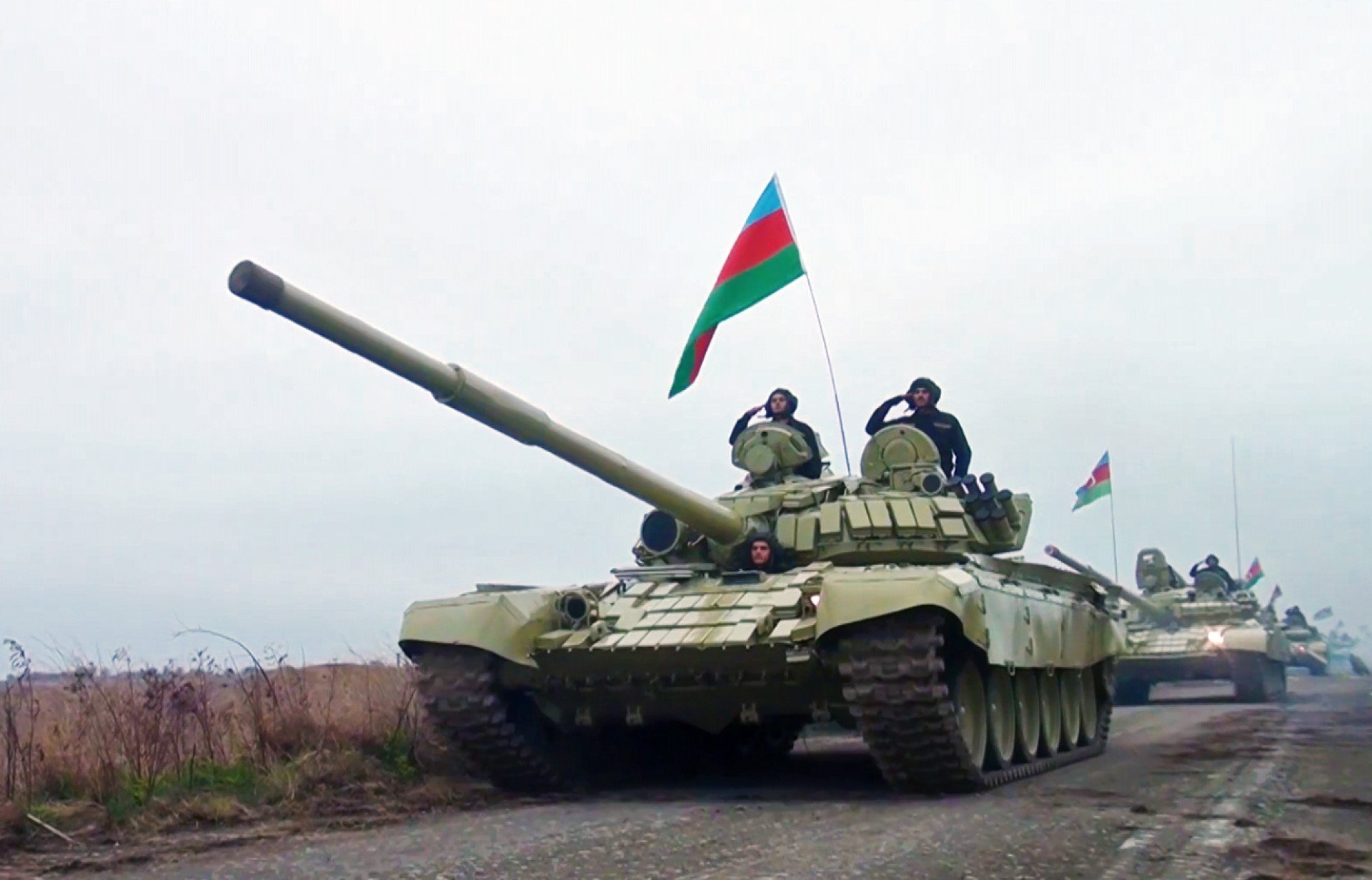
Some could be released if replacements are secured. In terms of tanks, Azerbaijan operates large numbers of T-72s, as well as T-90S and T-55 models. Only T-72s appear to be realistic candidates for transfer.
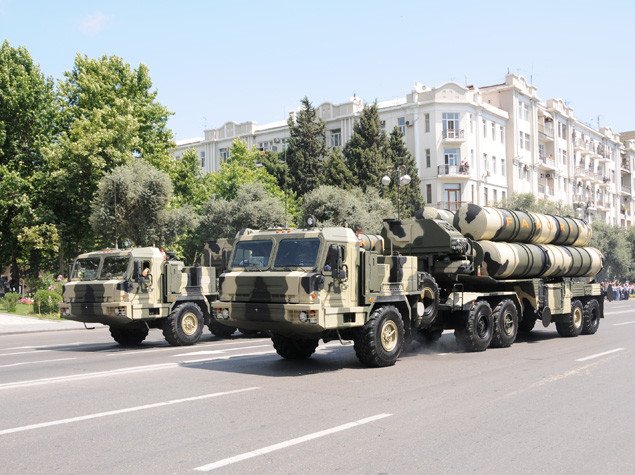
In air defense, Azerbaijan fields older S-200 and S-125 systems, along with Buk-M1 and S-300 systems. Transfers from the older systems are more plausible, though still uncertain.
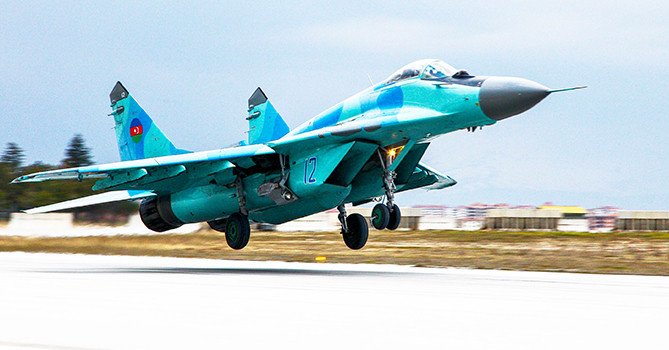
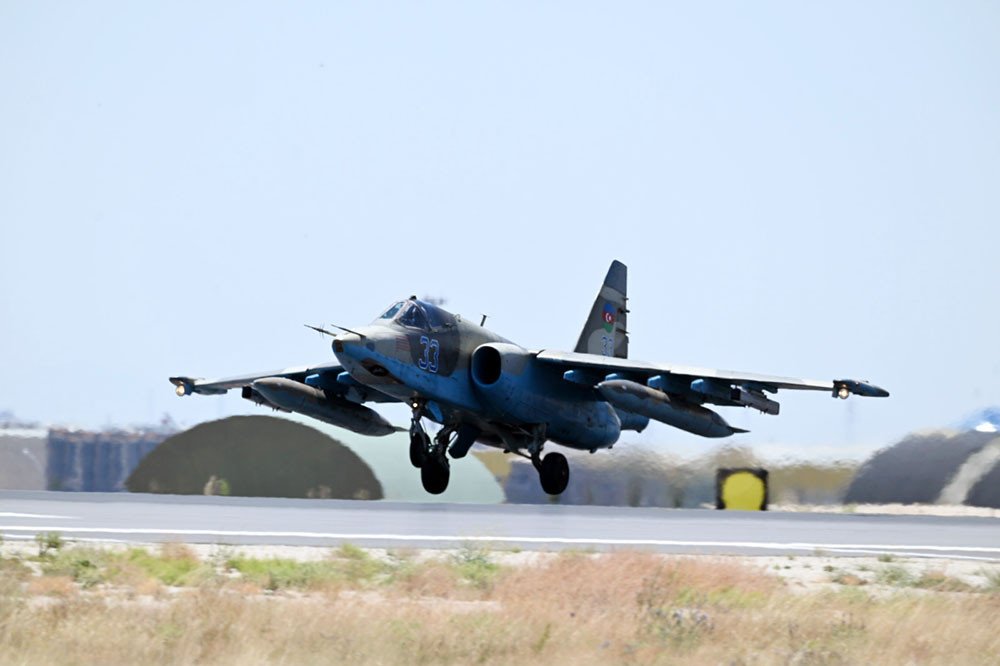
The country’s air fleet—including Su-25, MiG-29, L-39, and Mi-24 aircraft—is considered too limited for transfer. Azerbaijan also operates the Skif anti-tank guided missile, the export version of Ukraine’s Stugna-P.
While Turkish- and Israeli-made systems are unlikely to be transferred, possible additional supplies could include mortars and older military vehicles. Any decision would depend on political considerations, operational needs, and the scale of Azerbaijan’s modernization programs.
Earlier, President Ilham Aliyev signed a decree allocating $2 million from his reserve fund to provide Ukraine with electrical equipment as humanitarian aid, with Azerbaijan’s Ministry of Energy overseeing procurement and delivery in line with bilateral agreements between the two countries.
Discuss this article:


-72b63a4e0c8c475ad81fe3eed3f63729.jpeg "Photo of Cyril Barabaltchouk")