- Category
- Life in Ukraine
Over 5,000 Rally in Kyiv as Pro-Fedorov Protests Spread Across Ukraine and Abroad
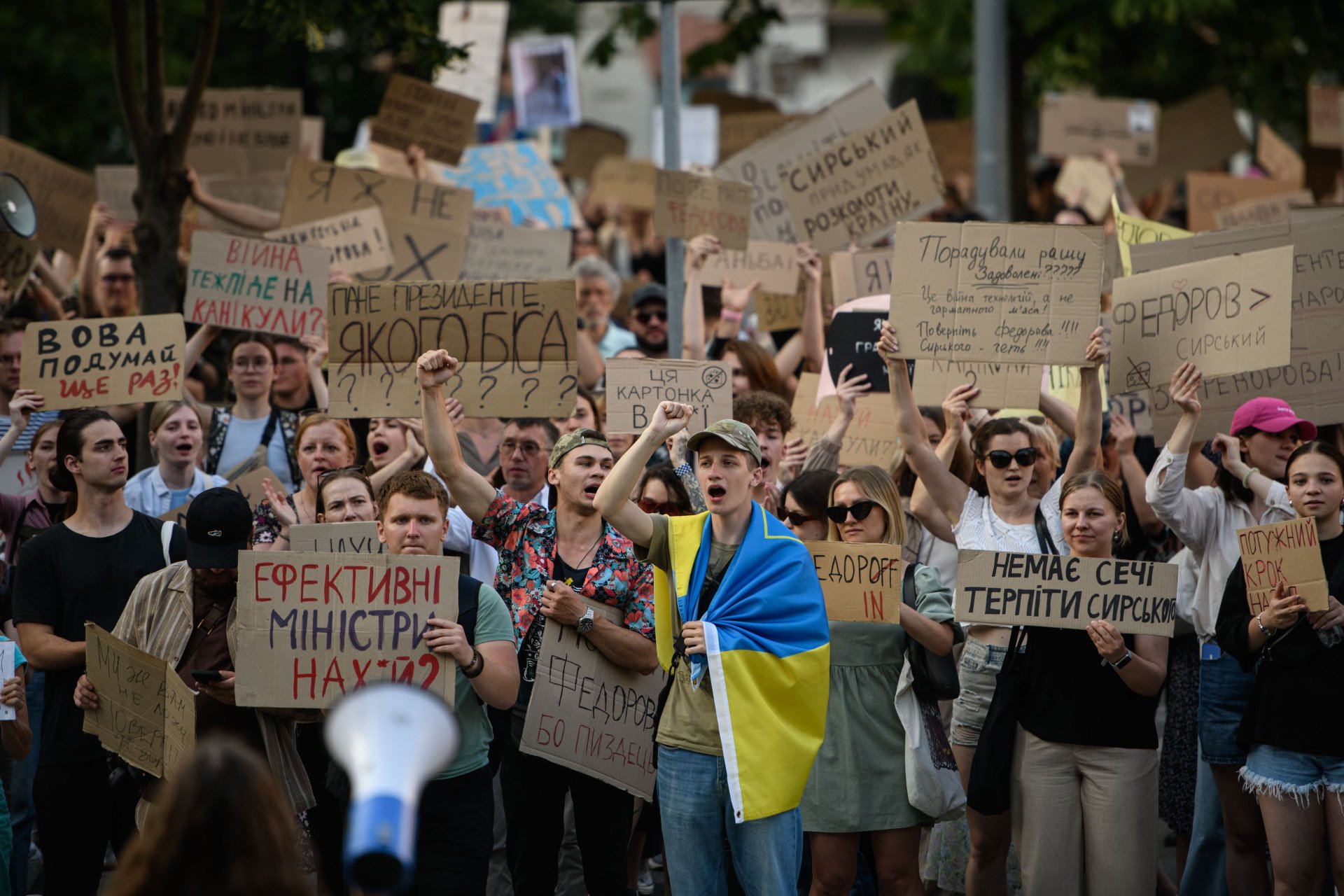
More than 5,000 people gathered in central Kyiv on July 17 as protests over the removal of Mykhailo Fedorov as Ukraine’s defense minister continued for a second day and spread across Ukraine and abroad.
 Prefer U24 Media on Google
- Authors


Demonstrators demanded Fedorov’s return to the Defense Ministry and the continuation of military reforms focused on drones, digitalization, and reducing the army’s dependence on manpower.
We bring you stories from the ground. Your support keeps our team in the field.
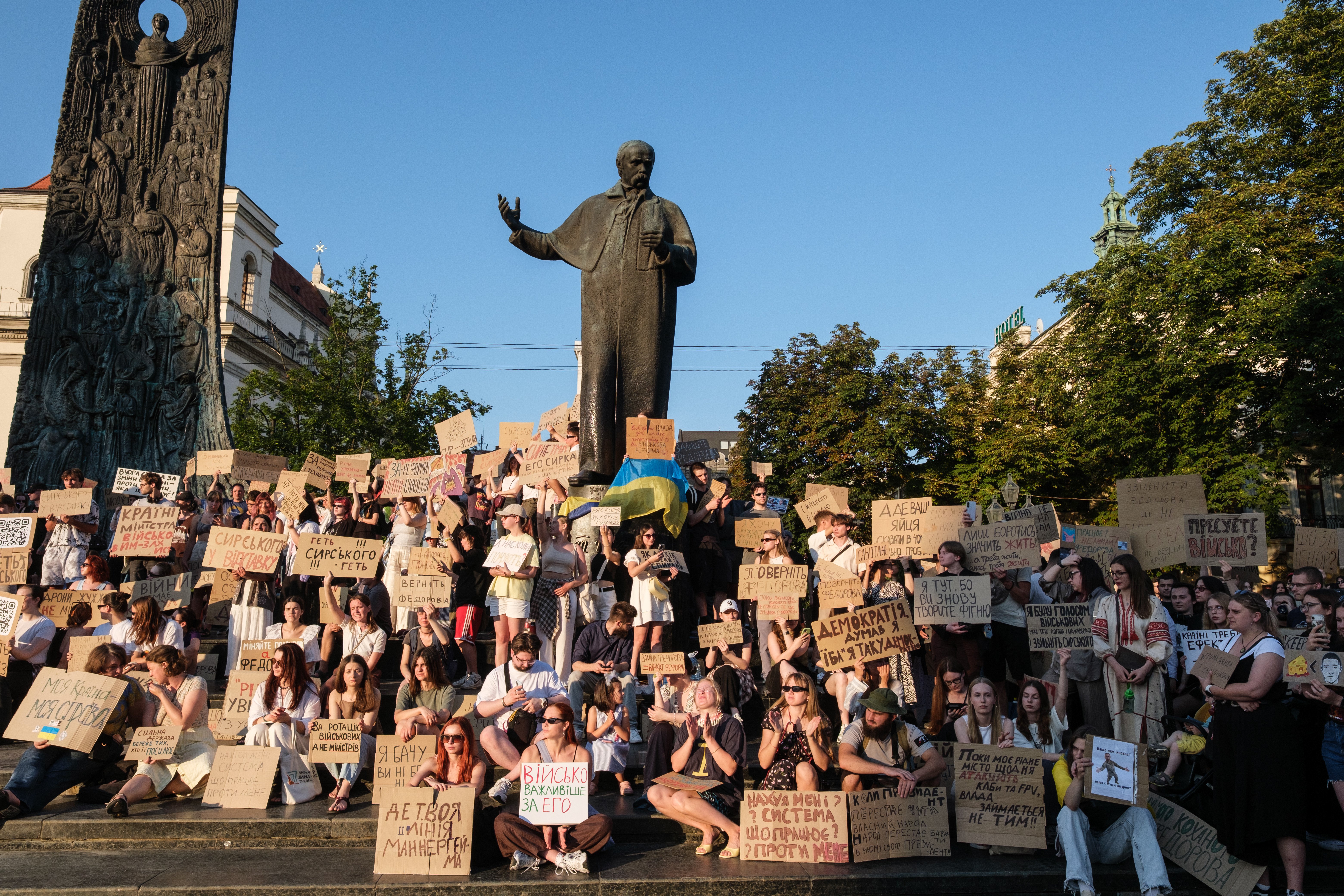
Rallies were held in Lviv, Kharkiv, Odesa, Dnipro, Zaporizhzhia, Ivano-Frankivsk, Rivne, Poltava, Lutsk, Chernihiv, Bila Tserkva, Cherkasy, Chernivtsi, Ternopil, Mykolaiv, Khmelnytskyi, Uzhhorod, Kropyvnytskyi, and other cities.
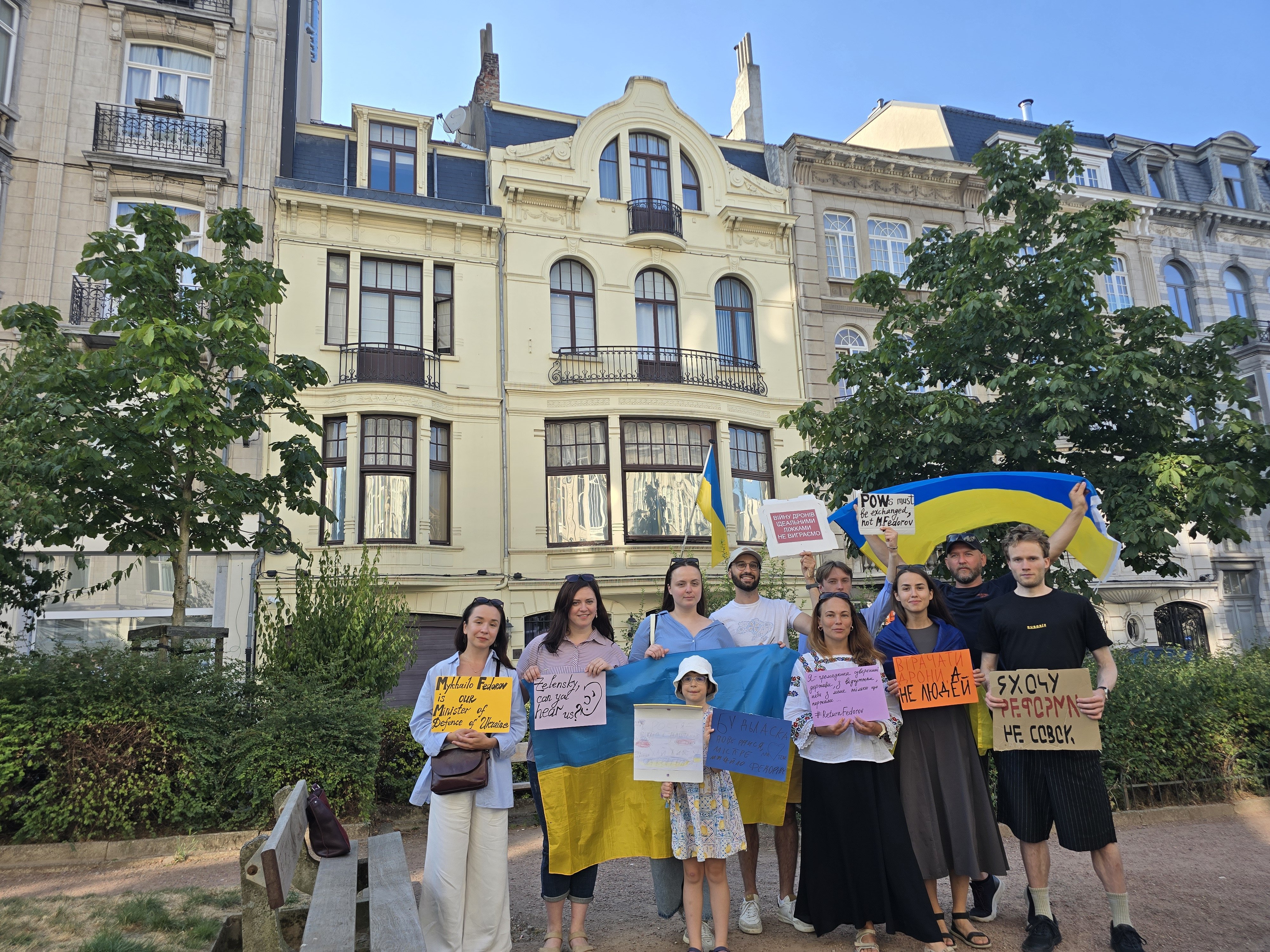
Solidarity actions were also reported in London, Prague, Vienna, Brussels, Sydney, and several other European cities.
More than 5,000 gathered in Kyiv
The largest demonstration took place on Ivan Franko Square in central Kyiv, where more than 5,000 people gathered by the evening.
❗️Thousands of 🇺🇦Kyiv residents have taken to the streets to protest against Fedorov’s dismissal — the square is packed with people. pic.twitter.com/07CD8LXaap
— 🪖MilitaryNewsUA🇺🇦 (@front_ukrainian) July 17, 2026
Although the main rally was scheduled for 8:00 p.m., protesters began arriving hours earlier. Videos from the capital showed large groups walking toward the square, while aerial footage captured the crowd filling the area outside the Ivan Franko National Academic Drama Theater.
Participants chanted “Fedorov is Ukraine’s defense minister,” “Syrskyi out,” “Shame,” and “Deputies, get back to work.”
The second-day rally appeared larger than the initial protest on July 16. Participants said they were prepared to continue demonstrating until the authorities explained the decision or reconsidered Fedorov’s removal.
⚡️ Protests continue across Ukraine for a second day following the abrupt firing of Defense Minister Mykhailo Fedorov. pic.twitter.com/ckyso8Deui
— UNITED24 Media (@United24media) July 17, 2026
The protests were organized largely through social media and attracted a predominantly young crowd, along with veterans, service members’ relatives, IT workers, volunteers, and families with children.
Cardboard signs became the protest symbol
Handwritten cardboard signs became the defining visual element of the demonstrations.
In Kyiv, protesters wrote slogans on pieces of packaging material directly on the pavement. Many signs combined criticism of the government’s decision with humor and references to the war.
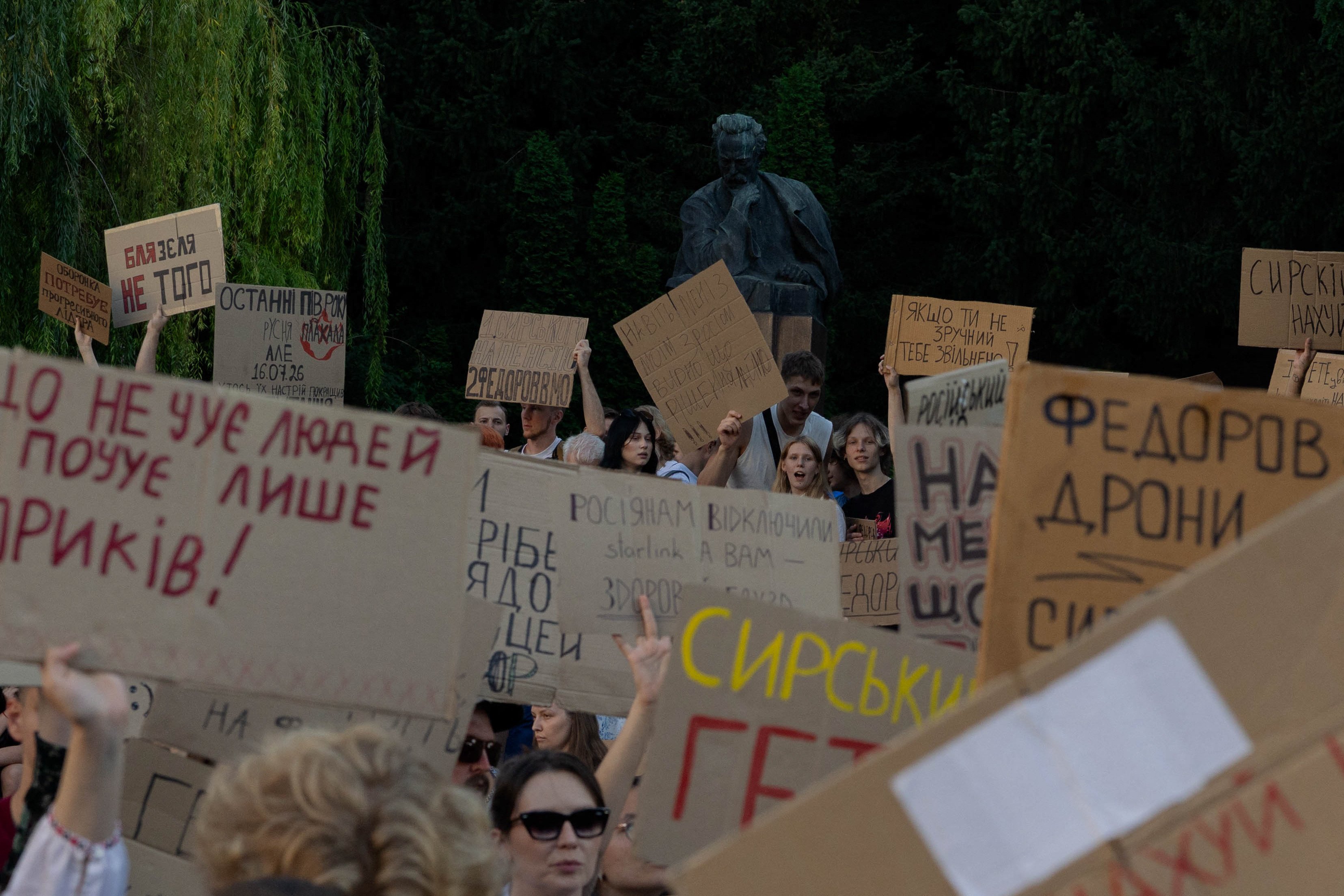
Messages included “Bring Misha back,” “Replace prisoners, not what works,” “Get rid of the Soviet system, not innovation,” “Ministers rotate more often than soldiers,” “Innovations save soldiers,” and “You cannot win a war in 2026 with the Soviet system.”
Several signs also criticized parliament for going into recess while the permanent defense minister had not yet been appointed.
Demands expanded beyond Fedorov
While the first day of protests centered primarily on Fedorov’s departure, the July 17 demonstrations increasingly focused on Syrskyi and the broader direction of Ukraine’s military leadership.
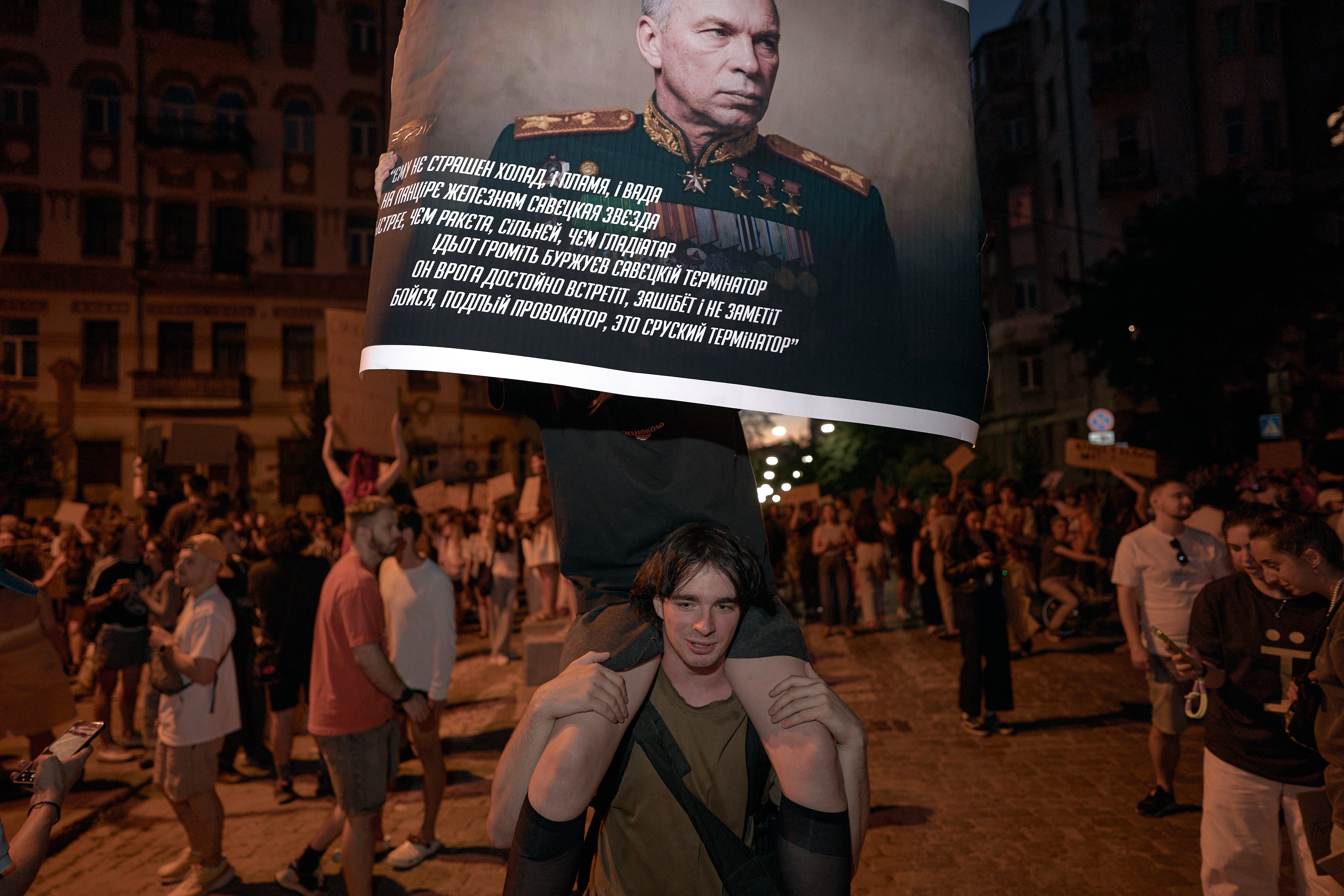
Protesters demanded Syrskyi’s dismissal, greater accountability within the Armed Forces, and the preservation of reforms associated with Fedorov’s tenure.
The protests followed media reports that Fedorov’s departure was connected to a prolonged conflict with Syrskyi. Ukrainian media reported that President Volodymyr Zelenskyy had told lawmakers the two officials had “stopped hearing each other.”
Fedorov later publicly accused Syrskyi of blocking initiatives and refusing to discuss systemic problems within the military.
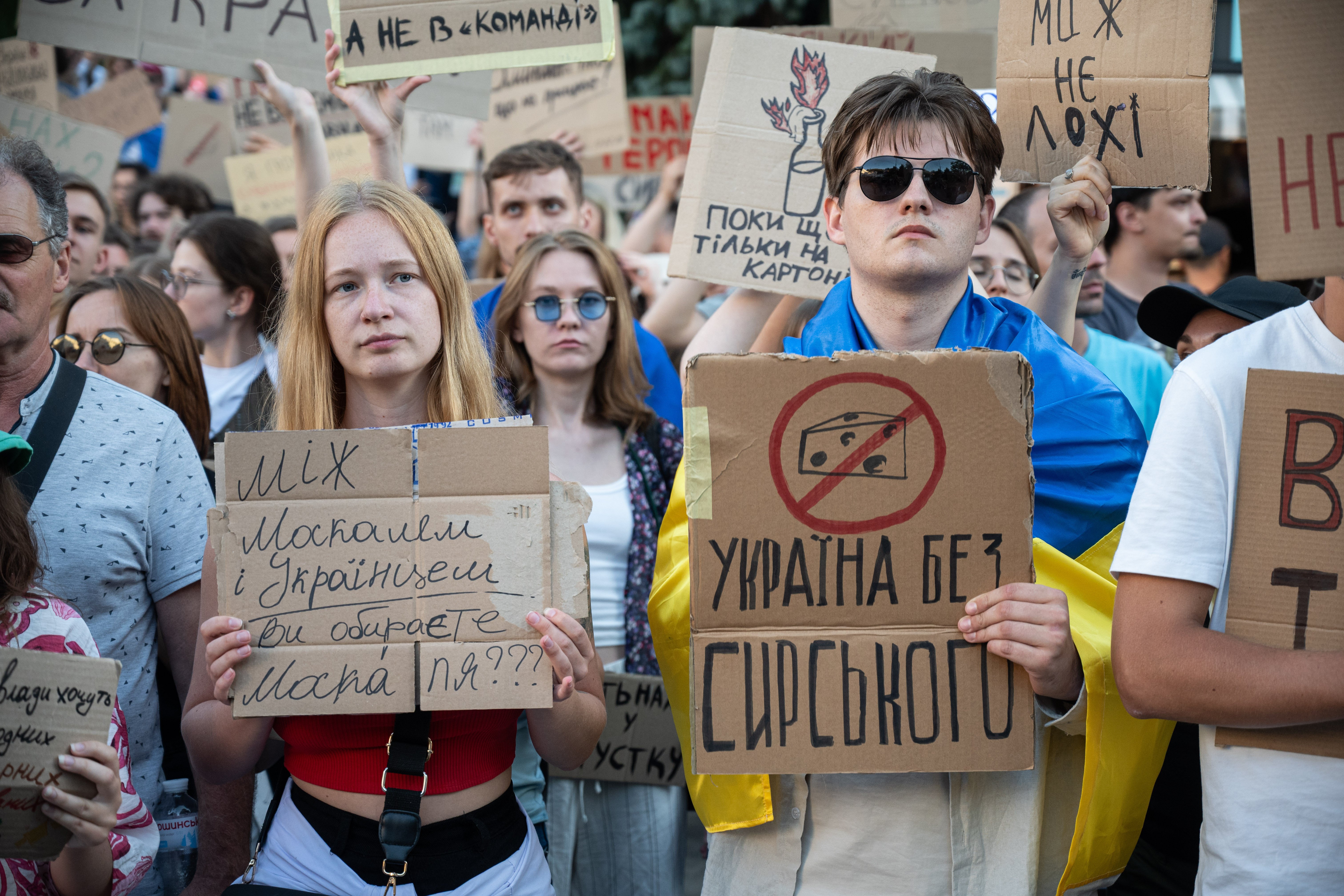
For many demonstrators, the dispute represented a wider clash between an approach centered on drones, automation, transparent procurement, and digital management, and what they viewed as an outdated, manpower-heavy military system.
Support appeared abroad
Ukrainians and supporters of Ukraine also held solidarity actions outside the country.
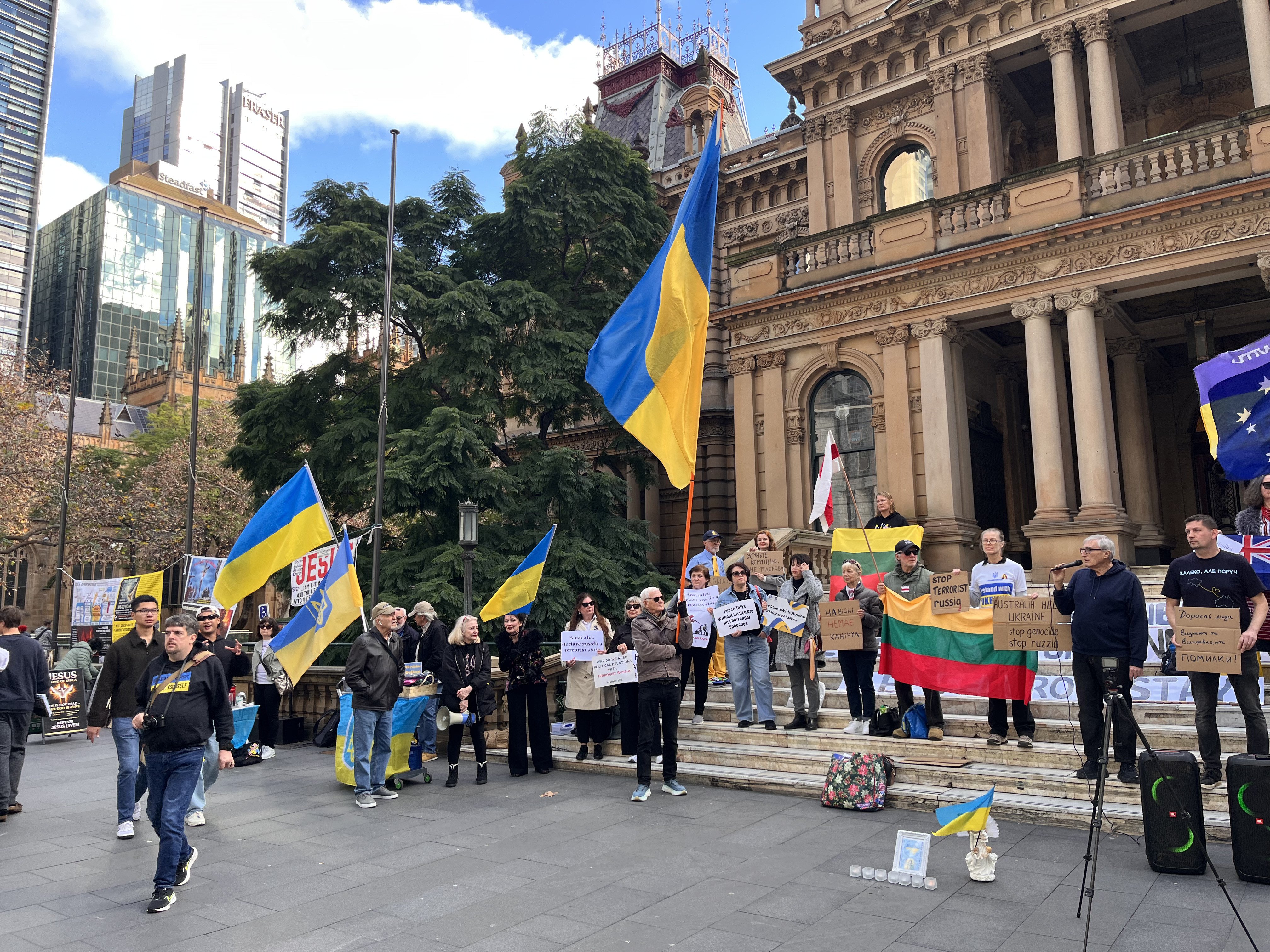
Protests or smaller gatherings were reported in London, Prague, Vienna, Brussels, and Sydney. Participants used the same handwritten cardboard signs and Ukrainian flags seen at rallies inside Ukraine.
German stylist Frank Peter Wilde also joined the campaign online. He posed in front of a Ukrainian flag wearing a vyshyvanka and holding a cardboard sign in Ukrainian calling for Fedorov’s return.
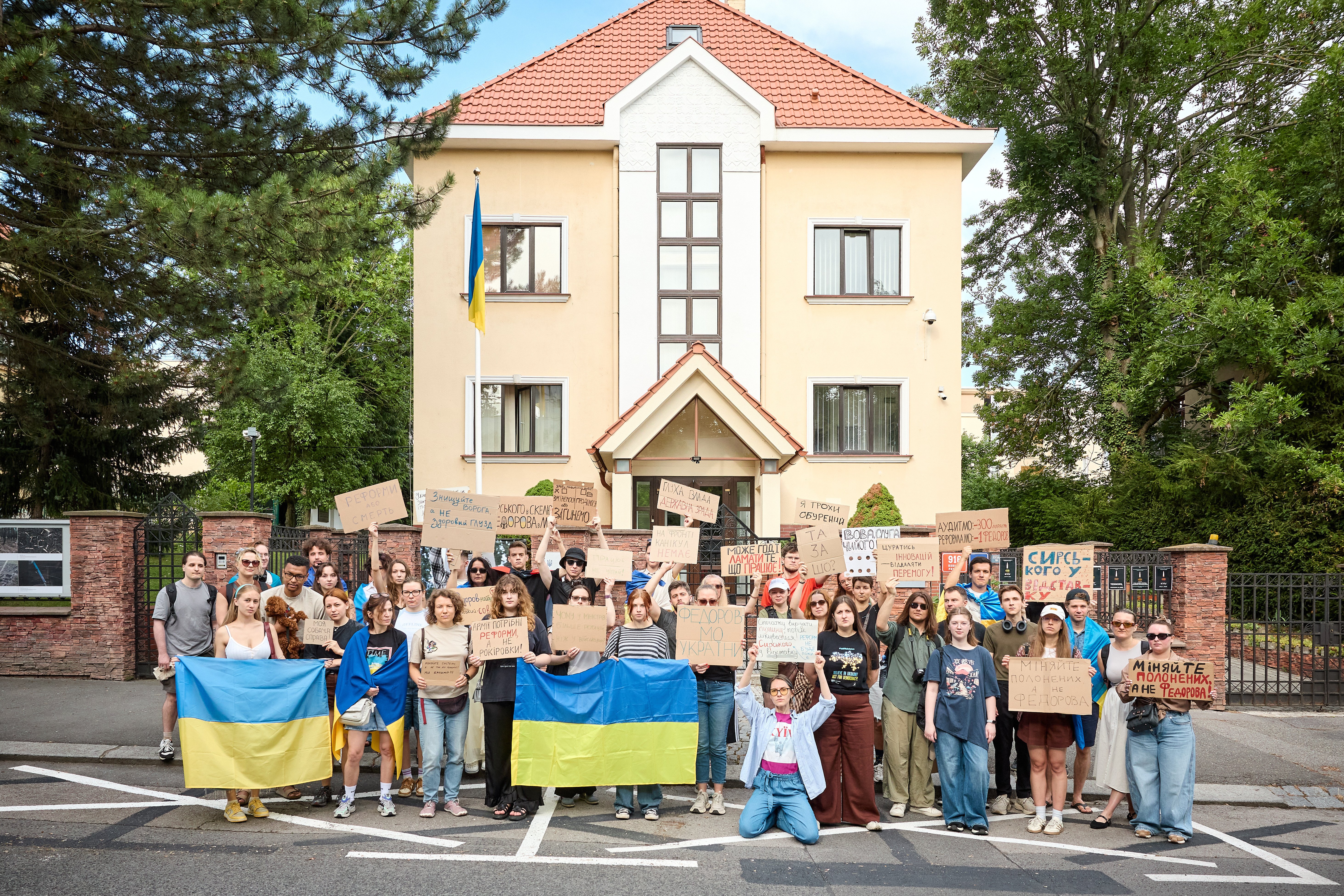
The foreign demonstrations showed that the controversy had resonated not only inside Ukraine but also among Ukrainian communities abroad.
Government response failed to end the protests
The rallies followed a government reshuffle that began with the resignation of Prime Minister Yulia Svyrydenko and her Cabinet.
The Verkhovna Rada later approved Serhii Koretskyi as the new prime minister and confirmed most of the Cabinet. The positions of defense and foreign minister remained unresolved because their nominations had to be submitted separately by the president.
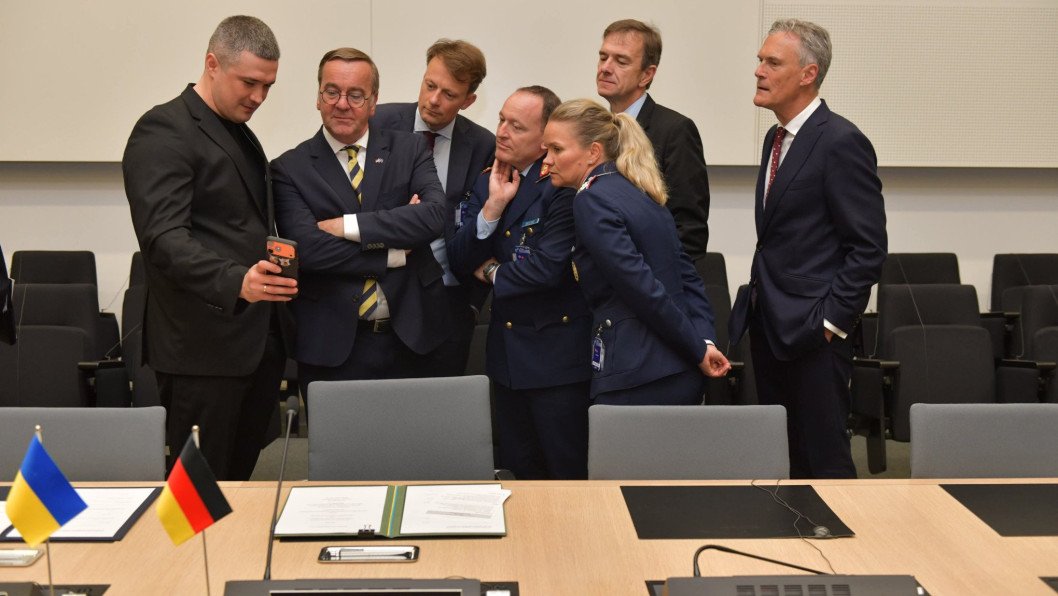
Fedorov confirmed that he would not remain in the Defense Ministry. In a farewell statement, he said he regretted not having enough time to move all procurement to competitive tenders, strengthen accountability, and remove officials who obstructed reforms.
Interior Minister Ihor Klymenko had been discussed as a possible replacement but was later appointed secretary of the National Security and Defense Council. Yevhenii Khmara, a major general and former commander of the Security Service of Ukraine’s Alpha special operations center, was appointed acting defense minister.
Head of the Presidential Office Kyrylo Budanov acknowledged Ukrainians’ right to criticize the government but called for unity during the war.
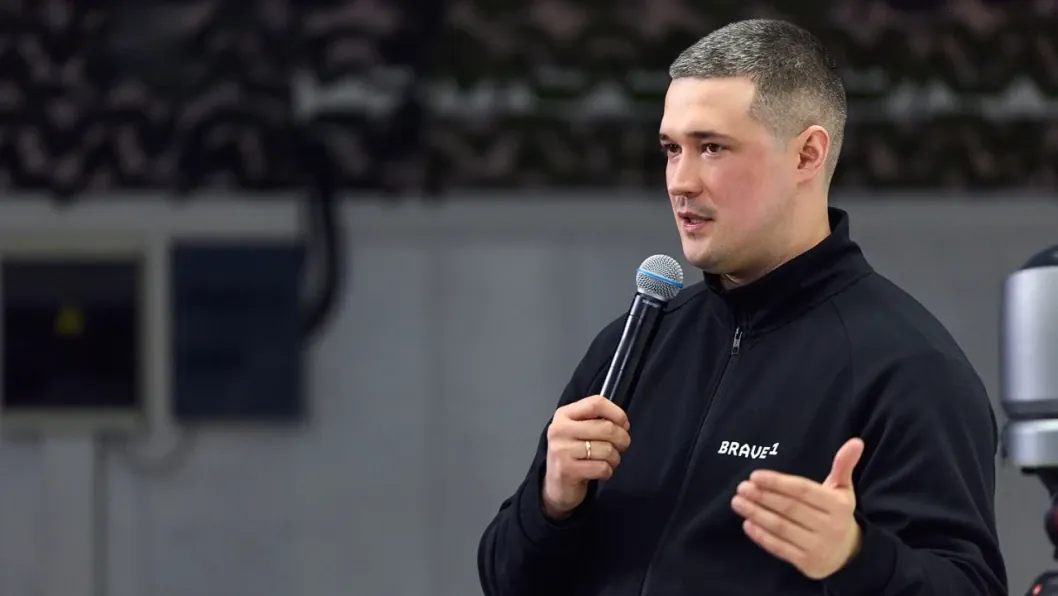
Those statements did not stop the July 17 demonstrations. Protesters said the authorities had still not clearly explained why Fedorov had been removed or why the conflict with Syrskyi had ended with the minister’s departure.
By the end of the second day, the rallies had grown beyond opposition to a single personnel decision. They had become a broader public demand for military modernization, accountability, and a clearer explanation of how Ukraine’s defense leadership was being managed during the war.
Discuss this article:
-9a7b3a98ed5c506e0b77a6663f5727c5.png)



-24deccd511006ba79cfc4d798c6c2ef5.jpeg "Photo of Louis Beaudemont")
-554f0711f15a880af68b2550a739eee4.jpg "Photo of Lucile Brizard")
-4c422f6574674b417eac2384290103ac.jpg "Russia Left This Ukrainian Village 90% Mined. Here’s What Life There Looks Like Now")