- Category
- War in Ukraine
Hackers Breach US Air Force’s Flagship Cloud One Platform, Putting Sensitive Military Data at Risk
 Prefer U24 Media on Google
- Authors



Hackers breached Cloud One, the US Air Force’s flagship cloud computing platform, potentially exposing sensitive tactical, personnel, logistics, and aircraft data, Reuters reported on November 27.
The intrusion was discovered within the past month during work to upgrade the system, according to three people familiar with the matter. Reuters could not determine who carried out the attack, how extensive the breach was, or whether any data was stolen.
We bring you stories from the ground. Your support keeps our team in the field.
The Air Force declined to discuss the security or operational status of Cloud One.
“We continuously take prudent measures to protect Department [of the Air Force] information, systems and mission capabilities,” the service told Reuters.
Cloud One is one of the US military’s largest cloud platforms, created in 2017. It combines infrastructure operated by Microsoft, Amazon, Oracle, and Alphabet and hosts dozens of Air Force applications.
Those include Cloud-Based Command and Control, which combines air defense radar and other data feeds from across North America. Another application, the Theater Integrated Combat Munitions System, tracks bombs and missiles across more than 200 Air Force locations worldwide.
“A breach here is a big deal,” one source familiar with the incident told Reuters.
US Cyber Command has been brought in to assess the damage, while the discovery has caused disruption across Cloud One. Efforts to migrate additional administrative applications onto the platform have been paused.
Software updates for existing Cloud One applications were also blocked, preventing personnel from deploying fixes as new security vulnerabilities were being disclosed across the technology sector. Some users also had administrator privileges revoked.
One source told Reuters that the hackers exploited a software vulnerability to reach Cloud One’s control plane, the central layer used to manage services across the platform.
The source compared that access to gaining control of a “universal remote.” In theory, an intruder could use it to inspect information such as aircraft operational status or spare-parts movements, although Reuters could not establish whether the attackers accessed such information.
The specific vulnerability used in the breach remains unknown.
The attack comes amid growing concern over artificial intelligence accelerating cyber operations against large cloud environments. European intelligence agencies have also warned that AI can allow hostile actors to automate parts of cyberattacks and identify vulnerabilities more rapidly.
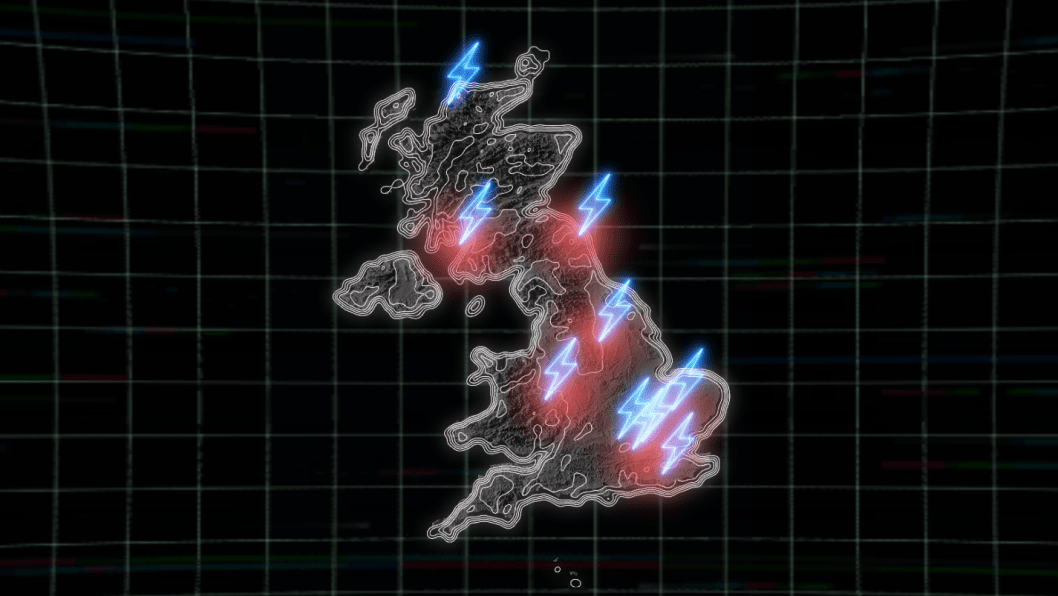
The US government has disclosed at least six other recent cyber incidents, Reuters reported, including breaches affecting the FBI, Pentagon data, Department of Homeland Security personnel information, two US intelligence agencies, and the Treasury Department.
Cloud One has faced sustained attempts to penetrate its systems for years. In 2023, its leadership described a “staggering” volume of attempted intrusions while claiming a “100% success rate” in preventing attackers from breaking into the platform.
The latest breach also follows renewed warnings about foreign cyberespionage targeting US defense infrastructure. In July, US and allied agencies reported that Russian state-linked hackers had targeted American defense contractors, government employees, and nuclear researchers in a yearlong espionage campaign, including efforts to collect information on Western military logistics and procurement.
Discuss this article: