- Category
- War in Ukraine
Putin Doubles Down on Ukrainian Buffer Zones as Russia Rejects Territorial Retreat
 Prefer U24 Media on Google
- Authors

-c439b7bd9030ecf9d5a4287dc361ba31.jpg "Photo of Katherina Popilnichenko")
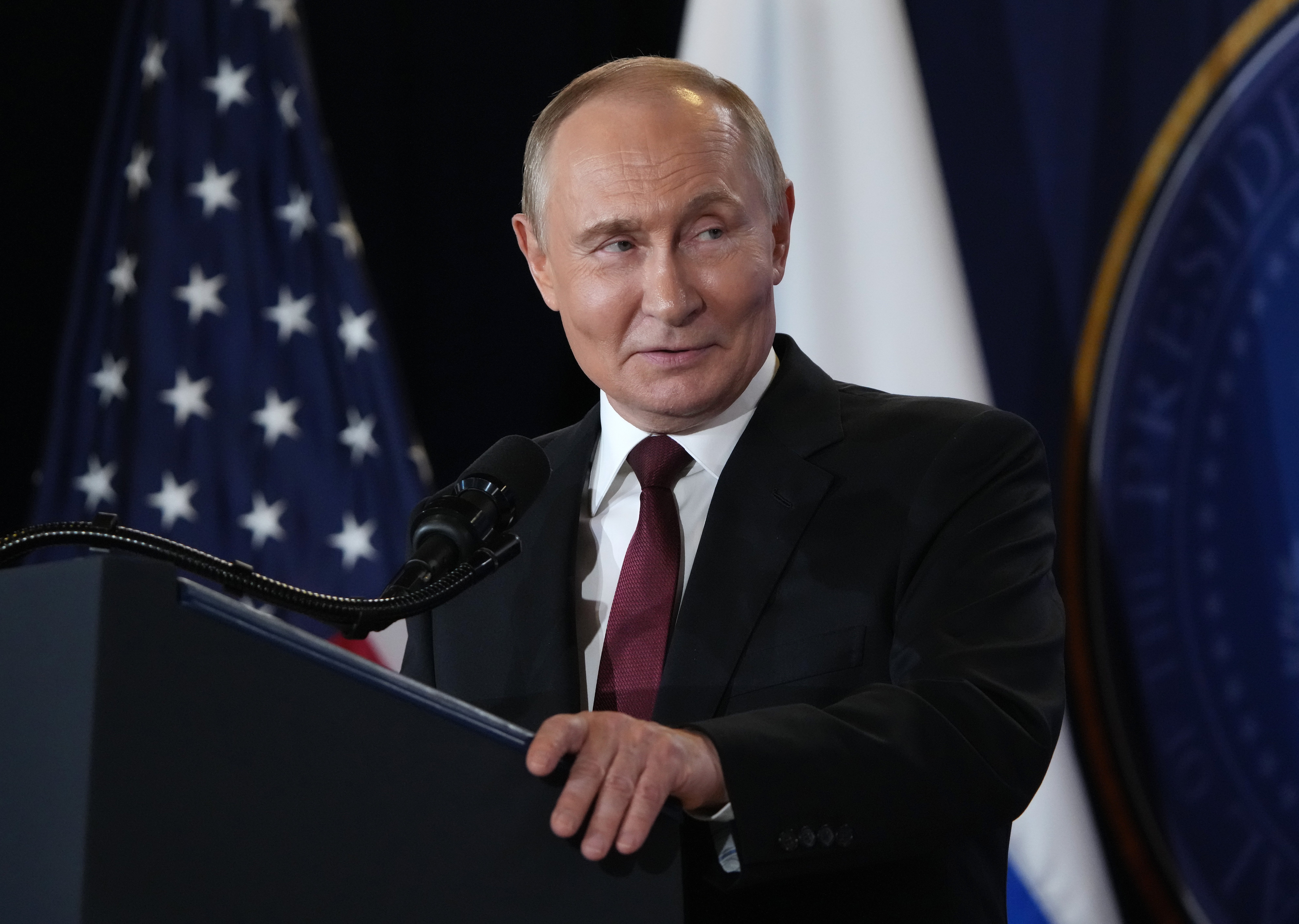
Russia has hardened its position regarding temporarily occupied Ukrainian territory, signaling it no longer intends to return certain areas under any potential peace arrangement.
Russian officials now plan to maintain control over border districts in Ukraine's Sumy and Kharkiv regions to serve as buffer zones, while continuing a military drive to capture the entirety of the eastern Donetsk region, according to Bloomberg on July 22.
We bring you stories from the ground. Your support keeps our team in the field.
Moscow's updated stance comes as a reaction to intensifying Ukrainian deep strikes into Russian territory, including attacks on Moscow that damaged domestic oil refineries and triggered nationwide fuel shortages.
At the same time, political pressure from the United States has mounted. Former President Donald Trump backed new sanctions legislation originally introduced by the late Senator Lindsey Graham, which proposes tariffs up to 100% on the five largest importers of Russian oil and gas.
Kremlin sources indicate that Russian leader Vladimir Putin abandoned earlier potential territorial concessions due to increasingly adversarial statements from Washington.
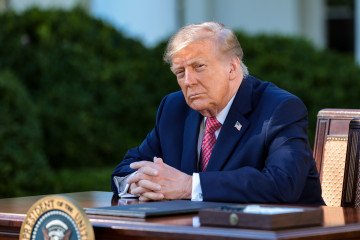
Russian leadership views these developments as a sign that informal understandings made during an August 15, 2025, summit between Putin and Trump in Anchorage, Alaska, have collapsed.
While US officials maintain that no binding deal was struck in Alaska, Moscow insisted a package of commitments existed. Kremlin officials asserted that this informal arrangement involved pressuring Ukraine to yield parts of eastern Donetsk in exchange for Russia withdrawing from occupied sections of northern Sumy and northeastern Kharkiv. Kremlin spokesperson Dmitry Peskov did not respond to requests for comment.
A bipartisan Russia sanctions bill, originally drafted by the late Senator Lindsey Graham and later led by Senator Richard Blumenthal, secured over 60 co-sponsors in the US Senate, gaining enough support to clear potential procedural hurdles.
The proposed legislation aimed to significantly increase economic pressure on Vladimir Putin by allowing the US president to impose 100% secondary tariffs on countries importing Russian oil and gas, while also targeting Russia’s shadow tanker fleet. Republican leaders fast-tracked the package on July 16, 2026, to move it toward a vote.
Discuss this article:

-29a1a43aba23f9bb779a1ac8b98d2121.jpeg "Photo of Illia Kabachynskyi")