- Category
- War in Ukraine
Russia Still Struggles to Fix Tactical Radio Problems Nearly Five Years Into the Invasion, Report Finds
 Prefer U24 Media on Google
- Authors


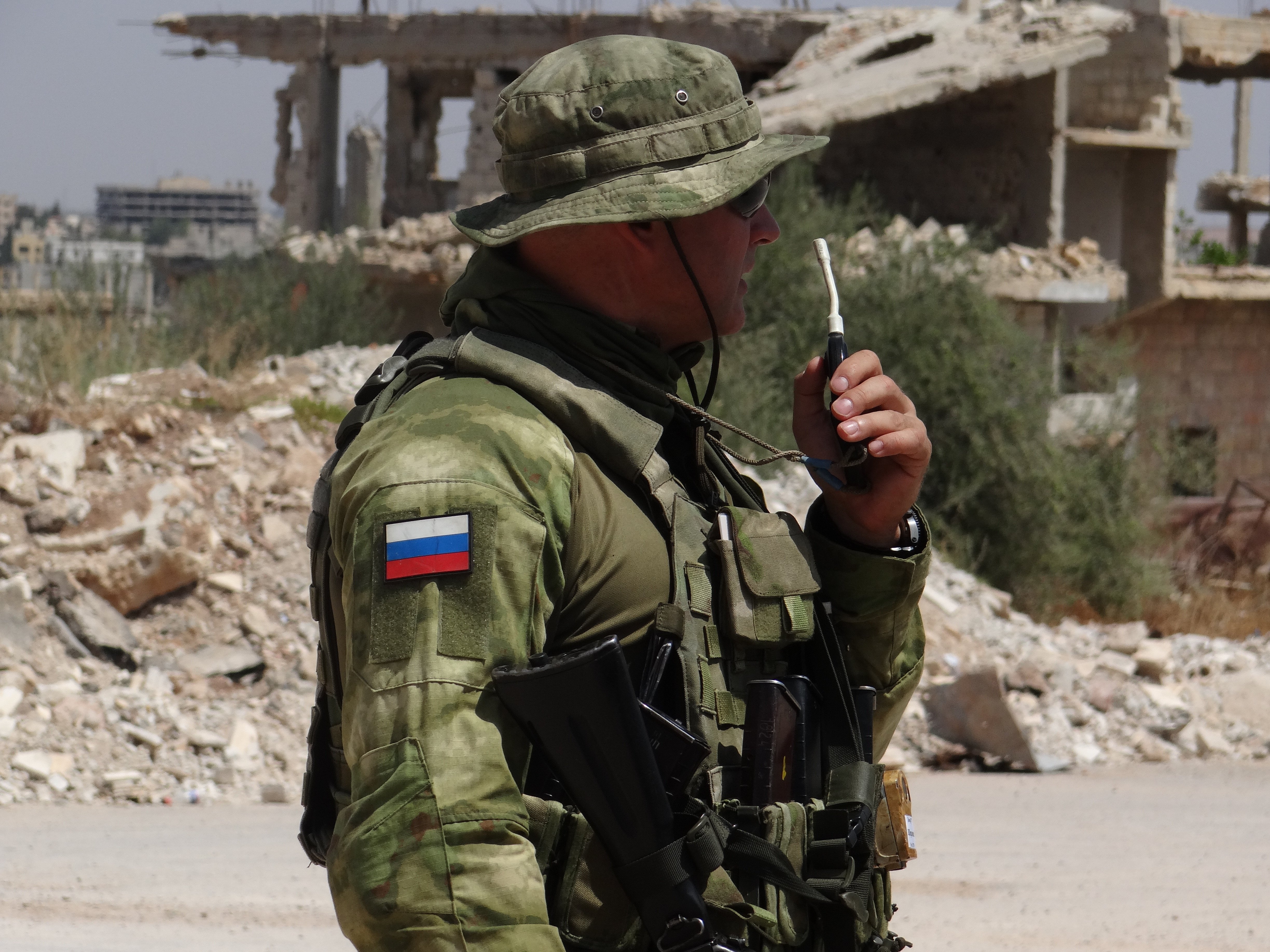
Nearly five years into Russia’s full-scale invasion of Ukraine, the Russian military remains unable to resolve its tactical radio communication issues.
According to intelligence researcher Chris O'Wiki, frontline communications rely heavily on commercial Chinese TYT radios, nicknamed "tootsies," and unsecured Baofeng radios, known as "bafiks," which are highly vulnerable to Ukrainian interception.
We bring you stories from the ground. Your support keeps our team in the field.
These models appear frequently in footage released by Russia’s Ministry of Defense. Russian military personnel admit that the state does not supply these devices. Service members and volunteer groups buy them independently.
1/ Nearly five years after the start of the war in Ukraine, Russian soldiers still don't have secure tactical communications. A review of videos published by the Russian MOD shows soldiers invariably using cheap self-purchased Chinese digital and unencrypted analogue radios. ⬇️ pic.twitter.com/xFCUFmjAup
— ChrisO_wiki (@ChrisO_wiki) November 2, 2026
Meanwhile, Russia’s fifth-generation R-168 "Aqueduct" and sixth-generation R-187P1 "Azart" radios rarely reach the troops. In some instances, cheaper Chinese radios have been delivered under the guise of these advanced systems.
The systemic issues follow high-level corruption, including the sentencing of Khalil Arslanov, former deputy chief of the General Staff of the Russian Armed Forces, to 17 years in prison for embezzling funds intended for military communications.
Research indicates that this theft is part of broader corruption schemes within the Russian armed forces, with no visible solution to the communications deficit.
An investigation published by Conflict Capital in April 2025 revealed that the Russian defense industry was focusing on scaling production at any cost, relying heavily on refurbishing Cold War-era equipment and improvising to overcome sanctions-induced technological isolation.
Following the 2022 full-scale invasion of Ukraine, Russia's military-industrial complex operated in a "long war" mode, attempting to push production higher while struggling with mounting shortages of modern components, brain drain, and a reliance on increasingly outdated Soviet stockpiles.
Discuss this article: