- Category
- War in Ukraine
Satellite Images Reveal What’s Left of Russian Su-34s After Ukraine’s Neptune Strike
 Prefer U24 Media on Google
- Authors


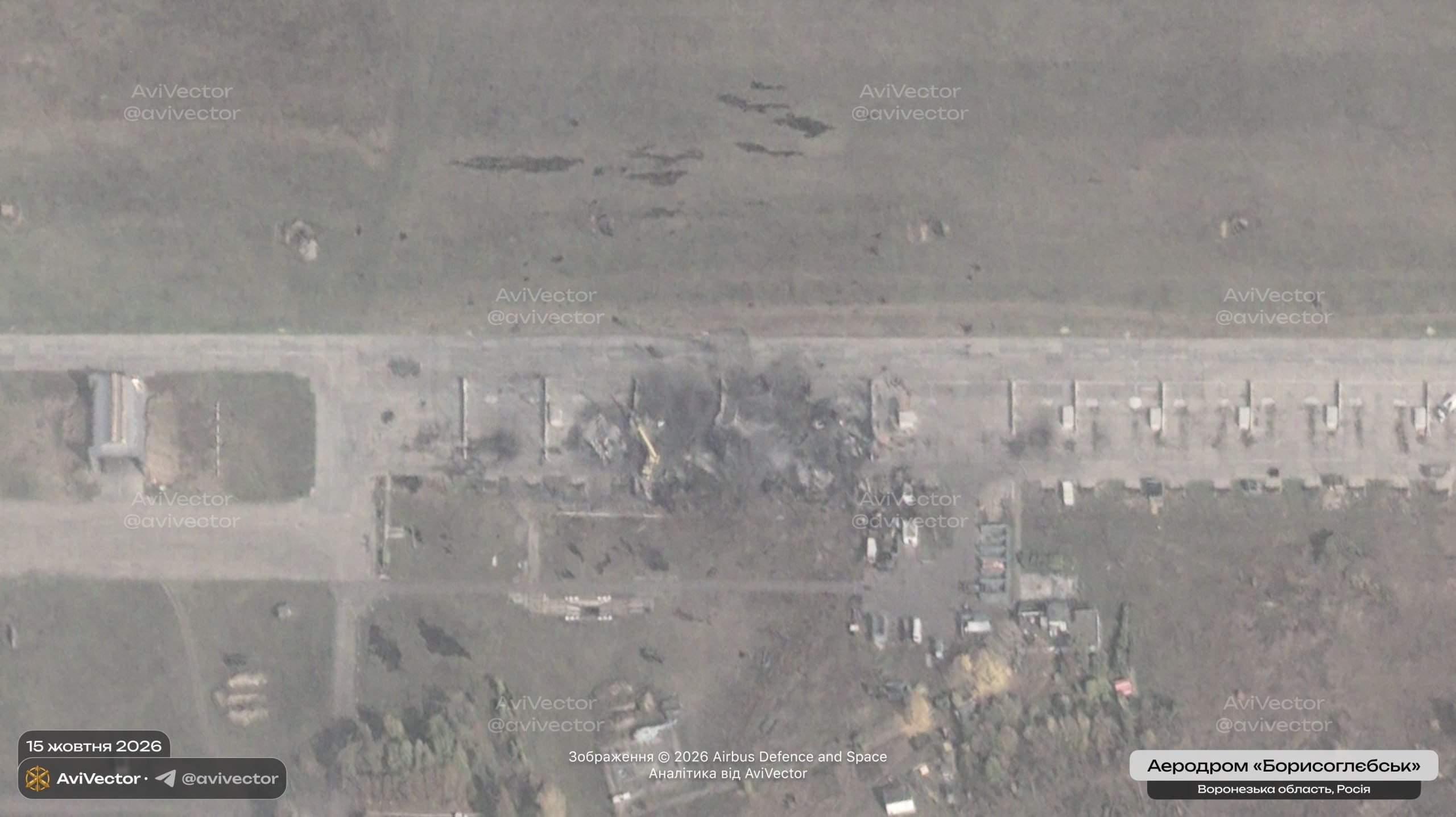
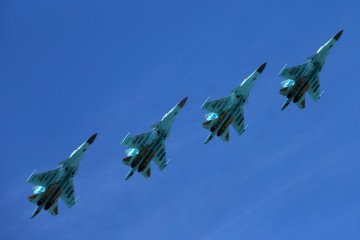
New satellite imagery appears to show the aftermath of Ukraine’s October 15 strike on Russia’s Borisoglebsk military airfield in the Voronezh region, with open-source intelligence analysts assessing that at least four Su-34 fighter-bombers were likely destroyed.
The imagery was published and analyzed by OSINT group AviVector following the overnight strike carried out by the Ukrainian Navy.
We bring you stories from the ground. Your support keeps our team in the field.
According to the group, visible damage at the airfield indicates the likely destruction of no fewer than four Su-34s.
The new assessment provides the first satellite-based look at the damage after the Ukrainian Navy said its Neptune missile strike had destroyed six Su-34M fighter-bombers, along with equipment used to support flight operations.
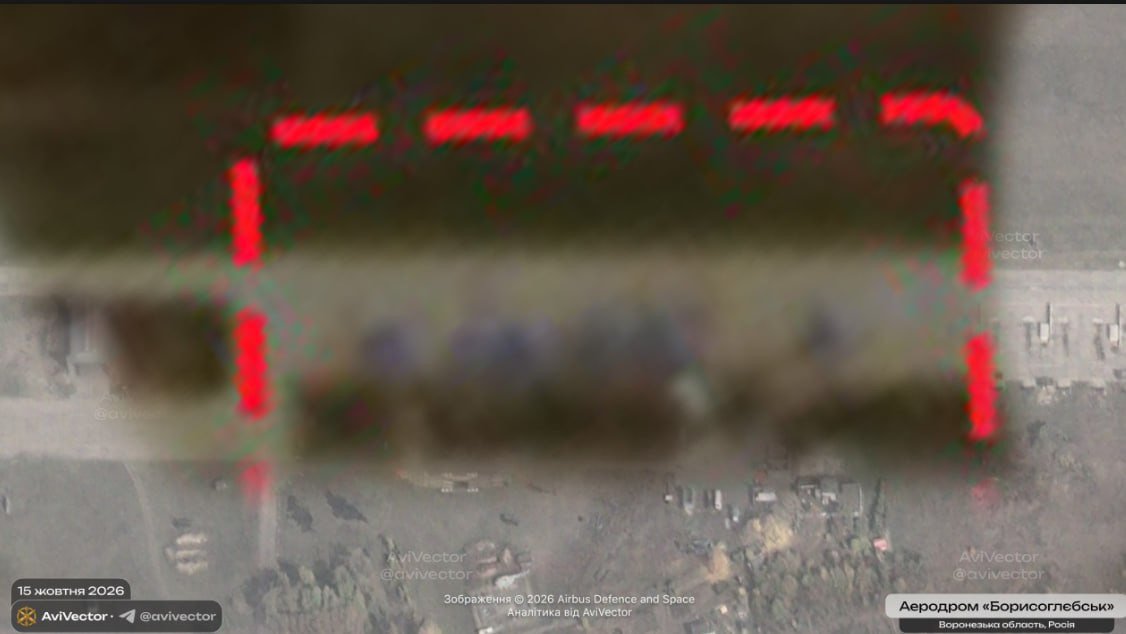
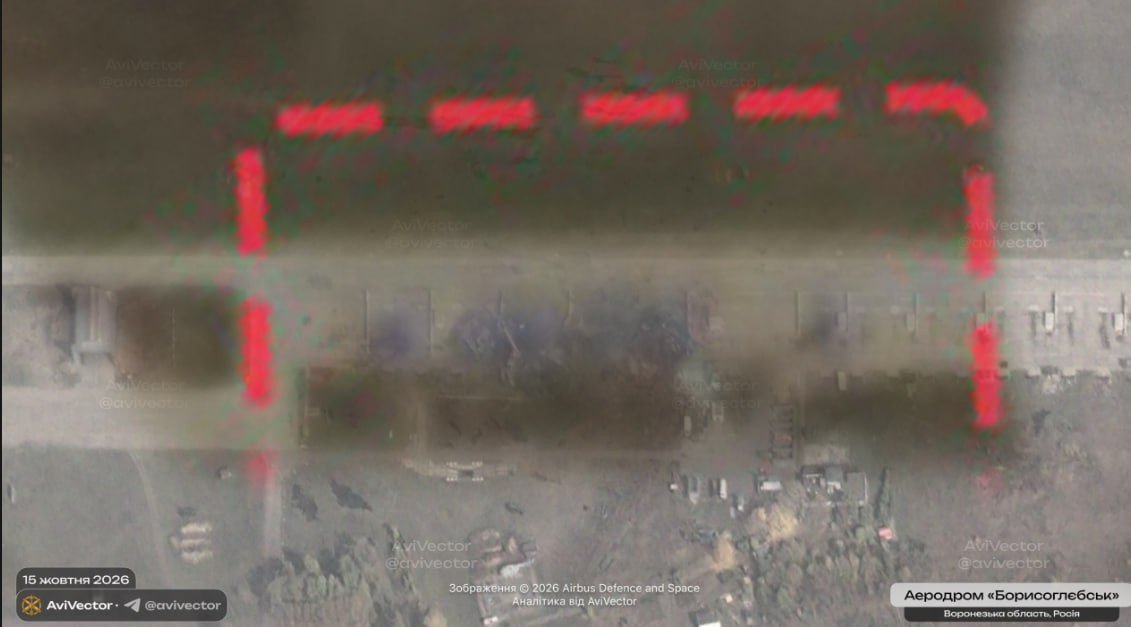
The Navy also reported secondary explosions and fires across the airfield following the attack.
AviVector’s assessment does not necessarily contradict the higher Ukrainian figure, as satellite imagery may not provide a clear view of every aircraft or distinguish between destroyed and heavily damaged jets.
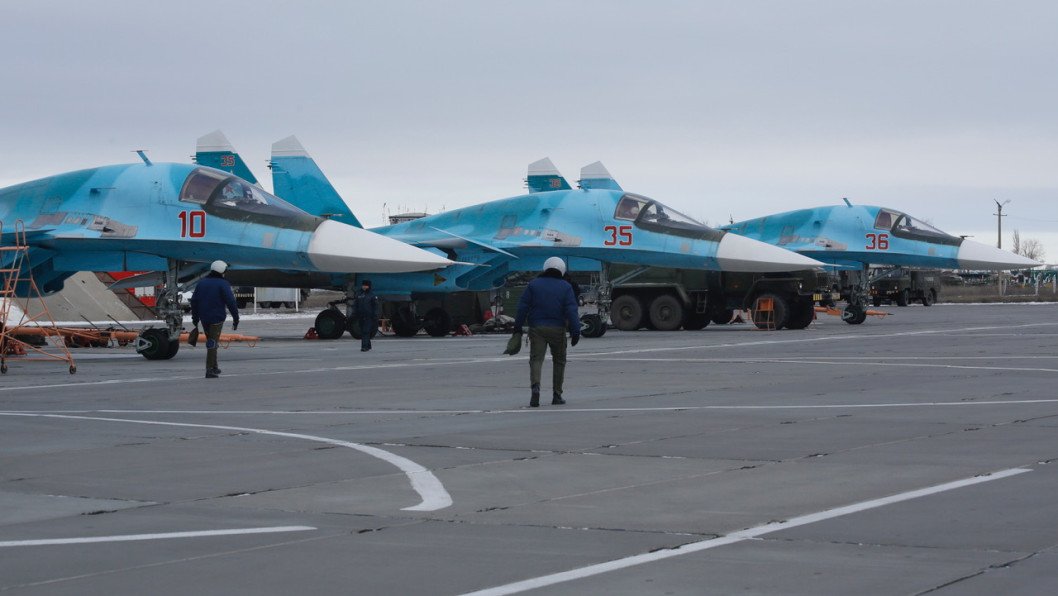
For now, however, the imagery appears to provide visual evidence for at least four Su-34 losses.
The Su-34 family is one of Russia’s primary platforms for launching guided glide bombs against Ukrainian positions and frontline cities, making the destruction of several aircraft in a single strike a potentially significant blow to Russia’s tactical aviation operations.
Earlier, reports emerged that Russia is building 16 massive aircraft shelters at its Engels-2 air base in the Saratov region in an apparent effort to conceal and protect its strategic bombers from Ukrainian drone strikes.
Discuss this article:


-f1e0a0eb8dc4159d1ee6f9483ef88571.jpg "Malambahe Sabtar Sabanal, a Philippine national identified by Ukrainian military intelligence as a Russian military recruit who was killed during assault operations in the Donetsk region. (Source: HUR)")

-72b63a4e0c8c475ad81fe3eed3f63729.jpeg "Photo of Cyril Barabaltchouk")
-6b3c58bbcf8c8f2f38775f349181b1ab.jpg "Recruits, supervised by instructors, cover a distance on Day Zero of Basic Military Training at the 118th Separate Mechanised Brigade of the Ukrainian Armed Forces on April 5, 2026. (Source: Getty Images)")