- Category
- War in Ukraine
Starlink Is Back to Normal in Ukraine—But One Restriction Still Helps Russian Jet Drones Get Through
 Prefer U24 Media on Google
- Authors


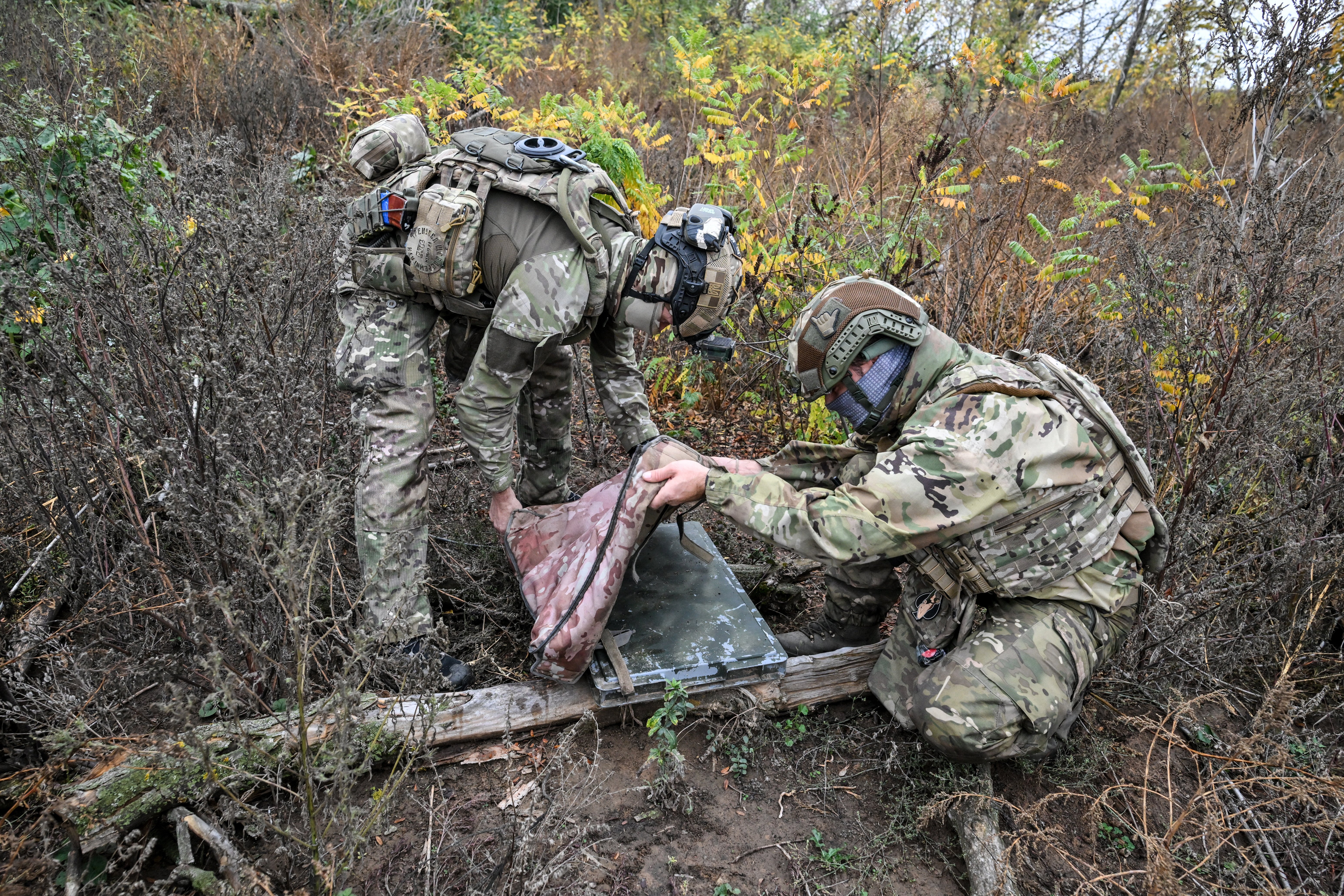
Starlink and Starshield communications have returned to normal in Ukrainian-controlled territory, but restrictions remain in Russian-occupied areas, preventing Ukrainian interceptor drones from pursuing fast-moving Russian attack drones before they reach their targets, Ukrainian President Volodymyr Zelenskyy said in a BBC interview on November 27.
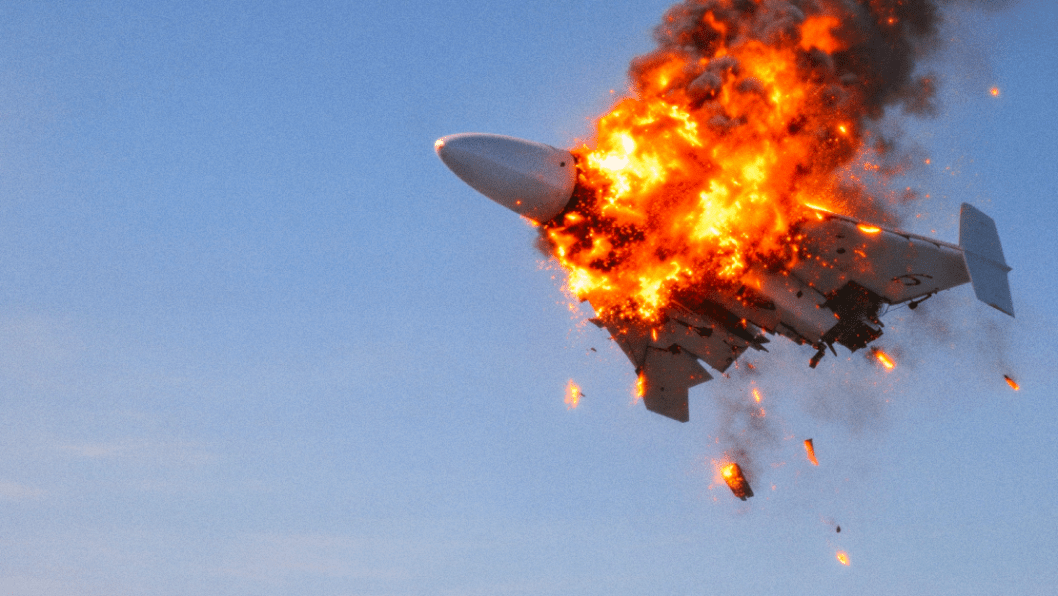
The restrictions continue to complicate Ukraine’s efforts to intercept jet-powered Shahed drones, which can approach critical infrastructure before Ukrainian forces are able to engage them.
We bring you stories from the ground. Your support keeps our team in the field.
During the interview, BBC journalists asked Zelenskyy about complaints from Ukrainian drone units operating near the front line, whose personnel say the remaining Starlink and Starshield restrictions continue to interfere with their operations.
“We had more problems before, but the American side has sent some positive signals,” Zelenskyy responded.
According to the Ukrainian president, the communications systems are now functioning normally over territory controlled by Kyiv. However, the limitations affecting Russian-occupied areas have not been lifted, leaving Ukrainian forces unable to pursue high-speed targets across those territories.
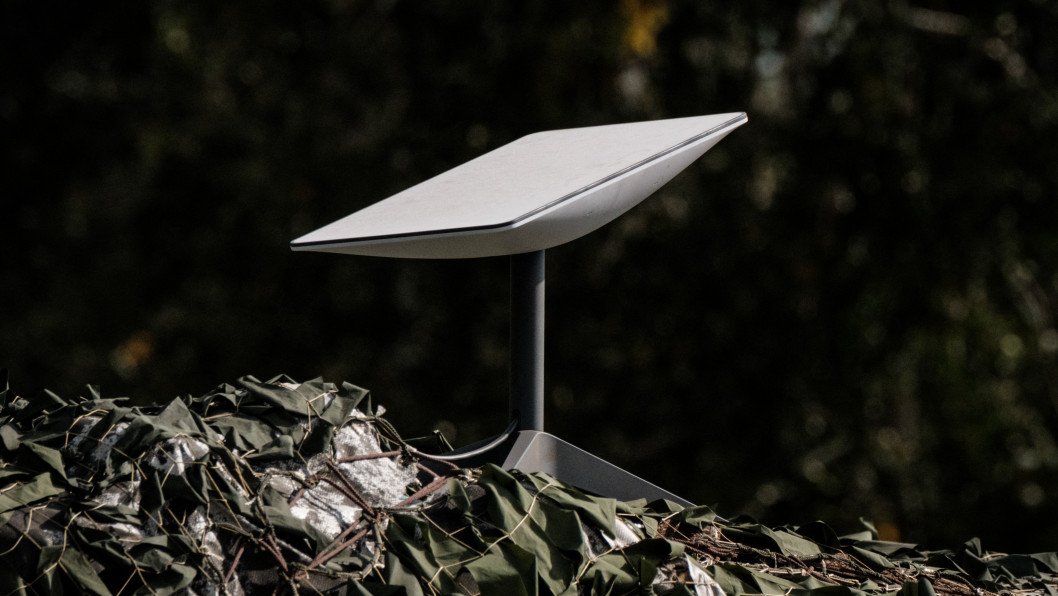
“We cannot catch up with jet-powered Shaheds using interceptors over temporarily occupied territory. We can do it over territory we control, but often by then it is already too late. They strike our infrastructure, energy facilities, and so on,” Zelenskyy explained.
The President’s remarks highlight the operational difficulties Ukrainian drone units continue to face despite the improvements to communications services in areas under Ukraine’s control.
When asked whether the restrictions had been imposed at the direction of the White House, Zelenskyy said SpaceX had implemented them on a technical level. However, he acknowledged that he did not know who had made the political decision.
“It’s like ping-pong. We ask one side, and they say it’s the others. We ask the others, and they say it wasn’t them,” Zelenskyy said.
He compared the uncertainty surrounding the communications restrictions with Ukraine’s efforts to secure interceptor missiles for Patriot air defense systems.
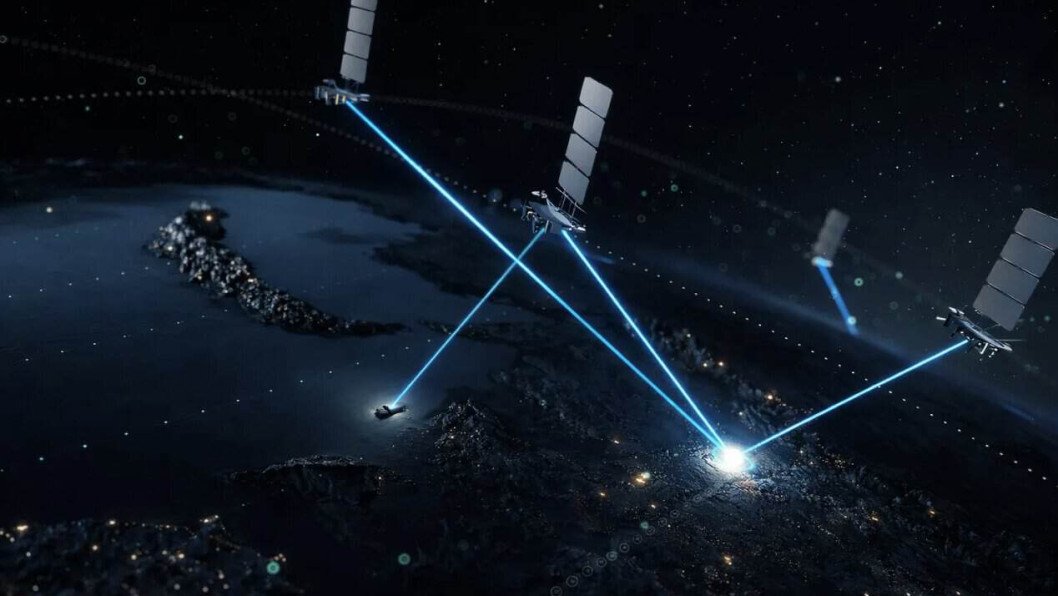
According to Zelenskyy, both issues ultimately depend on political decisions, leaving Ukraine reliant on its partners to resolve problems affecting its ability to defend against Russian aerial attacks.
Earlier, reports emerged that Ukrainian defense firm Militech Group developed the HRIM LTE modem to maintain control over unmanned aerial vehicles and ground robotic platforms during Starlink connection disruptions.
The device boosts LTE signal output to 1.5 watts—six times higher than standard 0.25-watt modems—ensuring stable data transmission even in areas with weak cellular coverage and providing an operational range of up to 45 kilometers.
Discuss this article: