- Category
- War in Ukraine
Ukraine’s Drones Were Hit by a 10-Day Starlink Speed Limit—What Happened and Why It Matters
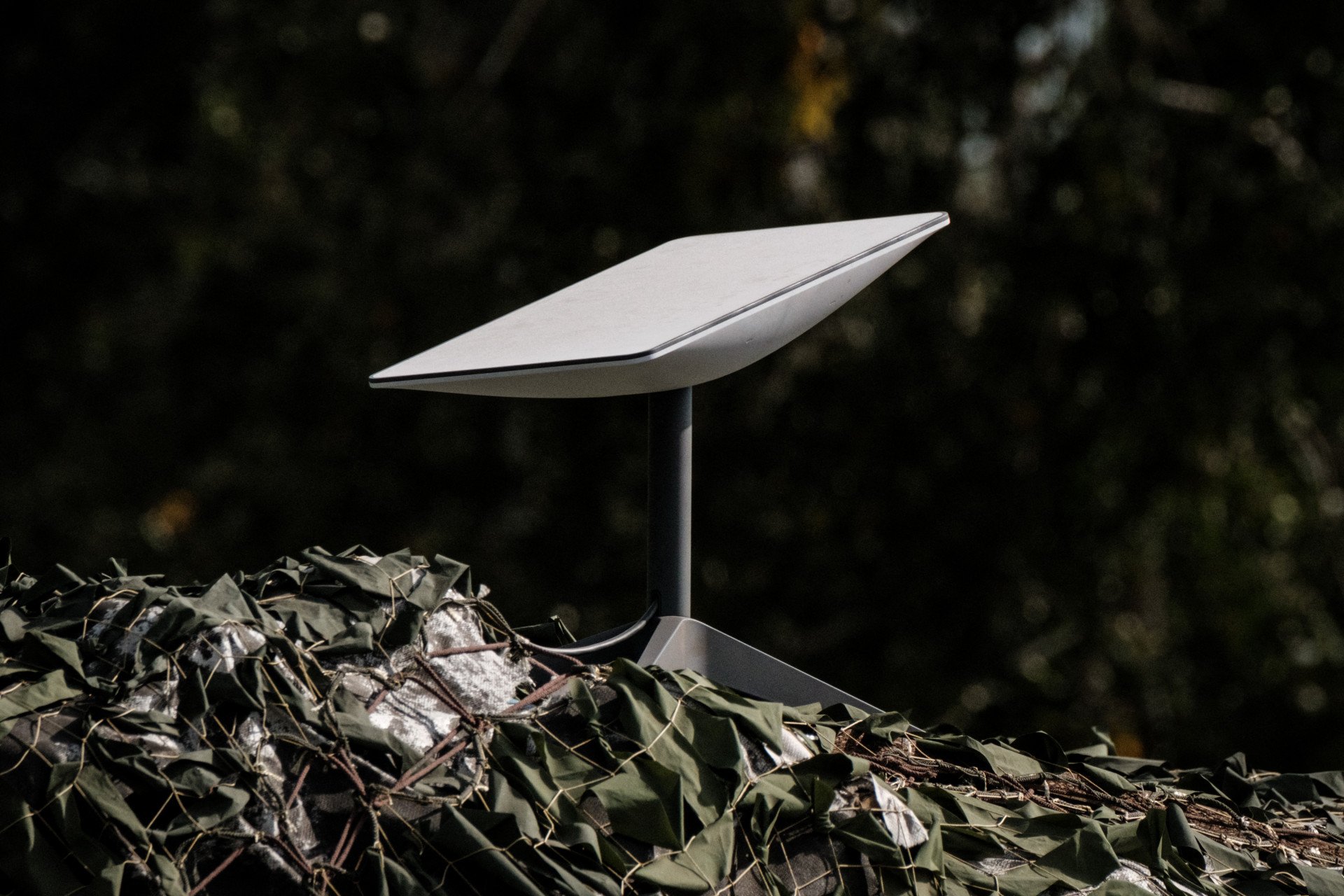
Ukraine’s Middle Strike drones are crippling Russian logistics up to 200 kilometers behind the front, helping Ukrainian forces liberate occupied territory. But for 10 days, unexpected speed restrictions affected SpaceX’s Starshield connectivity. Here’s how the restrictions unfolded between October 14 and 24, and how normal service was restored.
 Prefer U24 Media on Google
- Authors


In mid-October, Ukrainian forces reported that Starlink systems were no longer operating at their previous high speeds, with a newly imposed speed limit eight times lower than normal. The number of successful Ukrainian strikes against Russian targets dropped significantly that same day, particularly those targeting logistics routes and vehicles.
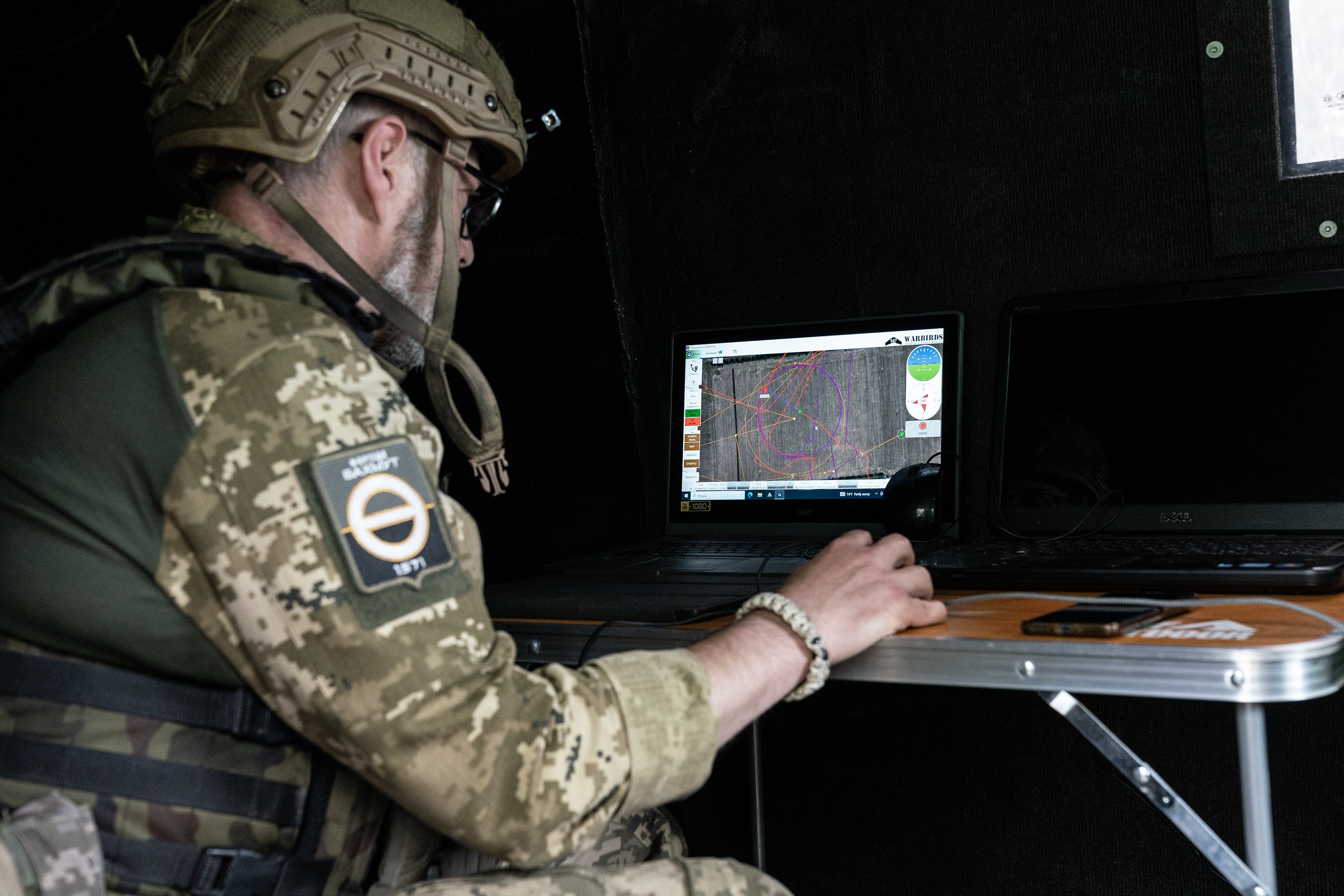
Starlink technology and its specialized military version, Starshield, which operate over Ukrainian territory, are critical components of Ukraine’s efforts to hold back Russian forces. One example is Operation Vivaldi, during which Ukrainian troops liberated 277 square kilometers (107 square miles) of territory. A key factor in that success was the disruption of Russian logistics up to 200 kilometers (124 miles) behind the front lines using drones equipped with Starshield.
Timeline of SpaceX’s Starshield speed restrictions in Ukraine
Mid-October 2026 proved challenging for Ukrainian drone operators using Middle Strike drones, which operate at ranges of 50 to 300 kilometers (31 to 186 miles) over Ukrainian territory. Restrictions imposed by SpaceX significantly reduced the speed at which Starlink terminals could operate before losing connectivity.
Before October 14: No operational speed restrictions had previously been recorded. Ukrainian military operators reported that Starshield-supported terminals could maintain connectivity at speeds approaching 470 km/h (292 mph).
October 14, 1:43 a.m.: Ukrainian operators detect the first disruption, with the speed threshold at which the system stopped working dropping to 60 km/h (37 mph). Ukrainian units initially reported losing connectivity at varying speeds, but subsequent analysis revealed a two- to three-minute delay between exceeding the speed limit and losing connectivity. The actual limit was 60 km/h.
October 14, 8:13 p.m.: Ukrainian operators confirmed that the speed limit had increased to 161 km/h (100 mph). Although connectivity improved, the system remained unable to support the substantially higher speeds previously available to Ukrainian forces.
October 15: Ukrainian officials reported improvements in connectivity following the initial disruptions, but the restrictions on high-speed operations remained in effect. Reuters reports, citing US and Western officials, that the order to restrict Starshield had originated inside the White House. Responsibility for the decision remained disputed.
October 15–18: Ukrainian forces continued operating under reduced speed limits. The available technical records do not establish whether further adjustments were made during this period.
October 19: Ukrainian presidential adviser Serhii Beskrestnov reportedly confirmed that the speed restriction of approximately 160 km/h remained in place, affecting military applications requiring high-speed satellite communications. Four US senators also requested explanations from SpaceX regarding the restrictions and their consequences for Ukrainian military operations.
October 20: The Wall Street Journal had attributed the decision to restrict the service to Elon Musk, contradicting earlier accounts that pointed to the White House. The circumstances surrounding the decision remained unclear.
October 21: Ukrainian representatives reportedly confirmed that the restrictions had not been lifted and that Kyiv had not received a clear explanation from SpaceX or the Pentagon.
October 23: Ukrainian officials reportedly confirmed the speed restrictions remained in place despite public assurances that service had been restored.
October 24, 1:10 a.m.: Ukrainian operators recorded a decline in connectivity errors, indicating that restrictions were beginning to be lifted.
October 24, 6:10 a.m.: Ukrainian operators confirmed that the restrictions were no longer in effect. Tests demonstrated stable connectivity at speeds of up to 470 km/h (292 mph), restoring the system’s previous high-speed capabilities.
October 24, later: Ukraine’s Ministry of Defense reportedly confirmed restoration of high-speed connectivity.
Starlink’s ability to operate at speeds of up to 100 mph is standard for SpaceX’s civilian services. This was the maximum speed at which the system could operate in Ukraine at the time, according to the company. However, Kyiv reported that before the restrictions were introduced, the system had supported speeds three times higher.
That capability is known as Starshield, a technology provided to military users and overseen in the United States by the relevant government agencies. Starshield’s operations in Ukraine were restricted on October 14. In total, the system was unable to operate at full speed for 10 days, from October 14 through October 24.
How Ukraine controls Starlink and Starshield access to prevent Russian use
Another important distinction is that Starlink and its military derivative, Starshield, operate only over Ukrainian territory, including Russian-occupied areas.
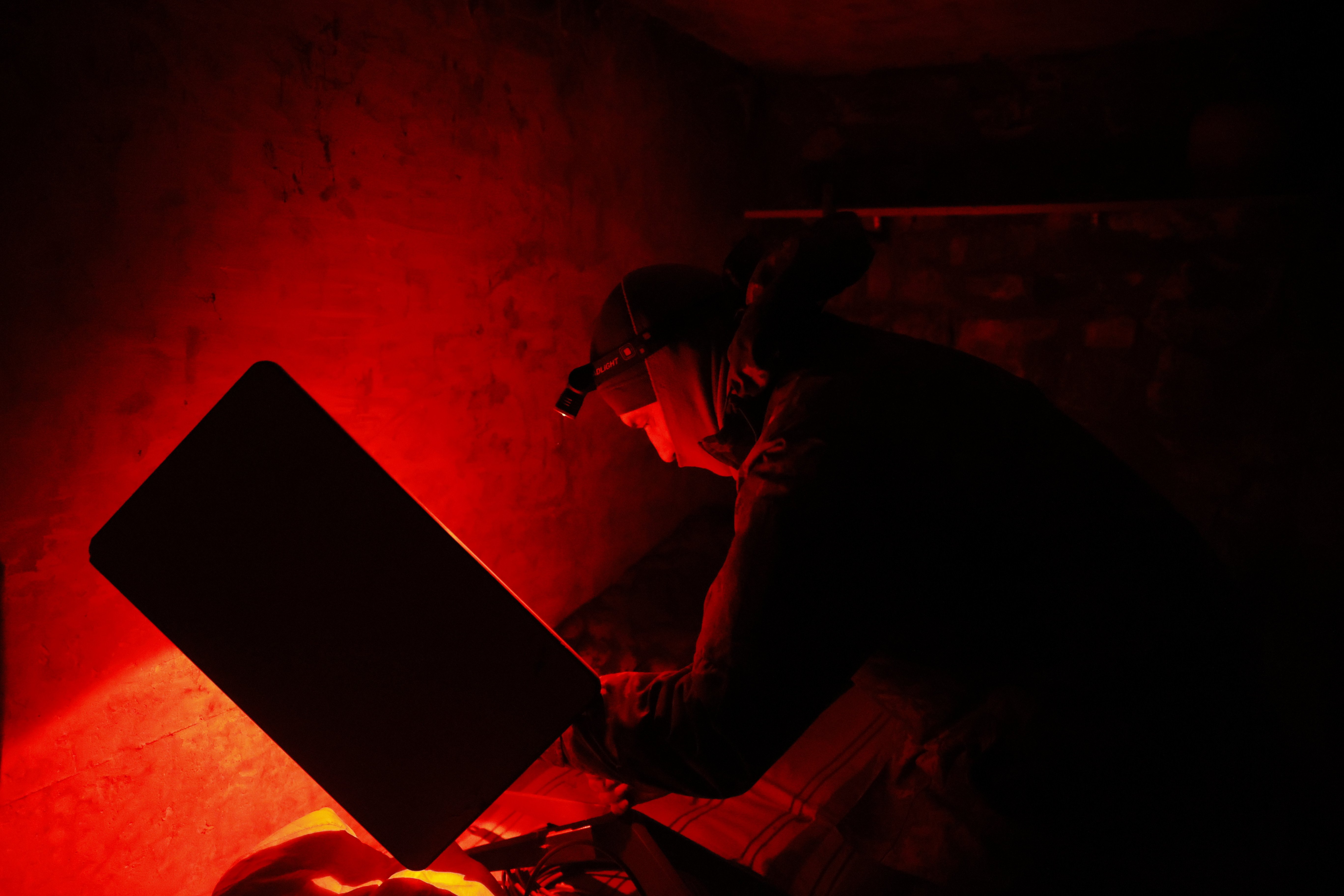
Ukrainian forces can use only terminals included on whitelists maintained by the Ministry of Defense and submitted to SpaceX for verification. Terminals purchased by civilians lose connectivity at speeds below 90 km/h (56 mph).
These measures are designed to prevent Russian forces from using the terminals. When the restrictions took effect, they caused panic among Russian troops and had a positive impact on the situation along the Ukrainian front.
Starlink systems do not operate over Russian territory.
Why Starlink is critical to Ukraine’s defense
“I want to thank everyone who helped us restore Starlink and Starshield operations, supported Ukraine’s communication on this issue, and made it possible to return to normal conditions,” said President Zelenskyy on October 24. “This is crucial. This really matters: for our frontline logistics, for defending Ukraine against jet-powered Shaheds.”
In Ukraine, Starlink serves a vital civilian role by maintaining communications during emergencies and in frontline regions. It also plays an essential role in military operations.
One of its most important military applications involves Middle Strike drones. Their impact on the battlefield became particularly evident in 2026, when Ukrainian forces began using them extensively to strike Russian logistics.
Here’s how it works: Middle Strike drones hunt Russian vehicles, command posts, warehouses, and ammunition depots across occupied Ukrainian territory. They destroy these targets on a massive scale, with thousands of successful strikes every week.
And the targets are not limited to tanks or artillery. They also include vehicles used to transport fuel, an essential component of Russia’s offensive capabilities. Destroying dozens of these vehicles every day reduces the number of Russian assaults and directly affects the situation along the front line.
Middle Strike drones have enabled Ukraine to launch what it calls a “logistics lockdown,” allowing Ukrainian units to dramatically reduce Russian forces’ ability to conduct offensive operations.
One example is Operation Vivaldi, carried out by Ukraine’s Third Army Corps. By disrupting Russian supply routes in the Luhansk and Donetsk regions, Ukrainian forces managed to increase the time required to deliver weapons and supplies to Russian positions, ultimately enabling a successful Ukrainian offensive.

Currently, Starlink does not operate in Russia, preventing Ukrainian forces from deploying Starlink-enabled drones against targets inside Russian territory.
However, there is both a need and a demand for this capability. Such drones could hunt down launchers used to fire ballistic missiles, potentially reducing the number of attacks on Ukraine’s energy infrastructure while conserving already scarce interceptor missiles for Patriot air defense systems.
Discuss this article: