- Category
- War in Ukraine
Ukraine’s Starlink Drones Are Crippling Russian Logistics in Crimea. Now They Need to Fly Into Russia
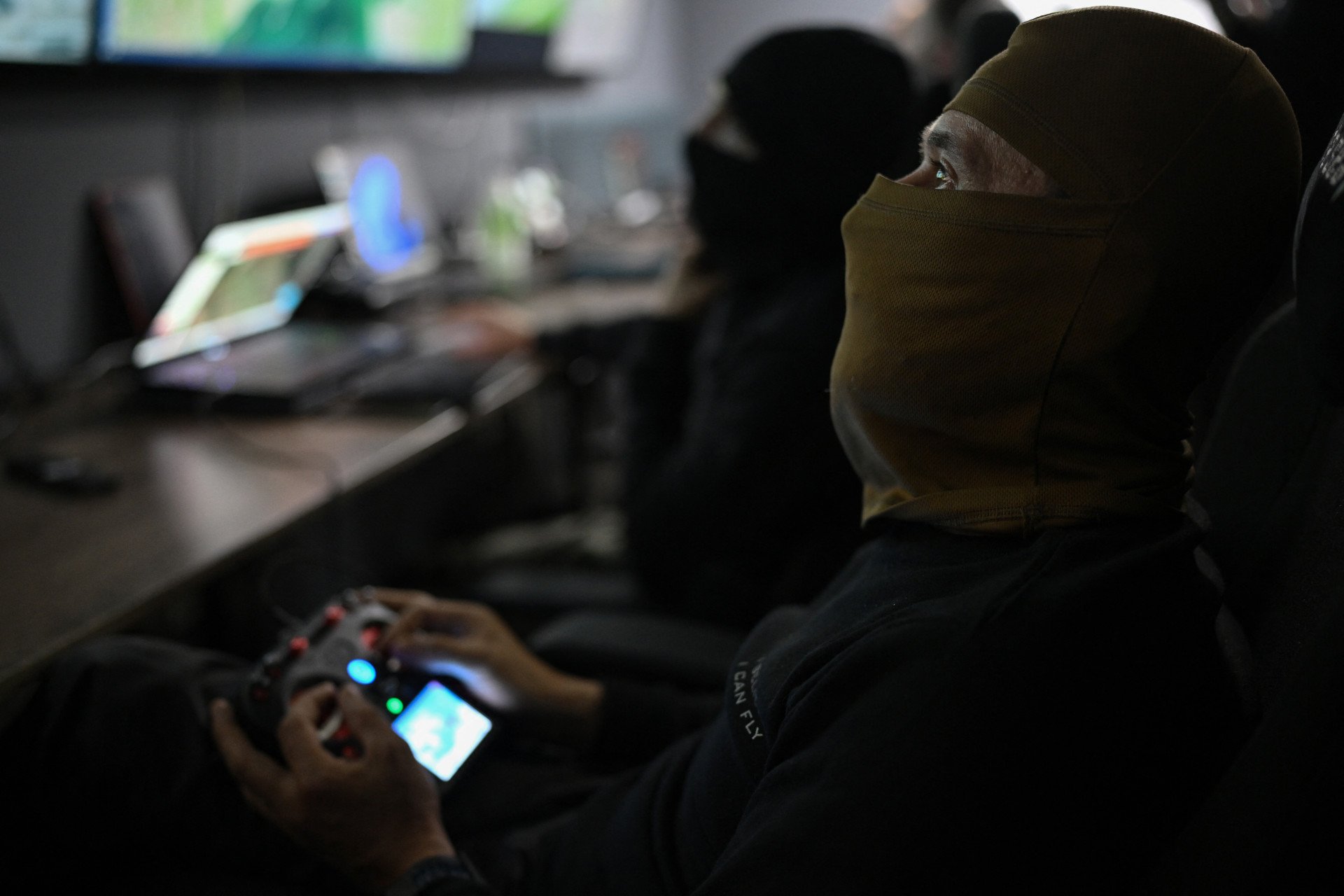
Lightweight and affordable fixed-wing drones are turning Russian supply routes in occupied territory into a liability. Now Kyiv needs to scale what worked in Crimea: Ukrainian drones equipped with Starlink should be able to fly into Russian regions bordering Ukraine, helping cripple the Kremlin’s rear-area logistics.
 Prefer U24 Media on Google
- Authors

-29a1a43aba23f9bb779a1ac8b98d2121.jpeg "Photo of Illia Kabachynskyi")
In late May 2026, Ukraine announced a large-scale operation dubbed the “logistics lockdown.” Middle Strike drones with ranges of 50–200 kilometers, and later up to 300 kilometers, began flying into Ukraine’s temporarily occupied territories: the Luhansk, Donetsk, Zaporizhzhia and Kherson regions, as well as Crimea.
A seemingly simple idea produced results: the collapse of supply lines quickly affected Russia’s offensive capabilities. Crimea, a key staging ground for offensive operations, became a liability: no electricity, no fuel, and no ability to safely assemble reserves. All land corridors came under attack, while Russian Telegram channels that are at least occasionally willing to show what reality looks like portrayed the southern routes through occupied Ukraine as “roads of death”: burned-out military vehicles, fuel tankers, and entire convoys of destroyed equipment.
-5a748c89a3e69e619f7b7eac8ce541b6.webp)
Ukrainian drone aviation achieved this breakthrough by gaining the ability to fly the aforementioned 200–300 kilometers. This was made possible by Starlink terminals operating within Ukraine, including in the occupied territories. Modifying a UAV in this way is relatively inexpensive while providing significantly greater operational range and accuracy.
Through the “logistics lockdown” operation, Ukraine has secured several significant advantages. One is a reduction in mechanized assaults. Another is that Russian artillery has been pushed farther back and, in many cases, has simply become impossible to operate. There have also been strikes on warehouses, weapons arsenals, and, importantly, command posts, where senior officers are often stationed. The deaths of officers at this level can have serious consequences for an entire military grouping.
And, of course, there are the strikes on logistics itself. Transporting soldiers to positions is dangerous, as is delivering weapons and ammunition. Supply routes become longer and more complicated, while the volume of cargo that can be moved within a given period declines. Russia is increasing the overall number of assaults, but these attacks now sometimes consist of just one soldier rather than two or three. Their effectiveness is falling while casualties are rising: July’s record confirms this, with more than 100,000 killed and dead over the spring.
Ukraine has repeatedly demonstrated that it knows how to devise solutions that work and produce results. But the main point is that what works must be scaled up quickly. The same applies to Ukrainian drones equipped with Starlink.
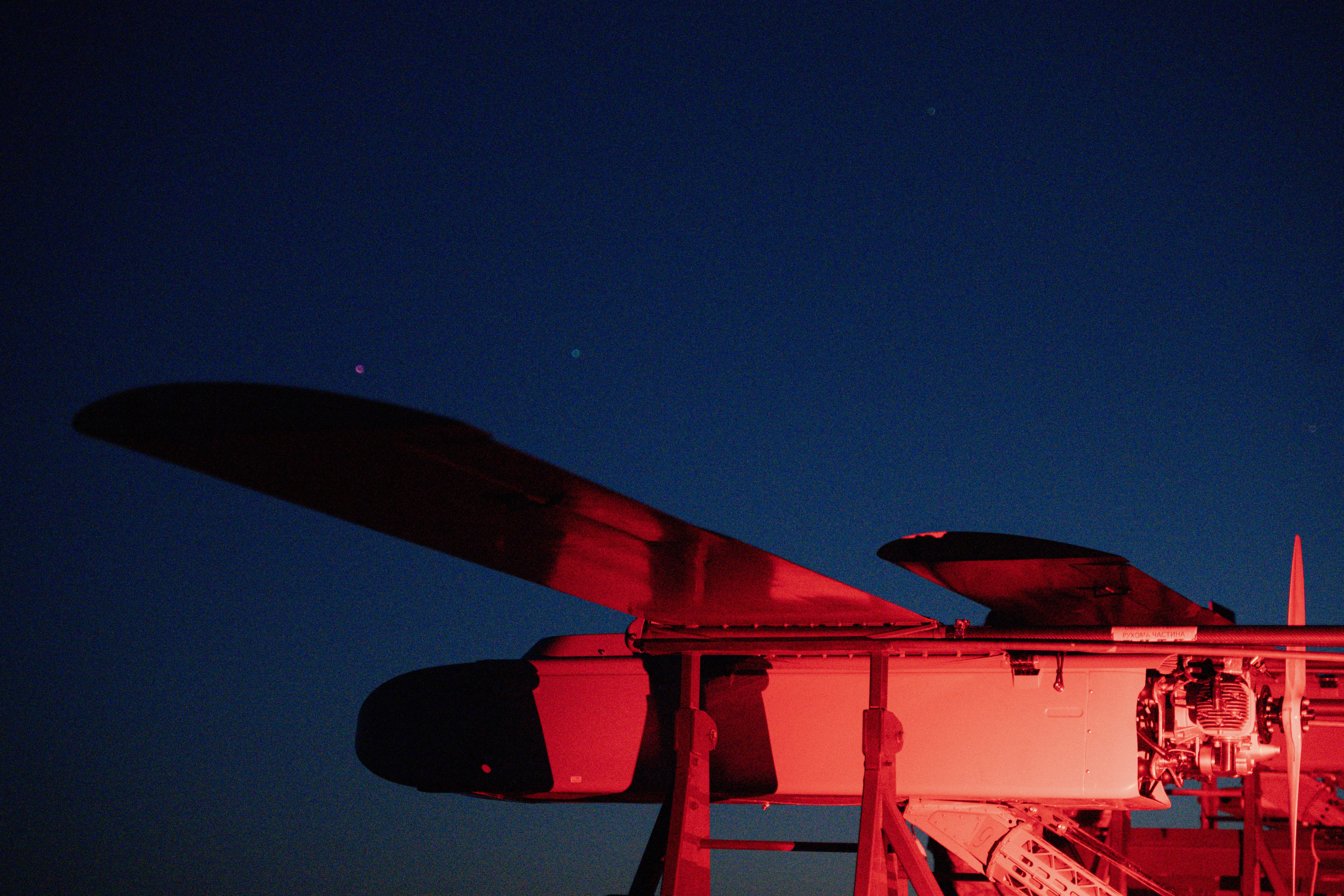
What Starlink drones could target inside Russia
Today, Ukrainian drones colloquially known as “Starlink planes” operate only within Ukraine’s borders. But expanding the area where Starlink can operate would yield even better results.
The idea is to enable Ukrainian UAVs controlled via Starlink to strike targets inside Russia—in other words, to fly deeper into enemy territory and engage targets there.
There is a wide range of potential targets for such strikes, but one priority is the infrastructure used to launch Shahed drones. The Russian military already operates a number of bases for launching this type of UAV near Ukraine’s borders, some of them close to European countries, posing a threat to the entire continent.
Next are the towers that provide MESH networks for controlling drones. They are typically located dozens or even hundreds of kilometers from the border and are difficult targets to hit. Starlink-controlled drones could quickly neutralize such targets, as has already been demonstrated in Crimea.
Again, the list of targets largely mirrors those found in occupied Ukraine: logistics, weapons, warehouses, and military command centers, as well as air bases and facilities where military equipment is stored.
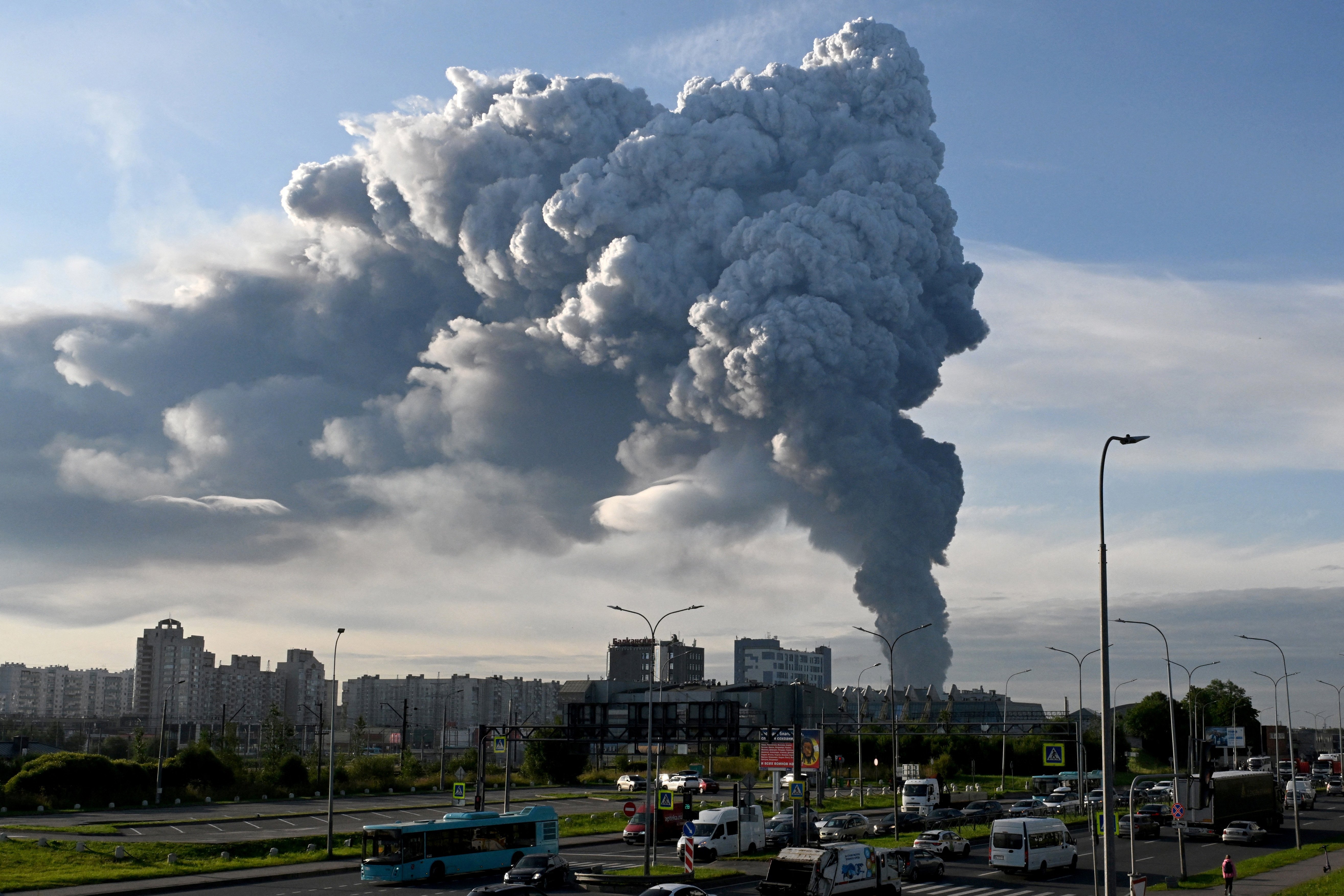
Throughout the full-scale war, Ukraine has consistently demonstrated that civilian facilities are not among its targets, while Russia launches ballistic missiles at residential neighborhoods day after day. Starlink-enabled drones are needed to push the war farther away from Ukraine’s borders.
Russian military logistics as the key target
If logistics become difficult enough, Moscow simply will not be able to deliver troops, supplies, fuel, ammunition, and other weapons to Ukraine. Russia’s problem is no longer so much a shortage of trucks as a shortage of drivers willing to get behind the wheel of a vehicle that could be targeted. The same applies to the transportation of military equipment and other logistical components in the chain that brings the war to Ukraine’s borders.
Crucially, Starlink-enabled drones are an example of a weapon that can be scaled up quickly, while the experience Ukrainian units have already gained in operating them could make it possible to shift the war into Russia’s border regions within weeks.
This approach is critical because it is not about responding to a strike. It is about changing the paradigm of the war and seizing the initiative. At the beginning of the full-scale invasion, the Kremlin used Crimea as a staging ground. Today, it is forced to deploy thousands and tens of thousands of troops to defend it. The same must be done with Russia’s border regions: they should be turned into a buffer zone and cease to serve as a launchpad for attacks on Ukraine.
One example is the dangerous use of S-400 systems firing at Kyiv from Russia’s Bryansk region, killing dozens of Ukrainian civilians. Drones equipped with Starlink have the potential to radically reduce this threat.
Discuss this article:


-c439b7bd9030ecf9d5a4287dc361ba31.jpg "Photo of Katherina Popilnichenko")