- Category
- War in Ukraine
Ukraine Tests Low-Cost Recon Drones as Russian Interceptors Change the Economics of Aerial Surveillance
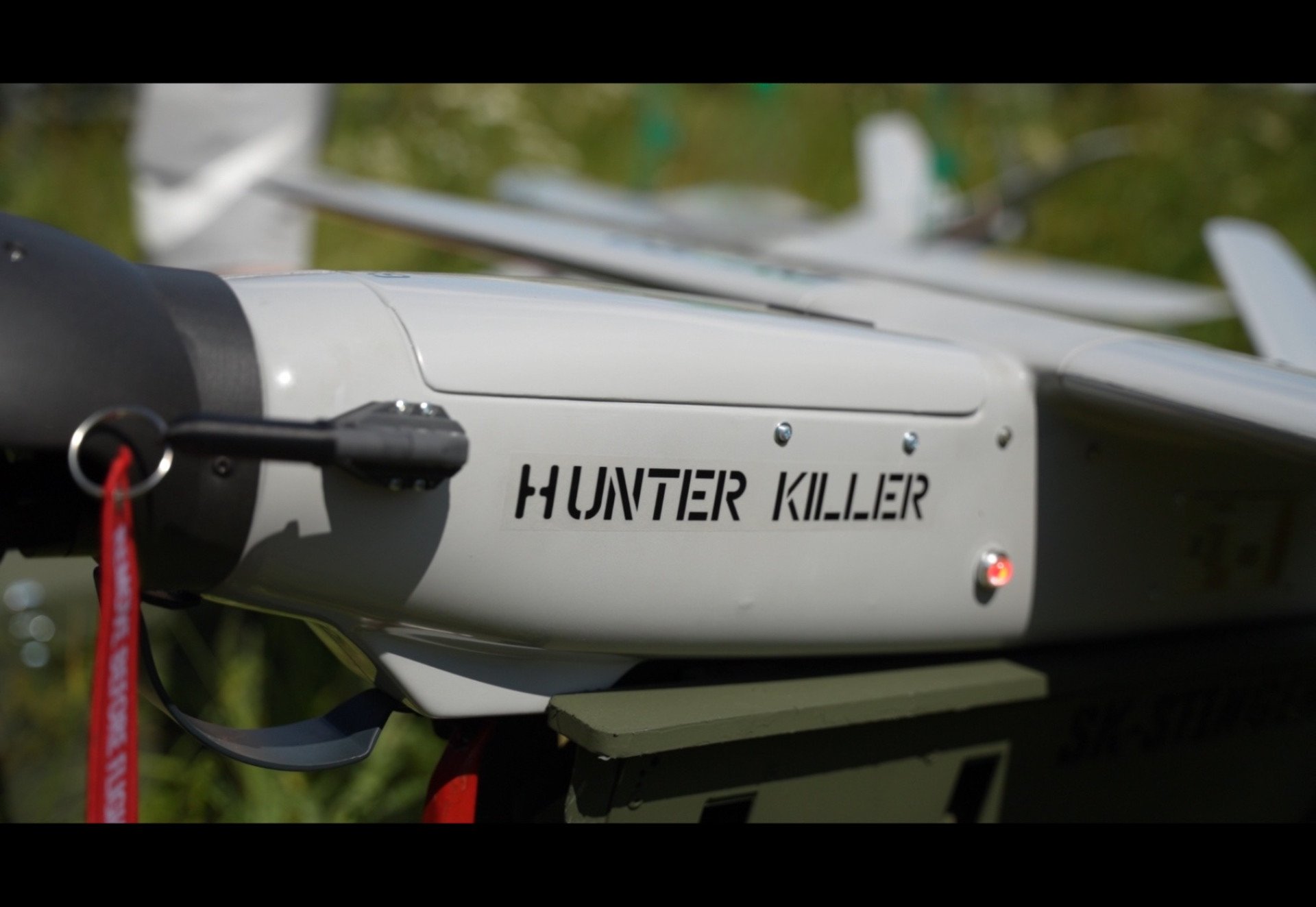
With cheap Russian interceptors saturating the front, Ukraine is developing lower-cost surveillance drones to keep eyes in the sky without relying on premium components.
 Prefer U24 Media on Google
- Authors


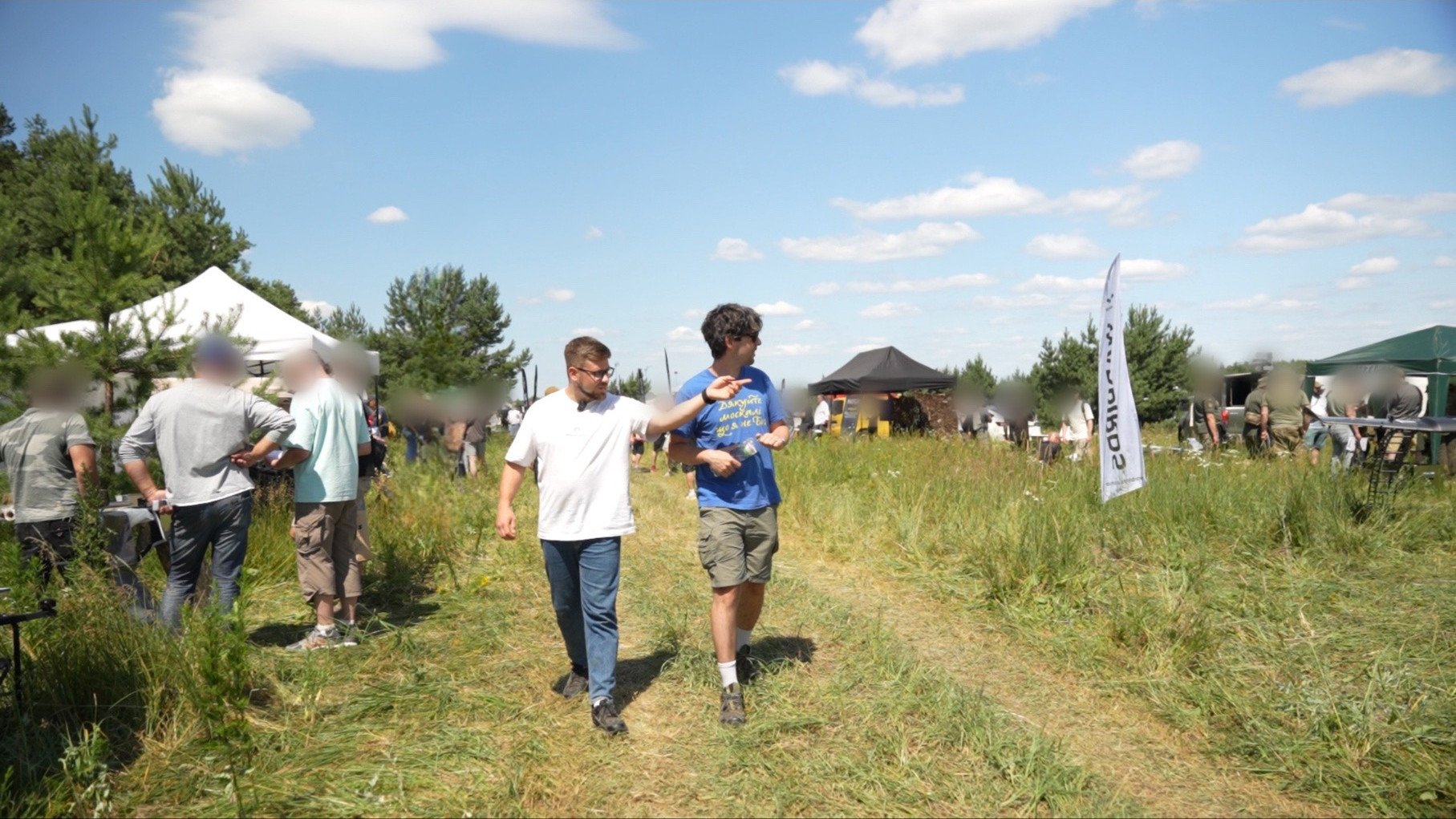
Somewhere in the Kyiv region, tucked deep into the bush, Brave1 held an event that would look strange to almost anyone outside Ukraine’s defense-tech scene. But for the people who build, test, and buy these systems, this is nothing out of the ordinary.
The event focused on reconnaissance aircraft priced under Brave1’s target of 200,000 UAH ($4,500) per airframe. By comparison, around a year ago, the low-end market rate was $20,000 for similar airframes, while the average was around $40,000, according to Brave1 data.
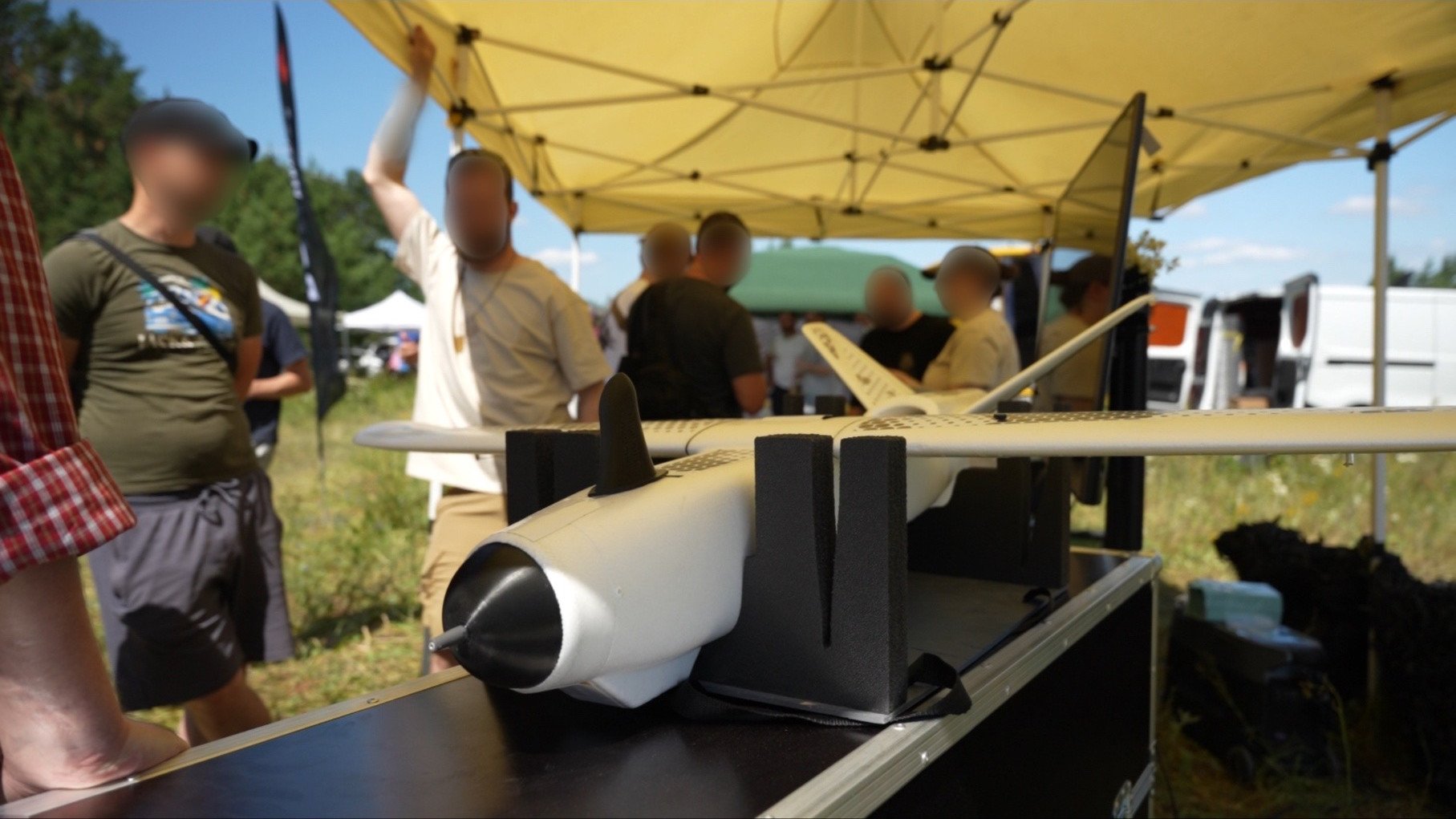
As Russian interceptor drones and electronic warfare (EW) make reconnaissance more dangerous, Ukraine is pushing its private industry into producing cheaper systems that can be created, deployed, and replaced at scale, reducing the risk of sending drones into contested airspace.
The logic is simple: if a drone may survive only a few flights, its price has to reflect that reality, says Denys Lohvynenko, head of the UAVs at Brave1.
“Low-cost reconnaissance aircraft allow tasks to be performed up to 10 times cheaper than before,” Lohvynenko said. “The war is very dynamic, and we have to adapt our tools to the challenges we face today.”
Together with the military, Brave1 identified a need for more affordable reconnaissance platforms and concluded that most battlefield missions can be performed by simpler, lower-cost systems. While these drones may use less advanced cameras and components, they are still capable of accomplishing the same core reconnaissance tasks.
Cheap and abundant Russian systems
For much of the full-scale war, fixed-wing reconnaissance UAVs have been essential to Ukraine’s battlefield visibility. They help locate Russian positions, guide artillery, monitor movement, and support strike missions. But these drones are now operating in a much more hostile environment.
While Ukraine may have been first in the development and systemic deployment of interceptor drones, Russia has mirrored Ukraine's methods, introducing cheap Russian systems like the Molniya, Sokol, and Yolka, which now saturate parts of the front line.
Their simple, low-cost airframes and standardized designs make them easier to mass-produce, allowing Russian forces to fill key areas with swaths of drones and, in this case, interceptors built to hunt Ukrainian reconnaissance drones.
Russia is also scaling up EW across the front. Compact jammers on vehicles, tripod-mounted systems near positions, and larger arrays now create layered digital nets meant to disrupt Ukrainian drone control links, video feeds, and navigation.
For Lohvynenko, the conditions set by the Russians bring into question the necessity for shiny systems. “When [the drone’s] life cycle is one or ten flights, why do you need a device for $70,000?” he said. According to him, these drones still have an important role, but the range of missions they're used for has significantly reduced.
The right tool for the right job
Brave1 says some reconnaissance tasks that once required drones costing $40,000, $50,000, or even $70,000 can now be performed by platforms in the $2,000–$7,000 range. One of the key components of Ukraine's low-cost drones is locally produced communications systems from companies such as Coalas Tech and HIMERA Radios.
These cheaper drones usually come with simpler cameras, less expensive components, and fewer premium features. For many front-line tasks, that may be enough.
But not everyone at the event was fully convinced. Some participants questioned how these cheaper systems would perform in poor weather, where lighter materials can make aircraft less stable and lower-end optics can become too shaky for effective reconnaissance. In those conditions, a drone may still fly, but the intelligence it collects can become too poor to justify the mission.
Despite the skepticism, Brave1 reports that several systems currently under scrutiny by military operators have defied expectations during field trials.
At the proving grounds
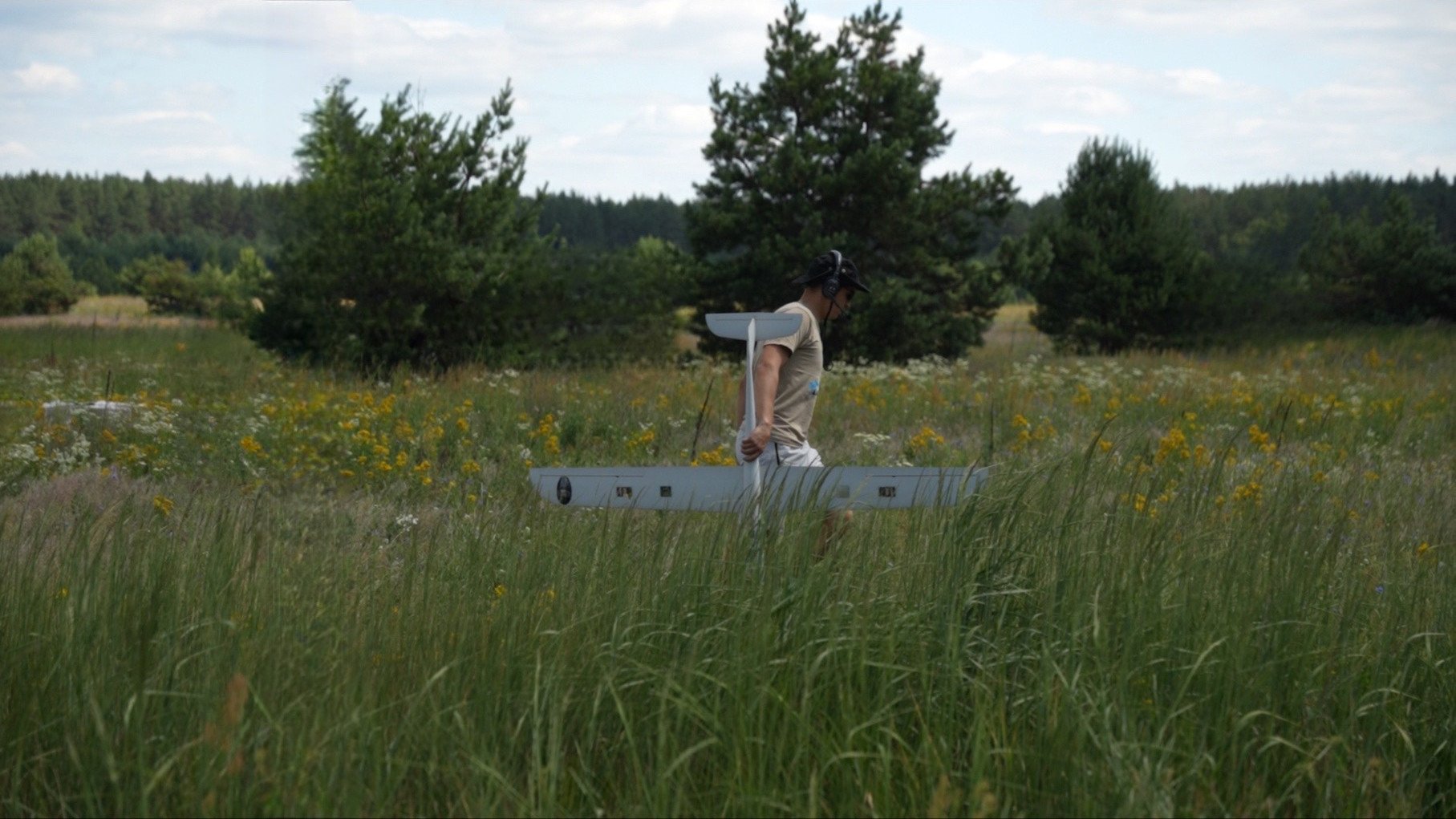
At the event, manufacturers presented drones in a field expo zone while aircraft were flown nearby under shared test conditions. Lohvynenko said Brave1 measured flight distance, time in the air, signal strength, and resistance to electronic warfare. EW systems were also used during testing to attempt suppression, with results recorded and later shared with military spectators.
For soldiers, the format offers a direct way to compare multiple systems in one day. Instead of reading brochures or watching edited videos, they can see aircraft fly, watch live streams, ask questions, and judge whether a drone fits their unit’s needs.
“The specifics of such events are that in one day a soldier can see not one solution from the manufacturer, but immediately 10, 20, sometimes even 30 solutions,” Lohvynenko said. “And see if it works in the field, where the conditions are the same for everyone.”
What are manufacturers saying?
One of the companies present was TAF Industries, which demonstrated its Babka reconnaissance drone. Markiyan, head of Babka’s flight direction, said the team was flying toward a target area around 50 kilometers away before making its return to the launch site.
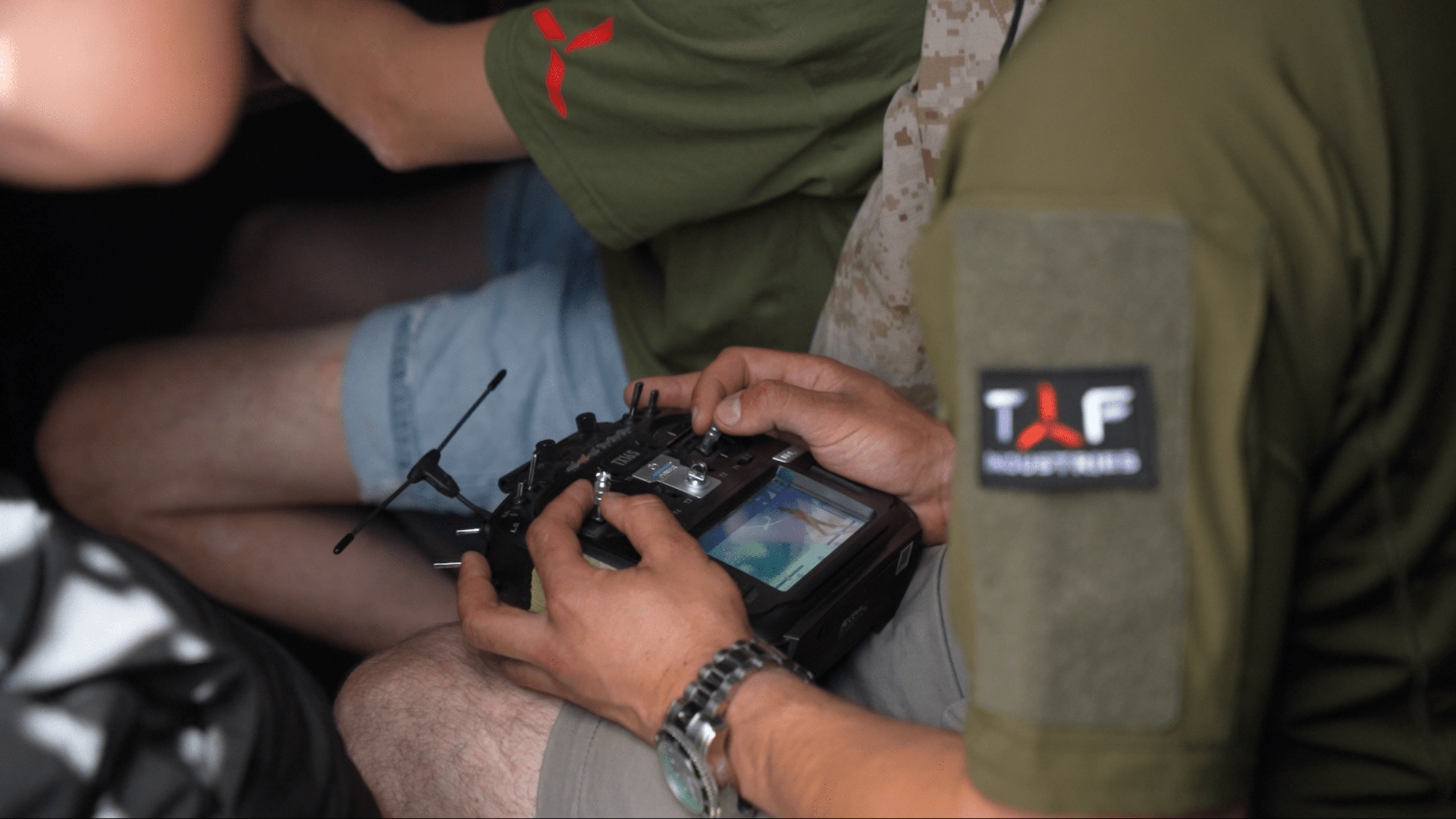
“The military watches the stream, we broadcast the stream, we show the work of the camera, we talk about navigation, we show the capabilities of our camera,” he said.
One Babka airframe costs about 130,000 UAH ($2,900), while a full complex of four drones costs around 1.15 million UAH ($25,700), says Markiyan. According to him, they have the cheapest airframe on the market. The aircraft is intended for scouting, artillery correction, and other missions where a unit needs visibility but cannot justify risking a high-end platform.
Vyriy, one of the more popular producers of low-cost FPV drones, also participated in the event to showcase their Sokil aircraft, noting that the unit cost for this drone is 200,000 UAH.
DARTS also presented a low-cost fixed-wing platform. A company representative described an updated DARTS-2 model built around a Starlink-based control system, with a redesigned fuselage and expanded payload capacity. He said the average unit cost is about 130,000 UAH ($2,900) due to the use of cheaper materials, including wood and foam.
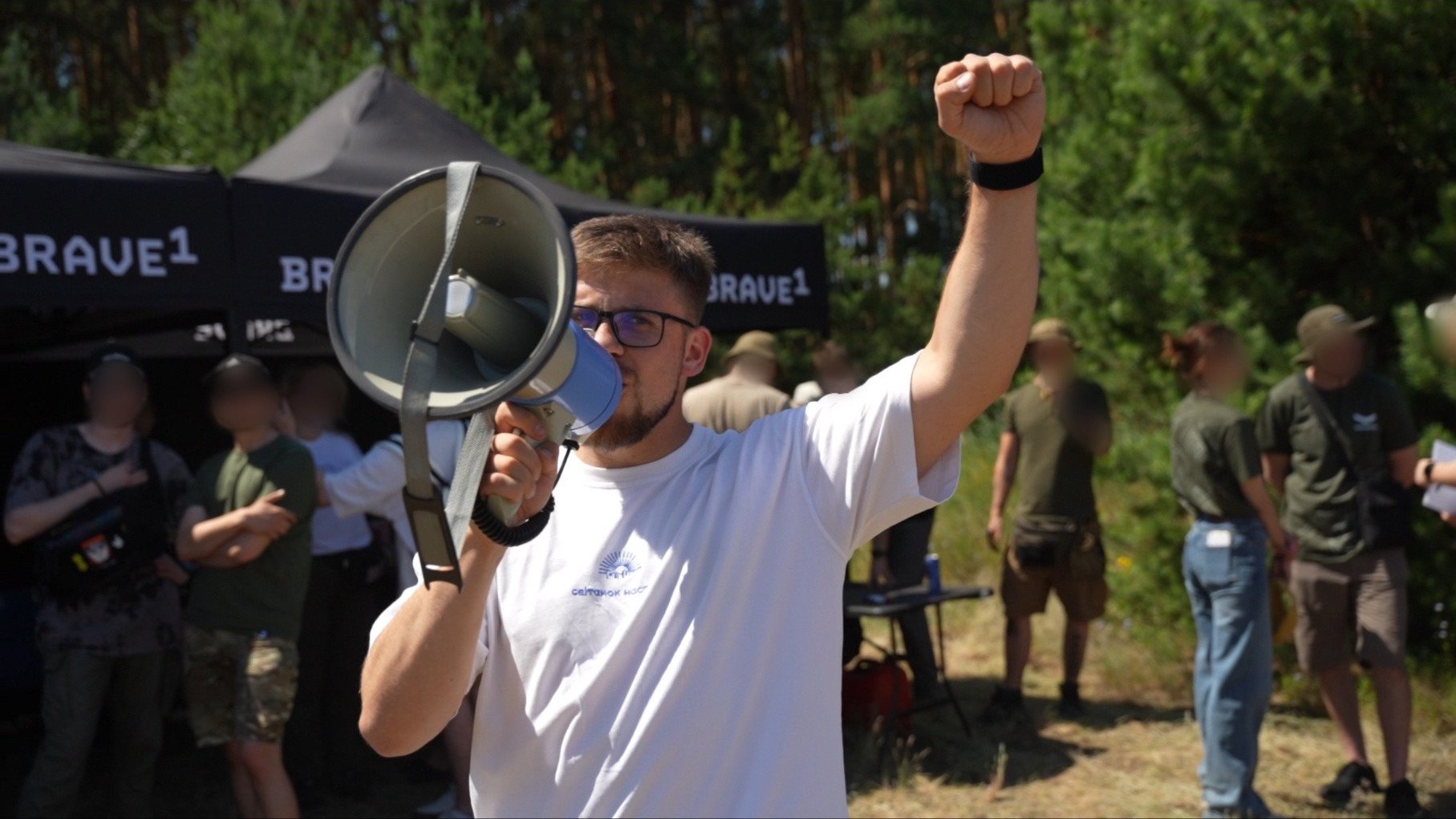
“From my point of view, the more equipment will fly out, the greater the probability of making an impact,” the representative said. “If we can make equipment that will cost not $8,000 but $2,500 and it will do the same job, then why would we make it more expensive?”
A case for the higher end
Also at the event was Quantum Systems, a German drone manufacturer with an R&D wing in Ukraine. The company is best known in Ukraine for the Vector, a higher-end reconnaissance UAV used by Ukrainian forces and other Western militaries.
Alex, product manager for the SPARTA UAV, said Quantum Systems is not trying to compete in the under-$7,000 segment. Its drones are more expensive and built for different missions – not tactical-level kill-zone operations, but operational-level and special operations missions.
Quantum Systems delegated part of its R&D work in Ukraine to “prioritize direct battlefield feedback and user proximity,” according to Alex. This approach is gaining a lot of steam among global defense primes, but Quantum Systems takes it a step further: the company designs and validates its products directly against real battlefield conditions from the earliest stages of development – not only once testing begins.
As product manager Alex explained, “We don’t want to build the product, offer it for the war, and then realize that something is wrong. We are doing vice versa.”
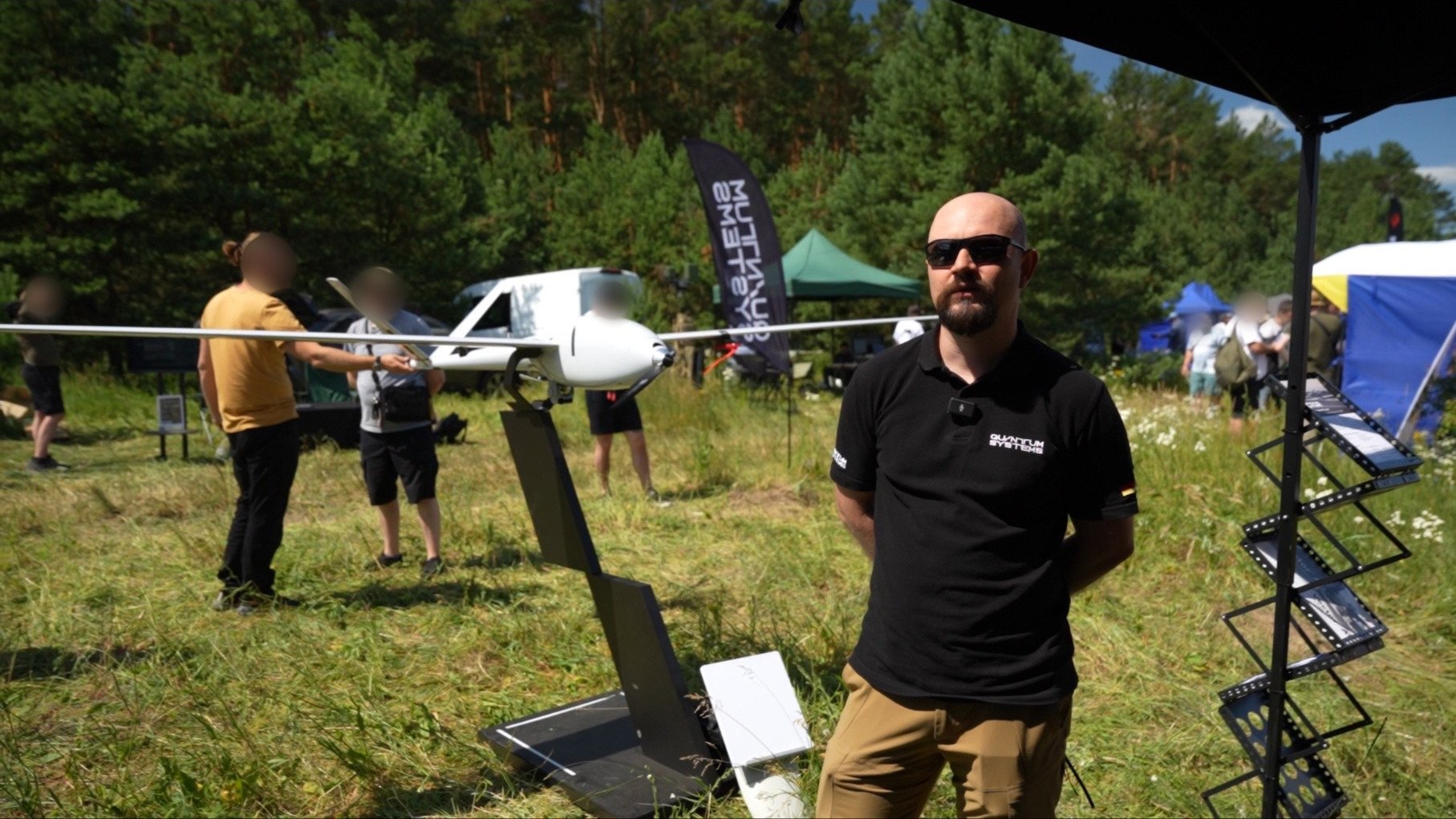
This has become the standard operating procedure for a war defined by short windows of product viability.
Which is why Ukraine’s defense industry is often defined by its versatility and speed. High-end UAVs will always have their place, but initiatives like Brave1’s show what it takes to keep pace in a grueling R&D race. Whether these cheap systems work at scale will become clear over time, likely sooner than expected. And then, as always, it will be on to the next solution.
Discuss this article:


-c439b7bd9030ecf9d5a4287dc361ba31.jpg "Photo of Katherina Popilnichenko")



-72b63a4e0c8c475ad81fe3eed3f63729.jpeg "Photo of Cyril Barabaltchouk")