- Category
- War in Ukraine
Ukraine Turns Anti-Tank Missiles Into Affordable Air Defense With Norway’s New Desna System
 Prefer U24 Media on Google
- Authors


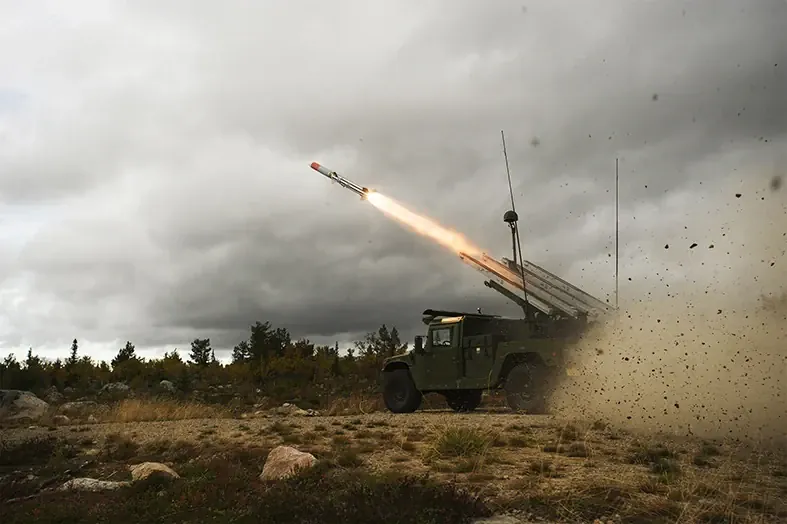
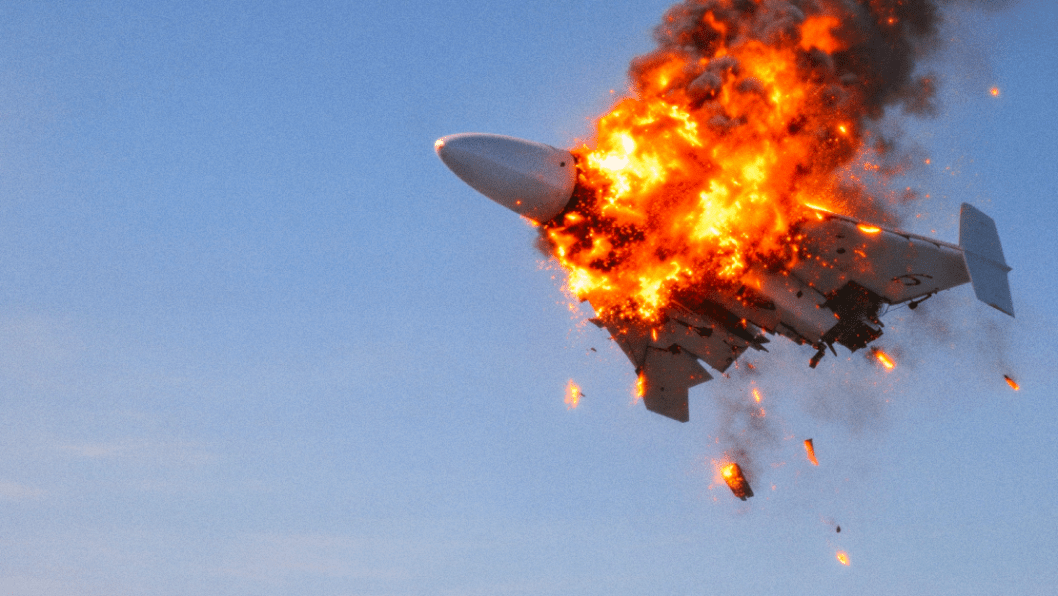
Ukraine has begun deploying the Desna air defense system, jointly developed with Norway, to intercept Russian drones using domestically produced, lower-cost missiles amid a global shortage of conventional air defense ammunition.
We bring you stories from the ground. Your support keeps our team in the field.
Norwegian Defense Minister Tore O. Sandvik announced the development during a meeting with his Ukrainian counterpart, Yevhen Khmara, in Oslo, according to Norwegian broadcaster NRK on November 24.
Norway has purchased and delivered several Desna systems to Ukraine in recent months. The Norwegian government is now working to expand the project to provide air defense coverage across more Ukrainian territory.
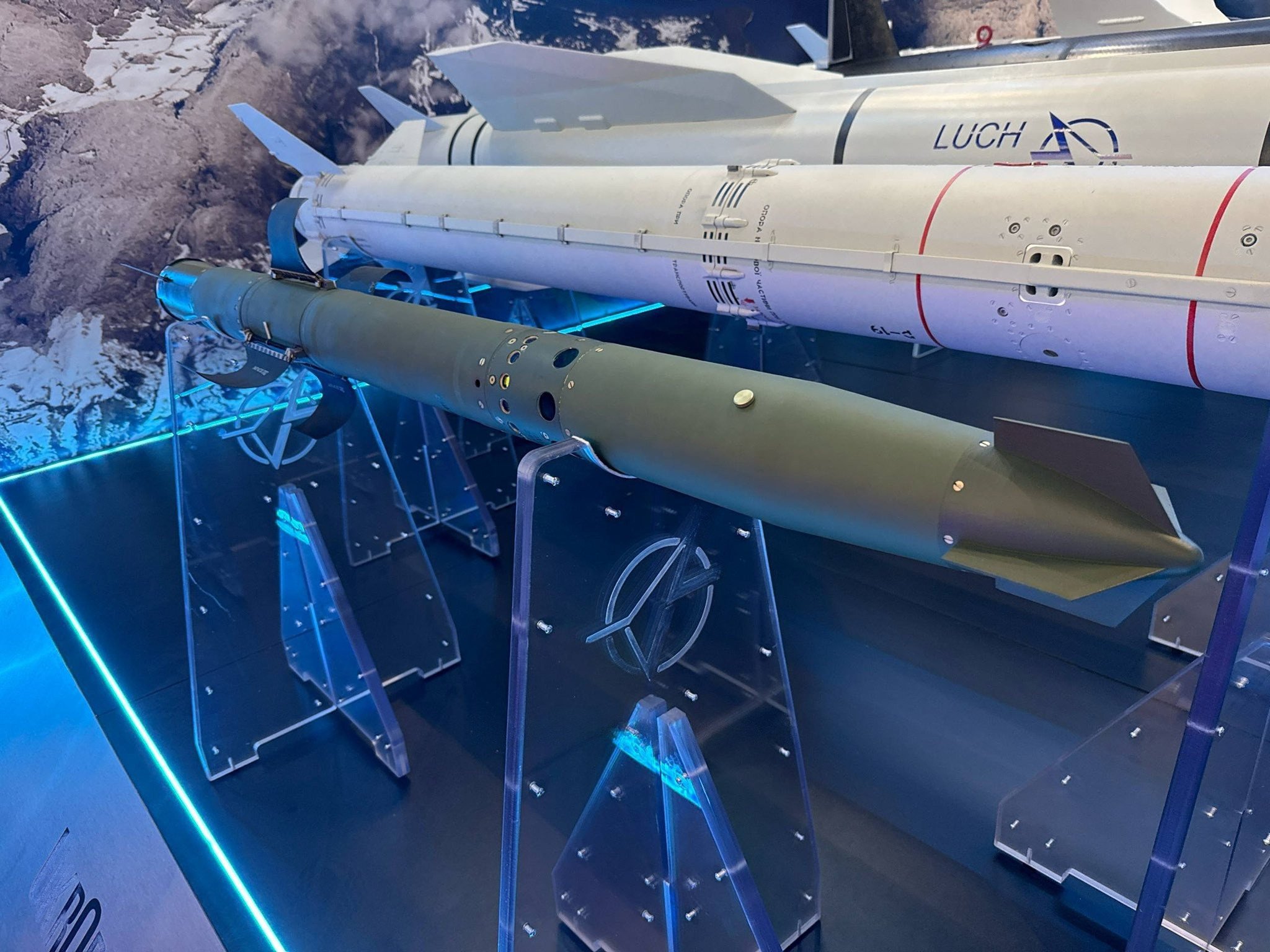
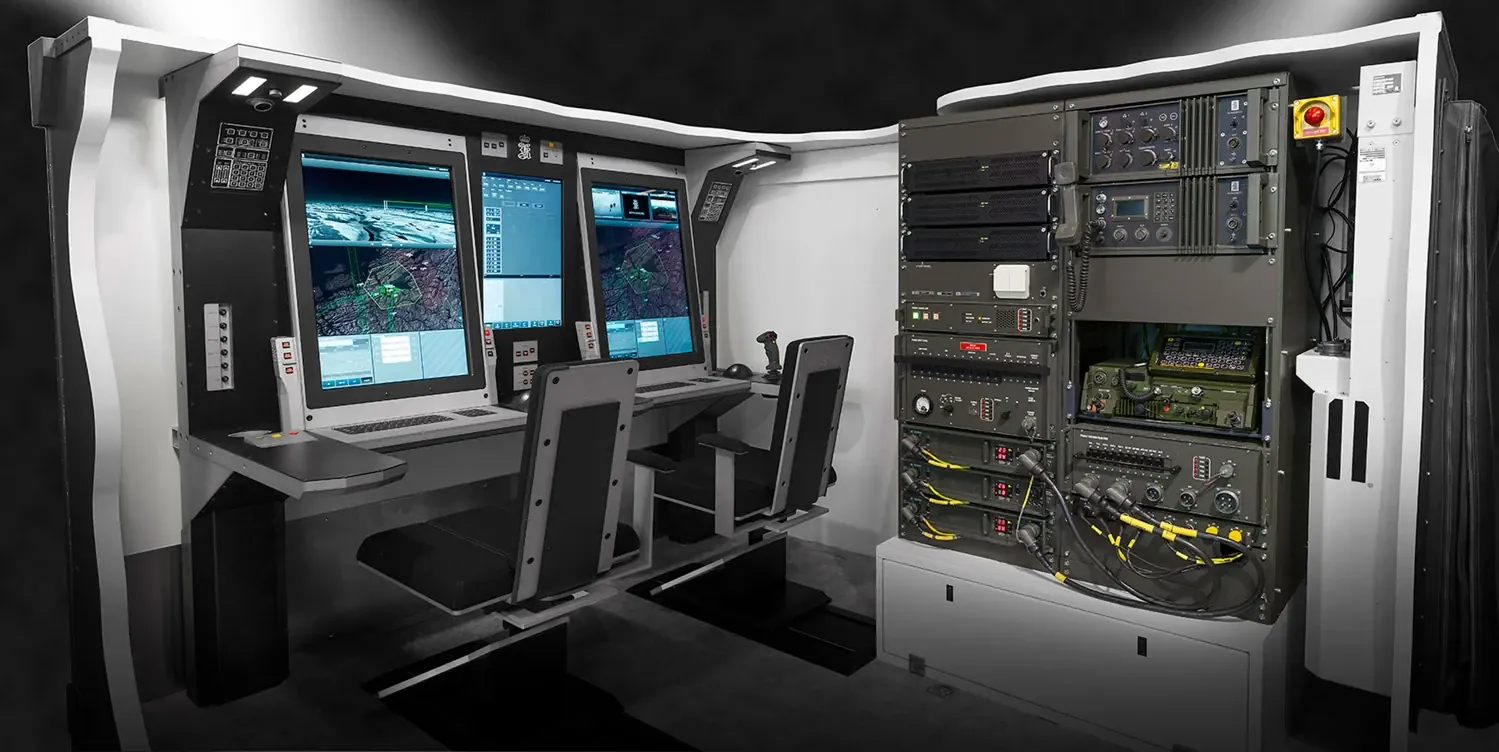
Developed jointly by Ukrainian defense enterprises and Norway’s Kongsberg Defence & Aerospace, Desna combines Ukrainian-made missiles and launchers with a Norwegian fire control system.
According to Kongsberg, the system is designed to complement NASAMS air defense systems, which Ukraine has operated since 2022, while reducing reliance on more expensive and increasingly scarce conventional interceptors.
The Ukrainian missiles used by Desna can be manufactured at a lower cost and in large quantities, potentially improving Ukraine’s ability to sustain air defense operations against repeated Russian drone attacks.
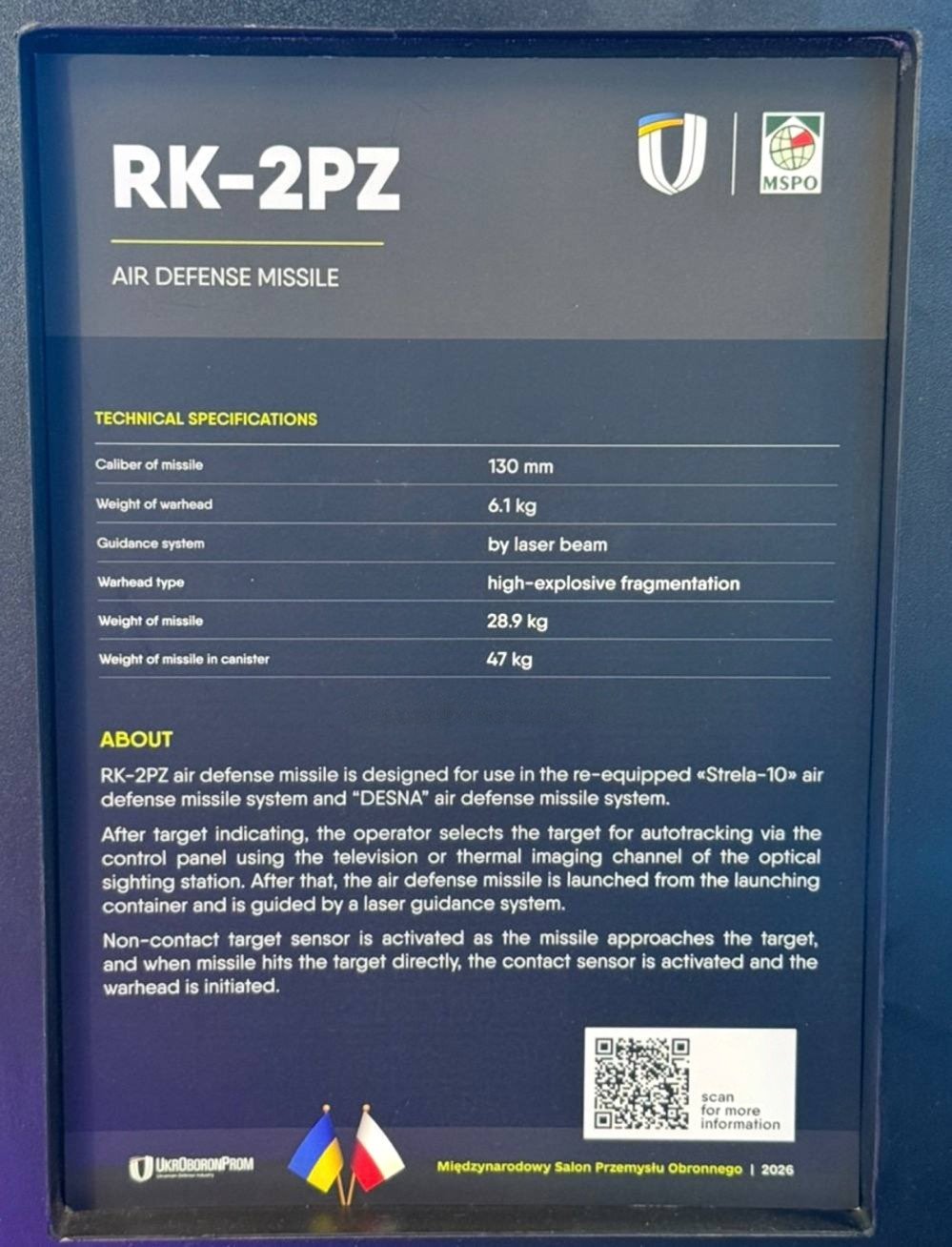
Ukraine’s state-owned defense conglomerate Ukroboronprom unveiled the RK-2PZ surface-to-air missile for Desna at the MSPO defense exhibition in Poland in September 2026.
The interceptor was developed from Ukraine’s Barrier anti-tank guided missile family and features laser beam guidance and a proximity fuze. Its operational range and other performance characteristics remain undisclosed.
Defense Express reported on November 24 that Desna could potentially be integrated with existing NASAMS fire control infrastructure, although the exact configuration has not been officially confirmed.
NASAMS currently relies on missiles including the AIM-9, AIM-120, and AMRAAM-ER, making the availability of more affordable Ukrainian interceptors particularly significant amid growing international demand for air defense ammunition.
Earlier, on November 19, Britain and Norway announced a joint investment of more than £100 million ($125 million) to build two combat vessels equipped with modern air defense systems for Ukraine, aimed at strengthening Black Sea security and protecting vital maritime trade routes.
Discuss this article: