- Category
- War in Ukraine
Ukrainian Drones Hunt Down Russia’s Artillery Park Inside Bryansk Region
 Prefer U24 Media on Google
- Authors


Ukrainian drone operators from the Bulava Unmanned Systems Battalion of the 72nd Separate Mechanized Brigade struck multiple Russian artillery systems deployed in Russia’s Bryansk region, according to footage published by the battalion on May 26.
We bring you stories from the ground. Your support keeps our team in the field.
The released video appears to show strikes against several types of Russian artillery equipment, including 2S19 Msta-S self-propelled howitzers, 2S1 Gvozdika self-propelled artillery systems, 2S4 Tyulpan heavy self-propelled mortars, D-30 towed howitzers, and 120 mm mortar positions.
According to the battalion, the operation targeted what it described as a concentration of Russian artillery assets positioned near the border area. The unit published combat footage on its official channel on May 26.
🇺🇦 Ukrainian drone operators say they destroyed a cluster of Russian artillery systems inside Russia’s Bryansk region—including Msta-S howitzers, Tyulpan heavy mortars, Gvozdika SPGs, D-30 guns, and 120 mm mortars. pic.twitter.com/cWnFhqKx4C
— Ivan Khomenko (@KhomenkoIv60065) May 27, 2026
“We are burning down the occupiers’ artillery. The video shows the effective work of our team destroying Russia’s artillery park in the Belgorod region. We are turning the Russian arsenal into scrap metal. More heat is coming,” the battalion wrote alongside the video.
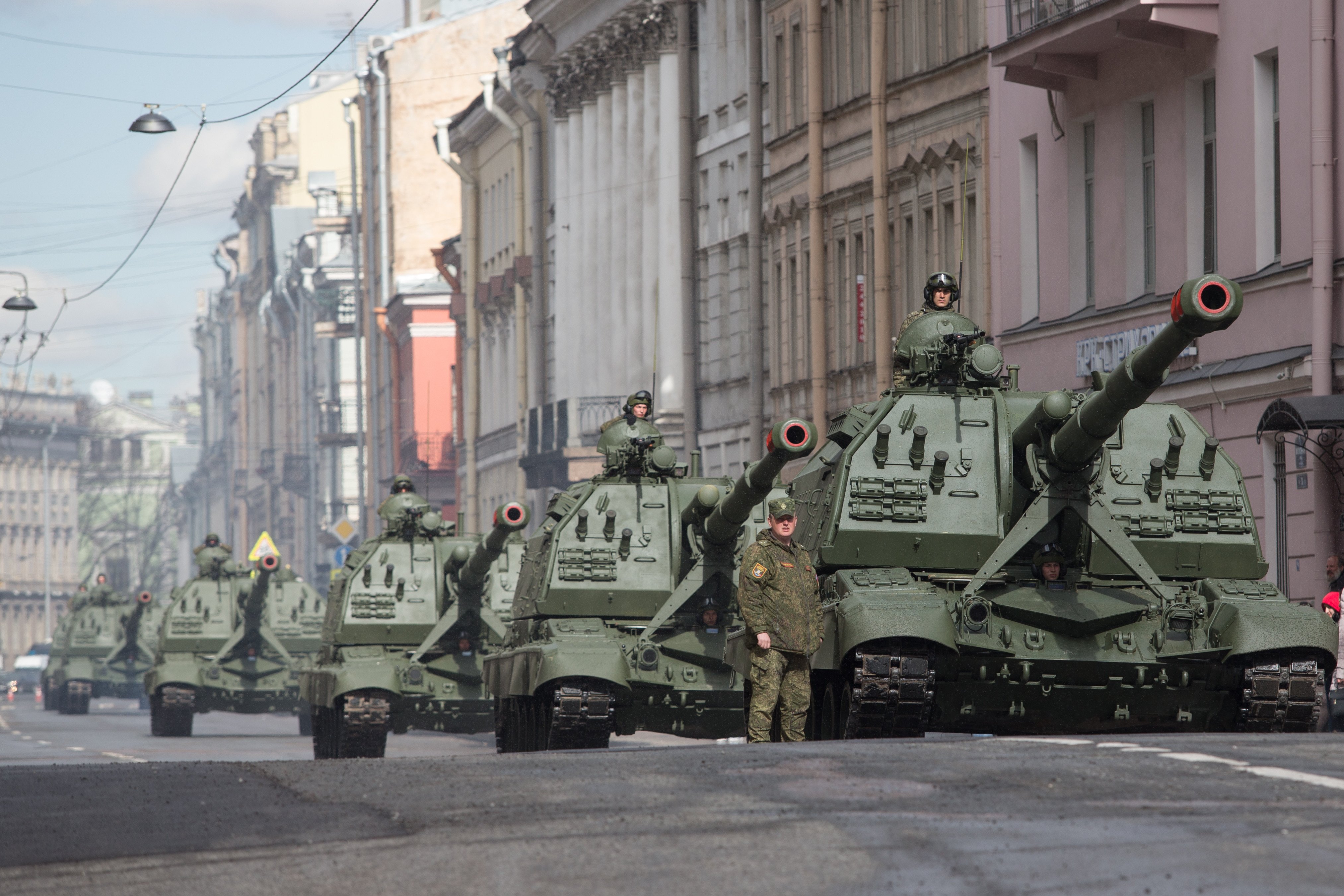
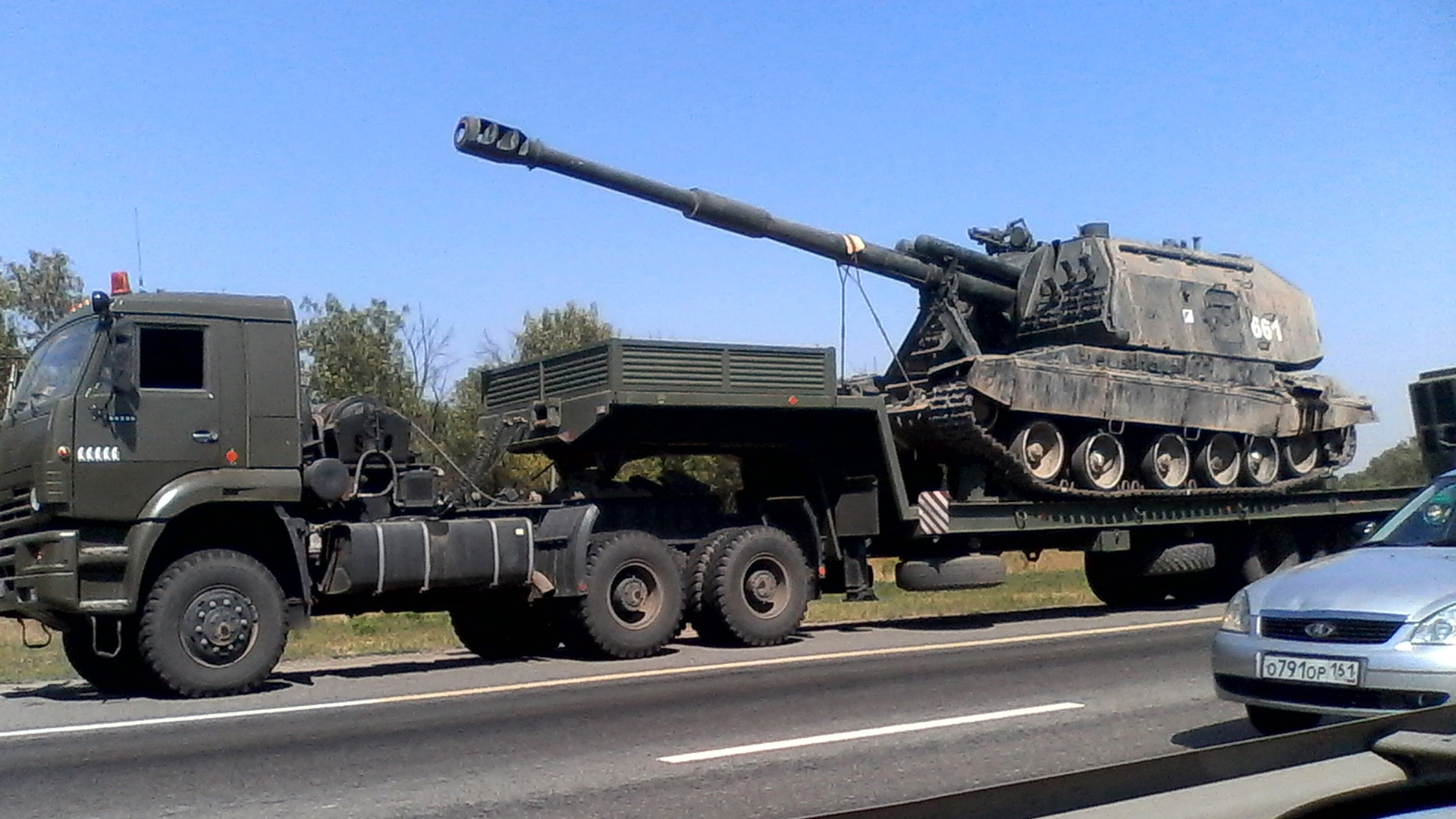
The 2S19 Msta-S is a Russian 152 mm self-propelled howitzer introduced in the late Soviet period. It is designed for long-range indirect fire support and can strike targets at ranges exceeding 24 kilometers with conventional ammunition and farther with guided or rocket-assisted rounds. The system remains one of Russia’s primary tracked artillery platforms.
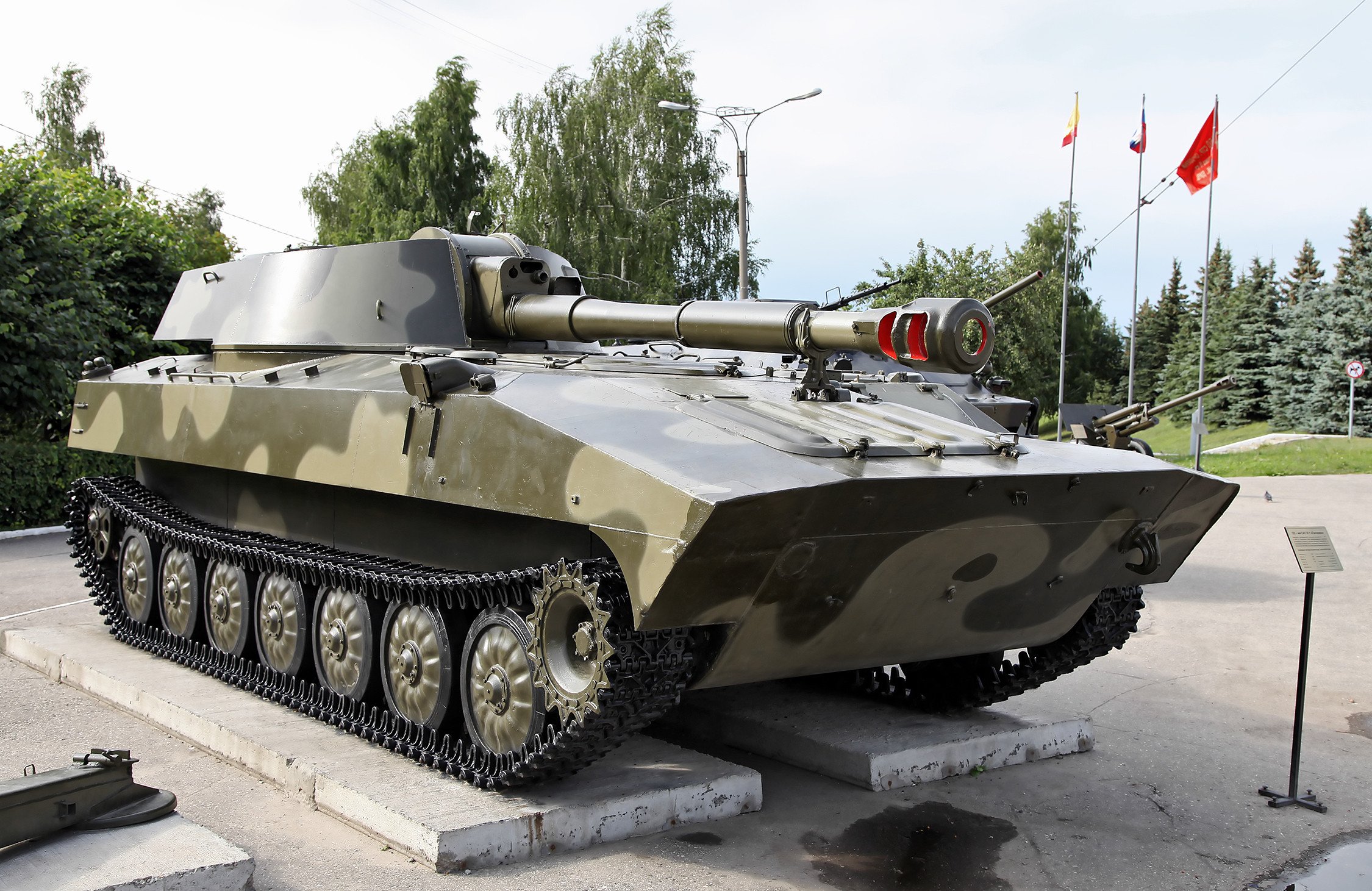
The 2S1 Gvozdika is a Soviet-designed 122 mm self-propelled artillery system mounted on a tracked amphibious chassis. Developed in the 1970s, it is widely used for mobile artillery support and remains common in Russian service despite its age.
The 2S4 Tyulpan is a 240 mm heavy self-propelled mortar designed to destroy fortified positions, bunkers, and urban structures. It is one of the largest mortar systems currently in military service and is capable of firing high-explosive and specialized ammunition at short-to-medium ranges.
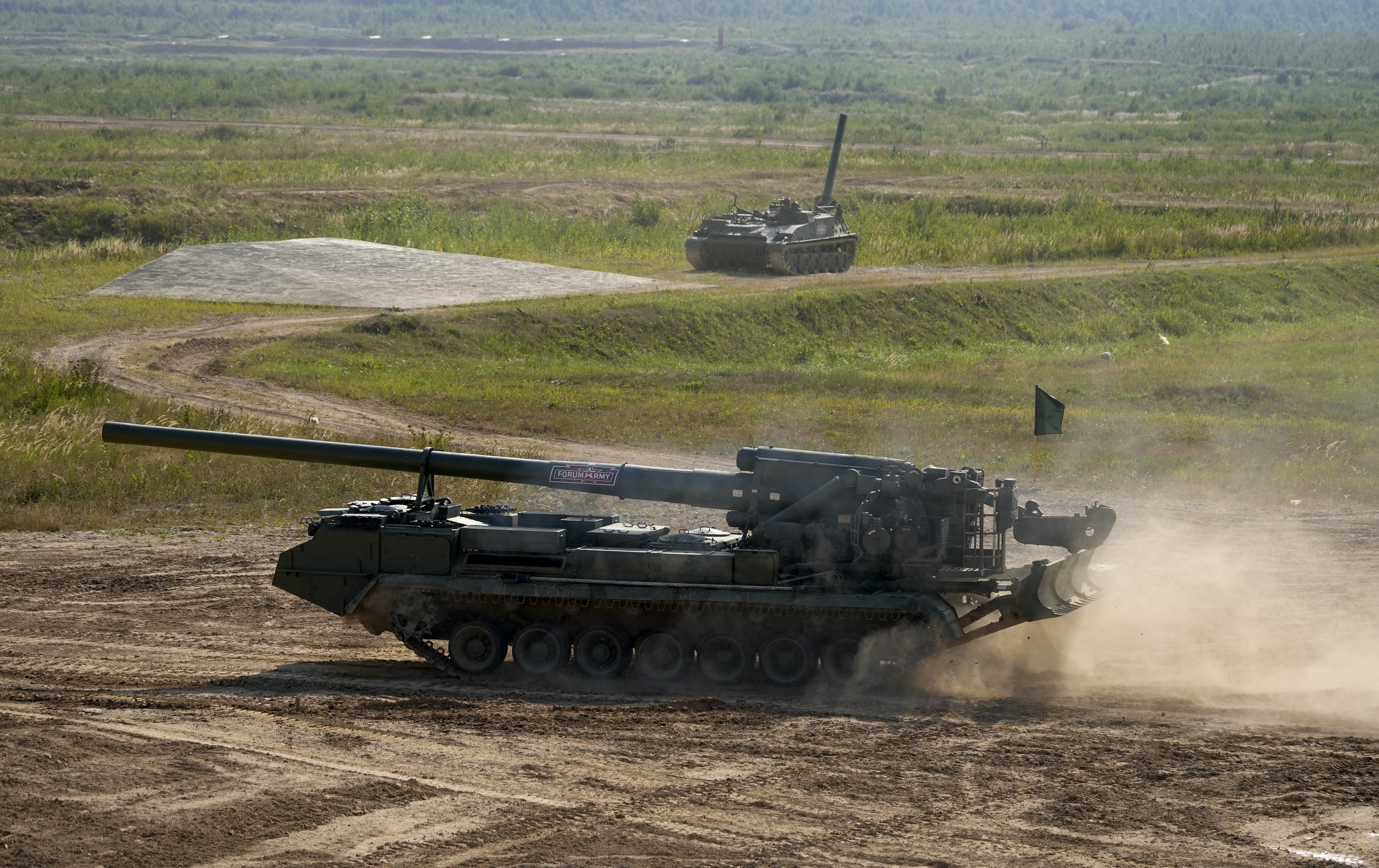
The D-30 is a Soviet-era 122 mm towed howitzer first introduced in the 1960s. Known for its distinctive three-leg mounting system, it is used for indirect artillery fire and remains widely deployed by both Russian and former Soviet militaries.
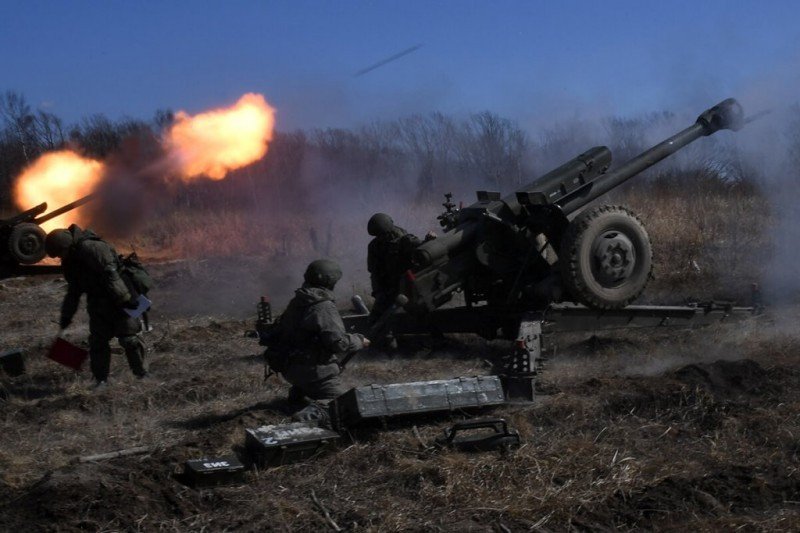
Russian forces use several types of 120 mm mortar systems for close-range indirect fire support. These weapons are typically used against infantry positions, trenches, and lightly fortified targets and can be rapidly deployed near frontline positions.
Earlier, Ukraine’s 15th Artillery Reconnaissance Brigade reported destroying a rare Russian 5N63S radar station—one of the core targeting and missile-guidance components used in S-300 and S-400 air defense systems. According to the brigade, the radar was detected by aerial reconnaissance before being struck on an active frontline sector.
Discuss this article:
-9a7b3a98ed5c506e0b77a6663f5727c5.png)