- Category
- War in Ukraine
Ukrainian Drones Strike One of Russia’s Largest Petrochemical Complexes 1,300 Kilometers From Border
 Prefer U24 Media on Google
- Authors


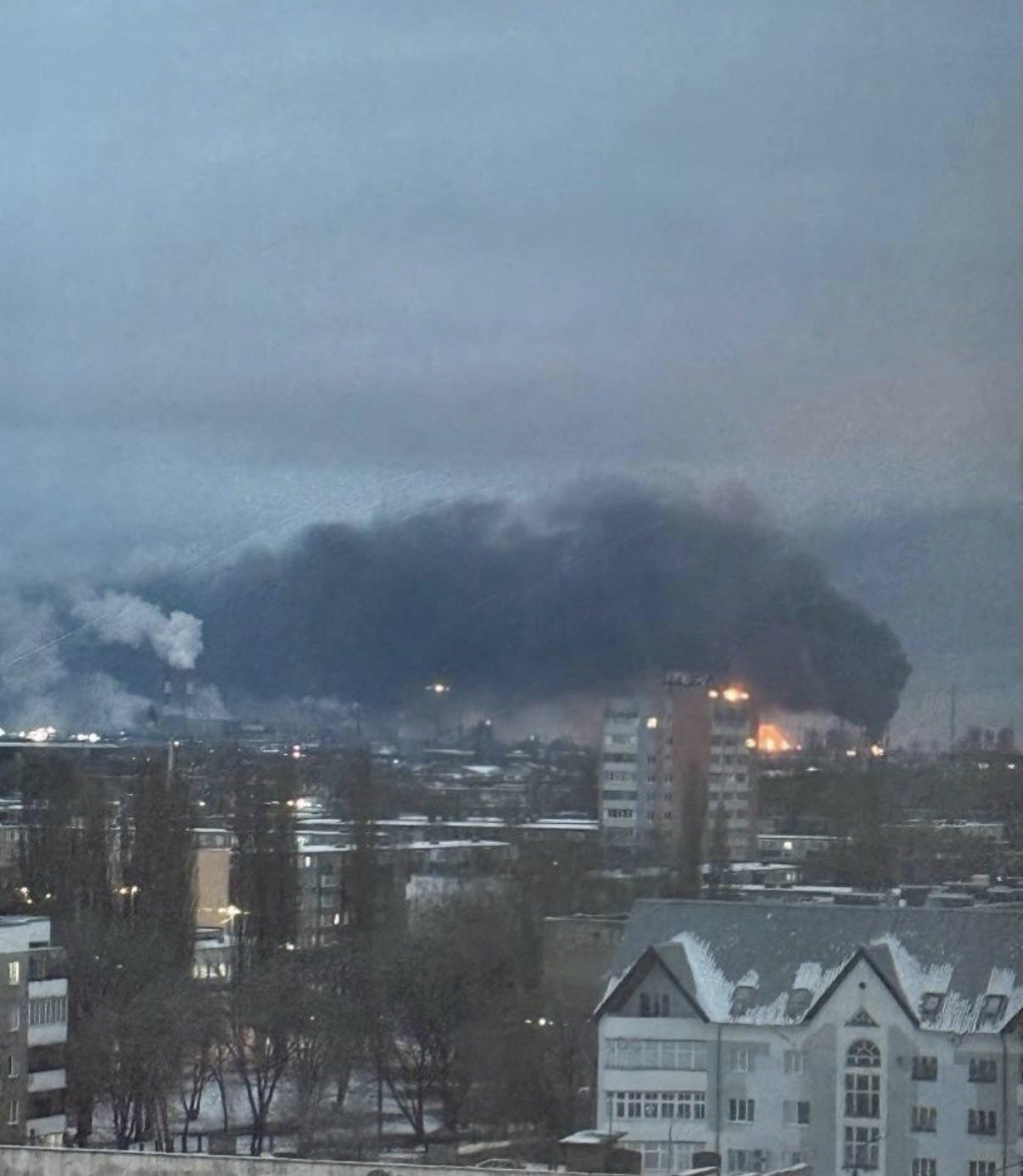
Ukrainian drones reportedly struck the Gazprom Neftekhim Salavat petrochemical complex in Russia’s Bashkortostan region overnight on November 17, triggering multiple fires at one of the country’s largest oil refining and chemical production facilities.
We bring you stories from the ground. Your support keeps our team in the field.
Several fires were reported across the industrial site following the attack on November 17. The facility is located approximately 1,300 kilometers (808 miles) from Ukraine’s border.
While everyone is looking at the Kerch Bridge right now, take a look here, guys!
— @BrennpunktUA 🇩🇪🇺🇦 (@BrennpunktUA) November 17, 2026
🔥 Salavat, Bashkortostan, Russia 🔥
„Gazprom Neftekhim Salavat“ have been massively attacked by Ukrainian strike drones! pic.twitter.com/kKc3QaBOZQ
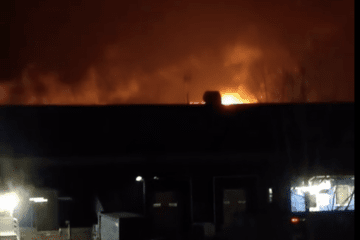
Footage circulated by Russian outlet ASTRA and monitoring channels showed flames and thick smoke rising from the complex. Local residents reported hearing drones overhead and a series of explosions, while Russian air defense systems were reportedly operating in the area.
However, the full extent of the damage and its potential impact on production have not been independently confirmed.
Gazprom Neftekhim Salavat is part of Russia’s state-controlled energy giant Gazprom and operates an integrated industrial complex comprising an oil refinery, a gas chemical plant, and the Monomer chemical production facility.
Salavat, Bashkortostan. According to local residents, Gazprom Neftekhim Salavat was attacked today. Multiple fires have been reported at the facility.
— Exilenova+ (@Exilenova_plus) November 17, 2026
The complex has the capacity to process up to 10 million tonnes of crude oil and gas condensate annually. POV:… pic.twitter.com/4b1UBAZsgt
The complex has an annual processing capacity of up to 10 million metric tons of crude oil and gas condensate. It produces more than 150 types of products, including gasoline, diesel fuel, kerosene, fuel oil, polyethylene, polystyrene, ammonia, and other industrial chemicals.
Its fuel production contributes to Russia’s domestic supply network, including infrastructure supporting military logistics, while its chemical products serve a range of industrial sectors.
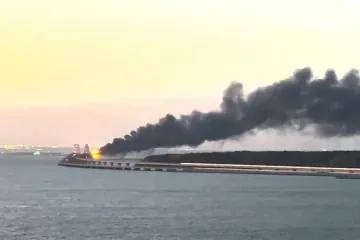
The strike came amid a broader wave of attacks across Russia on November 17. Russia’s Defense Ministry claimed to have intercepted a record 1,441 Ukrainian drones overnight, while a separate reported strike on the Crimean Bridge caused part of its roadway to collapse into the Kerch Strait.
Discuss this article: