- Category
- War in Ukraine
Why Ukraine Is Setting Nearly 6,000 Empty Tables for Its Fallen Defenders Around the World
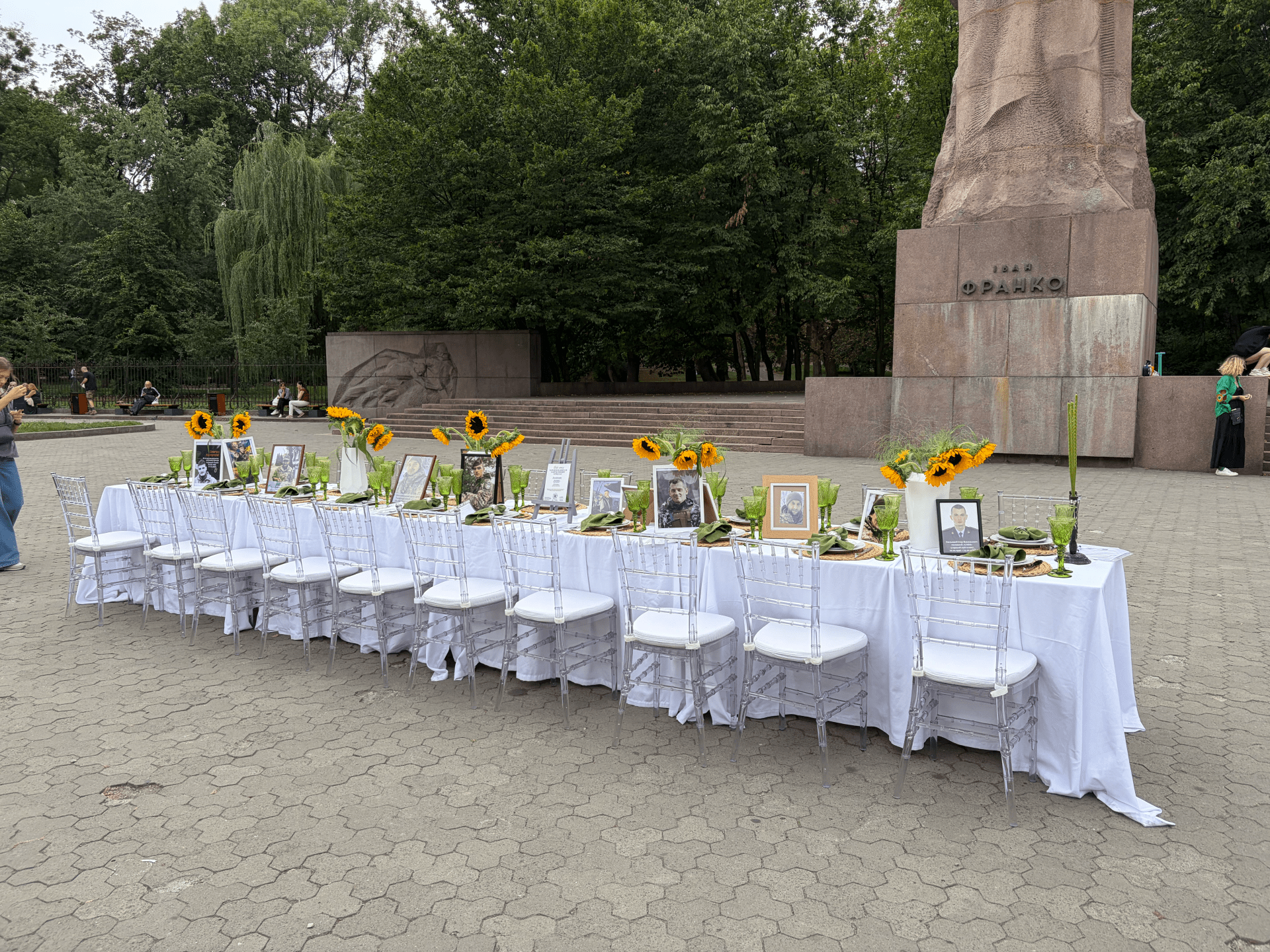
On August 29, thousands of tables appear across Ukraine and around the world, set for those who gave their lives for the country and will never return. For the fourth year in a row, the Memory Table initiative brings this tradition of remembrance to public spaces. This year, nearly 6,000 establishments in Ukraine and 17 other countries have joined.
 Prefer U24 Media on Google
- Authors


The concept behind the Memory Table was not born overnight. It grew from a personal loss and a desire to find a way to keep the memory of fallen defenders present in everyday life. 4 years ago, that idea came from Maria Hrabar, founder and director of the Hrabar Foundation, which she established in memory of her husband, Illia, who was killed in the battle for Bakhmut in Donetsk region in 2022. For the past two years, Maria has been organizing the initiative together with the Memorial platform.
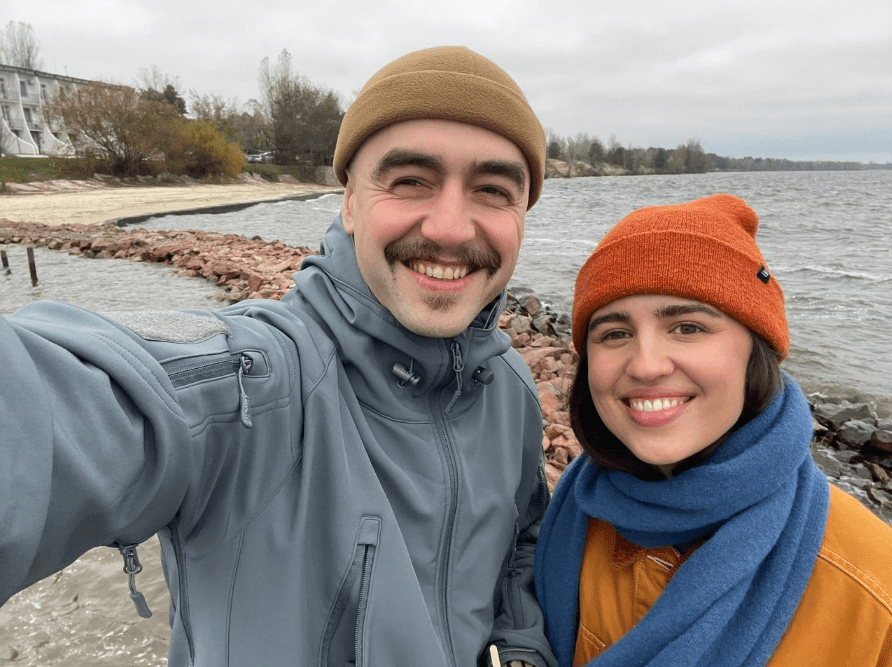
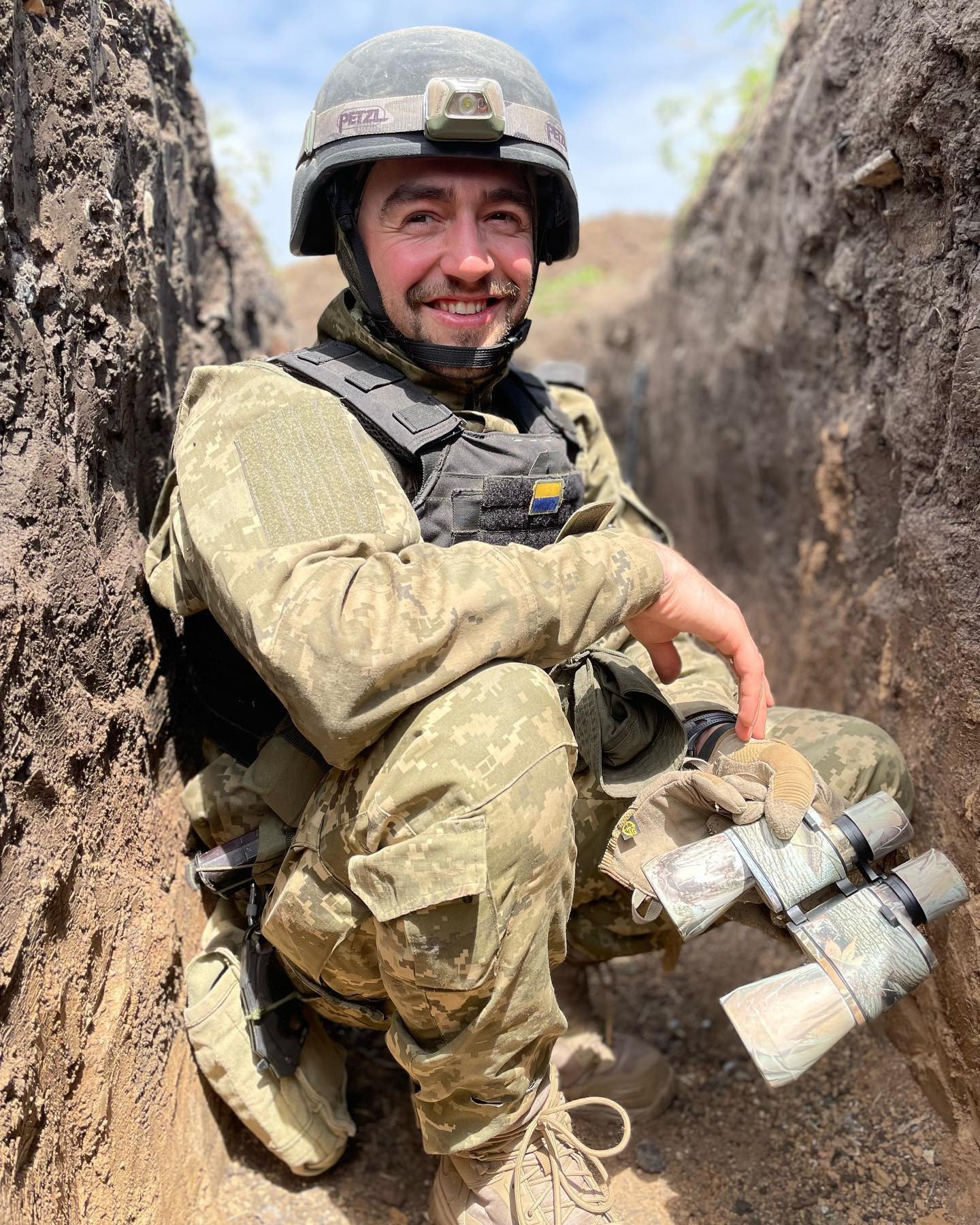
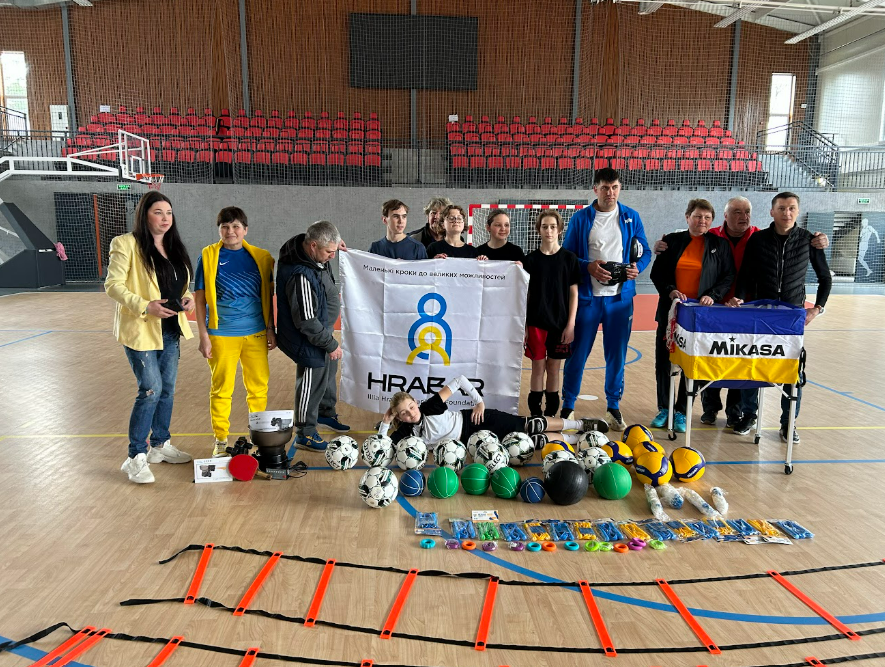
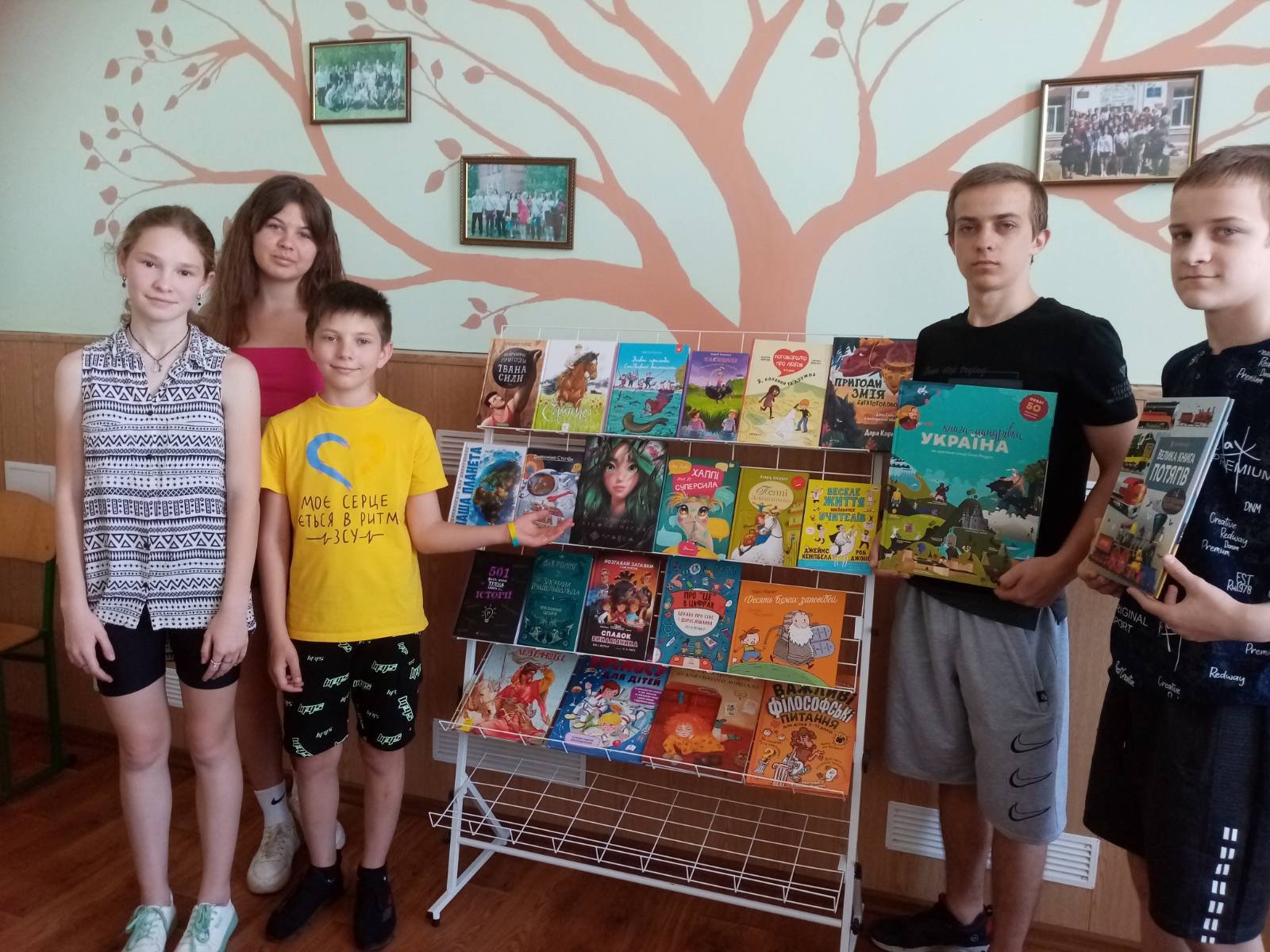
The foundation focuses on helping children in villages and small towns across Ukraine by providing books, sports equipment and other resources. Maria says its main mission is to help create a happy childhood—an idea inspired by Illia himself.
“We once talked about it, and he said that he really wanted to help children. He told me, ‘I don't have the financial means to help right now, but there is something I can do.’ When he was killed, we remembered his sincere wish.”
How the Memory Tables started
The idea was inspired by her American friend, who told her about a similar tradition in the United States called the Missing Man Table. It is dedicated to service members who are missing or unable to be present.
Maria adapted the idea to honor Ukrainian defenders killed in Russia's war against Ukraine.
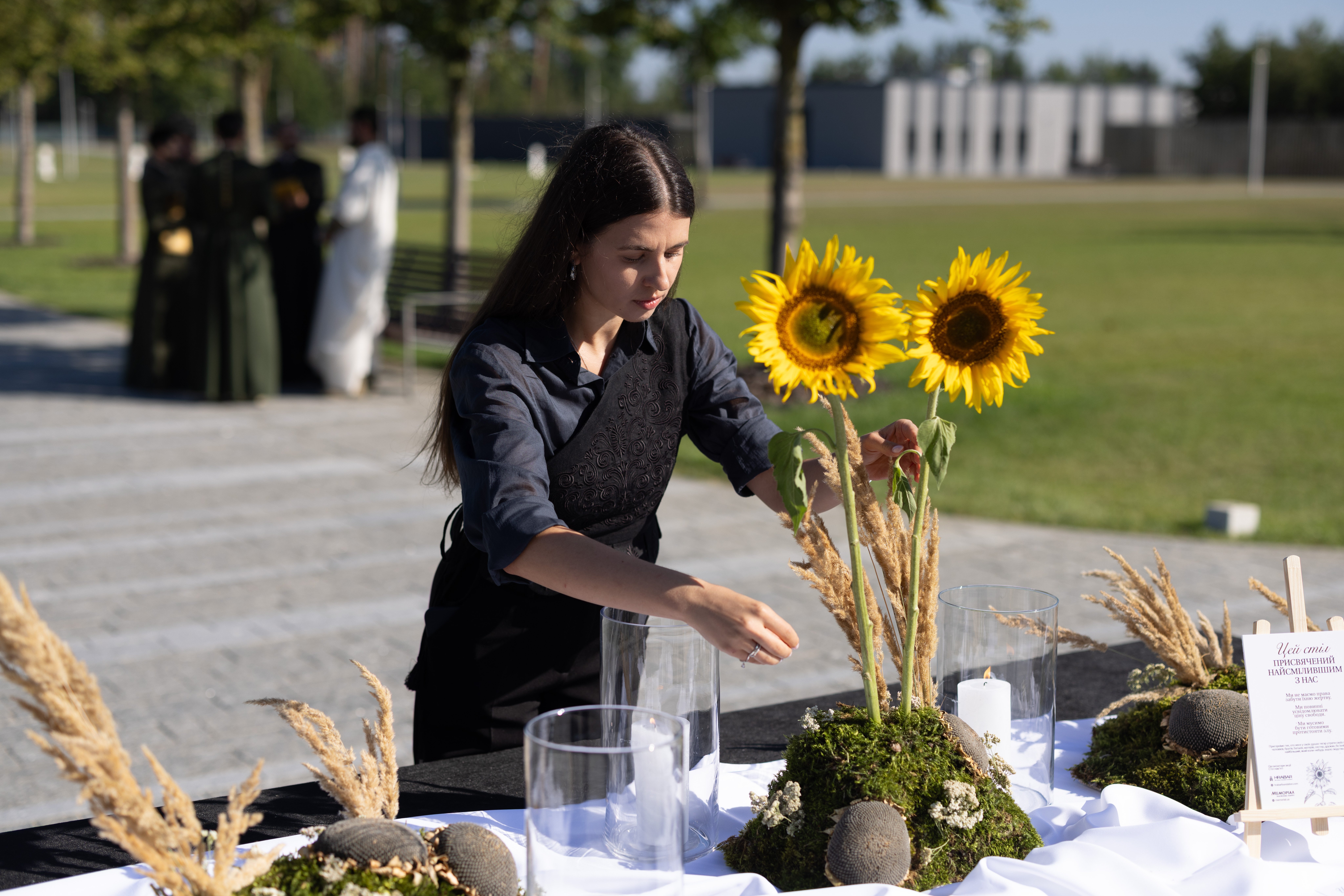
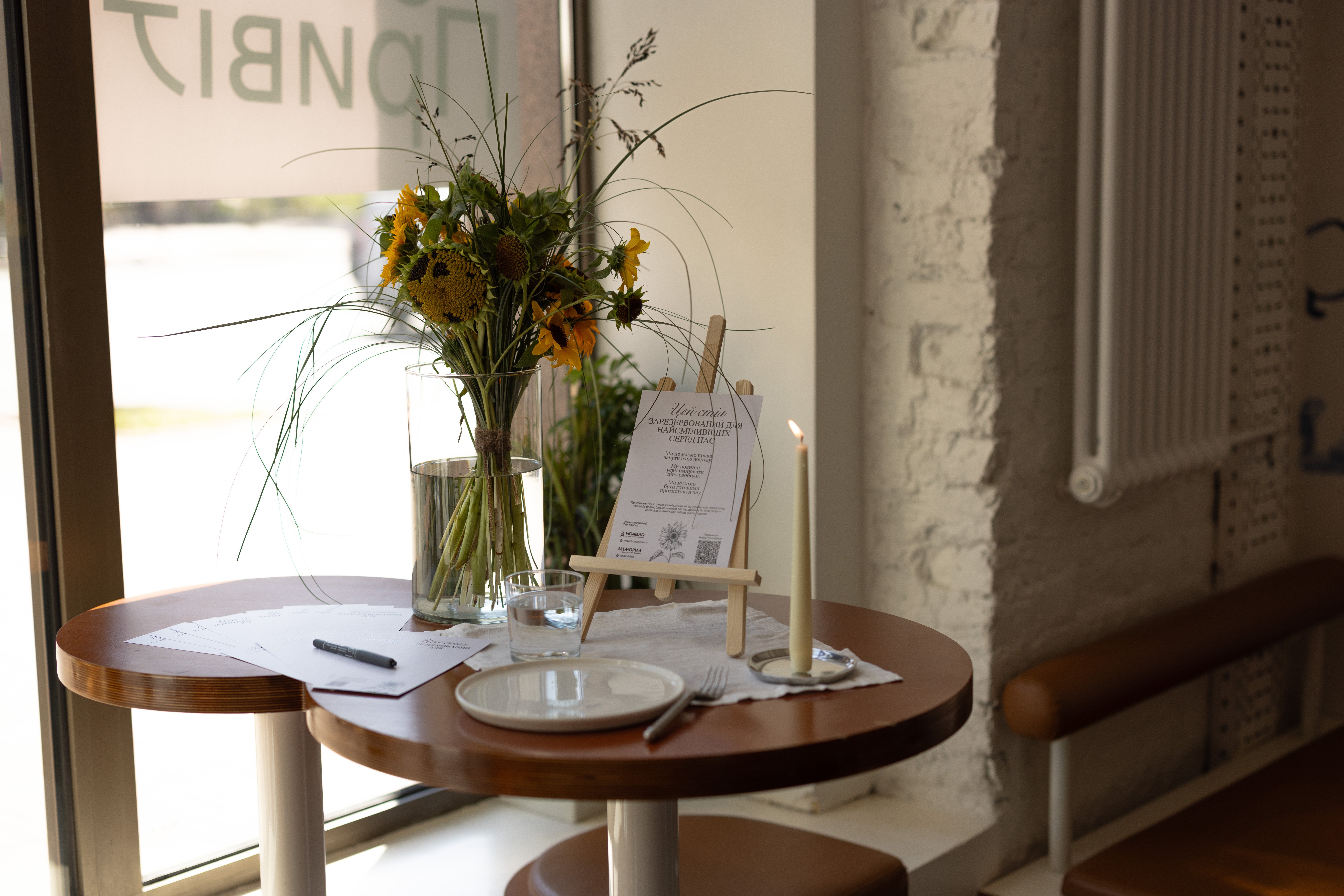
A plaque placed on the table carries the words that have remained central to the initiative: Ukrainians have no right to forget the sacrifice of those who died, must understand the price of freedom and remain ready to stand up to evil.
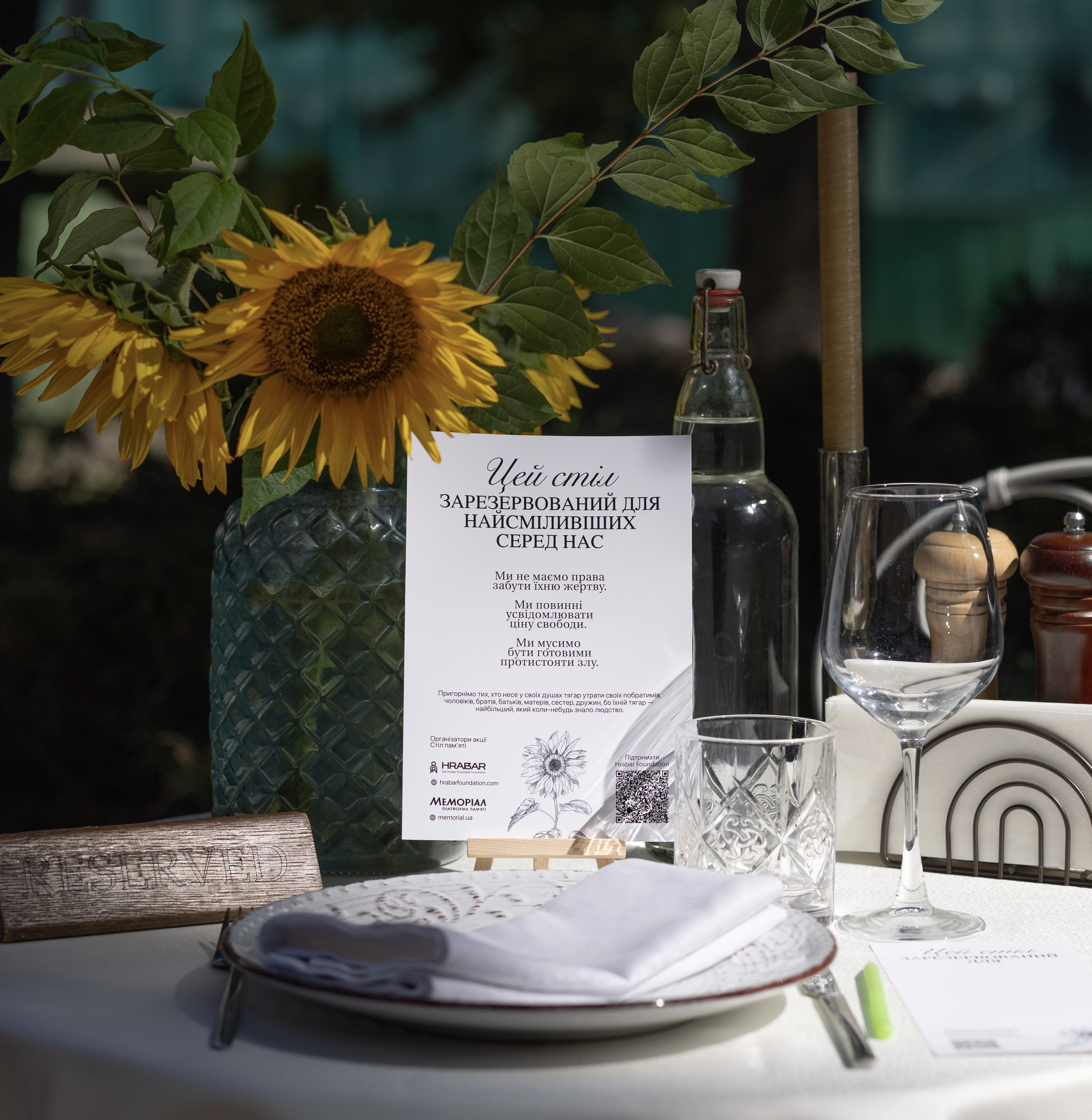
What the Memory Tables symbolize
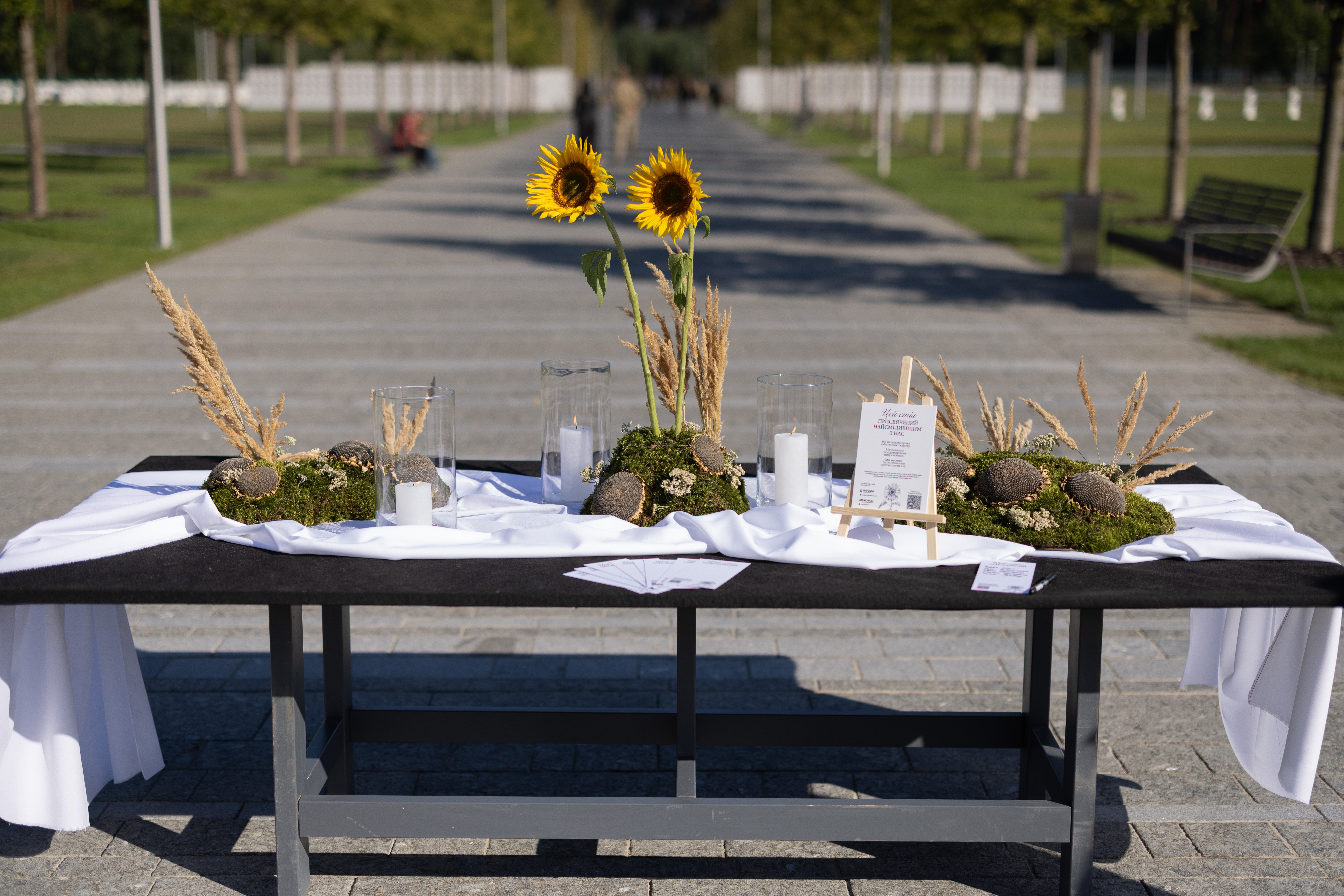
Every element on the Memory Table has its own meaning. Sunflowers that have finished blooming and produced seeds symbolize loss, but also hope and the future for which Ukrainian defenders gave their lives. Moss represents resilience, calm, and the passage of time—something that can gently heal the wounds of the earth and soften the sharp edges of grief. Two tall sunflowers in the center symbolize life, memory and the connection that remains even after loss.
The tables also include cards where anyone can write the names of people they miss. This was important to Maria because she wanted the initiative to be personal rather than an abstract commemoration.
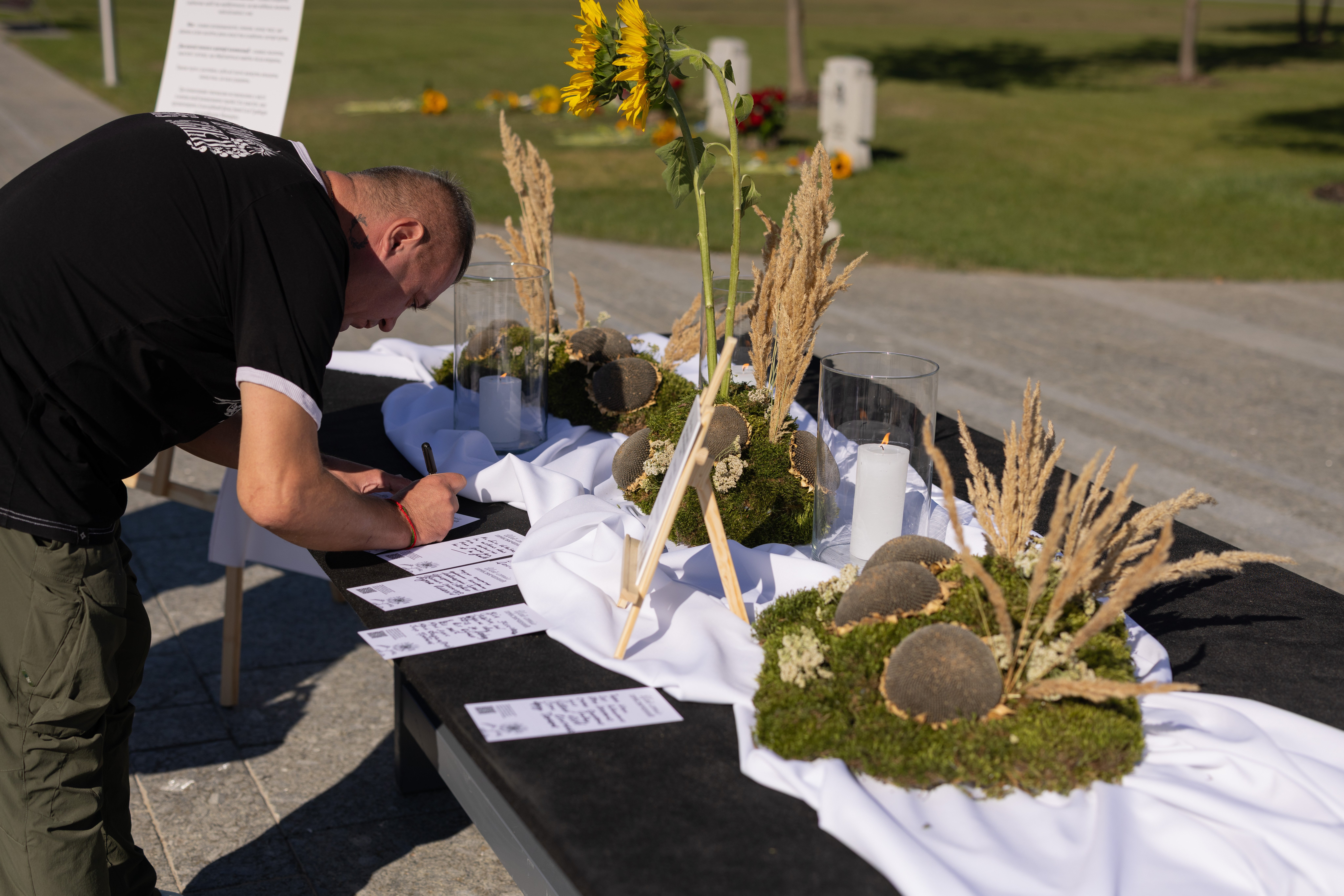
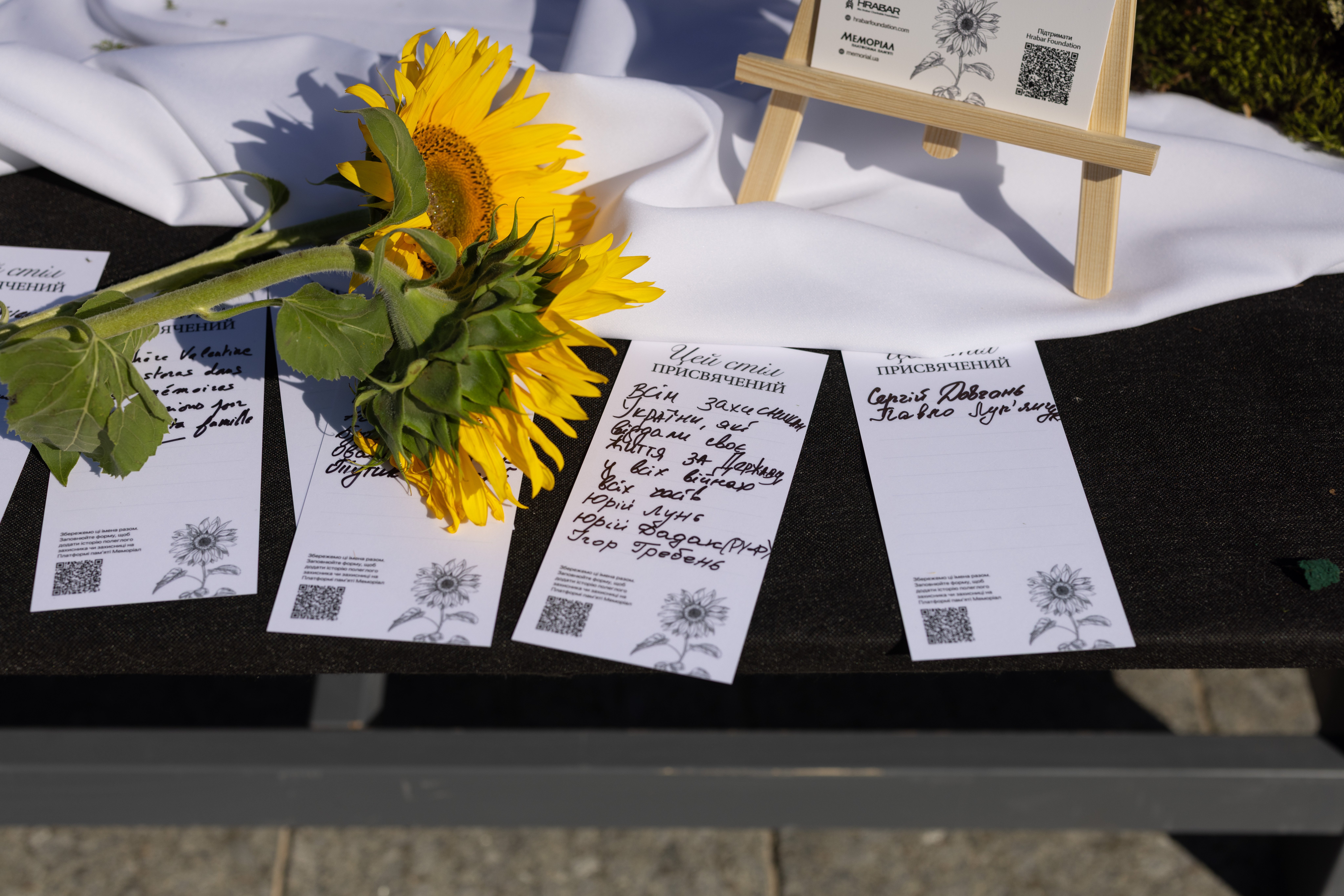
“The table then becomes dedicated to that particular person. And that person becomes real not only to the one who lost them, but to everyone who comes up to the table. It is important to see those names.”
Where the initiative takes place
In Kyiv, Memorial platform`s team set up two Memory Tables—one on Independence Square and another at the National Military Memorial Cemetery.
But the initiative is not limited to these locations. Restaurants and cafes, cultural institutions, schools, museums and military units can all join. Each participant decorates the table independently, according to their own vision.

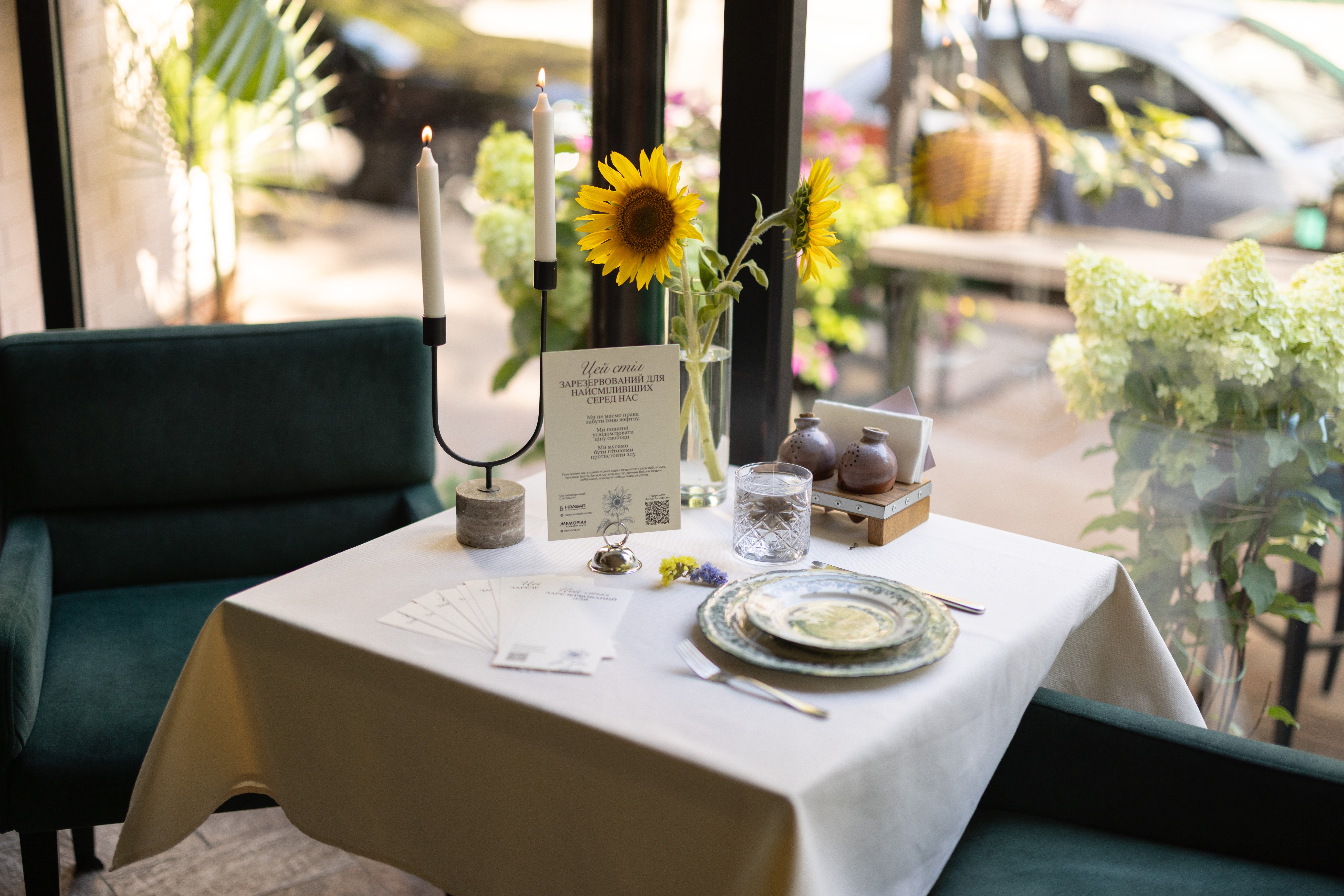
This year, nearly 6,000 registered participants have joined the initiative, Maria says. They come from 17 countries, including Ukraine's neighbors Poland, Germany, Czechia and Slovakia, as well as countries farther away, such as Japan, the United States, Canada, Australia and Cyprus.
The initiative has grown significantly since its launch. In 2023, Maria involved around 100 establishments, with participants also joining from Lviv, Odesa and Kharkiv. The number grew to 800 establishments in 2024, when the team began cooperating with the Memorial platform, helping the initiative reach a much wider audience, and to 3,000 in 2025.
Registration is not mandatory. Some establishments that participated in previous years already have the plaques and simply set up the tables again. Maria and the Memorial platform provide instructions, templates and other materials for those who need them, while allowing participants to organize the tables in their own way.
That personal approach was especially visible at the National Military Memorial Cemetery. After a sleepless night and two days of Russian attacks on Kyiv and the surrounding region, Ukrainians gathered at the cemetery to say farewell to three unidentified Ukrainian defenders.
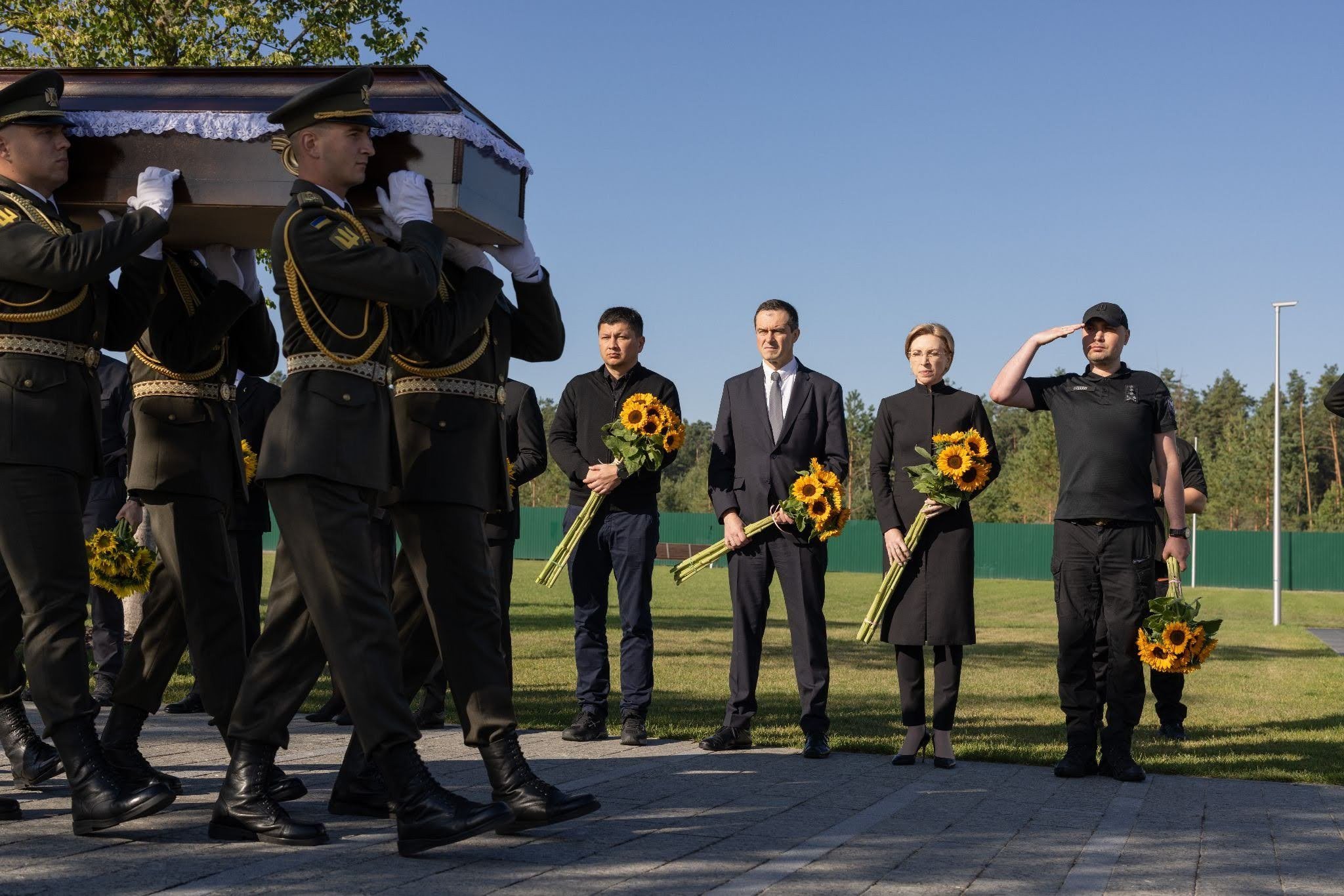
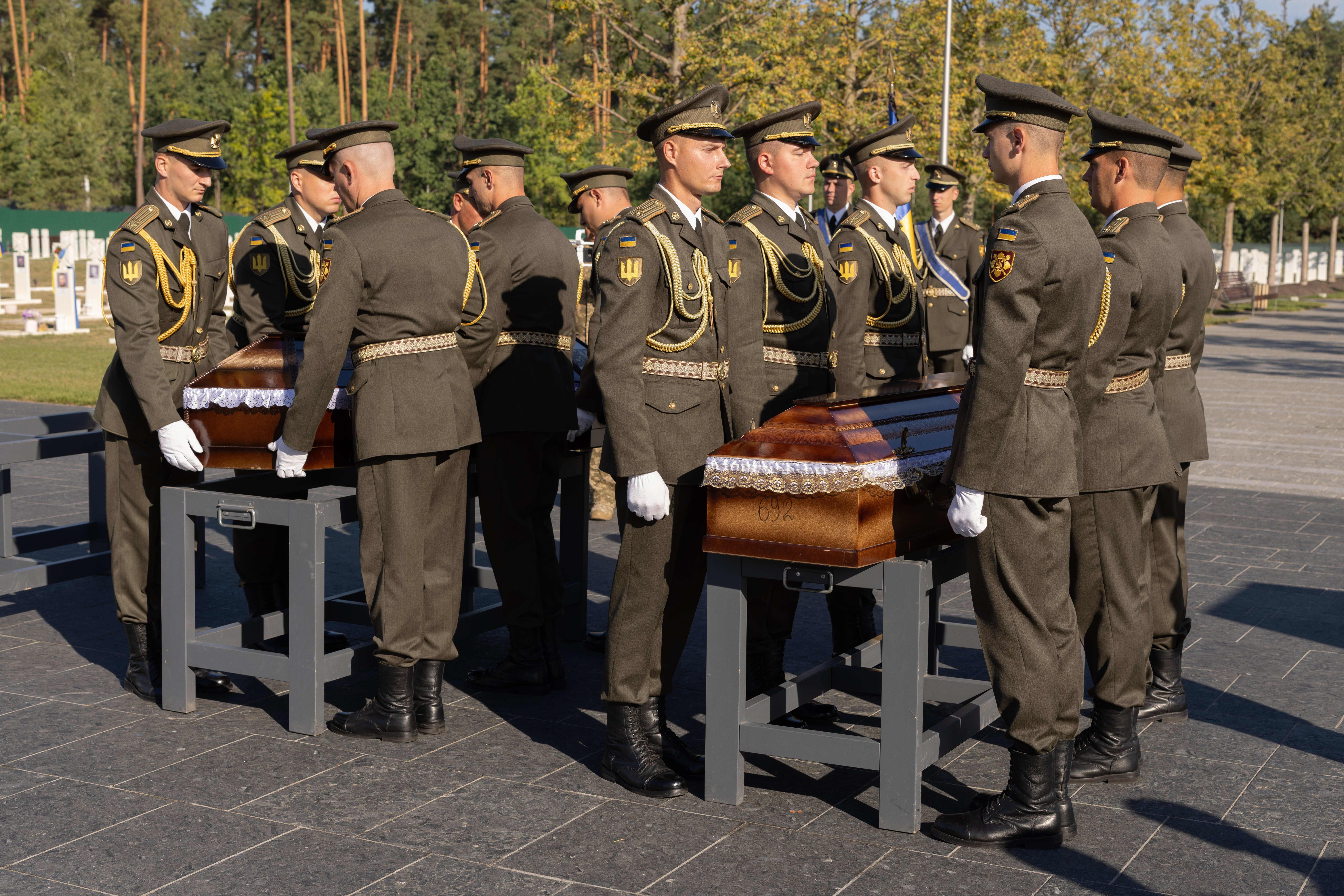
The ceremony took place to the distant sound of air defense systems—a stark reminder that the war continues even as Ukrainians gather to mourn their dead.
After the farewell, people approached the Memory Table and began writing the names of those they had lost on the remembrance cards. Among them was Kyrylo Budanov, head of the Office of the President of Ukraine.
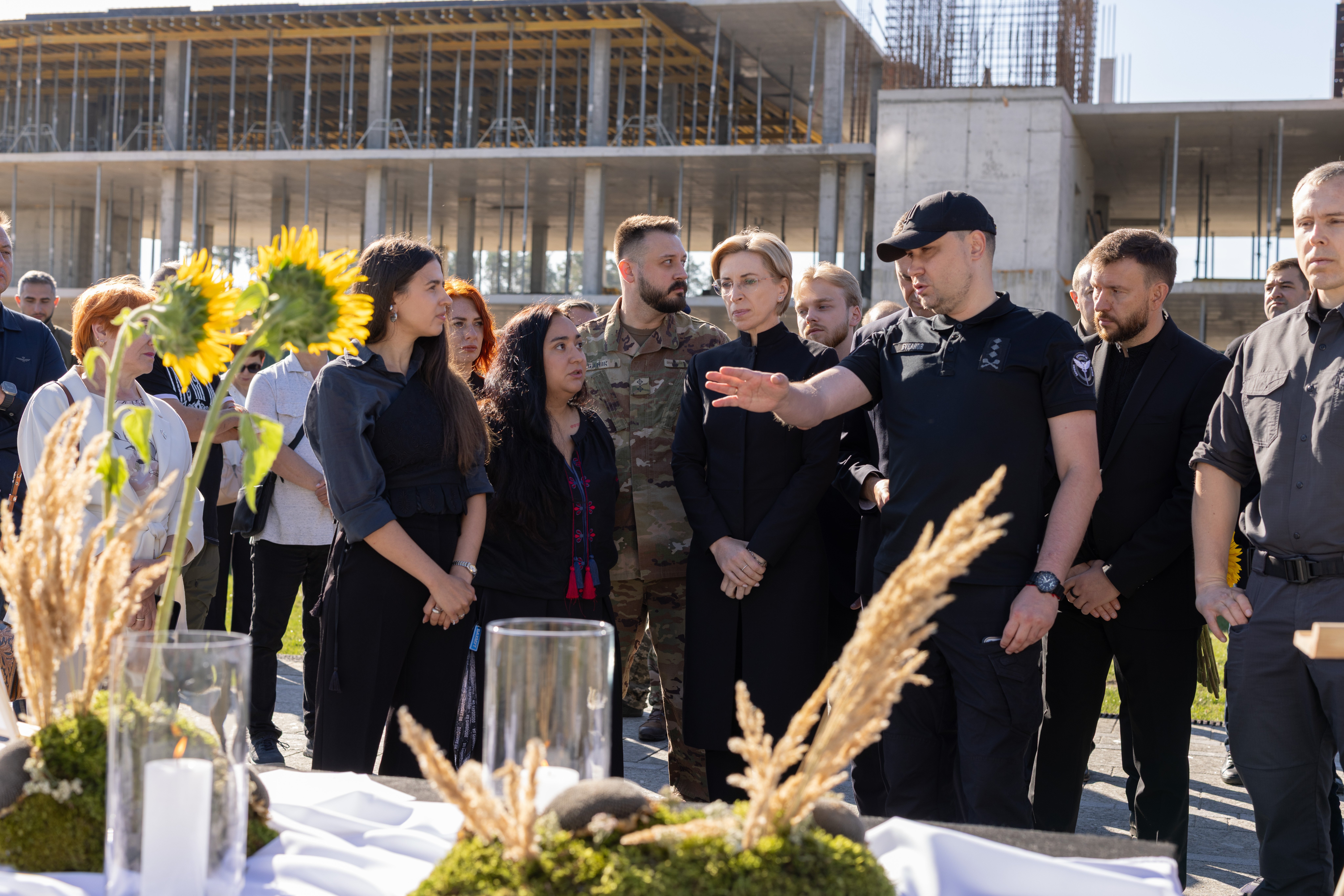
The scene captured what the initiative was created to do: turn remembrance from an abstract national ritual into something personal—a place where people can name the person they miss and share their memory with others.
The personal meaning of the Memory Tables
For Maria, this was the idea behind the initiative from the beginning. She wanted to honor her husband not only at his grave, but also in the public spaces where people live their everyday lives. Military cemeteries and burial sites, she says, can become deeply personal spaces, usually visited by close relatives and friends.
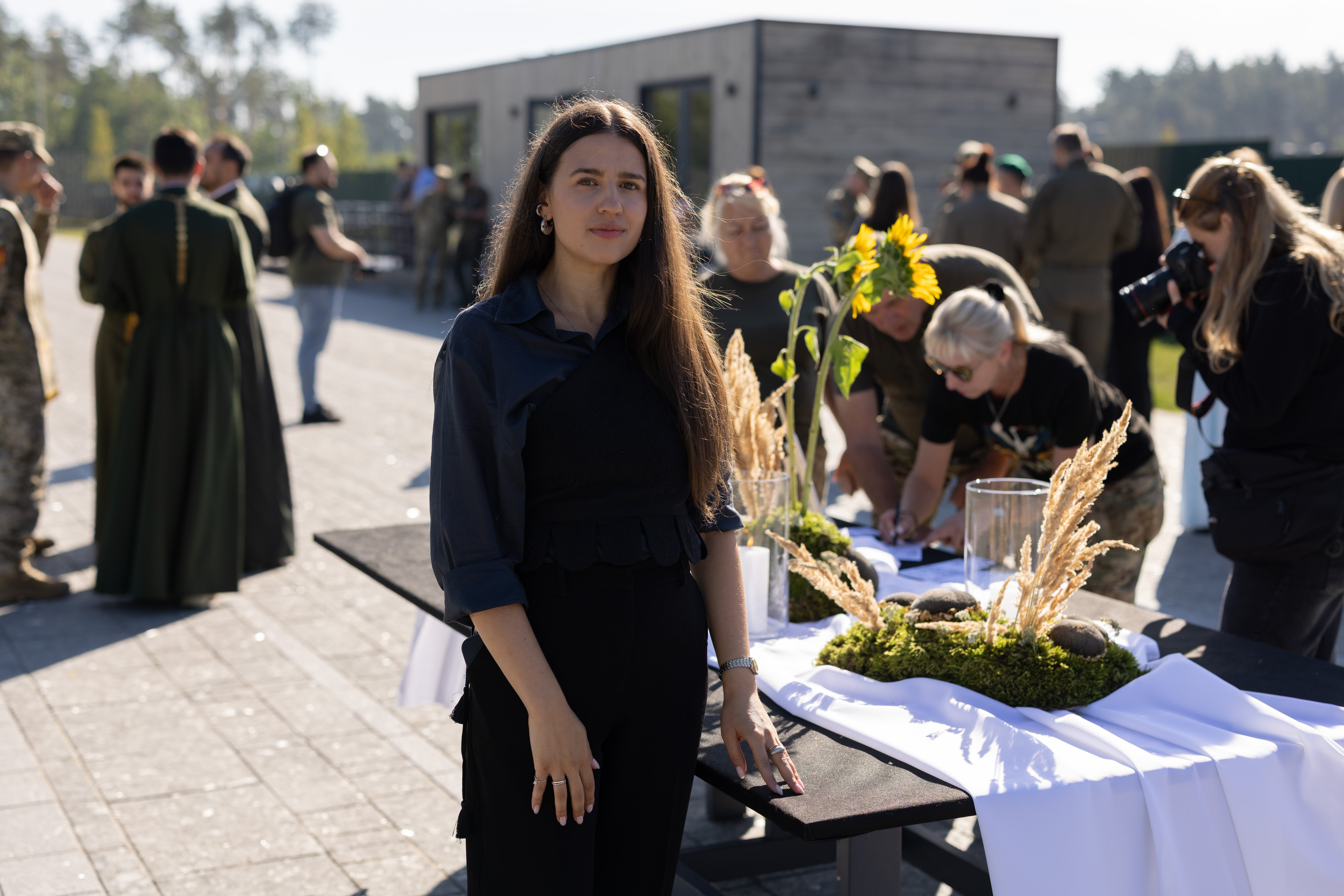
It’s not because other people are bad or don't want to take part. It's simply such a deeply personal space for people. I wanted to bring this memory into public, everyday places—into the places where we live our ordinary lives.
For Maria, however, the Memory Table is not only about grief. It is also about love.
“I always wanted loss to be expressed through love,” she said. “We grieve with love for those we have lost. And we remember not only the terrible circumstances of their deaths, but also the bright, wonderful people we lost.”
Discuss this article: