- Category
- World
Germany Expels Hundreds of Russians as Covert Embassy Operations Unravel
 Prefer U24 Media on Google
- Authors

-c439b7bd9030ecf9d5a4287dc361ba31.jpg "Photo of Katherina Popilnichenko")
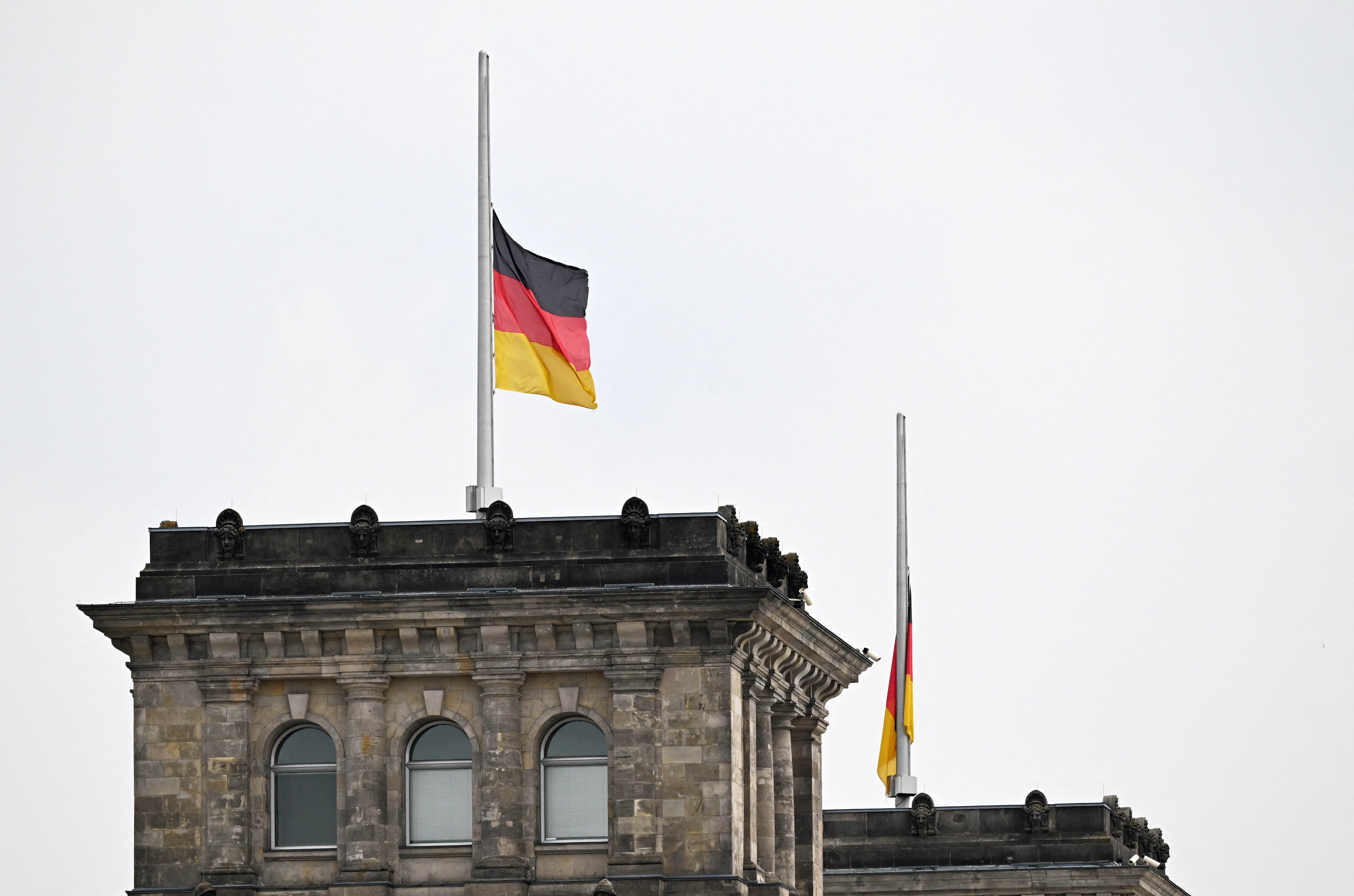
Since Russia’s full-scale invasion of Ukraine began, Germany has expelled around 400 Russian citizens, including more than 80 diplomats, with the most recent diplomatic expulsion occurring in January 2026.
The majority of those diplomats were intelligence agents operating under diplomatic cover, while an additional 313 Russian nationals were deported during the same period, as reported by the newspaper BILD, citing data from the German Foreign Ministry on August 8.
We bring you stories from the ground. Your support keeps our team in the field.
Officials from the ministry stated that "Germany has expelled more than 80 Russian diplomats since Russia's invasion of Ukraine in February 2022. Most of them were agents disguised as diplomats."
Staffing levels at Russian diplomatic missions in Germany have fallen sharply since the start of Russia’s full-scale invasion of Ukraine.
"The Russian embassy in Berlin on Unter den Linden is considered a hub of espionage and a center for attacks and political influence operations in Germany. The staff of the Russian embassy has decreased significantly since the start of the war. The last expulsion took place in January 2026," the publication noted.
In response to the actions, the German Foreign Ministry emphasized its position on foreign intelligence activity, stating that "The German government will not tolerate espionage in Germany, especially not under the guise of diplomatic status."
Currently, three Russian diplomatic facilities remain active in the country: the embassy in Berlin, a consulate in Bonn, and an honorary consulate in Nuremberg.
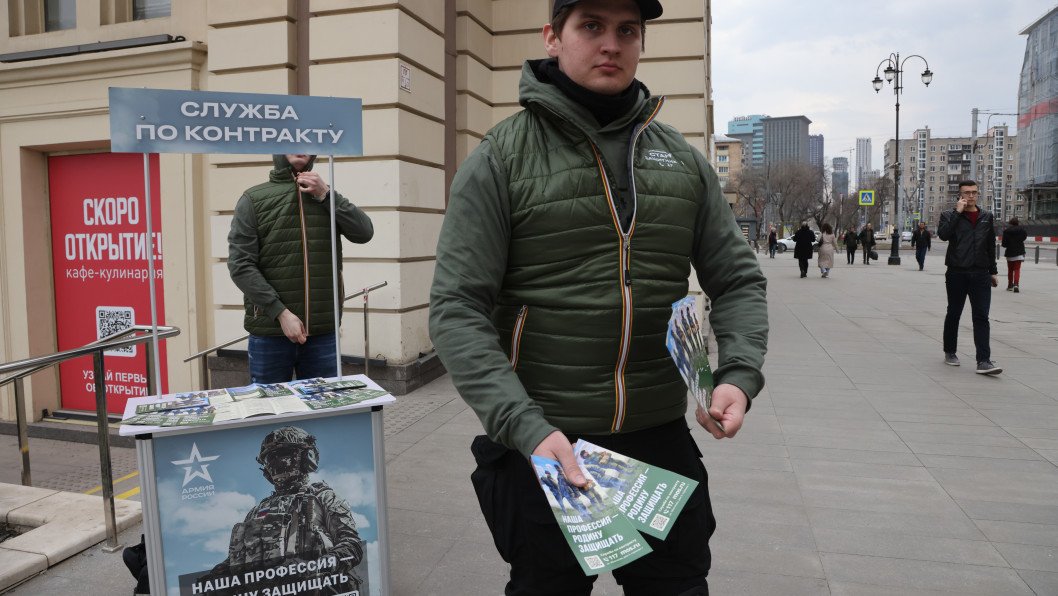
An investigation by the Russian outlet Agentstvo revealed that at least 21 of the 117 Russian diplomatic personnel stationed at Moscow’s embassy and international missions in Vienna were linked, or suspected of being linked, to Russian intelligence agencies.
According to the report, five of these individuals were assigned to international organizations—including three members of the permanent mission to the International Atomic Energy Agency—while two others representing Russia in UN-related bodies were tied to military intelligence structures through registration records, military service histories, and official addresses associated with the Russian General Staff.
Discuss this article: