- Category
- World
Israeli Firm Accused of Importing Stolen Ukrainian Grain Halts Future Russian Wheat Orders
 Prefer U24 Media on Google
- Authors

-72b63a4e0c8c475ad81fe3eed3f63729.jpeg "Photo of Cyril Barabaltchouk")
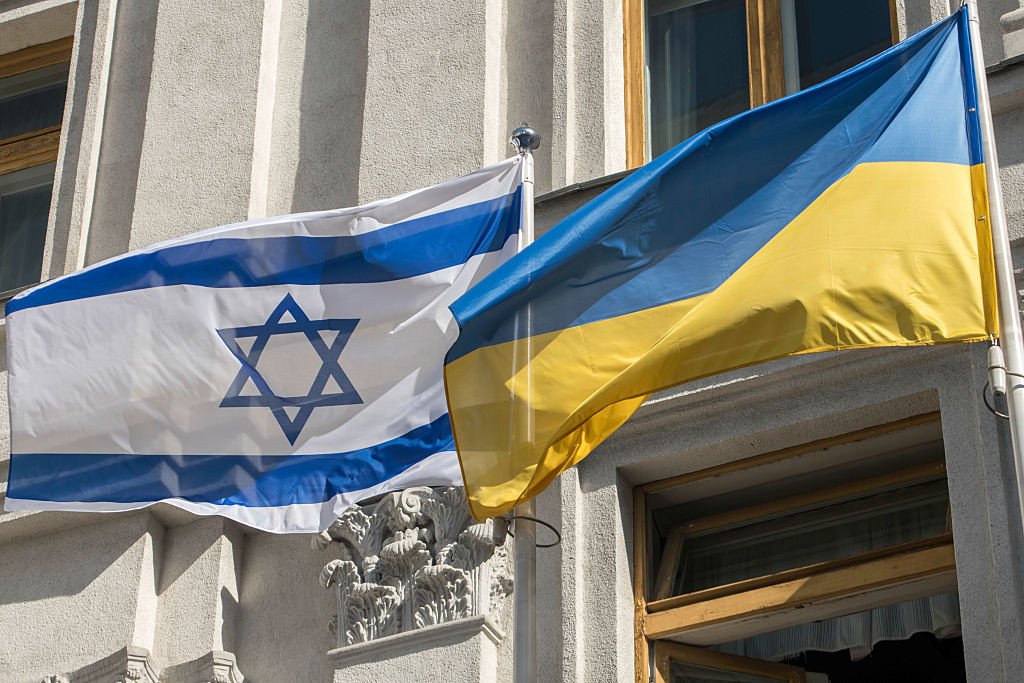
The Ukrainian Embassy in Tel Aviv has filed a formal complaint with the Israel Police against two Israeli companies, Haaretz reported on May 4. The firms are accused of importing wheat stolen by Russia from temporarily occupied areas of eastern Ukraine.
The two companies named in the complaint are Zenziper, which reportedly decided to reject the suspicious shipment, and Dizengoff Trading. According to the embassy’s filing, Dizengoff received 43,800 tons of grain, which included approximately 16,500 tons of allegedly stolen wheat. The cargo was unloaded from the ship Abinsk after it docked at Haifa Port on April 12.
We bring you stories from the ground. Your support keeps our team in the field.
The complaint outlines a large-scale maritime smuggling operation coordinated by the Russian supplier Strategic Grain Management, headquartered in Dubai. The stolen wheat was initially loaded onto two smaller feeder ships docked in occupied Ukraine. The Leonid Pastrikov took on 7,600 tons at the port of Berdyansk, while the Fedor loaded 8,900 tons at Sevastopol.
These ships then sailed to the Kavkaz anchorage in the northern Black Sea, transferring the wheat to the larger Abinsk. To obscure the origin of its cargo, the Abinsk frequently turned off its tracking transponders. On March 17, after receiving the grain from the occupied ports, the vessel turned its transponders back on. It sailed for Israel, eventually unloading at the Dagon silos in the port city of Haifa.
Haaretz obtained satellite imagery confirming the presence of the feeder ships in Berdyansk and Sevastopol on the dates specified by Ukraine.
The direct filing by the embassy is a significant step up in Ukraine’s legal campaign. Previously, attorney Liora Turlevsky filed complaints on behalf of the embassy to the police’s Lahav 433 crime-fighting unit and the Israel Money Laundering and Terror Financing Prohibition Authority. The allegations include false declarations regarding the origin of the grain, document forgery, fraud, and money laundering.
Ukrainian authorities are demanding that the cargo be sampled for laboratory testing to identify soil markers characteristic of eastern Ukraine. They also requested the seizure of the ship’s documents to expose the fraud network.

Alongside domestic Israeli legal channels, Haaretz notes that Kyiv is now engaging with the European Union to pursue sanctions against the Israeli companies based on international laws prohibiting trade in agricultural produce from occupied territories.
Dizengoff Trading responded by stating that the company operates according to accepted international trade standards and holds all required documentation. The company added that they were surprised by the allegations, are awaiting instructions from Israeli authorities, and currently have no future orders for Russian wheat.
An industry source told Haaretz that Israeli importers may be victims of a “Russian sting,” noting that while firms buy from established suppliers, a growing portion of recent cargoes comes from questionable sources.
Israel’s Foreign Ministry quickly dismissed the complaint, stating it “contains information gaps and lacks supporting evidence.” Ukrainian officials expressed disappointment, pointing out that under mutual legal assistance treaties, submitting raw evidence at this preliminary stage is not required and could actively compromise the investigation.
-a83e4eedcf29c04a7b85966511430ab9.png)
The dispute threatens to disrupt Israel’s grain supply chain. Approximately 90 percent of the wheat consumed in Israel is imported. Since Russia’s 2022 full-scale invasion of Ukraine, Israel has heavily relied on Russian imports, while imports from Ukraine—previously Israel’s leading supplier—have plummeted, Haaretz wrote.
The police complaint coincides with growing international pressure over the smuggling network. The European Union had recently announced it is reviewing reports of stolen Ukrainian grain arriving in Haifa and warned it may impose sanctions on individuals or entities in third countries facilitating the trade.
EU foreign affairs spokesperson Anouar El Anouni stated the bloc is prepared to target anyone helping finance Russia’s illegal war effort. Concurrently, Ukraine’s Ministry of Foreign Affairs summoned Israeli Ambassador Michael Brodsky to deliver a formal protest.
Foreign Minister Andrii Sybiha warned that Israel’s insufficient response to the continued docking of these Russian vessels risks undermining bilateral ties.
Discuss this article:



-111f0e5095e02c02446ffed57bfb0ab1.jpeg "Photo of Roman Kohanets")
-605be766de04ba3d21b67fb76a76786a.jpg "Joseph Place")