- Category
- World
Massive Aviation Shutdown Hits Moscow As Russia Grounds Private Pilots And Drones
 Prefer U24 Media on Google
- Authors

-c439b7bd9030ecf9d5a4287dc361ba31.jpg "Photo of Katherina Popilnichenko")
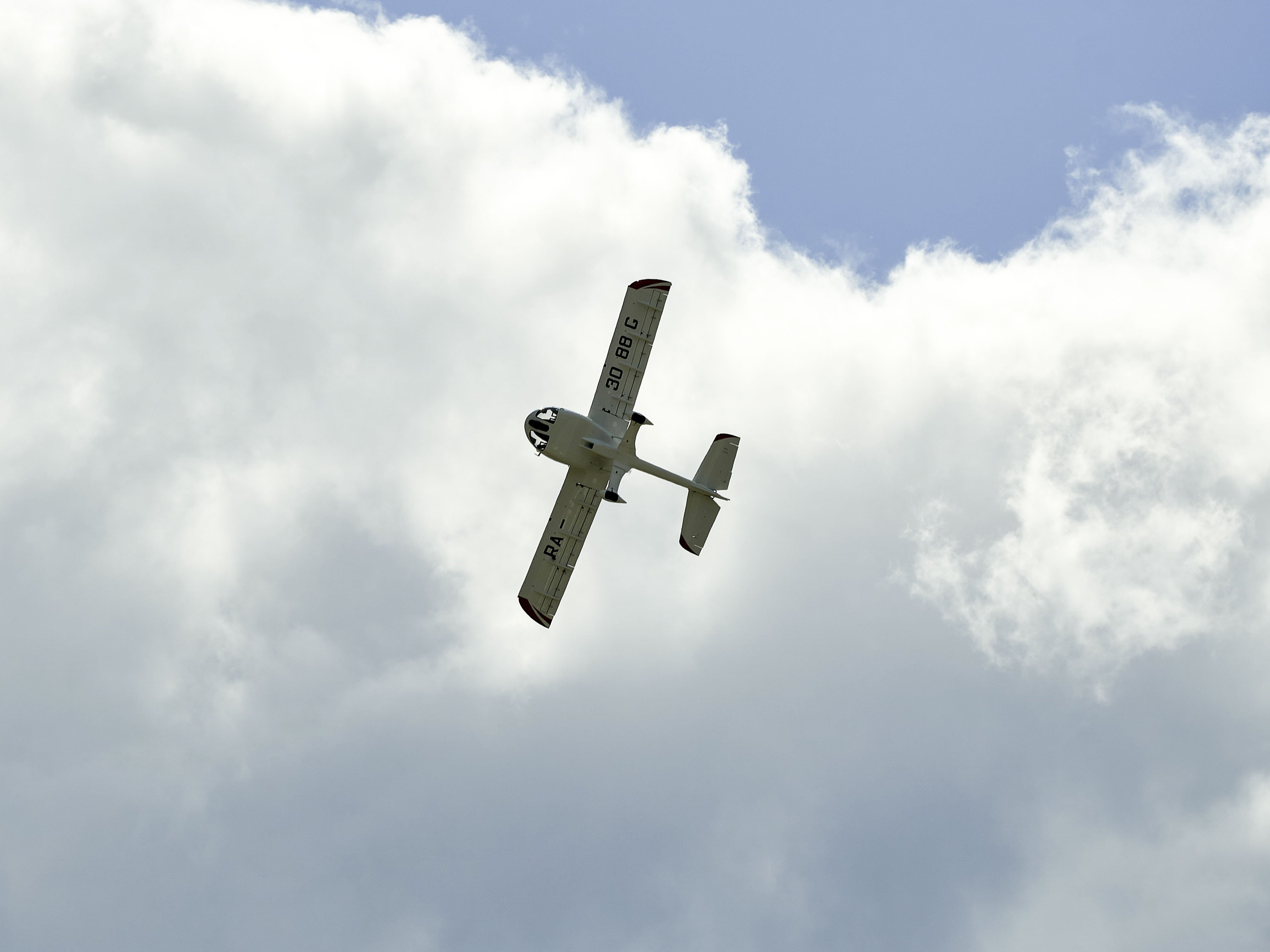
Starting June 20, authorities in Moscow and several surrounding Russian regions are implementing a broad ban on the operation of light and ultralight aircraft, as well as civilian drones.
The measure, which follows a series of drone strikes, applies to the capital, most of the Moscow region, and parts of the Tver, Yaroslavl, Vladimir, Ryazan, Tula, and Kaluga regions, according to European Pravda on June 17.
We bring you stories from the ground. Your support keeps our team in the field.
The restrictions will remain in place "until further notice," though they do not apply to state or experimental aviation, nor to scheduled commercial passenger flights.
Reports from Russian aviation experts indicate that these regulations will affect approximately one thousand private pilots and disrupt access to dozens of airfields located within the affected zones.
Because light and ultralight aircraft are technically unable to reach altitudes exceeding five kilometers, they are particularly impacted by these airspace closures.
Industry representatives are warning that the move could devastate the national pilot training system. According to sector specialists, the ban threatens the viability of training centers, which may face closure.

Furthermore, the decision is expected to cause a broader decline in associated infrastructure, including schools, regional airfields, and the hospitality businesses built to support weekend aviation activities.
In May 2026, Russia announced plans to impose sweeping restrictions on civilian aviation over the Moscow region, effectively closing much of the airspace for flights operating below 5,100 meters.
The Interregional Public Organization of Pilots and Aircraft Owners (AOPA) reported that these measures were designed to create a restricted zone extending toward the Belarusian border, St. Petersburg, and the Yekaterinburg region.
While scheduled commercial passenger and medical evacuation flights were granted exemptions, the move was a direct response to a massive drone operation, during which nearly 600 drones targeted Russian military-industrial and fuel infrastructure.
Discuss this article:



-72b63a4e0c8c475ad81fe3eed3f63729.jpeg "Photo of Cyril Barabaltchouk")