- Category
- World
Poland Rejects Hosting Allied Nuclear Warheads on Its Territory
 Prefer U24 Media on Google
- Authors

-c439b7bd9030ecf9d5a4287dc361ba31.jpg "Photo of Katherina Popilnichenko")
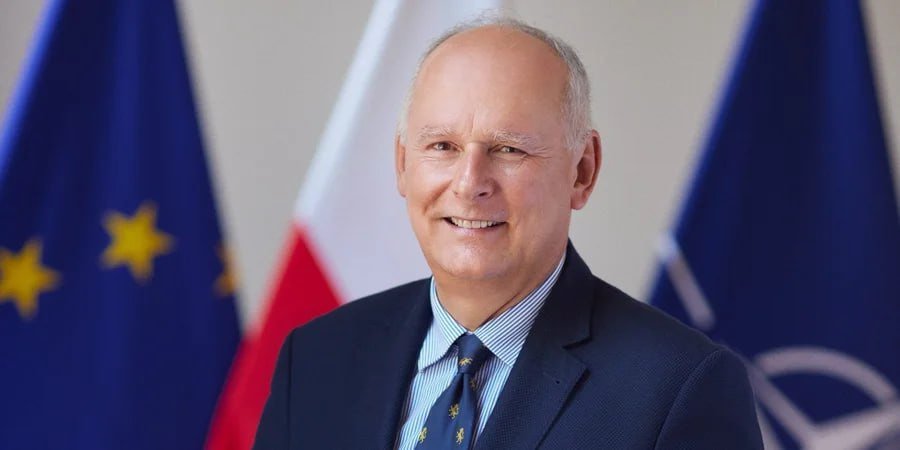
Polish Deputy Defense Minister Paweł Zalewski stated at NATO headquarters in Brussels that Warsaw does not want allied nuclear weapons stationed on its soil, according to Politico on August 27.
This statement represents the most explicit position expressed by Polish authorities on the matter to date. Zalewski emphasized that while Poland intends to remain an active participant in NATO's collective nuclear deterrence framework, that role does not require physical deployment of nuclear warheads within Polish borders.
We bring you stories from the ground. Your support keeps our team in the field.
"I would like to state clearly and openly: Poland does not want to have nuclear warheads on its territory. We want to participate in NATO's nuclear deterrence, which does not mean having a nuclear warhead on our territory," he said.
The clarification follows earlier discussions regarding European security arrangements. Poland had previously shown skepticism toward hosting nuclear weapons while maintaining preliminary talks with the United States on expanding American nuclear deterrence in Europe.
Simultaneously, Warsaw joined a French initiative aimed at extending Paris's sovereign nuclear umbrella to continental partners. Meanwhile, Polish President Karol Nawrocki has left open the possibility that Warsaw could consider developing an independent nuclear program in the future.
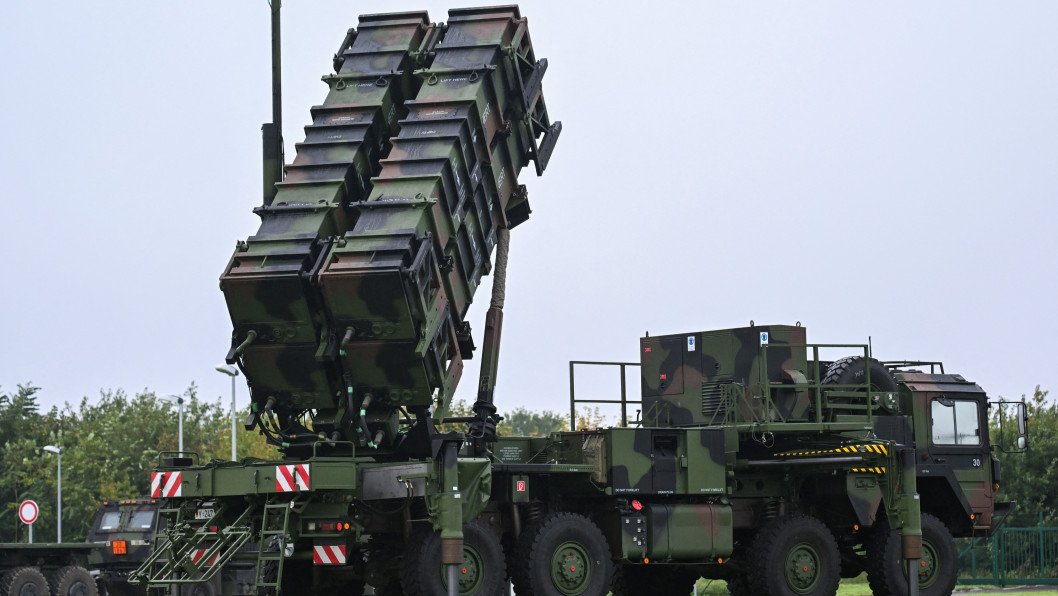
These security debates take place against the backdrop of heightened tensions following Russia's full-scale invasion of Ukraine.
Western officials have warned that Moscow could attempt an attack against NATO territory before the end of the decade, with recent US intelligence assessments suggesting potential action even sooner. Intelligence reports highlight growing concerns over potential Russian provocations.
On March 4, 2026, Polish Prime Minister Donald Tusk confirmed ahead of a government meeting that Warsaw was seeking a significantly more active role in the European security architecture.
The move came as French President Emmanuel Macron proposed an expansion of the French nuclear umbrella to include several European nations, aiming to integrate partners into a coordinated system of strategic deterrence.
Under the proposed framework, cooperation would involve joint military exercises, demonstrations of strategic readiness, and the potential forward deployment of French aviation units on partner territory.
Despite the collaborative nature of the initiative, Macron emphasized that ultimate authority over the French nuclear arsenal remained non-negotiable, leaving final operational decisions exclusively with the French presidency, while Tusk noted that Warsaw intended to build toward maximum autonomous capabilities in strategic deterrence for the future.
Discuss this article:
-4a56a6b482ec132402c16ef6fcabf9a2.png)