- Category
- World
NATO Could Face “Punch After Punch” in Potential Russian Missile Attack Amid Patriot Shortage
 Prefer U24 Media on Google
- Authors

-c439b7bd9030ecf9d5a4287dc361ba31.jpg "Photo of Katherina Popilnichenko")
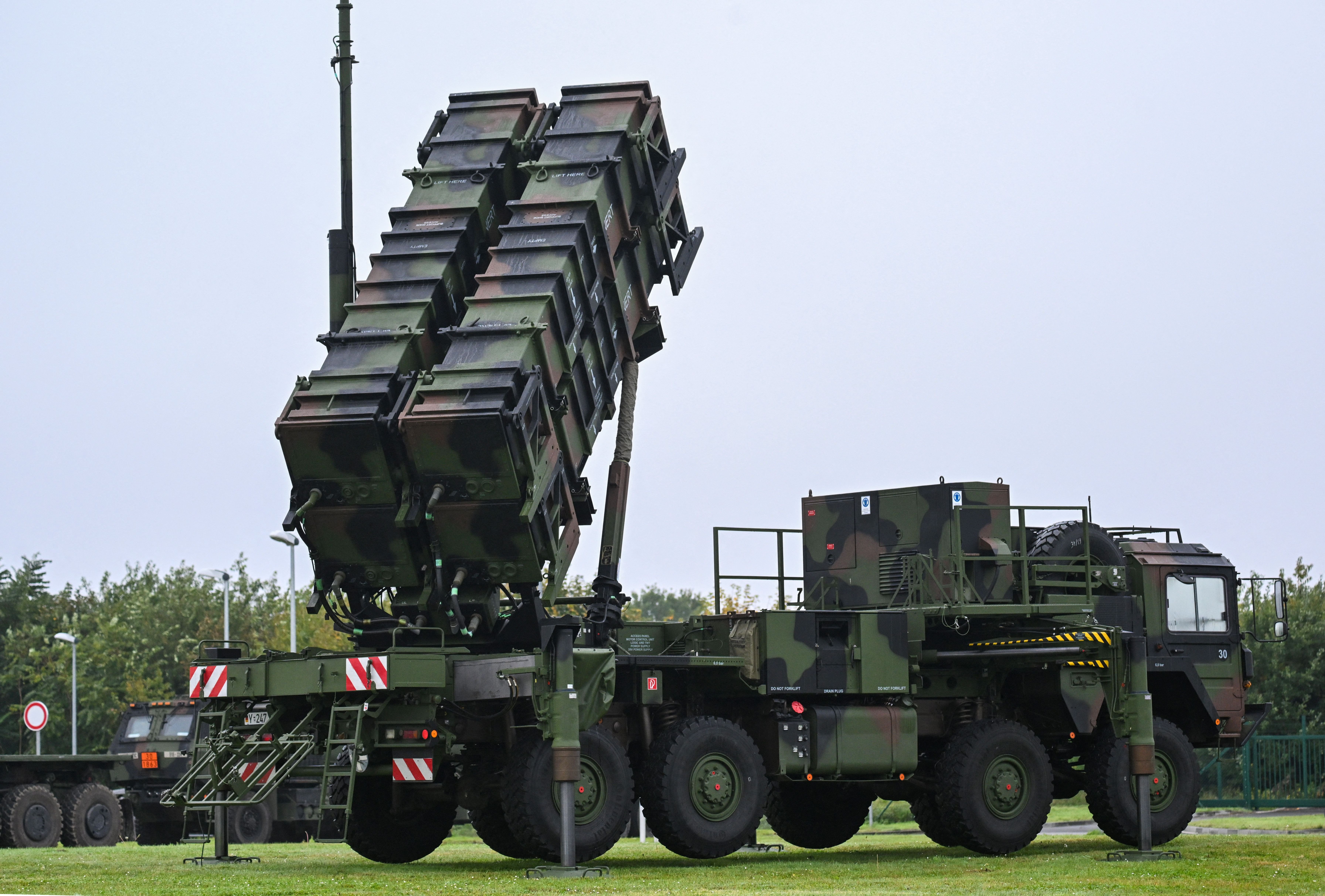
American Patriot missile stockpiles stationed across Europe have fallen to critically low levels as a direct result of ongoing military engagements with Iran, according to statements from government officials.
The reduction in available interceptors raises major operational concerns for regional defense networks that rely heavily on these surface-to-air systems for airspace protection, as reported by AP on August 27.
We bring you stories from the ground. Your support keeps our team in the field.
Military stockpiles face mounting pressure as defense capabilities are diverted to manage active security threats linked to Iran. The depletion of these stockpiles highlights growing strain on international supply chains and existing defense reserves held by allied forces throughout the European continent.
The vulnerability created by these shortages extends directly to potential allied operations.
"In the event of a Russian ballistic missile assault on, for example, a military headquarters or power plant, NATO could be in a similar position to Patriot-starved Ukraine and be forced “to take punch after punch in the mouth,” the US defense official said.
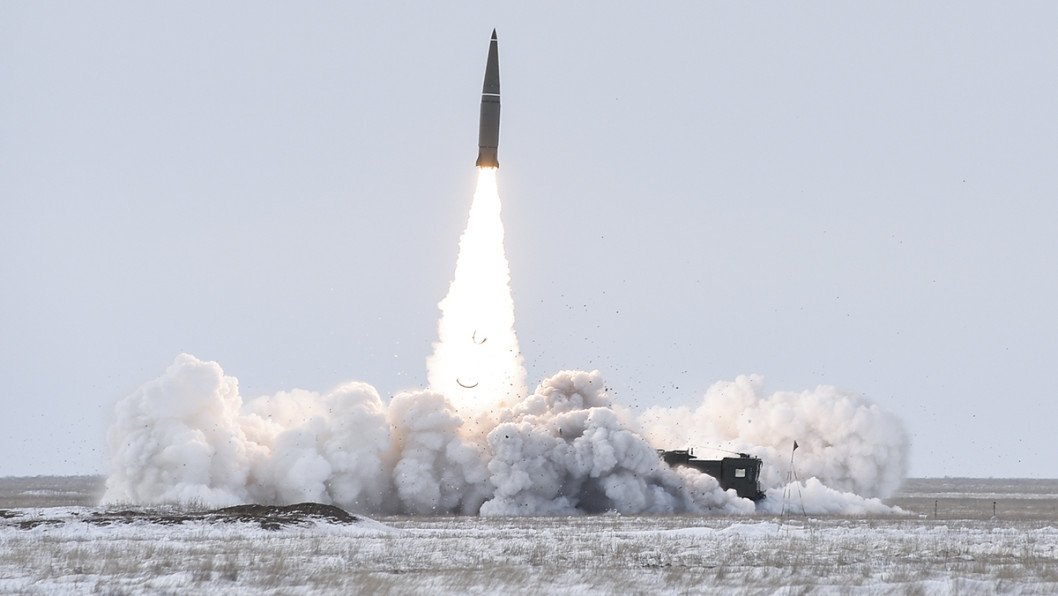
When Russian forces fire ballistic missiles at Ukraine, air defense systems have only minutes or seconds to detect and intercept the incoming targets. The limited response time leaves cities increasingly exposed to high-speed missiles, which dive steeply toward their targets at several times the speed of sound.
-14ae212cfcc60931832b6c060f391e00.jpg)
Ukrainian officials state that the US-made Patriot defense system is the sole weapon in their inventory capable of stopping these specific threats, such as Iskander-M, S-400, and Zircon missiles. However, Ukraine operates too few batteries and interceptors to provide comprehensive coverage.
Unlike cruise missiles that navigate like pilotless aircraft, ballistic missiles are launched as rockets before making rapid descents. This trajectory sharply reduces the window available for defenders to track and neutralize warheads.
When a Patriot battery is absent, out of position, or depleted of ammunition, alternative Ukrainian defenses cannot effectively substitute for it. Furthermore, tactical combinations of ballistic missiles, cruise missiles, drones, and decoys force defenders to track multiple incoming objects and strictly ration their remaining interceptor stocks.
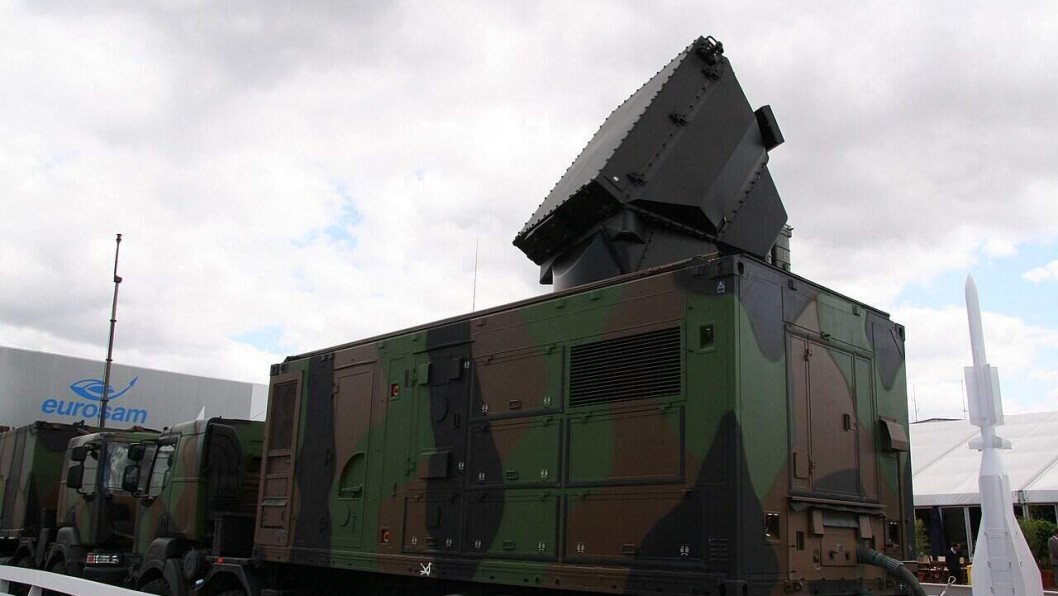
Global supply shortages exacerbate the defense deficit inside Ukraine. Recent military operations involving US and Israeli forces against Iran have consumed high volumes of Patriot and THAAD interceptors. This has reduced the overall US Patriot inventory by an estimated 65% from prewar levels.
While production capacity is expanding—with Lockheed Martin aiming for 2,000 PAC-3 MSE interceptors annually by 2030 and a new production facility opening in Germany—current output cannot immediately fulfill global demand.
Consequently, Ukrainian forces are seeking long-range capabilities to target Russian missile launchers and infrastructure on the ground before weapons can be launched.
European nations struggled to locate available Patriot interceptor missiles to support Ukraine ahead of anticipated winter strikes by Russian forces. Kyiv sought hundreds of PAC-2 and PAC-3 interceptors as international supplies became severely constrained.
In July 2026, Ukrainian air defense forces shot down only 29 out of 195 Russian ballistic missiles, while another 40 failed to reach their targets. Germany had previously provided three complete Patriot systems and arranged two additional units, the Netherlands assembled one system featuring five launchers.
Poland transferred five interceptor missiles, and Ukraine requested up to 200 older PAC-2 interceptors from Greece. Allied efforts subsequently gathered slightly more than 20 missiles after Germany offered five extra rounds if other partners supplied 20.
Discuss this article:
-4a56a6b482ec132402c16ef6fcabf9a2.png)




-111f0e5095e02c02446ffed57bfb0ab1.jpeg "Photo of Roman Kohanets")