- Category
- World
Putin May Use Ukraine Peace Talks to Demand NATO Retreat to Its 1997 Footprint
 Prefer U24 Media on Google
- Authors


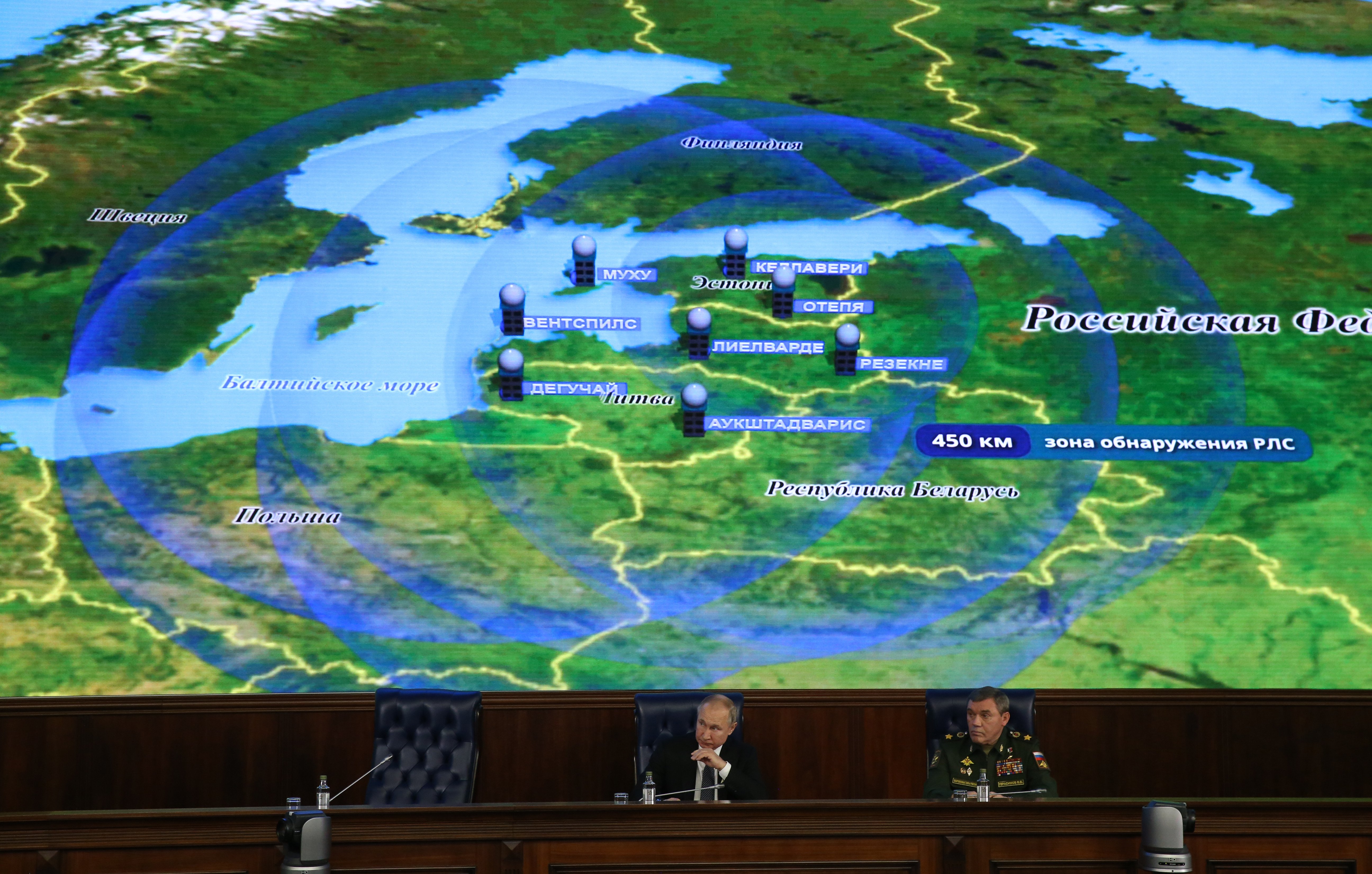
Russia is expected to use a new round of Ukraine peace talks to press for concessions that could weaken NATO’s eastern defenses, including a possible demand that the alliance roll back its military footprint to 1997 levels, The Telegraph reported on October 26.
Kremlin foreign policy aide Yuri Ushakov said European countries should join negotiations involving Russia, Ukraine, and the United States because Europe would be central to any eventual agreement.
We bring you stories from the ground. Your support keeps our team in the field.
But diplomatic sources told The Telegraph that Moscow also sees European participation as an opportunity to revive its longstanding demands over NATO expansion—something Russian leader Vladimir Putin has repeatedly described as a “root cause” of the war.
One likely Russian demand would be to reduce NATO’s military presence to where it stood before former Eastern Bloc states joined the alliance. In practice, that could mean pressure for NATO forces to withdraw from Poland, Estonia, Latvia, Lithuania, and Finland—all countries that border Russia.
The Kremlin has previously suggested that Putin could show flexibility on other issues if Moscow’s core demands are accepted, including major restrictions on Ukraine’s sovereignty and NATO’s presence in Eastern Europe.
Russia agreed last week to take part in technical three-way talks in Abu Dhabi next month after a lengthy pause in US-mediated negotiations.
Ushakov played down expectations for an immediate breakthrough, calling the meeting a “trial run.”
Previous negotiations failed to produce a ceasefire, in part because Moscow continued demanding that Ukraine surrender territory in Donbas that Russian forces have not captured.
Moscow also appears to believe Washington could pressure Kyiv into accepting such terms.
“Before, it seemed after Anchorage, that the US administration might be able to dictate something and force Kyiv to comply. But so far, this hasn’t really worked out. That’s because it’s not enough to talk only to Kyiv; we need to talk to the whole of Europe, which fully supports Kyiv, ” Ushakov said.
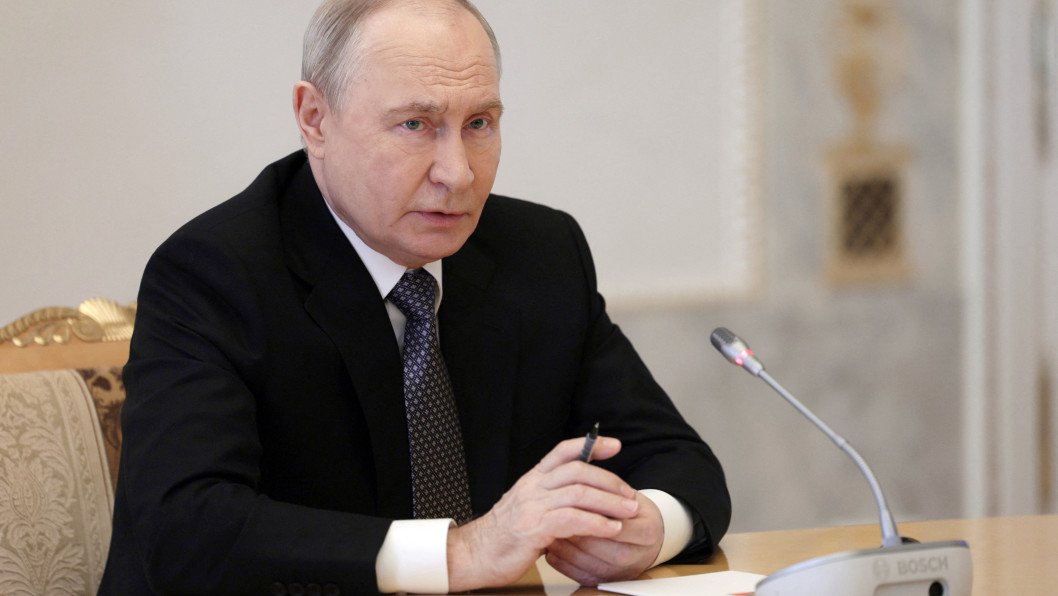
Ukrainian and European officials have indicated they are willing to discuss the “wider context of post-war security arrangements in Europe” during the Abu Dhabi talks.
The proposal was reportedly delivered by US presidential envoy Steve Witkoff during a three-hour meeting with Putin in St. Petersburg last week.
Despite Moscow’s renewed interest in negotiations, European officials say their opposition to Russia’s NATO demands has not changed.
“Our position remains the same as in January 2022,” one European official said.
At the time, NATO agreed that Russia’s security concerns could be discussed but rejected Moscow’s demand that the alliance withdraw troops and nuclear capabilities from its eastern members.
President Volodymyr Zelenskyy said the upcoming trilateral talks would not themselves end the war but could focus on more limited agreements, including ceasefires covering energy infrastructure and grain exports as well as prisoner exchanges.
Previously, Putin ordered an escalation of sabotage operations against NATO countries, potentially setting the stage for a new wave of hybrid attacks across Europe.
Discuss this article: