- Category
- War in Ukraine
Russia Emptied Its Armor Reserves for Ukraine—Now New Tanks Are Piling Up Near NATO Borders
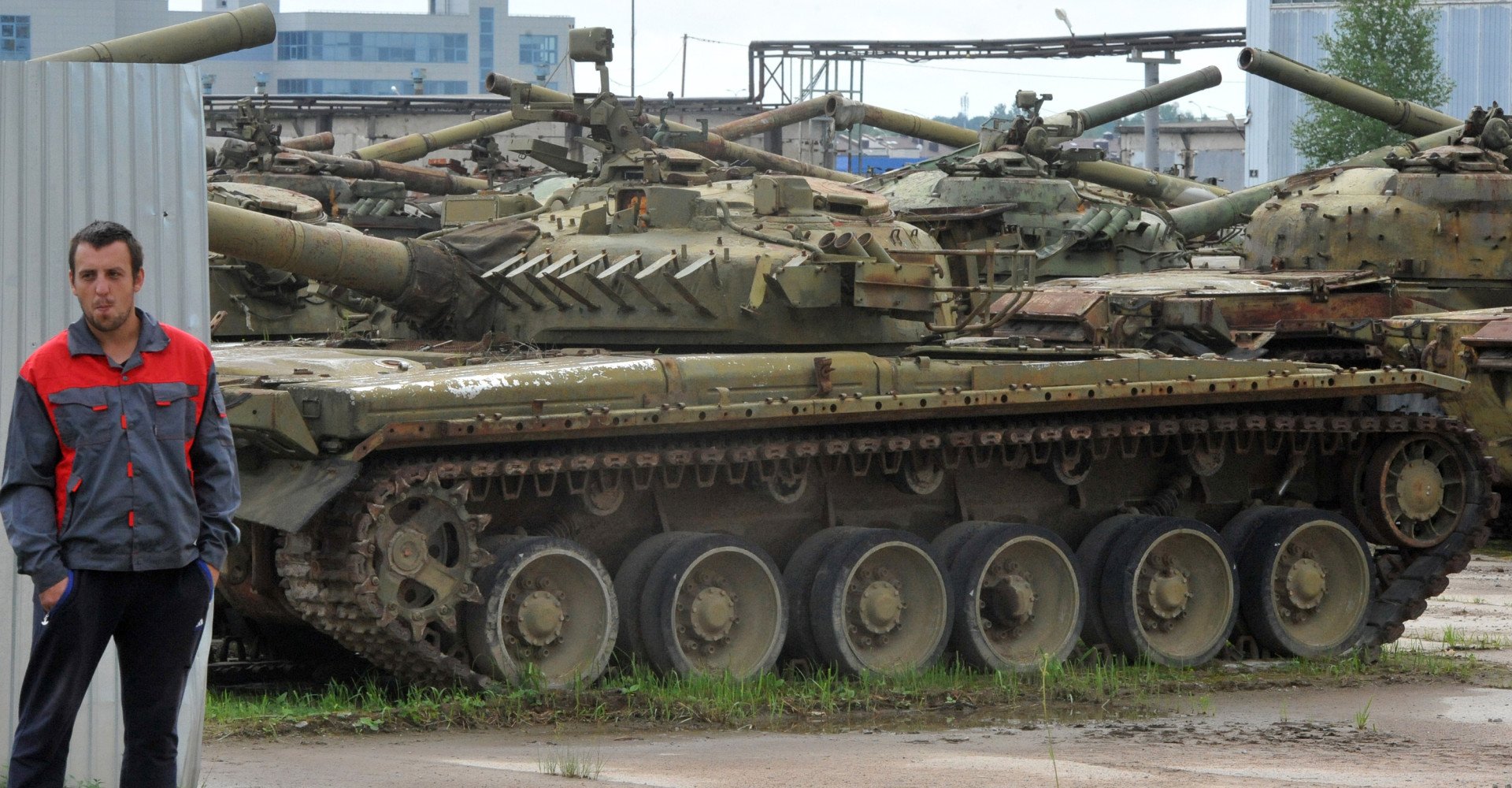
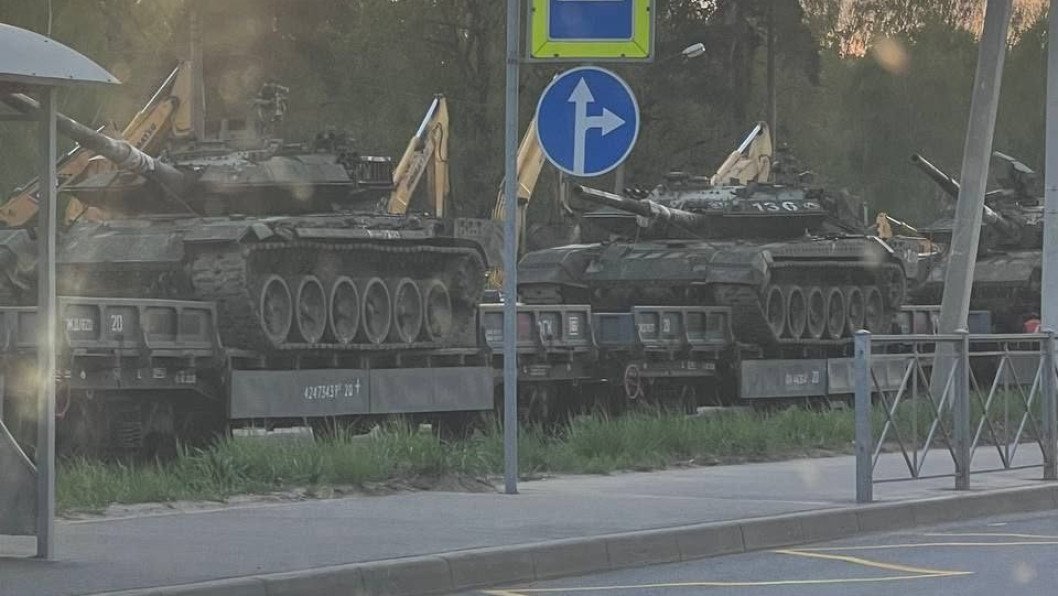
Russian military storage bases that were heavily depleted during the first years of the war are filling again with tanks, armored vehicles, and artillery—including newly manufactured equipment at facilities near Finland and the Baltic states, according to satellite imagery analyzed by OSINT researchers.
 Prefer U24 Media on Google
- Authors


Russia has begun rebuilding stocks of armored vehicles and artillery at Defense Ministry storage facilities across the country after drawing heavily on Soviet-era reserves during the first years of its full-scale war against Ukraine, Vazhniye Novosti reported on October 17, citing OSINT analysts Mark Krutov, Jompy, and Covert Cabal.
Satellite imagery indicates that some of the incoming equipment is not simply old hardware being returned to storage, but recently repaired or newly manufactured vehicles arriving directly from Russian defense plants.
We bring you stories from the ground. Your support keeps our team in the field.
Russia relied heavily on its massive reserve stocks after launching the invasion in 2022, pulling tanks and infantry fighting vehicles from storage to replace battlefield losses.
As drones increasingly came to dominate the front and large concentrations of armor became more vulnerable, however, tanks and armored vehicles began playing a less central role in many operations.
1/4 The 22nd Tank Storage Base, 500 km from the NATO border, is being replenished with new T-90M tanks, as seen in a comparison of @planet satellite images from October 2025 and October 2026. https://t.co/PxXHI8ju5z pic.twitter.com/e84Oj8zoNA
— Mark Krutov (@kromark) October 16, 2026
That appears to have created room for Moscow to start rebuilding a reserve.
At the 349th Central Storage Base in Topchikha, Altai region, refurbished T-72B3 tanks and BMP-2 infantry fighting vehicles began appearing around June 2026. Analysts counted roughly 78 tanks and more than 100 infantry fighting vehicles arriving over the summer.
The 6018th storage base has also reportedly received additional BMP-3 infantry fighting vehicles and BMD-4 airborne combat vehicles, according to Jompy.
Unfortunately in the few weeks after the latests image I got of the 349th, this base has also seen a massive increase in stored equipment. https://t.co/FfMGlAJZcA
— Jompy (@Jonpy99) October 16, 2026
New T-90Ms are appearing closer to NATO
The buildup is particularly notable at facilities in western and northwestern Russia.
At the 22nd Central Reserve Base in Buy, Kostroma region, satellite imagery showed newly manufactured T-90M tanks and BTR-82A armored personnel carriers arriving between fall 2025 and October 2026. BMP-3s and what may be armored recovery vehicles were also identified there.
3/4 The 349th storage base, northern part, significant increase of vehicles. Oct. 15 2026 vs Oct. 2025. pic.twitter.com/yT27IPWQWi
— Mark Krutov (@kromark) October 16, 2026
The facility lies roughly 500 kilometers from the borders of Estonia and Latvia.
Farther north, Russia’s 374th Mobilization Deployment Support Center in Karelia—about 185 kilometers from Finland—has been receiving new Malva wheeled artillery systems and Giatsint-K self-propelled guns since 2025.
The analysts stress that these vehicles remain in storage. They are not assigned to frontline formations and should not be interpreted as equipment prepared for immediate deployment.
Russia may simply be producing more armor than needed
The accumulation could partly reflect changing demand inside Russia’s military.
If Russian forces are currently using heavy armor at a lower rate than factories are delivering repaired and newly manufactured vehicles, the excess equipment would naturally begin accumulating at reserve bases.
That would mark a reversal from the early years of the war, when storage sites were being stripped rapidly to compensate for enormous battlefield losses.
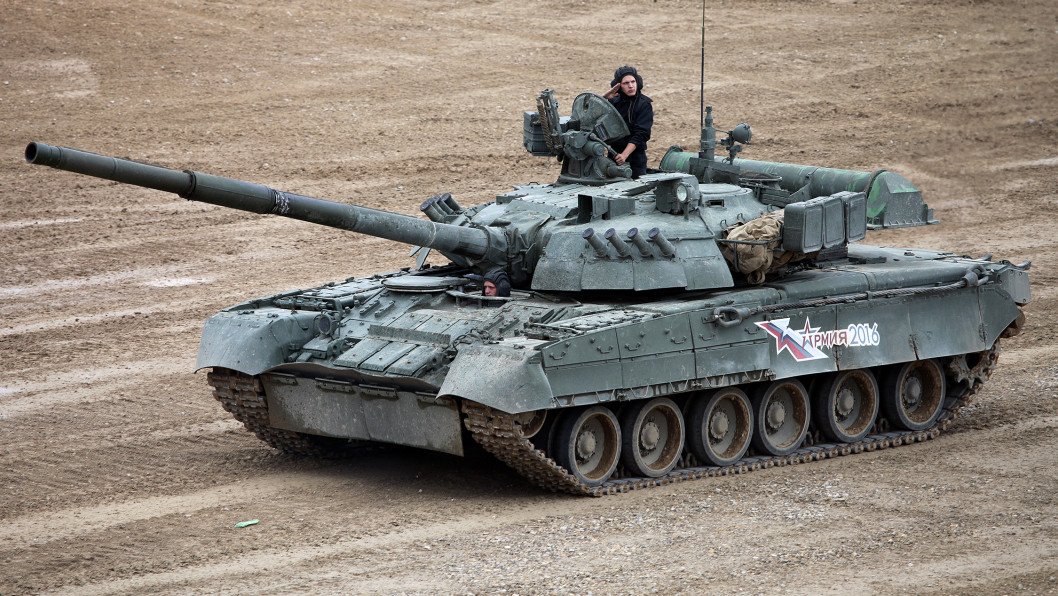
The trend also suggests that measuring Russian armored strength solely by the depletion of Soviet-era stockpiles may no longer provide the full picture. Moscow is simultaneously restoring older vehicles, manufacturing new ones, and beginning to rebuild reserve inventories.
Military expansion also underway along NATO’s northern frontier
The renewed stockpiling comes alongside a broader Russian military construction effort near NATO’s northern borders.
An investigation published in June 2026 found Russia expanding and modernizing military infrastructure that could eventually accommodate as many as 115,000 additional troops.
3/4 The 349th storage base, northern part, significant increase of vehicles. Oct. 15 2026 vs Oct. 2025. pic.twitter.com/yT27IPWQWi
— Mark Krutov (@kromark) October 16, 2026
Projects include facilities for an entire division in Pechenga, roughly 11 kilometers from Norway; an artillery formation near Kandalaksha close to Finland; a new 44th Army Corps garrison for approximately 15,000 troops at Novaya Vilga near Petrozavodsk; and concentrations of armored vehicles around Luga near Estonia. Russia is also expanding its naval infantry presence in Baltiysk near Kaliningrad.
Investigative journalist Mark Krutov has suggested that rebuilding armored reserves could eventually have relevance beyond the war in Ukraine.
In a hypothetical confrontation with NATO, he argues, Russian armor might face a different battlefield environment because European militaries currently cannot deploy FPV drones against tanks and armored vehicles at anything approaching the scale Ukraine does.
Previously, Russia created its first newly reported division of 2026 and already committed it to fighting around Kostiantynivka, but the formation’s structure also shows how deeply years of losses have reshaped the Russian army.
Discuss this article: