- Category
- Defense Tech
Russia Is Building Tanks From the Parts Bin—and Rebuilding 360 T-72s a Year
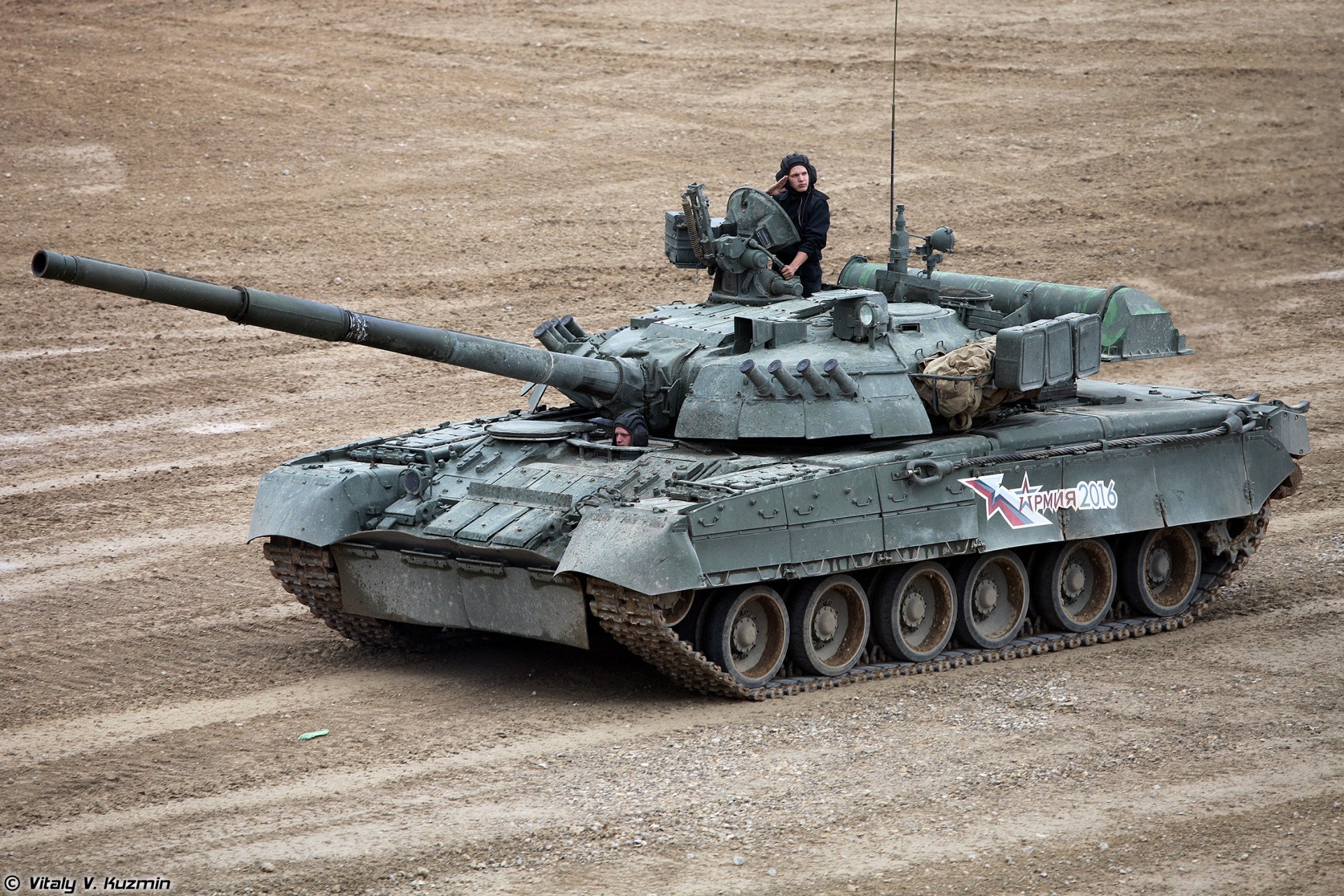
Russia is replenishing its battered tank fleet faster than previously believed, upgrading roughly 360 stored T-72s a year and assembling T-80UE-1s from old turrets, recovered hulls, and previously damaged vehicles.
 Prefer U24 Media on Google
- Authors


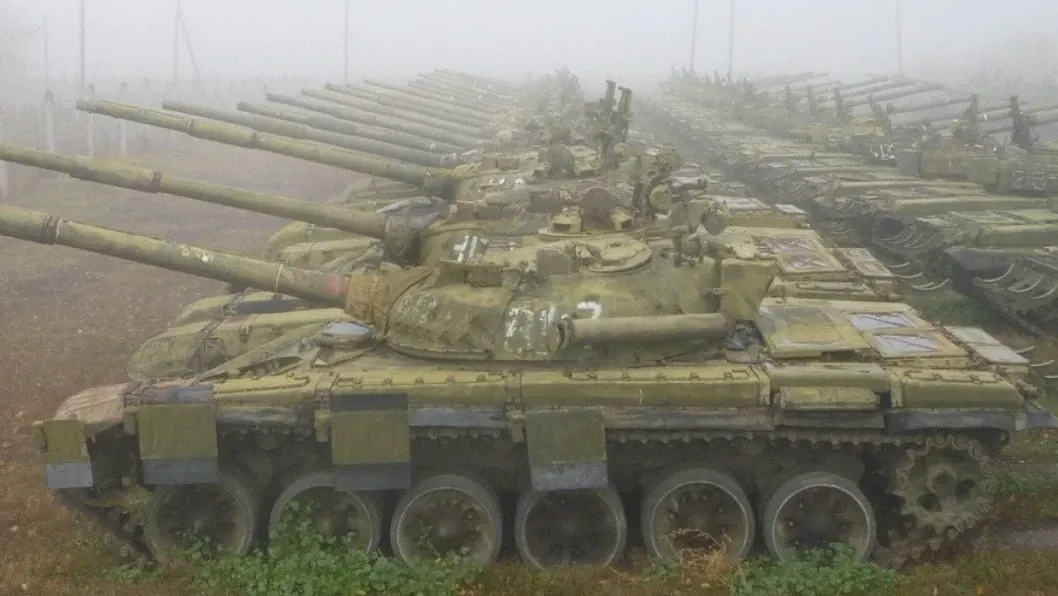
Russia’s defense industry appears to have increased the rate at which stored T-72A tanks are converted into modernized T-72B3Ms to roughly 360 vehicles per year, according to Defense Express, citing OSINT researchers Jompy and T-90AK on October 7.
That figure is notable because previous estimates suggested Russia could upgrade around 200 T-72As annually at Uralvagonzavod.
We bring you stories from the ground. Your support keeps our team in the field.
Russia’s T-72 rebuild rate almost twice what was expected
If the newer estimate is accurate, Moscow is processing its Soviet-era tank reserves at nearly twice the previously assumed pace.
The T-72B3M upgrade involves significantly more than simply returning old vehicles to working condition. The modernization includes an improved fire-control system, Relikt explosive reactive armor, and the more powerful 1,130-horsepower V-92S2F engine, bringing stored T-72As closer to the standard of Russia’s current frontline main battle tanks.
I would say it's likely a solid estimate for T-72s, but not for T-72Bs/onwards exclusively.
— Jompy (@Jonpy99) October 3, 2026
Defense Express notes that the higher conversion rate changes calculations about how long Russia can continue drawing on its remaining T-72A reserve.
Earlier estimates suggested the available stock could keep Uralvagonzavod occupied for roughly another four years, but a faster rebuild tempo would consume those reserves considerably sooner unless additional vehicles are found elsewhere.
T-80UE-1s are being pieced together from existing stocks
Russia is reportedly taking an even more unconventional approach to the T-80UE-1. According to the OSINT findings cited by Defense Express, Russian industry still has a stock of T-80UD turrets that can be installed on restored hulls from damaged or decommissioned T-80B and T-80U tanks.
By combining those available components, Russian factories can effectively produce additional T-80UE-1s without manufacturing an entirely new tank from scratch.
Modernized T-80UE-1 in the background of a interview.
— T-90K (@T_90AK) October 3, 2026
Which could point towards the Russian actully putting it into production. pic.twitter.com/lYBA0cfVKU
There is currently no reliable estimate for how many such vehicles Russia can assemble each year.
The T-80UE-1 itself is not a new design. The modernization program dates back to the 2000s and originally involved upgrading T-80BV tanks with the fighting compartment of the T-80UD, the 1A45 fire-control system, and the 9K119 Refleks guided-missile complex.
At the time, the project proved too expensive for large-scale production, and only a few dozen vehicles were reportedly built. Defense Express argues that Russia’s willingness to return to the concept now reflects the pressure created by years of heavy armored-vehicle losses and the need to extract additional combat-ready tanks from whatever usable Soviet-era components remain available.
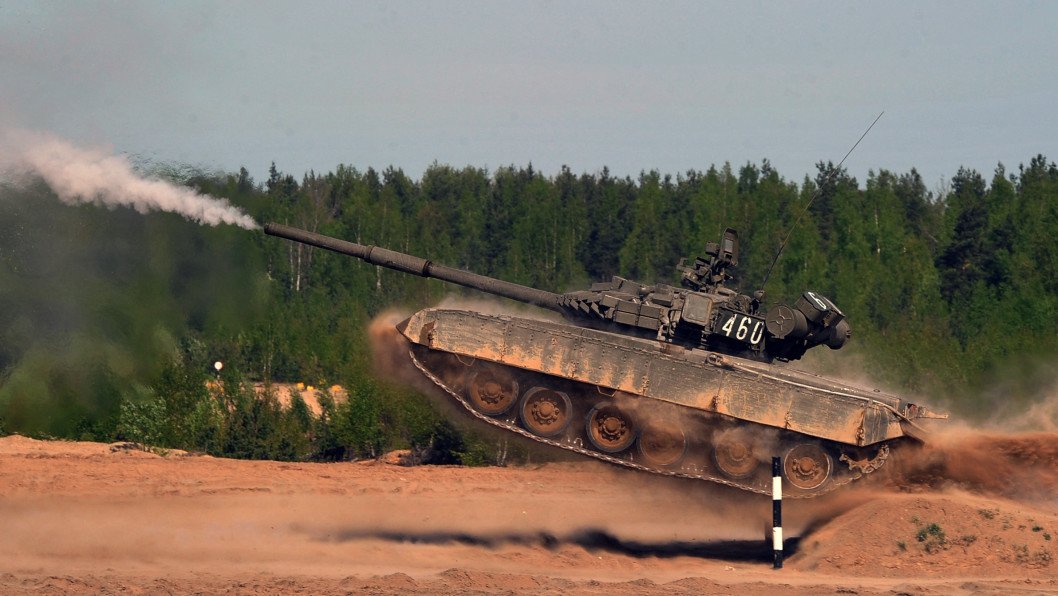
What Russia does with its remaining T-72As
It remains unclear whether Moscow intends to convert every available T-72A into a conventional T-72B3M or reserve part of the fleet for other programs.
One possibility highlighted by Defense Express is Russia’s Shturm project, which envisions unmanned or remotely operated combat vehicles based on the T-72 chassis.
If that program moves beyond experimentation into larger-scale production, some stored T-72As could be diverted away from traditional tank modernization.
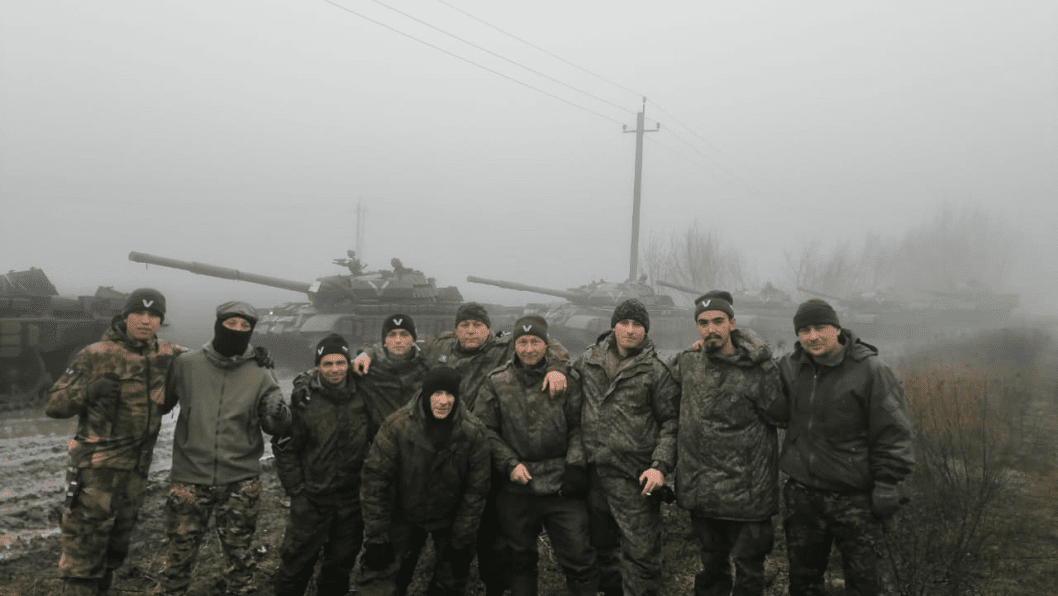
The broader picture is therefore somewhat contradictory for Russia. Its defense industry appears capable of restoring and modernizing old armor at a faster pace than previously estimated, but much of that output increasingly depends on finite Soviet-era reserves, recovered vehicles, and combinations of existing components rather than newly manufactured tanks.
Earlier, Russia’s new Shturm robotic assault tank reportedly suffered repeated communication failures during its debut at the Tsentr-2026 strategic military exercise before getting stuck in mud—even after a human driver took control of the vehicle.
Discuss this article:

-cb47049fc5a80abacf2476d2b7f5b2e5.webp "Ukraine’s Varkhan unmanned ground vehicle. (Source: Ministry of Defense of Ukraine)")